How to Choose Filtration and Water Flow for Goldfish Tanks | Proper Use of Aeration and External Filters
Explains filtration methods and water flow strength suitable for goldfish. Compares the characteristics of hang-on filters, undergravel filters, external filters, and aeration systems, and introduces optimal water flow settings for different body types such as ranchu, wakin, and telescope eye goldfish.
Key Takeaways
Explains filtration methods and water flow strength suitable for goldfish. Compares the characteristics of hang-on filters, undergravel filters, external filters, and aeration systems, and introduces optimal water flow settings for different body types such as ranchu, wakin, and telescope eye goldfish.
Related Species
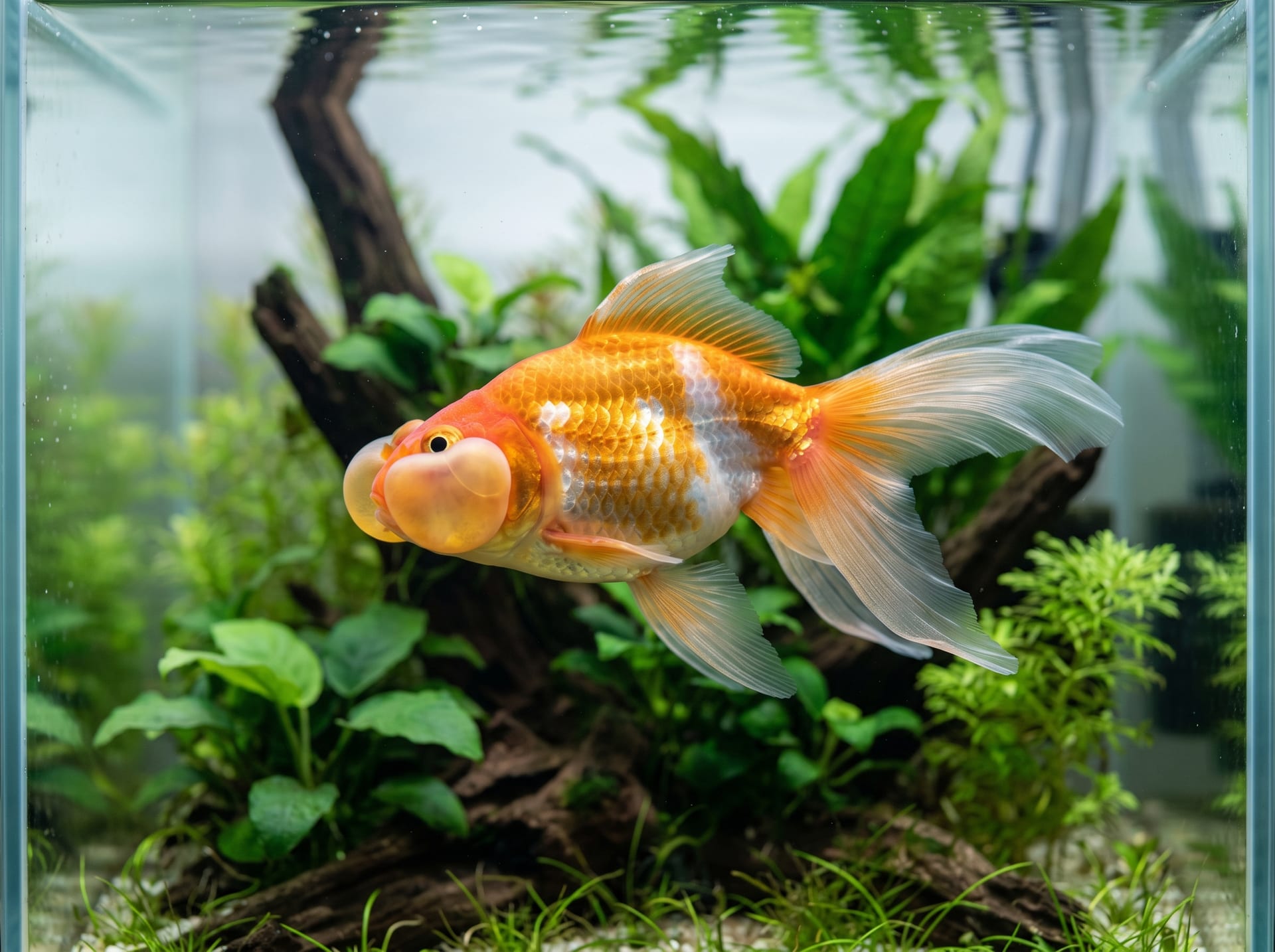
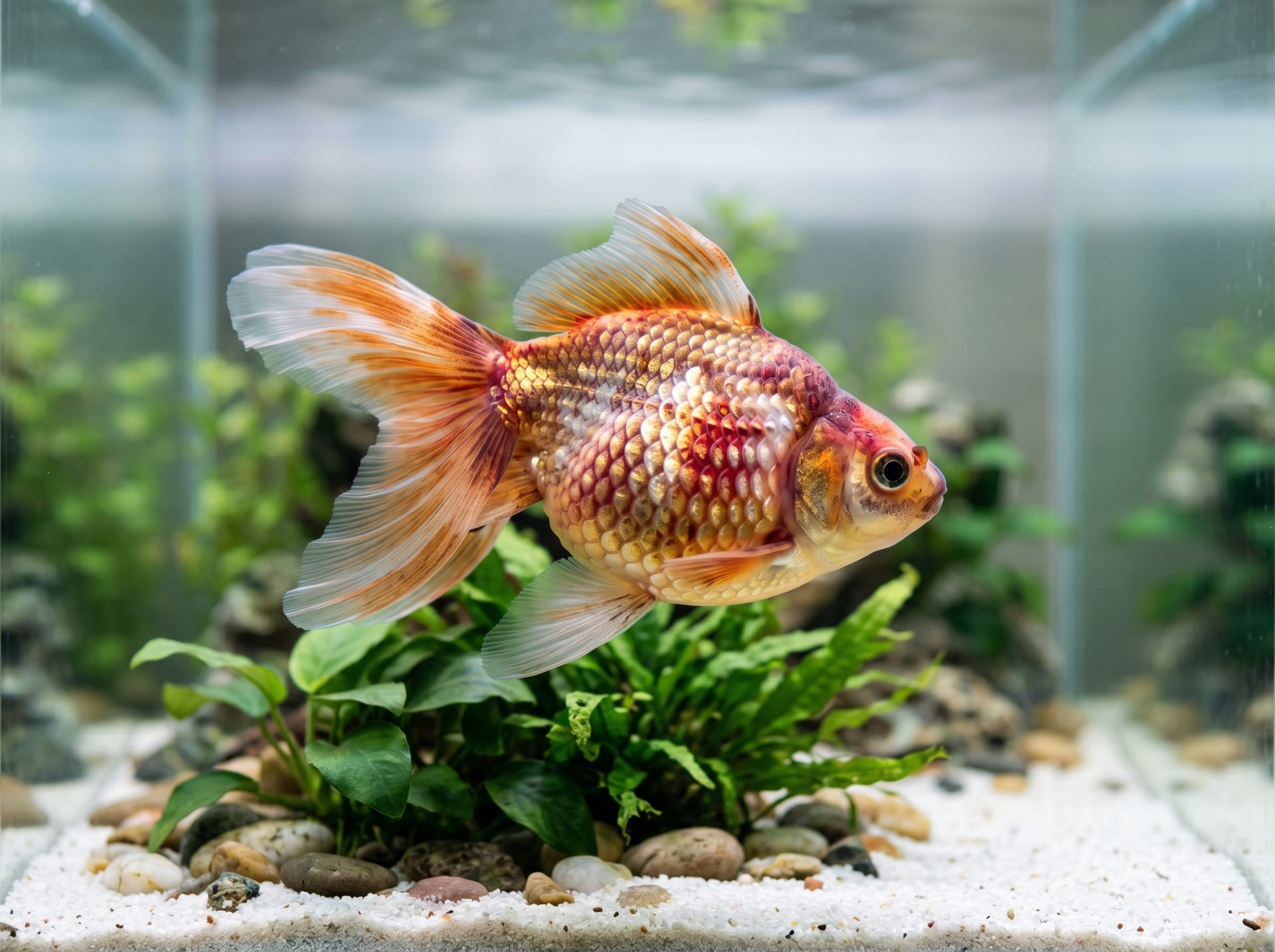
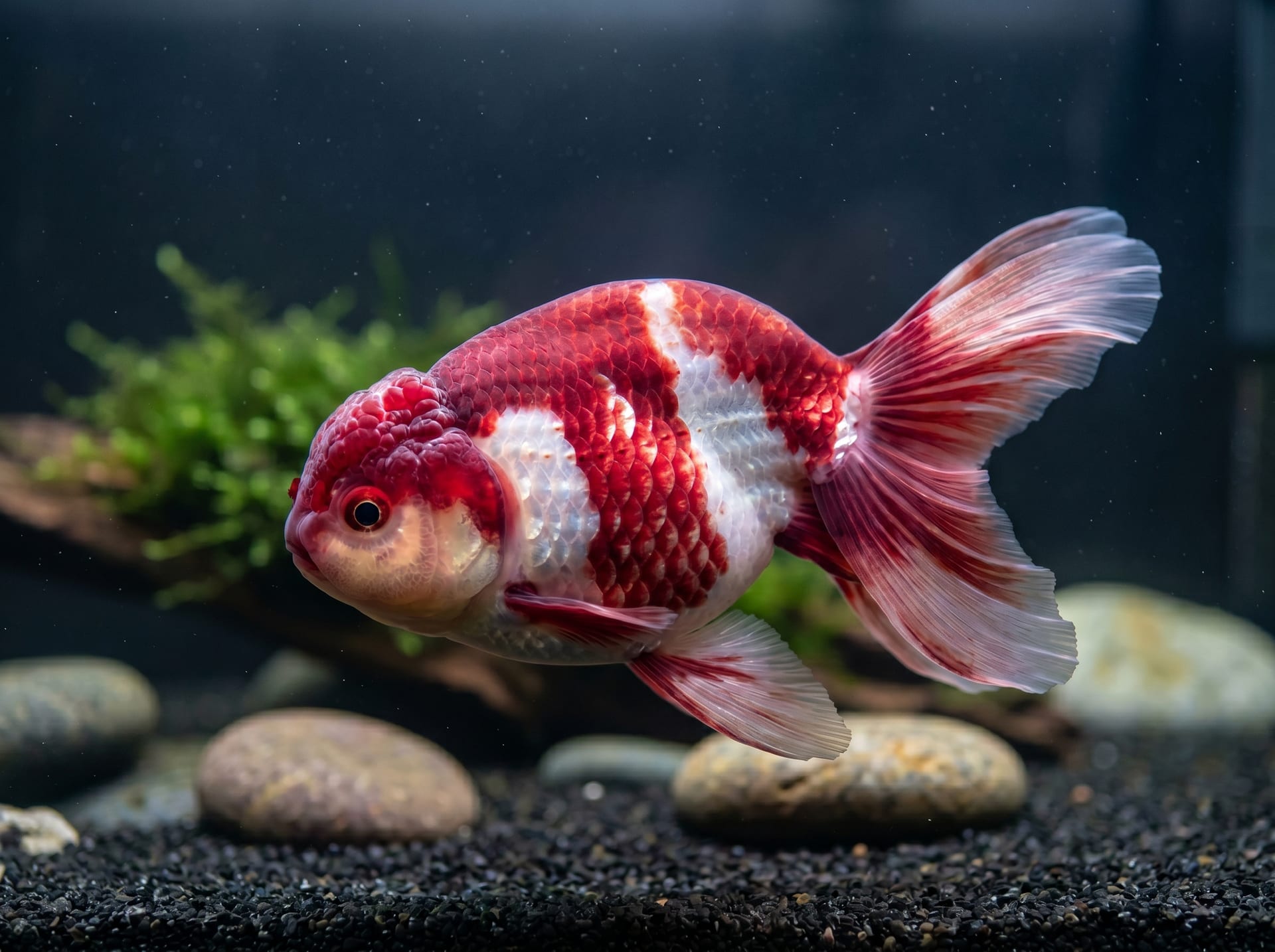
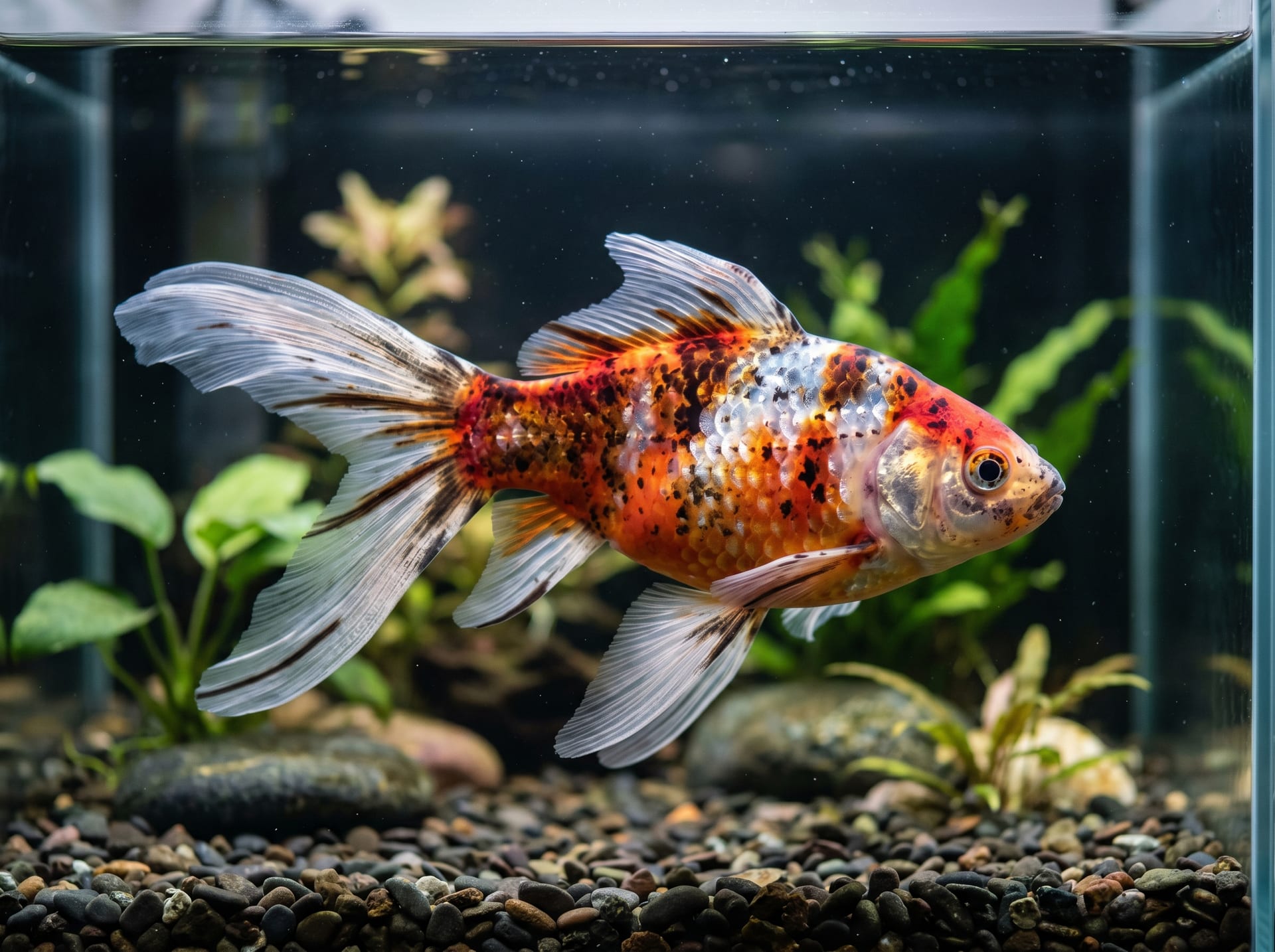

Maintaining proper filtration and water flow settings is as crucial as water quality management when keeping goldfish healthy over the long term. Insufficient filtration leads to ammonia and nitrite accumulation, causing damage to the fish. Conversely, water flow that is too strong causes round-bodied goldfish with weaker swimming ability to become exhausted. This guide provides detailed explanations of filtration methods and water flow considerations suitable for goldfish keeping.
The 3 Types of Filtration
There are three types of filtration mechanisms in an aquarium, and ideally all three should function properly.
Mechanical Filtration
Filter sponges and floss mechanically remove solid waste such as fish feces and uneaten food. As pores clog and flow decreases, regular cleaning is necessary.
Biological Filtration
Bacteria decompose harmful ammonia into nitrite, and nitrite into relatively harmless nitrate. Bacteria colonize the filter media (ring-shaped media, sponges, etc.), so keeping the media overly clean is counterproductive. Bacterial colonies stabilize within 1-2 months after setup.
Chemical Filtration
Activated carbon and similar materials adsorb substances causing yellowing and odor. Effectiveness is limited and regular replacement is needed. It is not essential for goldfish keeping.
Main Filter Types and Characteristics
Hang-on Filter
This type hangs on the tank rim and is the easiest for beginners to use. Installation is simple and the price is reasonable. However, it often has insufficient filtration capacity for the large amount of waste produced by goldfish, requiring parts cleaning 1-2 times per week.
- Recommended Tank Size: 30-60 cm
- Pros: Easy installation, affordable, easy maintenance
- Cons: Limited filtration capacity
Undergravel Filter
This system uses the entire substrate as filter media and has extremely high biological filtration capacity. It is used with an air pump. However, fish waste accumulates if the substrate is not regularly cleaned with a gravel vacuum.
- Recommended Tank Size: 45-90 cm
- Pros: High biological filtration capacity, suitable for planted tanks
- Cons: Substrate cleaning required, may not be suitable for large goldfish
External Filter
A large filter with a built-in motor placed outside the tank, offering the highest filtration capacity. Ideal for tanks 60 cm or larger and for keeping multiple goldfish.
- Recommended Tank Size: 60 cm or larger
- Pros: Top-tier filtration capacity, quiet operation, minimizes oxygen loss
- Cons: Expensive, complex installation
Top Filter
A tray-style filter placed on top of the tank, one of the most popular options in Japan. Maintenance is simple and filtration capacity is moderately high, making it very commonly used for goldfish keeping.
- Recommended Tank Size: 60 cm or larger
- Pros: Easy maintenance, good filtration capacity, favorable for aerobic bacteria
- Cons: Layout is limited due to placement on top of the tank
Optimal Water Flow by Goldfish Body Type
Swimming ability varies greatly among goldfish depending on body shape. Excessively strong water flow causes exhaustion and reduced immunity.
| Body Type | Representative Varieties | Recommended Water Flow |
|---|---|---|
| Streamlined (Strong) | Wakin, Shubunkin | Moderate to slightly strong |
| Egg-shaped (Moderate) | Ryukin, Tosakin, Oranda | Moderate to slightly weak |
| Round body (Weak) | Ranchu, Ping Pong Pearl | As weak as possible |
| Protruding eyes | Telescope Eye, Bubble Eye | Weak (to prevent eye impact) |
You can disperse and weaken water flow by using a spray bar on the outlet of an external or top filter, directing it against the tank glass. Also utilize the filter's flow control valve.
The Role of Aeration (Air Pump)
Aeration increases dissolved oxygen levels and aids fish respiration. Especially in summer, when rising water temperature makes oxygen harder to dissolve, aeration is crucial.
When using an external filter, there is minimal water surface disturbance, so using a separate air pump is recommended. Hang-on filters and top filters intake oxygen as water falls back into the tank.
Bubbles from an air stone can be noisy if too large, so a type that produces fine bubbles is easier to manage.
Combining with Water Changes
No matter how good the filter, regular water changes are necessary. Since filters cannot remove nitrate (the final product), performing about 1/3 water changes once per week is fundamental to goldfish keeping.
Do not clean filter media at the same time as water changes; instead, clean it on separate days or alternate cleaning half the media at a time to protect bacterial colonies.
Summary
When choosing a filter for goldfish keeping, it is important to balance "water flow suited to body type" with "sufficient filtration capacity." For beginners, a combination of a hang-on filter and aeration is recommended; as you gain experience, consider upgrading to a top filter or external filter. At BreederDirect, breeders knowledgeable about each variety also offer consultation on keeping goldfish.