Complete Guide to Feeding Frequency and Quantity by Species | Fundamentals of Proper Nutrition Management
Explains appropriate feeding frequency, quantity, and timing by species type including reptiles, fish, and small animals. Also introduces feeding management by growth stage and how to handle feeding refusal.
Key Takeaways
Explains appropriate feeding frequency, quantity, and timing by species type including reptiles, fish, and small animals. Also introduces feeding management by growth stage and how to handle feeding refusal.
Maintaining proper feeding frequency and quantity is one of the most fundamental yet commonly mismanaged aspects of keeping animals healthy. Overfeeding causes obesity and water quality deterioration, while underfeeding leads to nutritional deficiencies and stunted growth. Furthermore, even within the same species, the optimal feeding pattern varies significantly across growth stages (juvenile, subadult, and adult). This article systematically compiles feeding management guidelines for the major species commonly kept in captivity.
✍️
BreederDirect Editorial
The BreederDirect editorial team specializes in care information for animals, covering veterinary care and breeding to deliver beginner-friendly guides.
Reptiles are ectothermic animals with lower metabolic rates compared to mammals, so they require less frequent feeding. The following is a guide to typical feeding frequency and quantity for representative reptiles:
Species
Frequency
Quantity/Notes
Leopard Gecko
Juveniles (hatch–6 months): daily; Subadults (6 months–1 year): every 2–3 days; Adults (1+ years): every 3–5 days
Per feeding, offer 2–5 insects approximately the size of the head width
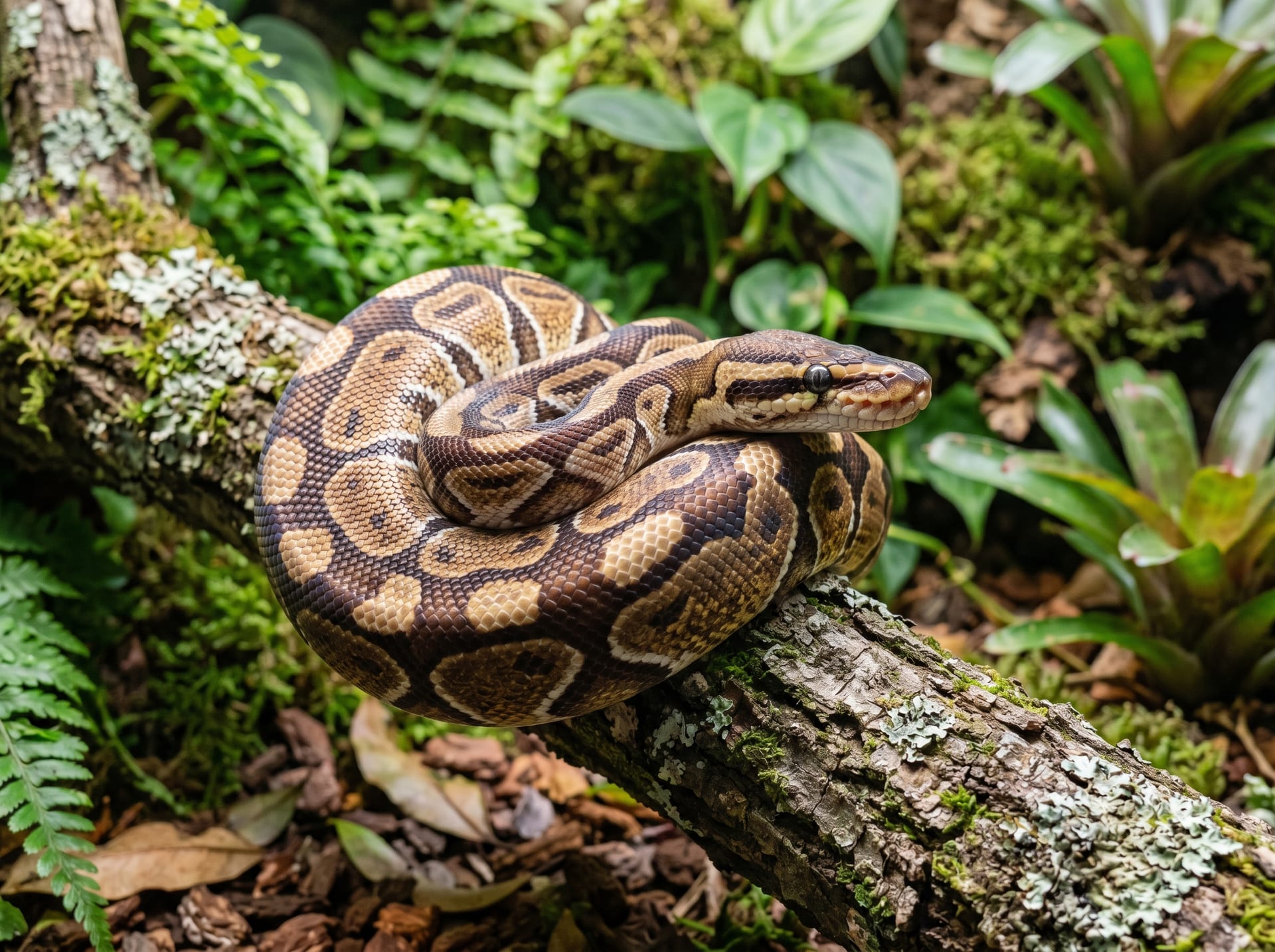
Ball Pythons and other snakes
Juveniles: once weekly; Adults: every 10–14 days
Choose mice or rats with thickness comparable to the thickest part of the snake's body
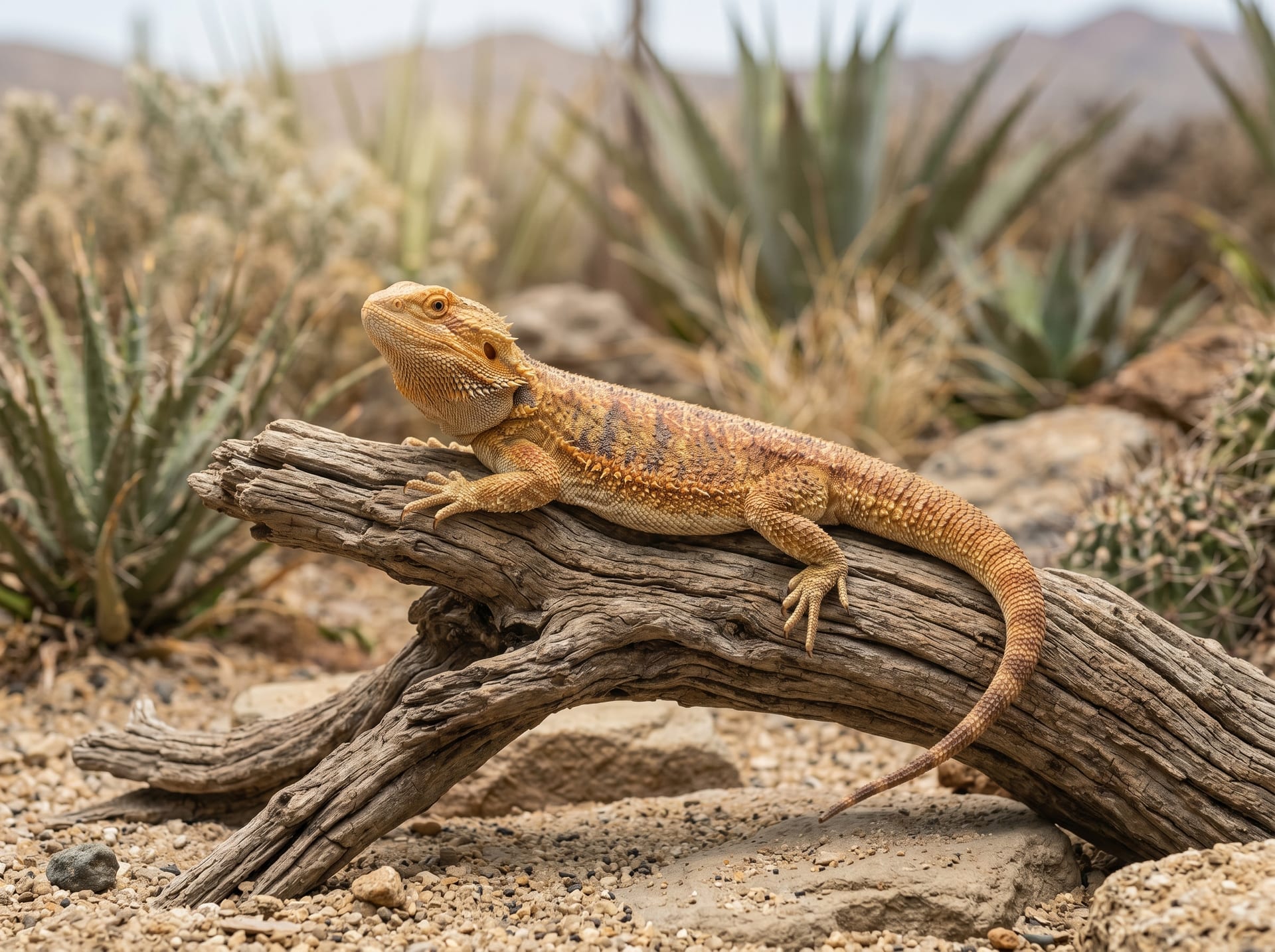
Bearded Dragons
Juveniles: daily, centered on animal protein; Adults: transition to vegetable-based diet, approximately every 2 days
Omnivorous
Tortoises
Daily
Provide fresh wild grasses and vegetables. Avoid high-protein foods
Common to all reptiles is the importance of dusting food with calcium powder and vitamin D3. Calcium deficiency causes metabolic bone disease, so add supplements at every feeding.
Feeding Management for Fish
The most common mistake in fish feeding is overfeeding. Fish will eat even when not hungry, and keepers often add more thinking they need additional food. The basic rule is "an amount that can be consumed in 2–3 minutes, once or twice daily." Uneaten food is the primary cause of water quality deterioration, so promptly remove any leftovers. The following are feeding points by fish type and growth stage:
Fry: Rapid growth requires frequent small feedings 3–5 times daily. Offer newly hatched brine shrimp nauplii or powdered food.
Adult fish: Once or twice daily is sufficient. Designating one fasting day per week provides rest for the digestive system.
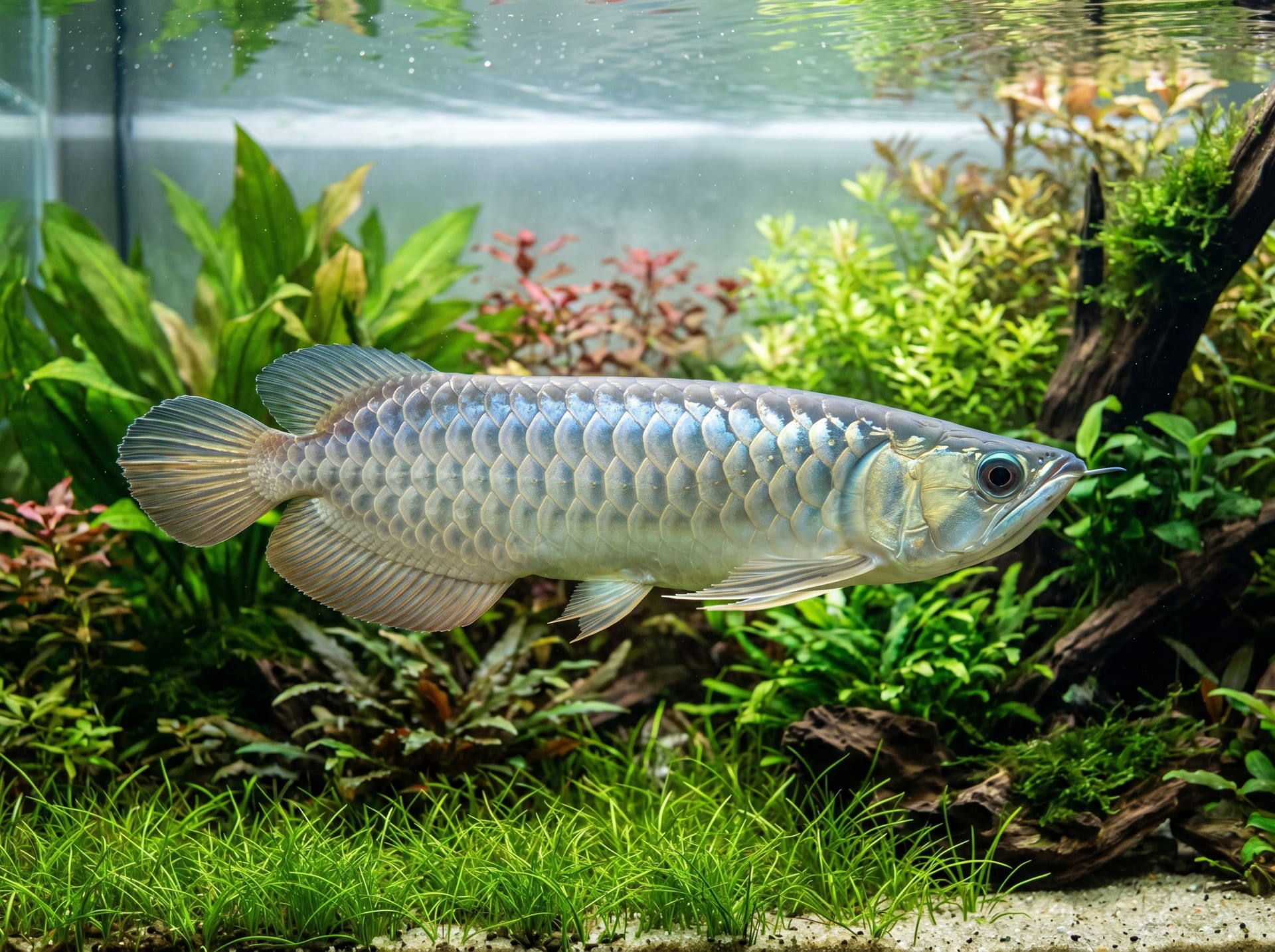
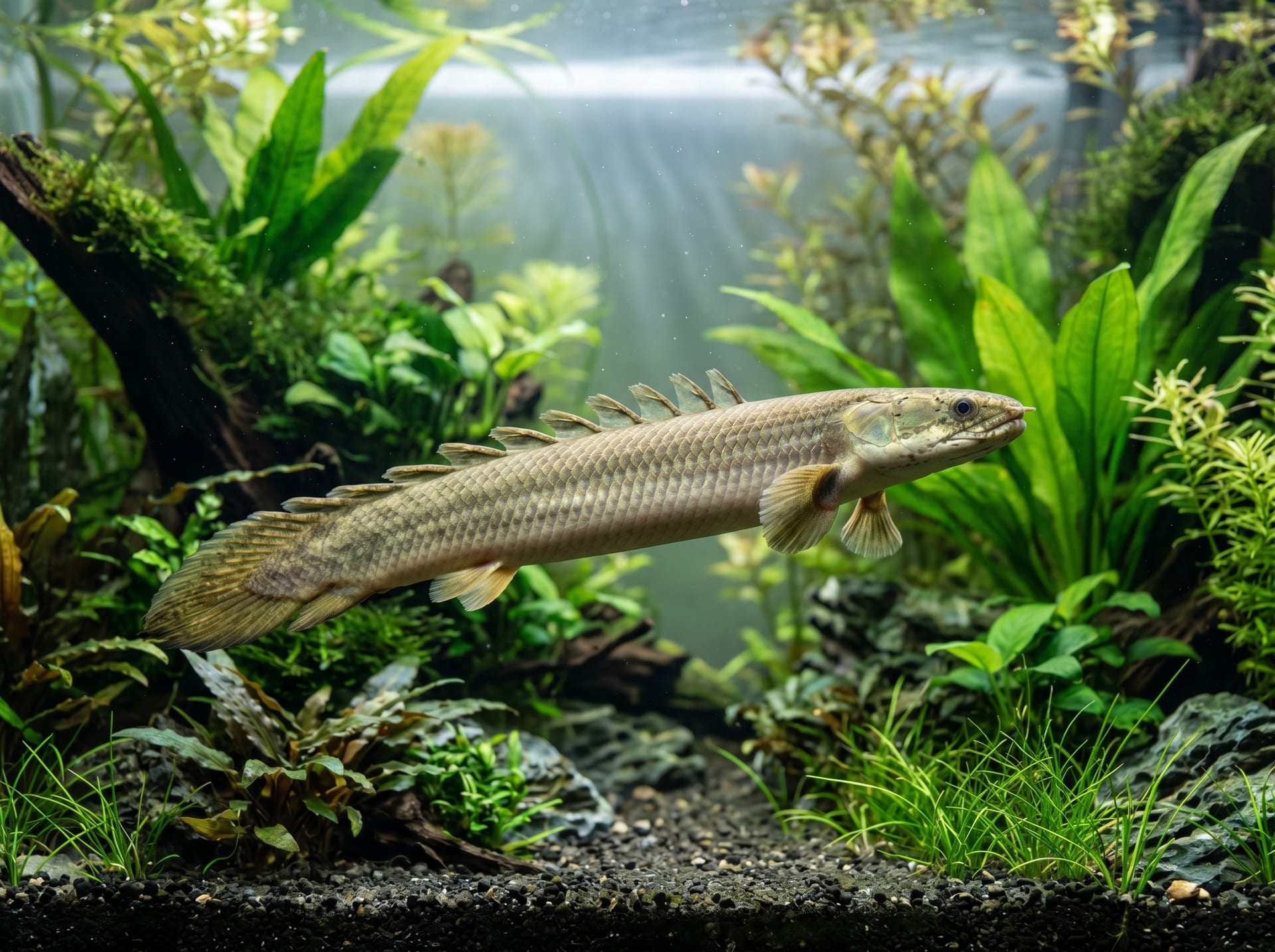
Large carnivorous fish (Arowana, Polypterus, etc.): Often require only 2–3 feedings weekly; daily feeding can lead to obesity.
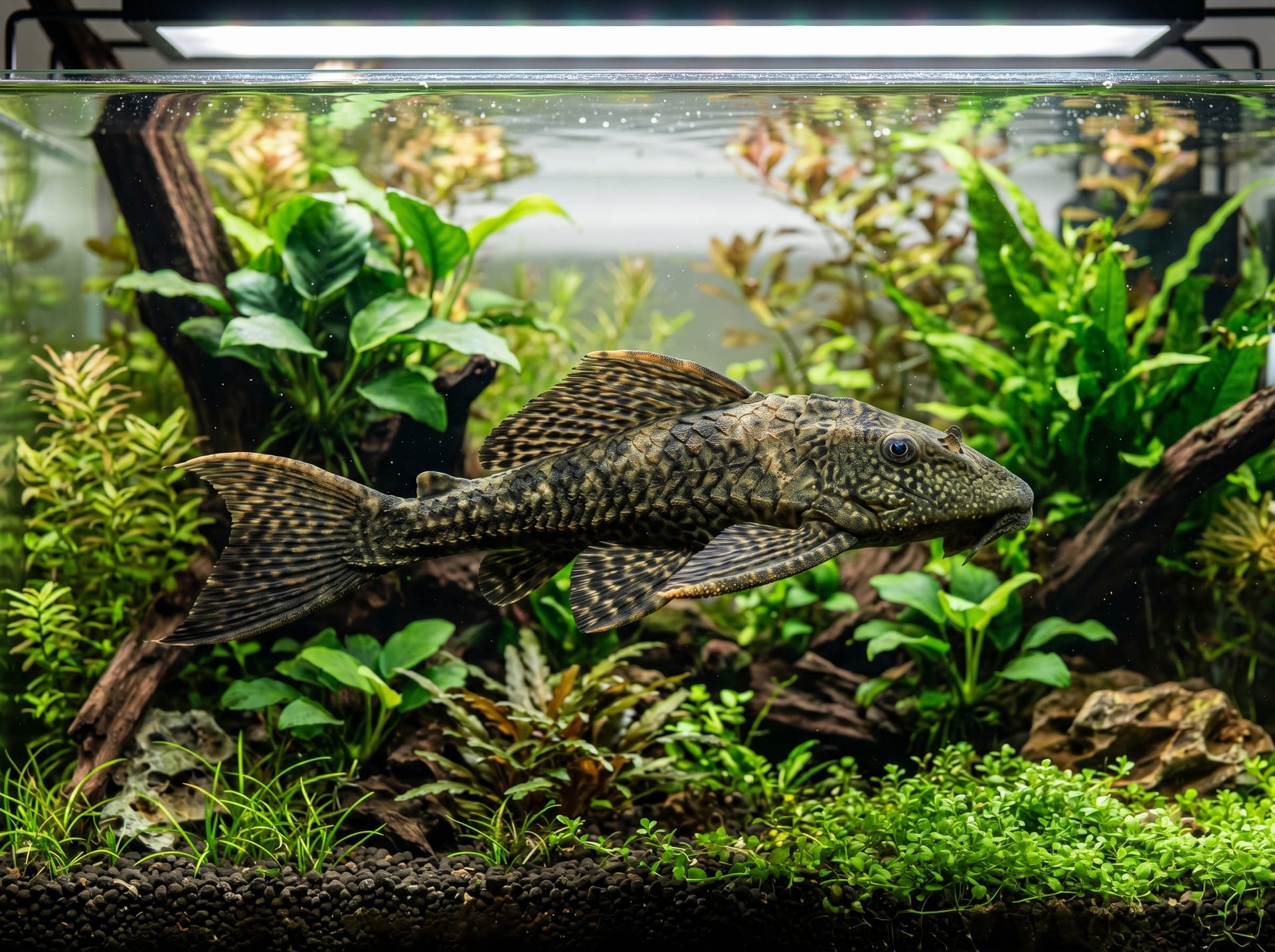
Herbivorous fish (Plecos, etc.): They need to be constantly grazing, so leave driftwood or specialized tablet food available at all times.
Saltwater fish: In addition to flakes or pellets, feeding frozen brine shrimp or mysis shrimp a few times weekly enhances coloration.
Feeding Patterns for Small Animals and Birds
Small animals and birds have high metabolic rates, so any interruption in food supply directly impacts their health. For hamsters, provide approximately 10–15% of body weight daily. Use pellet food as the staple and add seeds and vegetables in small amounts as treats. Since they have a cheek-pouch hoarding habit, checking for leftover food in the cage is essential to gauge actual consumption. For rabbits, provide timothy hay unlimited and estimate pellet portions at 1.5–3% of body weight. Hay is essential for digestive health and tooth wear. For ferrets, keep ferret-specific high-protein, high-fat food constantly available in a free-feeding arrangement. With their high metabolism, interrupted feeding carries the risk of hypoglycemia. For birds, provide pellets or a seed mix at 10–15% of body weight. Offer parrots and macaws fresh fruits and vegetables daily. However, avocado, chocolate, onion, and caffeine are toxic to birds and must never be given.
Growth Stage-Specific Feeding Management Strategy
The optimal nutrient ratios and feeding frequency change dramatically as animals mature. During the juvenile stage, rapid growth requires high-protein, high-calcium diets with increased feeding frequency. Nutritional deficiencies during this period result in stunted growth or skeletal abnormalities later, making it critical to provide quality food in adequate amounts. During the subadult stage, growth slows, so gradually reduce feeding frequency. However, if breeding is planned, proper body development is necessary to reach reproductive maturity. During the adult stage, transition to maintenance feeding, with obesity prevention as the primary concern. Especially in captive environments with limited activity, caloric expenditure is much lower than in the wild, so set feeding amounts conservatively. During the breeding season, females experience a sharp increase in calcium and protein demands for eggs and offspring, requiring adjustment to feeding quantity and nutritional balance. During the senior stage, metabolism decreases further, so reduce feeding amounts while switching to easily digestible food forms.
Utilizing Digital Tools for Feeding Management
Using smartphone apps for feeding management greatly reduces record-keeping effort. Recording feeding time and quantity in an app allows you to analyze correlations with weight changes. For families sharing animal care, using shared apps prevents double feeding.
Feeding refusal, when captive animals stop eating, is one of the most distressing situations for keepers. However, refusal has various causes and is not necessarily serious. Seasonal feeding refusal is a natural phenomenon in many reptiles. Ball Pythons may not eat for several months in winter, and if healthy, there is no cause for concern unless body weight drops significantly. Stress-induced feeding refusal commonly occurs after initial introduction or environmental changes. For the first 1–2 weeks in a new environment, hold off feeding and observe quietly. Pre-shedding feeding refusal is also normal behavior, with appetite returning after shedding completes. Pathological feeding refusal is accompanied by weight loss, reduced activity, and external abnormalities (sunken eyes, dehydration signs). In such cases, promptly consult a veterinarian. Effective remedies include changing food types (crickets to roaches, live food to frozen, etc.), setting temperature to the upper end of the appropriate range, and reviewing lighting cycles. When purchasing animals from BreederDirect, asking the breeder detailed questions about past feeding history and feeding response patterns reduces the risk of refusal in a new environment. Proper nutrition management is the most fundamental investment in extending an animal's healthy lifespan.
Basic Principles and Precautions for Feeding
The basic principle of feeding is "appropriate quantity at proper frequency." Overfeeding increases risks of obesity and digestive disorders, while underfeeding causes stunted growth and reduced immunity. Use 2–5% of body weight as a feeding guideline, though adjustments are necessary based on species, activity level, and season. In winter, many species experience reduced metabolism, so decreasing food quantity or frequency is appropriate.
Summary
Feeding is not "the same amount daily" but should be adjusted according to species, growth stage, and activity level during the season. Reptiles show large frequency changes between juvenile and adult stages, while fish digestive speed varies with water temperature. Two common principles apply across all animals: avoiding uneaten food and consistently recording body composition changes. Tracking weight and appearance progression allows you to judge whether frequency is appropriate based on data rather than subjective impression.