Pet Microchip Requirements and Animal Identification Basics — Registration Steps, Costs, and Covered Species | ブリちょく
General| ✍️ BreederDirect Editorial
Pet Microchip Requirements and Animal Identification Basics — Registration Steps, Costs, and Covered Species
A comprehensive guide to Japan's mandatory pet microchipping law: covered species, registration steps, costs, reader technology, and what existing pet owners need to know.
Key Takeaways
A comprehensive guide to Japan's mandatory pet microchipping law: covered species, registration steps, costs, reader technology, and what existing pet owners need to know.
Pet Microchip Mandates and Individual Identification Basics | Complete Guide to Registration Procedures, Costs, and Applicable Animals
✍️
BreederDirect Editorial
The BreederDirect editorial team specializes in care information for animals, covering veterinary care and breeding to deliver beginner-friendly guides.
Find Breeders on BreederDirect
Buy directly from verified breeders
Related Articles
Browse by Category
🪸Coral
🐠Marine Fish
🐟Tropical Fish
🐡Goldfish
🐟Medaka
🦎Reptiles
Share
When you first start keeping a pet, have you ever wondered, "What exactly should I do about microchipping?" Since June 2022, when the revised Animal Protection Law came into effect, microchip implantation has been mandated for dog and cat breeders and sellers. However, there are many lesser-known aspects, such as which animals are covered, how to handle pets you already own, and the benefits of implanting microchips in reptiles, birds, and other non-canine/feline species.
This article systematically explains everything you need to know about pet individual identification—from how microchips work to registration procedures, costs, and their relationship to direct breeder sales.
---
What Is a Microchip?
A microchip is a cylindrical electronic identification device approximately 2mm in diameter and 12mm in length. Inside, an IC chip and antenna are sealed. When read with a dedicated reader, it displays a unique 15-digit number.
Basic Mechanism
No battery required: Uses passive technology where the IC chip activates from electromagnetic waves transmitted by the reader
Biocompatibility: Coated in biocompatible glass, it resists degradation within the body
Lifespan: Theoretically operates indefinitely. No battery means no risk of power depletion
Reading distance: Simply hold the dedicated reader a few centimeters from the animal's body surface for recognition
Implantation uses a syringe-like injector to insert the microchip subcutaneously. For dogs and cats, the standard implantation site is the back of the neck (subcutaneous space between the shoulder blades).
---
The Amended Animal Protection Law and Microchip Mandate Background
History of the Mandate
The 2019 Animal Protection Law revision established the following rules, effective June 1, 2022.
Target
Obligation
Dog and cat sellers (breeders, pet shops)
Microchip implantation mandatory before sale
General pet owners (new acquisition)
Registration transfer mandatory after purchase/receipt
General pet owners (existing pets)
Microchip implantation is a best-effort obligation
Purpose of the Mandate
Lost pet and disaster identification: Unlike collars or ID tags, there's no risk of loss or damage
Deterrence of animal abandonment: Linking individuals to owners prevents irresponsible abandonment
Avoidance of ownership disputes: Proof of ownership during theft or disappearance
Transparency in breeding management: Enables tracking of breeder animals and prevents overbreeding
---
Implantation Procedure and Process
Step 1: Implantation at an Animal Hospital
Only veterinarians can implant microchips. The procedure can typically be done during regular clinic hours and takes just a few minutes.
Pre-implantation health check (procedure may be postponed if the animal is unwell)
Subcutaneous insertion with a dedicated injector
Immediate verification with a reader after insertion
Pain level similar to a routine injection. Anesthesia typically not required
Step 2: Registration with the Designated Registration Authority
After implantation, register the chip with Japan's environmental ministry–designated registration organization (the Japan Veterinary Medical Association's "Microchip Information Registration for Dogs and Cats" website) online.
Required Registration Information
- Microchip identification number
- Owner's name, address, and telephone number
- Animal's species, breed, coat color, sex, and date of birth
- Information about the veterinary clinic that performed the implantation
Step 3: Preserving the Registration Completion Certificate
Once registration is complete, a certificate (PDF) is issued. Keep this certificate carefully, as you'll need it in the following situations:
Dog registration under the Rabies Prevention Law (alternative to municipal notification)
Registration transfer during sale or rehoming
Owner address changes
---
Cost Estimate
Item
Cost Range
Microchip implantation fee (animal hospital)
¥3,000–¥10,000 (varies by facility)
Registration fee (online)
¥300
Registration fee (paper application)
¥1,000
Registration transfer fee
¥300 (online)
Implantation costs vary by veterinary hospital, but typically around ¥5,000. If performed simultaneously with neutering/spaying or health checkups, you can reduce the number of clinic visits.
---
Microchips for Animals Other Than Dogs and Cats
No Legal Obligation, but Implantation Benefits Are Significant
Under current law, microchip implantation is mandated only for dogs and cats. However, cases of microchipping reptiles, birds, and small animals are increasing.
Reptiles
- Species listed in CITES (Convention on International Trade in Endangered Species) Appendix I may require microchip-based individual identification for international trade
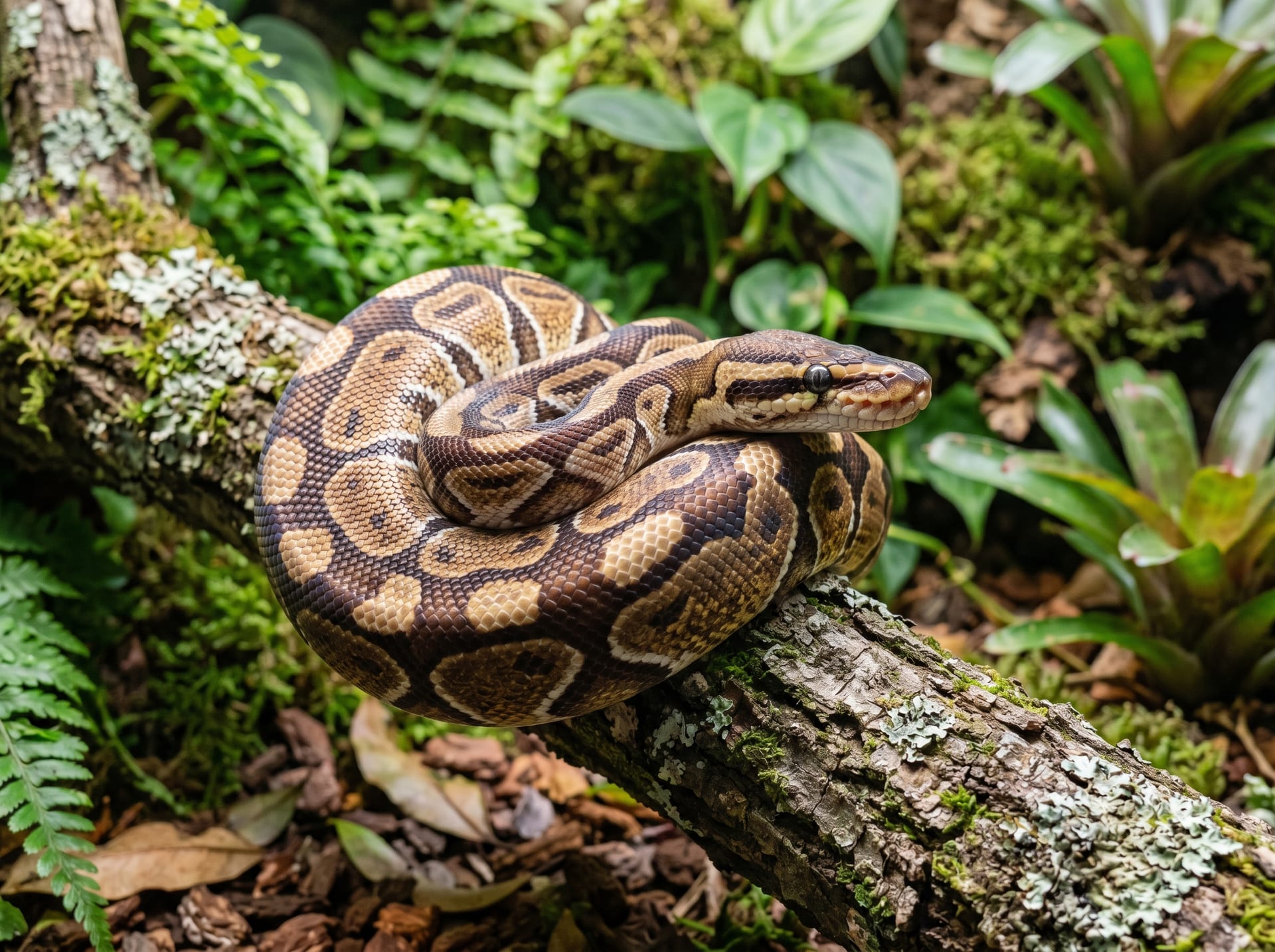
- High-value individuals like ball pythons, chameleons, and monitor lizards benefit from microchip implantation as theft prevention
- Reptiles are difficult to identify by appearance alone, making microchips useful for bloodline management
Birds
- Large parrots and psittacids can live 50+ years, making them ideal for long-term individual management
- Leg bands can fall off, so microchips serve as a reliable backup identification method
- Useful for documenting ownership of high-value rare species
Small Animals
- Ferrets, chinchillas, rabbits, and other small animals can be implanted, though extremely tiny individuals may not be suitable
- Consult with a veterinarian to determine whether implantation is appropriate
Individual Identification for Plants
Plants are not implanted with microchips, but other methods manage high-value specimens like rare agaves and caudexes.
Tag and label management: Attach tags to pots with species names, acquisition dates, and parent plant information
Photo documentation: Periodically photograph distinctive variegation or form and maintain digital records
Numbering systems: Assign collection numbers and manage them centrally via spreadsheet or app
---
Direct Breeder Sales and Microchips
When purchasing livestock directly from a breeder, confirm the following microchip-related points for a smooth transaction.
For Dogs and Cats
Since June 2022, dog and cat breeders have been legally required to implant microchips before sale. The chip should already be in place at the time of purchase.
What Buyers Should Do
1. Obtain the microchip identification number and implantation certificate
2. Submit a registration transfer with the designated registration authority (within 30 days)
3. Keep the registration completion certificate
For Reptiles, Birds, and Other Livestock
While not legally required, for high-value or rare species, we recommend confirming the following with the breeder before purchase:
Whether the animal has a microchip
If implanted, how the identification number will be transferred
If not implanted, whether the animal can be implanted after purchase (whether your local veterinary clinic can handle it)
On Br-choku, you can message breeders directly before purchase, allowing you to verify detailed information about the animal, including microchip status.
---
Frequently Asked Questions About Microchips
Q. Can the microchip migrate within the body?
This is rare, but when it occurs, the chip typically remains near the implantation site. Within a few days, surrounding tissue stabilizes the chip, making significant migration extremely uncommon.
Q. Does it interfere with MRI or X-ray exams?
Standard microchips don't interfere with MRI or X-ray examinations. However, minor imaging artifacts (noise) may appear around the chip area during MRI. Inform your veterinarian of the chip's presence before any examination.
Q. Does it have GPS tracking capability?
No. Microchips work only when a dedicated reader recognizes the number—they don't transmit location data. If real-time tracking is necessary, use a GPS-enabled collar or separate tracker device.
Q. Should I implant a microchip in a pet I already own?
While legally a best-effort obligation, implantation is strongly recommended. If your pet is lost or escapes and is found, a microchip ensures reunion with you even if the collar has fallen off. The 2011 Tōhoku earthquake and 2016 Kumamoto earthquake both saw numerous cases where microchips reunited pets with their owners.
---
Summary
The microchip is a foundational system supporting your pet's safety and your peace of mind.
When purchasing dogs or cats, breeders handle implantation → don't forget to transfer registration
For reptiles, birds, and small animals, implantation is optional but worthwhile for high-value or rare species
For plants, use tags, photos, or numbering for individual management
Update registration information whenever you move or ownership changes
On Br-choku, you can purchase livestock directly from certified breeders and verify microchip status and individual history before purchase. If you're seeking a safe, reliable way to welcome a new animal, try Br-choku.
For those considering pet-friendly housing, sumuie helps you find pet-friendly rentals. If you're interested in investing in pet-friendly properties, shueki provides the latest information.