Ventilation and Air Quality Guide for Pet and Plant Rooms — Creating an Ideal Indoor Environment
How poor ventilation harms pets and plants, and practical air quality management: ventilation rates, air purifier selection, mold prevention, and seasonal tips.
Key Takeaways
How poor ventilation harms pets and plants, and practical air quality management: ventilation rates, air purifier selection, mold prevention, and seasonal tips.
Related Species
Pet Room Ventilation & Air Quality Management Guide: How to Create an Indoor Environment Suitable for Pets and Plants
While many pet and plant owners pay careful attention to temperature and humidity control in their raising rooms, "ventilation" and "air quality" often take a backseat. However, in sealed raising rooms, ammonia, volatile organic compounds (VOCs), mold spores, and fine dust accumulate, becoming causes of respiratory diseases in pets, plant diseases, and allergies in the owners themselves.
This article explains specific measures to maintain proper air quality in your raising environment.
Why Air Quality in Raising Rooms Matters
Effects on Pets
Animals have smaller bodies than humans and breathe more per unit of body weight, making them more susceptible to airborne harmful substances.
Reptiles and Amphibians
- Even in closed-type terrariums, insufficient ventilation allows ammonia from waste to accumulate inside
- High ammonia concentrations increase the risk of respiratory infection (RI)
- Species that prefer high humidity, such as chameleons and poison dart frogs, are particularly prone to mold issues
Birds
- Birds have a unique respiratory system with "air sacs" that efficiently absorb airborne harmful substances
- PTFE gas (polytetrafluoroethylene) released when using Teflon-coated frying pans at high temperatures is fatal to birds
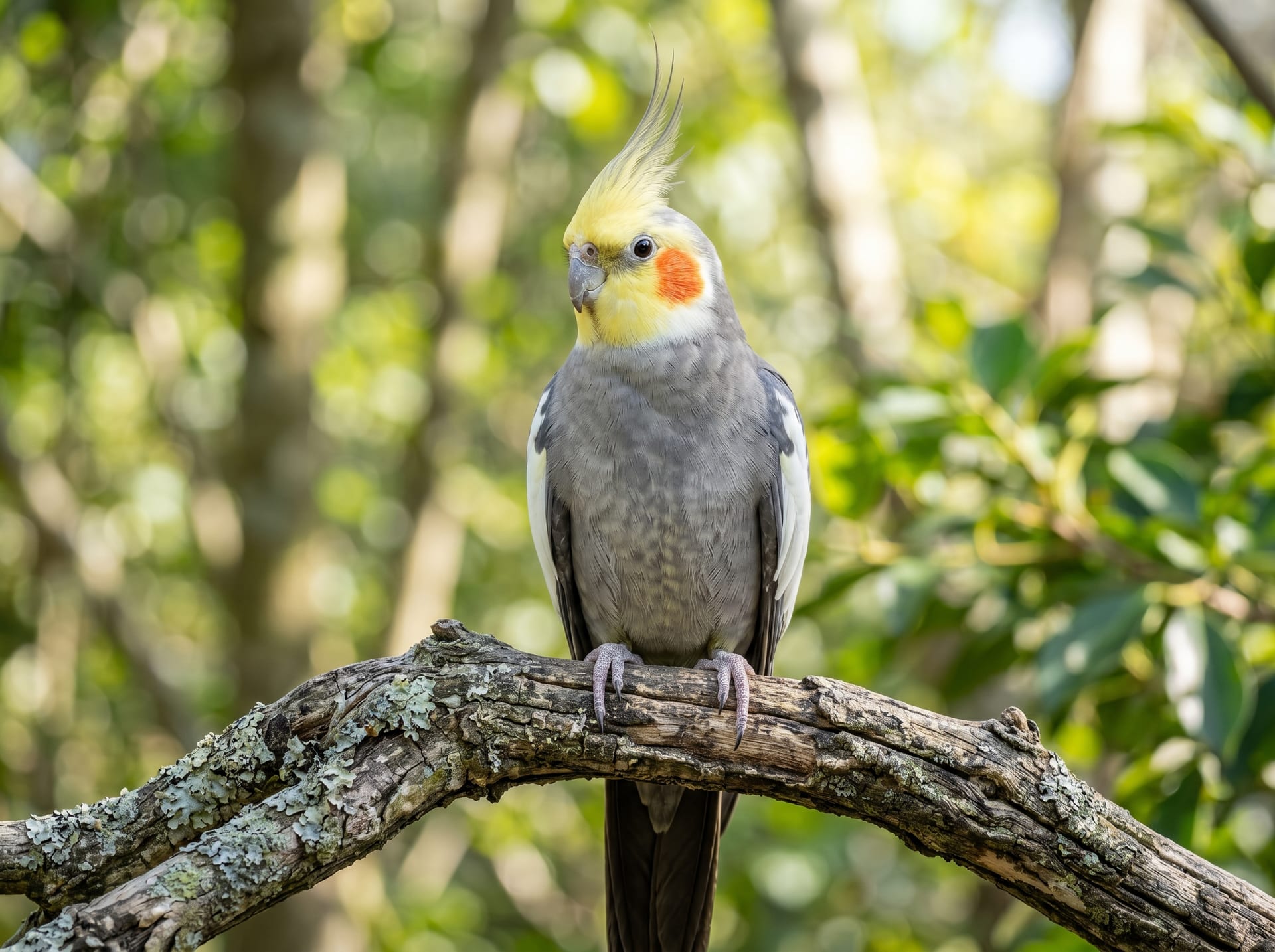
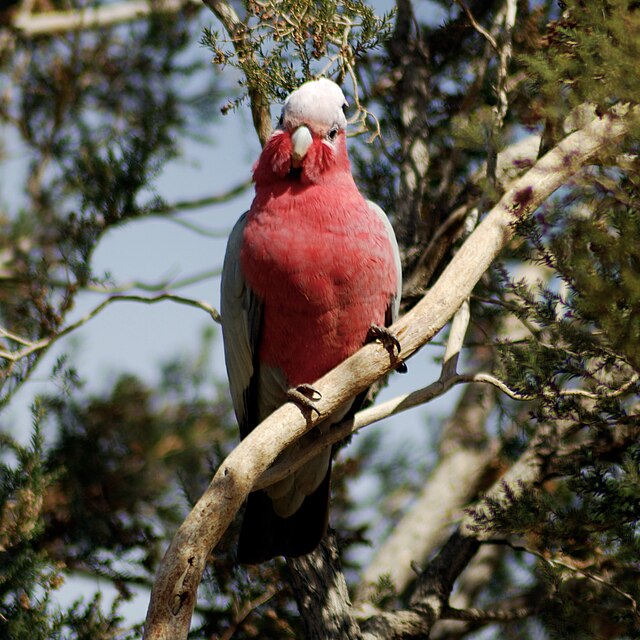
- Powder-producing birds like Cockatiel and Rose-breasted Cockatoo release large amounts of dander (feather powder), posing respiratory risks to both the birds and owners
Dogs, Cats, and Small Mammals
- Dogs and cats have olfactory senses several times to tens of thousands of times more sensitive than humans, making strong fragrances and essential oils a stress factor
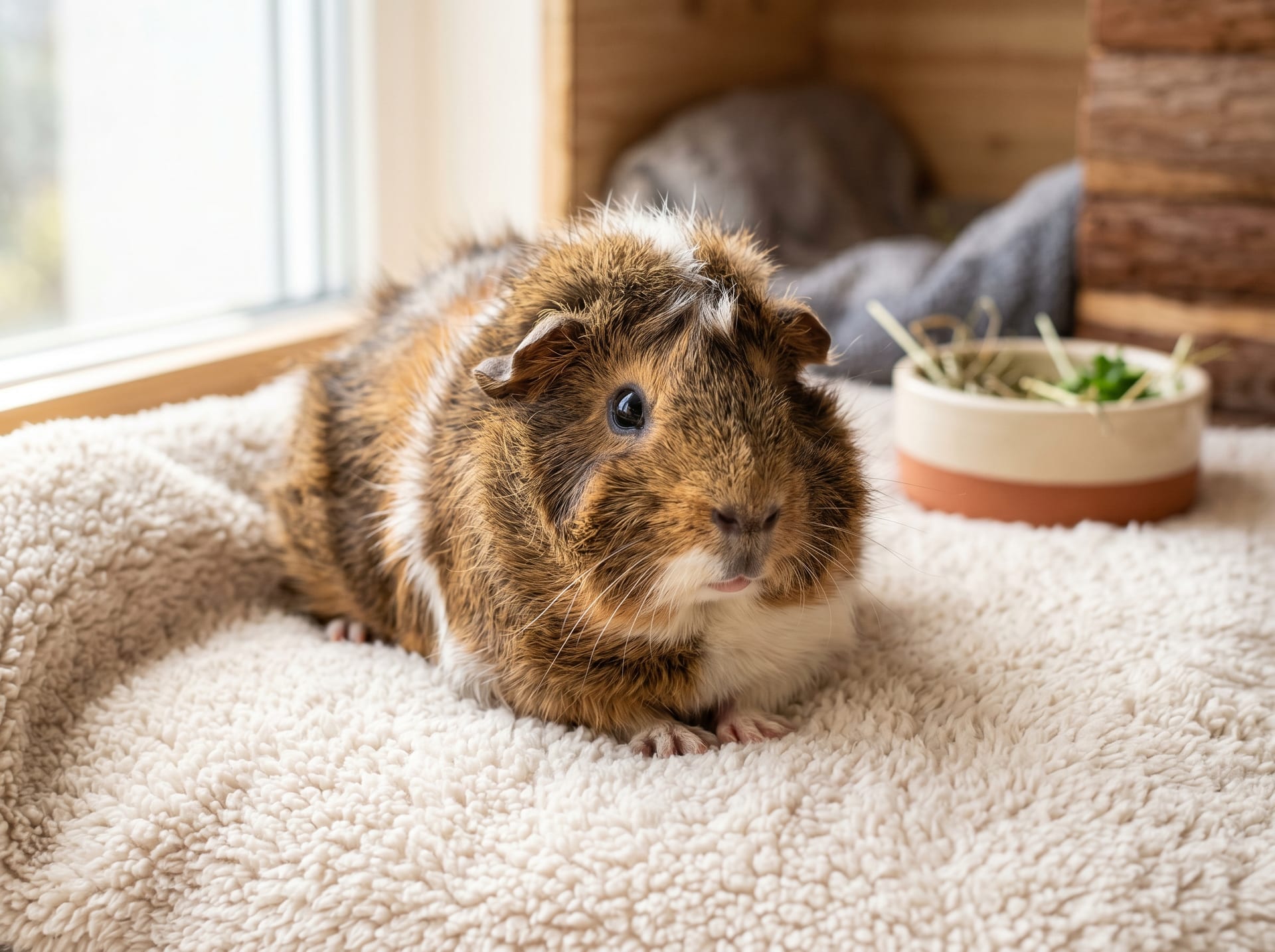
- Fine dust from wood chip bedding puts a strain on the respiratory systems of hamsters and guinea pigs
- Dust from cat litter and ammonia from waste are reported to be linked to lower urinary tract disease in cats
Effects on Plants
Plants require carbon dioxide (CO2) for photosynthesis, but air quality issues in raising rooms extend beyond CO2 deficiency.
- High humidity stagnation from poor ventilation: Increased risk of gray mold (Botrytis) and powdery mildew
- VOCs (Volatile Organic Compounds): VOCs from paint, adhesives, and insecticides can damage plant leaves
- Lack of air circulation: Without wind, plant transpiration becomes sluggish, becoming an indirect cause of root rot
Effects on the Owner
The raising room air quality also affects the owners themselves.
- Pet dander and feather powder become allergens, causing allergic rhinitis and asthma
- Mold spores can cause hypersensitivity pneumonitis
- Continuous ammonia exposure causes headaches, eye irritation, and fatigue
Basics of Ventilation in Raising Rooms
Natural and Mechanical Ventilation
Natural Ventilation A method of exchanging air by opening windows and doors. While simplest, it's difficult to control temperature and humidity, and has the drawback of pollen and insect infiltration.
- Aim for 10-15 minute ventilation 2+ times daily during mild morning and evening hours
- Opening windows in two directions and allowing air to flow diagonally is most efficient
- Window screens can prevent insect entry while ventilating
Mechanical Ventilation A method using exhaust fans or duct fans to forcibly exchange air.
- In apartments with 24-hour ventilation systems, keeping intake vents open is essential
- Installing a small duct fan (100-150mm diameter) allows ventilation without opening windows
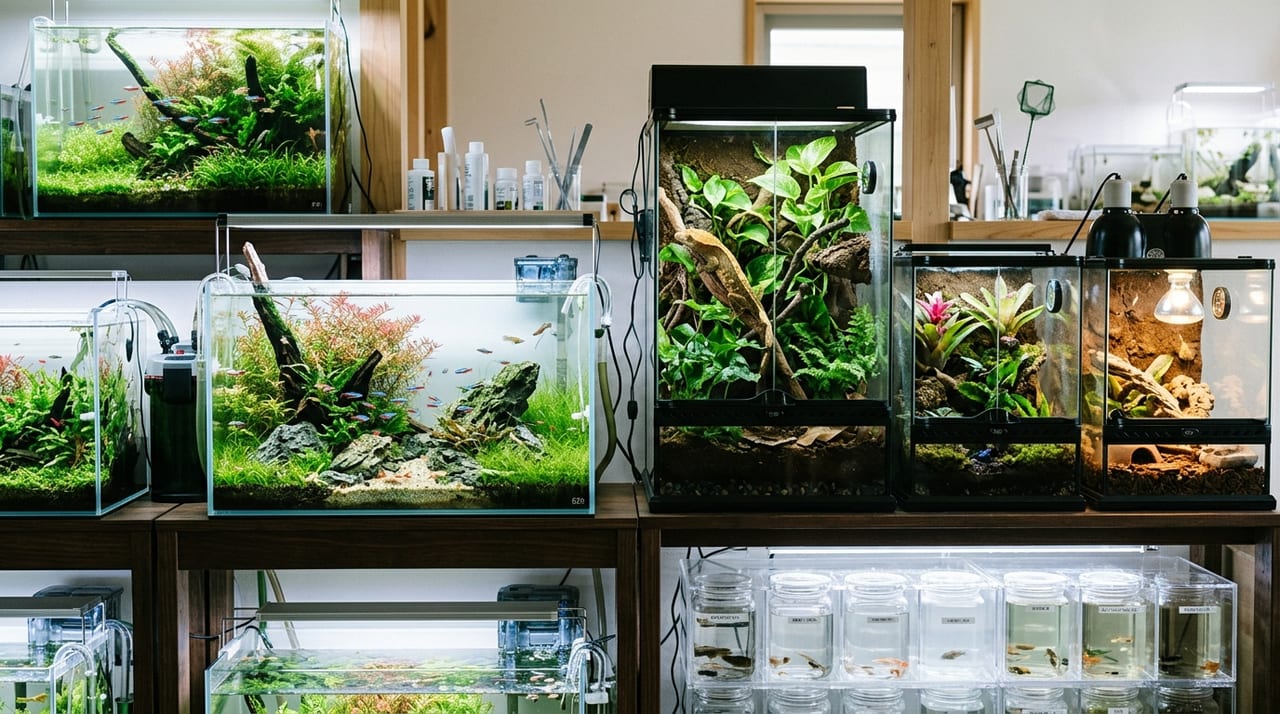
- In rooms with many aquariums, combining exhaust via fans with intake from separate routes also prevents condensation
Air Exchange Rate Guidelines
Building codes specify a minimum of "0.5 air changes per hour" for habitable spaces, but this may be insufficient for rooms with pets.
| Raising Environment | Recommended Air Changes per Hour |
|---|---|
| 1-2 dogs/cats | 0.5-1 |
| Multiple small mammals | 1-2 |
| Multiple reptile terrariums | 1-2 |
| Multiple birds | 2-3 |
| Aquarium room | 1-2 |
| High-humidity plant cultivation room | 2-4 |
1 air change = all air in the room completely replaced in one hour
Choosing Air Purifiers
Filters Suited for Pet Environments
When selecting an air purifier, three performance features are particularly important for raising environments:
1. HEPA Filter (High Efficiency Particulate Air)
- Captures 99.97%+ of particles 0.3μm and larger
- Effective against pet dander, feather powder, and mold spores
- Essential if keeping birds
2. Activated Carbon Filter
- Adsorbs gaseous substances like ammonia and VOCs
- Effective against odors from waste and cage areas
- Requires regular replacement (every 3-6 months)
3. Coverage Area
- Select a model with 1.5-2 times the coverage area of your room to allow comfortable filter processing speed
- Example: For a 6-tatami raising room, a model with "10-12 tatami coverage" is recommended
Features to Avoid
- Ion and Ozone Generators: Types that release trace amounts of ozone may negatively affect the respiratory systems of birds and small mammals. For pet rooms, choose non-ozone emitting types
- Aroma Functions: Essential oils often contain components harmful to dogs, cats, and birds. Avoid using aroma functions in pet rooms
Humidity Management and Mold Prevention
Humidity and Raising Environments
| Pet/Plant | Recommended Humidity |
|---|---|
| Dogs/Cats | 40-60% |
| Hamsters/Rabbits | 40-60% |
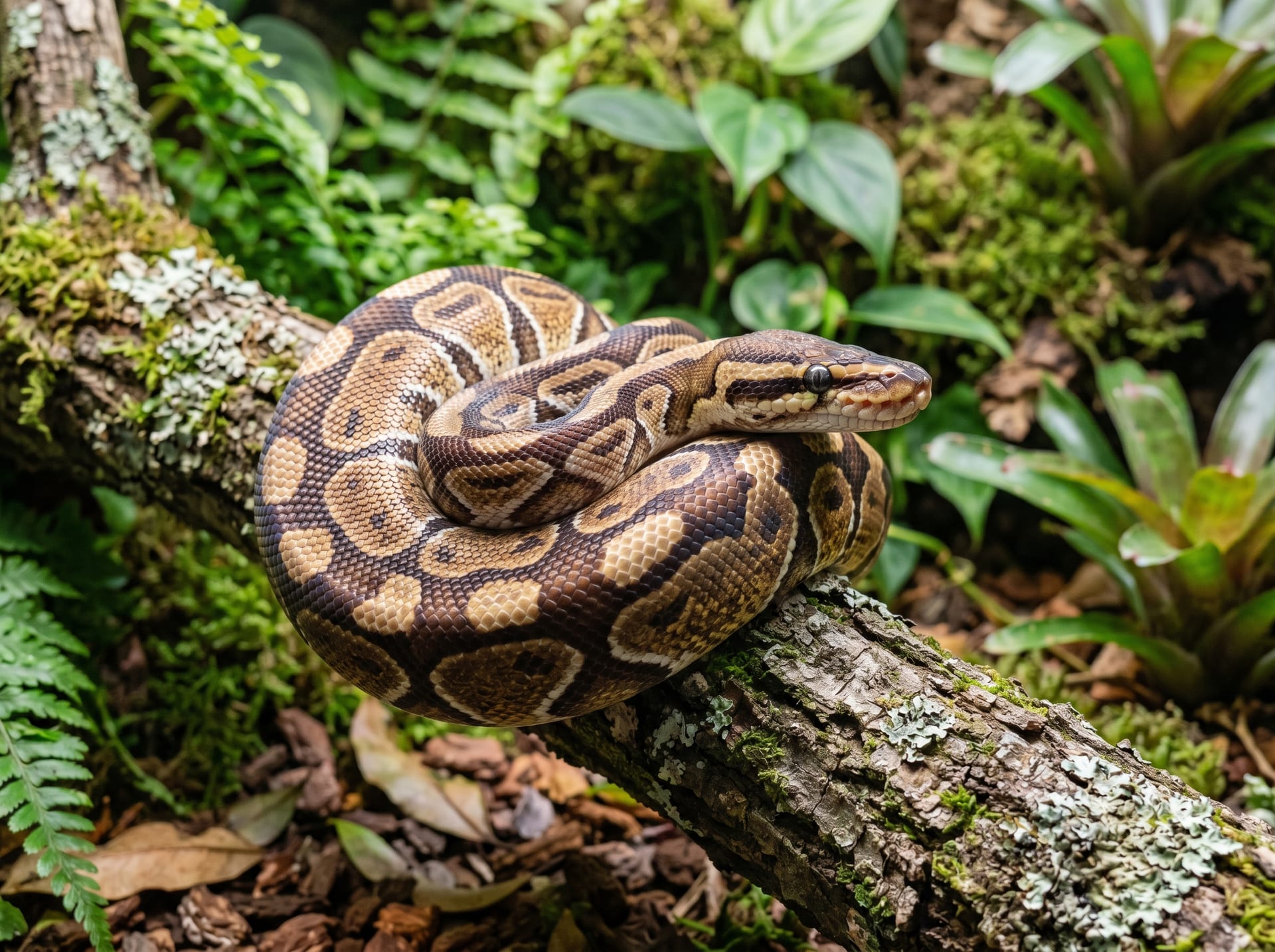
| Ball Python | 50-70% |
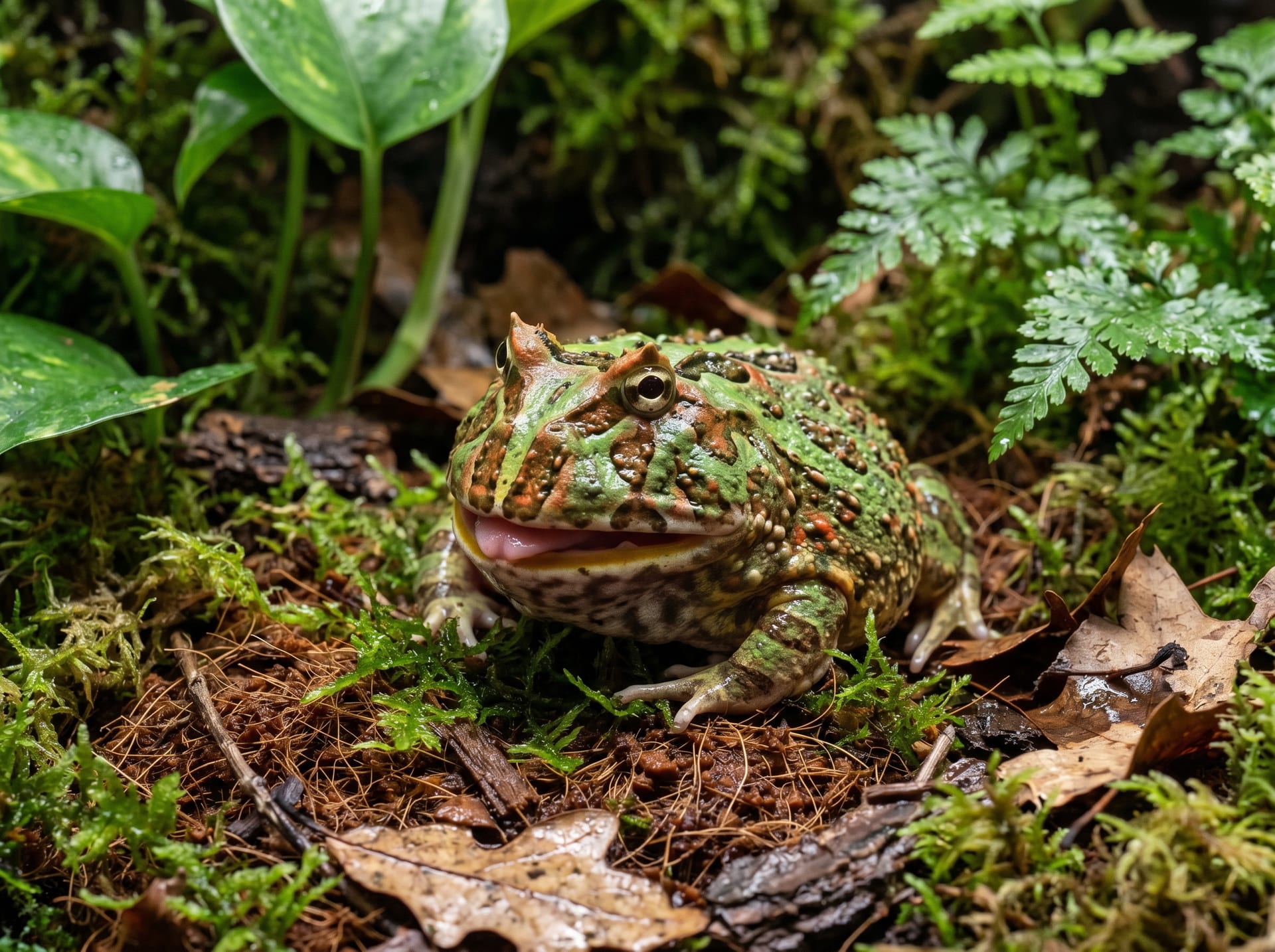
| Horned Frog | 60-80% |
| Chameleon | 60-80% |
| Room with tropical fish tank | 50-70% (from water surface evaporation) |
| Houseplants | 50-70% |
| Succulents/Agave | 30-50% |
Mold Growth Conditions
Mold rapidly reproduces when "temperature 20-30°C," "humidity 60%+," and "organic matter (food/waste)" are all present. Raising rooms easily meet all three conditions.
Mold Prevention Strategies
- Dehumidifier Use: Compressor-type dehumidifiers are effective in aquarium and frog rooms. Desiccant types raise room temperature, making them unsuitable for summer
- Circulate Air with Fans: Mold easily grows in stagnant areas like wall corners and under shelves. Small circulating fans significantly reduce mold by moving air
- Condensation Prevention: Leaving window condensation causes mold. Window insulation film or condensation prevention sheets are effective
- Regular Cleaning: Wipe cage surroundings, walls, and floors weekly with alcohol or hypochlorous acid solution. Clean AC filters monthly
Unique Challenges in Aquarium Rooms
When multiple aquariums are installed, water surface evaporation can raise room humidity to 60-80% constantly.
Solution Points
- Install Aquarium Lids: Significantly reduces evaporation. Glass lids are most effective but balance lighting transmission
- Install Exhaust Fans: Forcibly exhaust humid air and intake dry outside air
- Waterproof Wall Treatment: Walls behind aquariums are prone to condensation and mold. Prevent with anti-mold paint or sheets
- Lighting Fixture Moisture Protection: In high-humidity environments, LED fixture terminals easily corrode. Select waterproof/moisture-resistant lighting or protect terminals with silicone sealant
Air Management in Plant Cultivation Rooms
Importance of Air Circulation
Moderate air movement provides plants with:
- Stem Strengthening: Wind movement thickens stems, preventing lodging
- Promoting Transpiration: Reduced humidity around leaves activates transpiration, promoting water absorption from roots
- Disease Prevention: Quickly dries leaf surface moisture, preventing gray mold and downy mildew
- CO2 Equalization: Uniform room-wide CO2 concentration increases photosynthesis efficiency
Practical Air Circulation Methods
- Bounce air from fans indirectly off walls or ceilings rather than directly on plants
- Wind speed should be just enough to slightly rustle leaves. Excessive wind causes leaf drying and physical damage
- Use timers for intermittent operation (15 min ON / 15 min OFF) to save electricity while maintaining effectiveness
Odor Management
Solutions by Odor Source
| Odor Source | Solution |
|---|---|
| Waste (dog/cat toilet, cage bedding) | Frequent cleaning + air purifier with activated carbon |
| Aquarium water (hydrogen sulfide from anaerobic bacteria) | Substrate cleaning + proper filtration + water change frequency review |
| Food (crickets, dubia roaches, live food) | Store in sealed containers + remove uneaten food after feeding |
| Wood chips, palm husks, bedding | Regular replacement + humidity control to reduce bacterial growth |
| Fertilizers/liquid fertilizers (plants) | Store organic fertilizers in sealed containers. Enhance ventilation after application |
Choosing Deodorizers
- Pet Deodorizing Sprays: Choose products safe if licked by pets. Products safe for dogs/cats may not be safe for reptiles or birds
- Fragrances/Aromas: Merely mask odors without solving root causes. Additionally, essential oil components may be harmful to pets
- Hypochlorous Acid Water: At proper concentration (50-200ppm), it provides high deodorizing and disinfection effects with relatively good pet safety. Watch for metal component corrosion
Seasonal Ventilation Tips
Spring
With pollen flying, windows are harder to open, increasing reliance on air purifiers. HEPA filters capture pollen, providing dual benefits for pet and pollen control.
Summer
AC use often means sealed windows, but complete sealing causes air stagnation. Running AC with 24-hour ventilation intake vents open is standard. Dehumidifier use is effective as humidity increases easily.
Fall
A relatively comfortable season making natural window ventilation easier. This is the time to clean AC filters, air purifier filters, and exhaust fans to prepare for winter.
Winter
Rooms seal for heating, with humidity dropping sharply. When using humidifiers, over-humidifying causes window condensation leading to mold, so monitor with a humidity meter. Avoid open-type heaters like fan heaters in rooms with aquariums or birds—use AC or panel heaters instead.
Air Quality Monitoring Tools
Recently, affordable sensors that simultaneously monitor CO2, temperature, and humidity are increasingly available.
- CO2 Monitor: Levels exceeding 1,000ppm indicate insufficient ventilation. Also useful as a guide for photosynthesis efficiency in plant cultivation rooms
- Temperature/Humidity Data Logger: Records 24-hour fluctuations for optimizing AC and dehumidifier settings
- Air Quality Monitor with PM2.5 Sensor: Particularly useful for visualizing dust concentration in rooms with birds
Summary
Air quality management in raising rooms is an essential element for protecting the health of pets and plants, and the comfort of owners.
- Ventilation basics: window opening twice daily or continuous mechanical ventilation
- Select air purifiers with HEPA + activated carbon filters
- Control humidity for your target to prevent mold growth
- Addressing odor sources is the shortcut to fundamental air quality improvement
- Using CO2 monitors and temperature/humidity loggers makes maintenance significantly easier
At BreederDirect, you can hear detailed raising environment information directly from breeders, allowing you to prepare appropriate ventilation and air quality management before welcoming your new pet. When bringing home a new animal, pay attention not just to temperature and humidity, but to air circulation as well.
For those considering welcoming pets in pet-friendly apartments, you can search for pet-friendly rentals on sumuie (Sumuie). For those interested in investing in pet-friendly properties, check out the latest information on shueki (Shueki).