Freshwater stingrays (Potamotrygon genus: Potamotrygon spp.) are cartilaginous fish inhabiting the Amazon River basin in South America, representing a distinct evolutionary lineage from saltwater stingrays. Their rounded, flattened bodies and distinctive patterns make them highly popular in the aquarium hobby. However, the venomous spine on the tail is extremely dangerous, requiring substantial knowledge and caution for safe keeping.
| Item | Details |
|---|
| Family | Potamotrygonidae |
| Representative Species | P. motoro, P. leopoldi, P. orbignyi, and others |
| Disc Width | 20–80 cm depending on species |
| Lifespan | 10–25 years |
| Difficulty Level | Advanced (★★★★☆) |
| Toxicity | The venomous spine on the tail is highly toxic. Stings cause intense pain |
Regulatory Considerations
Regulatory status varies by species.
- CITES (Convention on International Trade in Endangered Species): Some Potamotrygon species are listed in Appendix II. Import documentation is required.
- Invasive Species Act (Japan): As of 2026, Potamotrygon species are not designated as specified invasive species; however, release into the wild is strictly prohibited.
- Verify documentation and import permits with the seller before purchase.
Required Equipment
Tank Size
Freshwater stingrays require ample swimming space. Ensure tank width is at least 3–4 times the disc width.
| Disc Width | Recommended Tank Width |
|---|
| Up to 20 cm (juveniles) | 120 cm or larger |
| 20–40 cm (medium) | 150–180 cm |
| 40 cm+ (large species) | 180–240 cm |
Tank depth should be 30–45 cm. If too shallow, they cannot swim freely; if too deep, they cannot burrow into the substrate.
Filtration and Aeration
- Combination of hang-on filter and canister filter is ideal.
- Filtration should turn over 3–5 times the tank volume per hour.
- Aeration is essential to maintain dissolved oxygen.
- Since stingrays burrow in substrate, undergravel filters that disturb sediment are unsuitable.
Substrate
- Fine sand (river sand, play sand): Grain size of 1–2 mm or smaller is ideal.
- Since they burrow, substrate should be layered deeply (5–10 cm).
- Gravel and stones damage the body and must not be used.
Water Quality Management
Water Parameters
| Parameter | Target Range |
|---|
| Temperature | 26–28°C |
| pH | 6.0–7.0 (maintain slightly acidic) |
| Hardness (GH) | 1–8 dGH (soft to moderate) |
| Nitrate (NO₃) | 20 ppm or less (ideally ≤10 ppm) |
| Ammonia | Undetectable |
Freshwater stingrays are adapted to the soft, slightly acidic water of the Amazon River. In areas with hard tap water, consider using RO (reverse osmosis) water.
Water Change Frequency
- Perform 30–50% water changes weekly.
- They are voracious eaters and pollute quickly. Inadequate water changes are the leading cause of disease.
- Always acclimate new water to match temperature and pH before adding (avoid temperature shock).
Feeding and Food
Preferred Foods
Freshwater stingrays are benthic carnivores that prefer animal-based foods.
| Food Type | Description |
|---|
| Frozen bloodworm | Ideal staple food; excellent feeding response |
| Frozen shrimp (e.g., red-legged shrimp) | Protein-rich; 2–3 times weekly |
| Live dojo loach or medaka | Use as live bait for reluctant feeders |
| Sinking carnivore pellets | Accepts prepared foods with acclimation |
Feeding Tips
- Feeding at night or in low light improves feeding response (reflects nocturnal behavior).
- Use a dropper or tweezers to place food directly on the substrate.
- Remove uneaten food immediately (prevents water quality degradation).
- Juveniles: feed twice daily; adults: feed once daily.
Addressing Feeding Refusal
Newly introduced stingrays often refuse food. Use live or frozen bloodworms to acclimate them, then gradually transition to frozen and prepared foods.
Venomous Spine (Spine) Safety
The tail of freshwater stingrays bears a serrated venomous spine.
- Stings cause severe pain, swelling, and tissue necrosis. Rarely, they can be life-threatening.
- Spine removal (despining): Some individuals have the tip removed, but the spine regenerates and cannot be permanently prevented.
- Always wear thick rubber gloves when working in the tank.
- Net chasing is dangerous; minimize handling.
- If stung, immediately immerse the wound in 40–50°C hot water (denatures the venom protein) and seek emergency medical care at once.
Tank Mates
Compatible Tank Mates
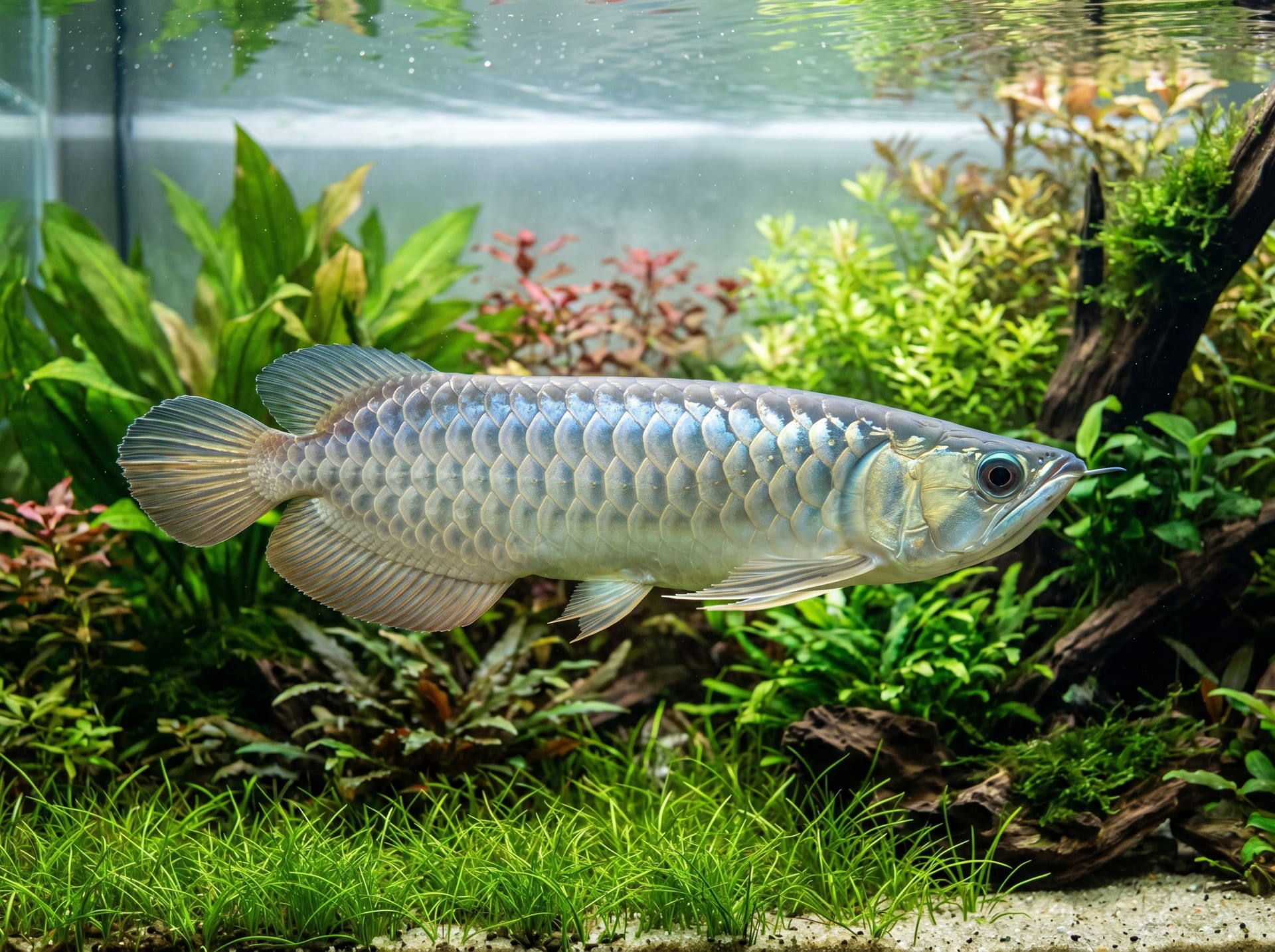
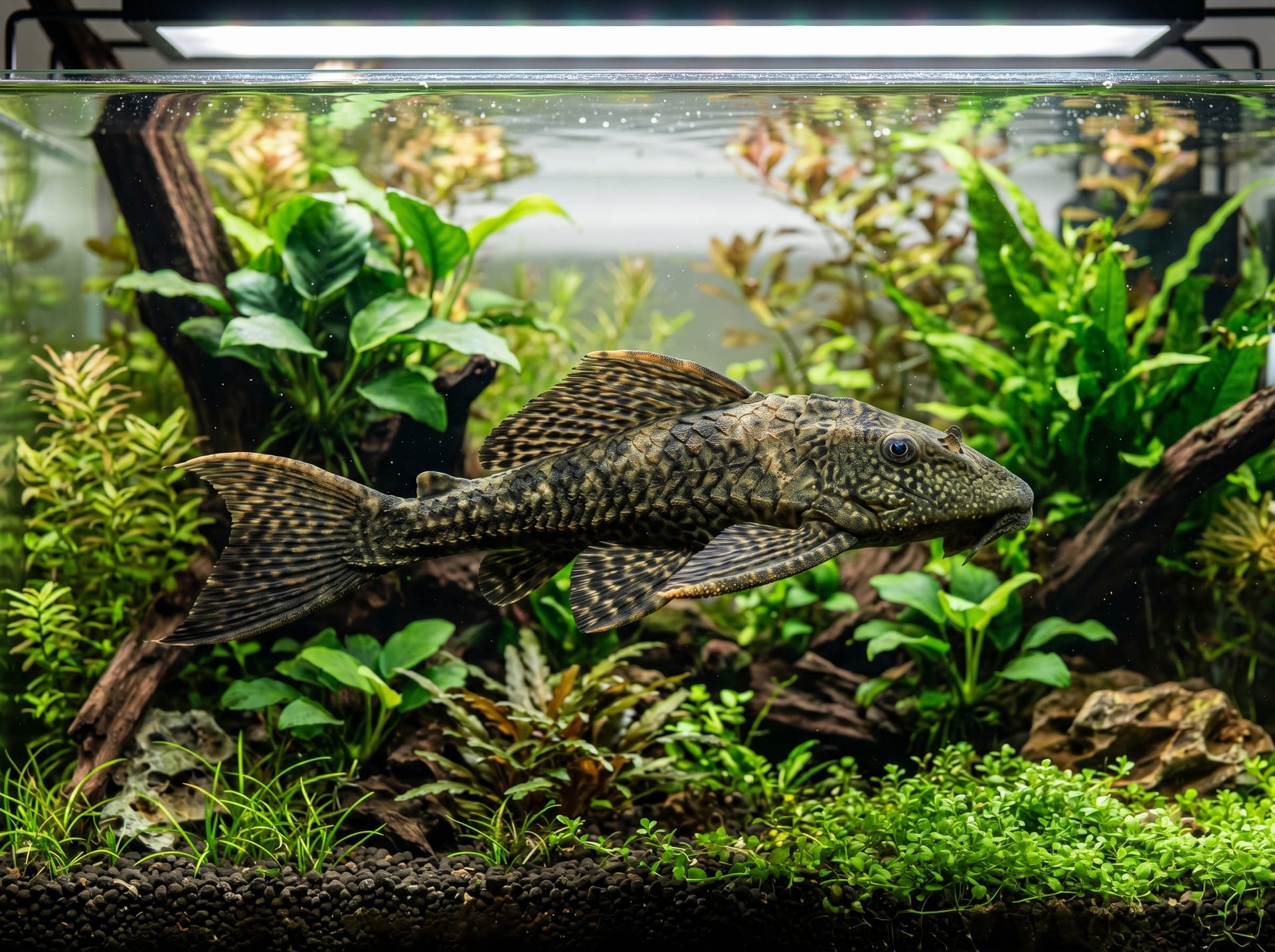
- Large peaceful fish: Arowana (if similar in size) and large plecos (can share the bottom zone without conflict).
- Only if ample swimming space is available.
Incompatible Tank Mates
- Other stingrays (territorial disputes and spine injuries).
- Small fish (will be eaten).
- Aggressive large cichlids.
Breeding
Freshwater stingrays are ovoviviparous, with females giving birth to live young.
Breeding Conditions
- Temperature: Maintain 27–28°C.
- Water Quality: Keep nitrate below 10 ppm.
- Nutrition: Provide ample high-protein foods.
- Space: Ensure adequate floor area in a large tank.
Birth and Rearing
- Each birth produces 2–10 pups.
- Separate newborn pups from parents immediately (risk of predation).
- Feed pups finely chopped frozen bloodworms and brine shrimp.
Common Problems and Solutions
Skin Lesions and White Spots
- Cause: Water quality degradation (high nitrate) or infection.
- Solution: Increase water change frequency. Use 0.3% salt bath (stingrays tolerate salt well).
Not Eating
- Cause: Introduction stress, unsuitable water conditions, or excessive lighting.
- Solution: Dim the lighting and use live bait as attractant.
Lying on Bottom, Not Moving
- Cause: Severe water pollution or illness.
- Solution: Perform immediate 50% water change and check heater function.
Points for Breeder Sales
- Shipping: Use a deep bag with minimal water and ample oxygen. Oversized bags cause water sloshing that can damage their flattened bodies.
- Spine Safety Disclosure: Informing buyers of spine hazard is mandatory. Selling without disclosure raises liability concerns.
- Documentation: Include CITES certificates for regulated species.
- Pattern Diversity: Market species by their distinctive patterns (e.g., P. motoro with ring patterns, P. leopoldi with white spots).
Summary
Freshwater stingrays (Potamotrygon) are advanced-level tropical fish prized for their striking appearance and unique ecology. While spacious tanks, frequent water changes, and spine safety management are essential, they can live 10+ years in proper conditions. Breeding and selling of captive-bred pups is feasible—BreederDirect occasionally lists rare domestically-bred individuals. Thoroughly prepare your equipment and knowledge before attempting to keep them.