Complete Guide to Dog Winter Clothing & Protection Wear | How to Choose for Your Dog, Size Measurement, and Tips for Putting On Clothes
Complete guide to selecting dog winter clothing and protection wear. This guide explains how to determine which breeds and body types need protection wear, how to measure size correctly, characteristics by material type, and tips and precautions for putting on clothes.
Key Takeaways
Complete guide to selecting dog winter clothing and protection wear. This guide explains how to determine which breeds and body types need protection wear, how to measure size correctly, characteristics by material type, and tips and precautions for putting on clothes.
Related Species
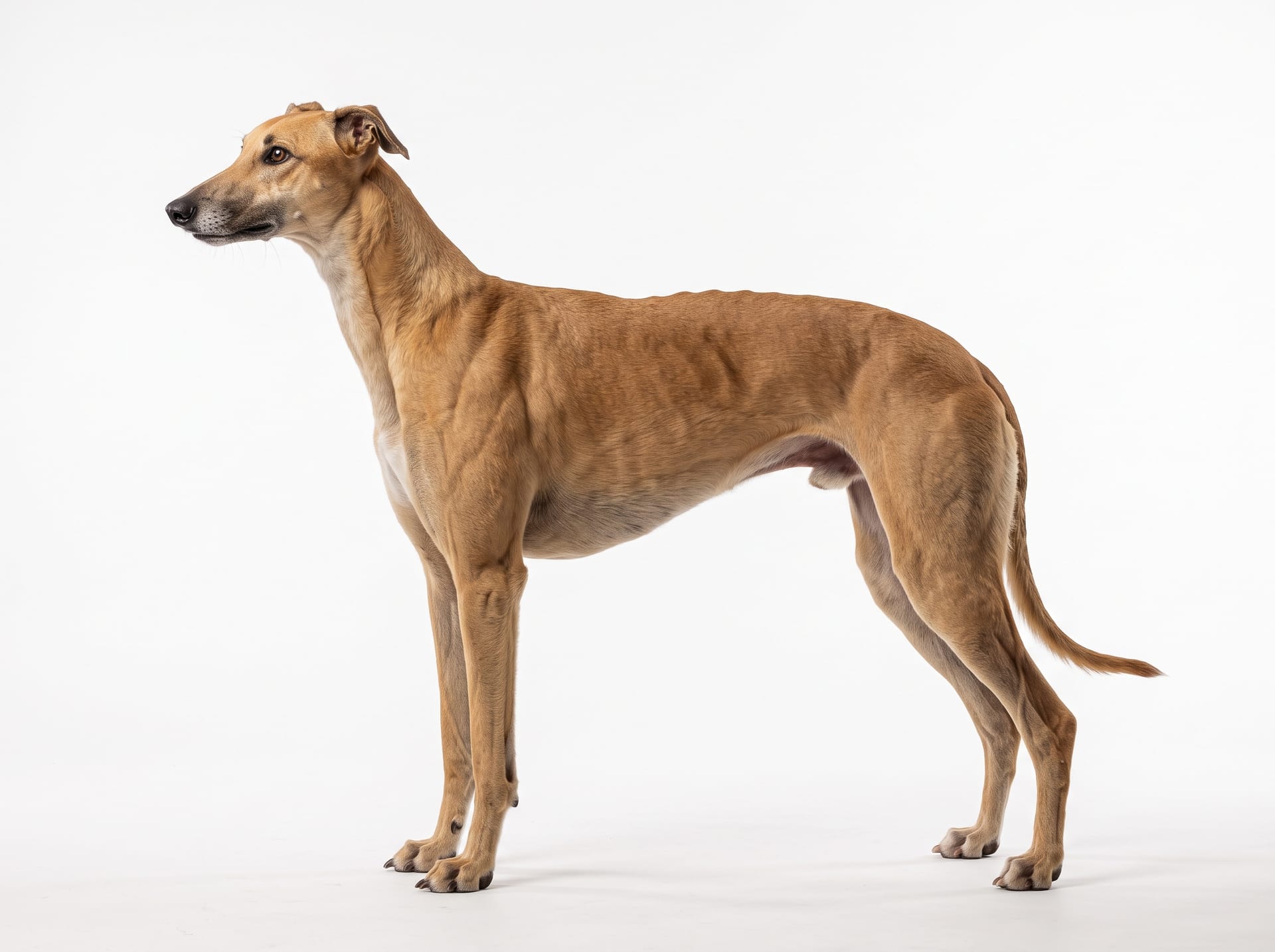
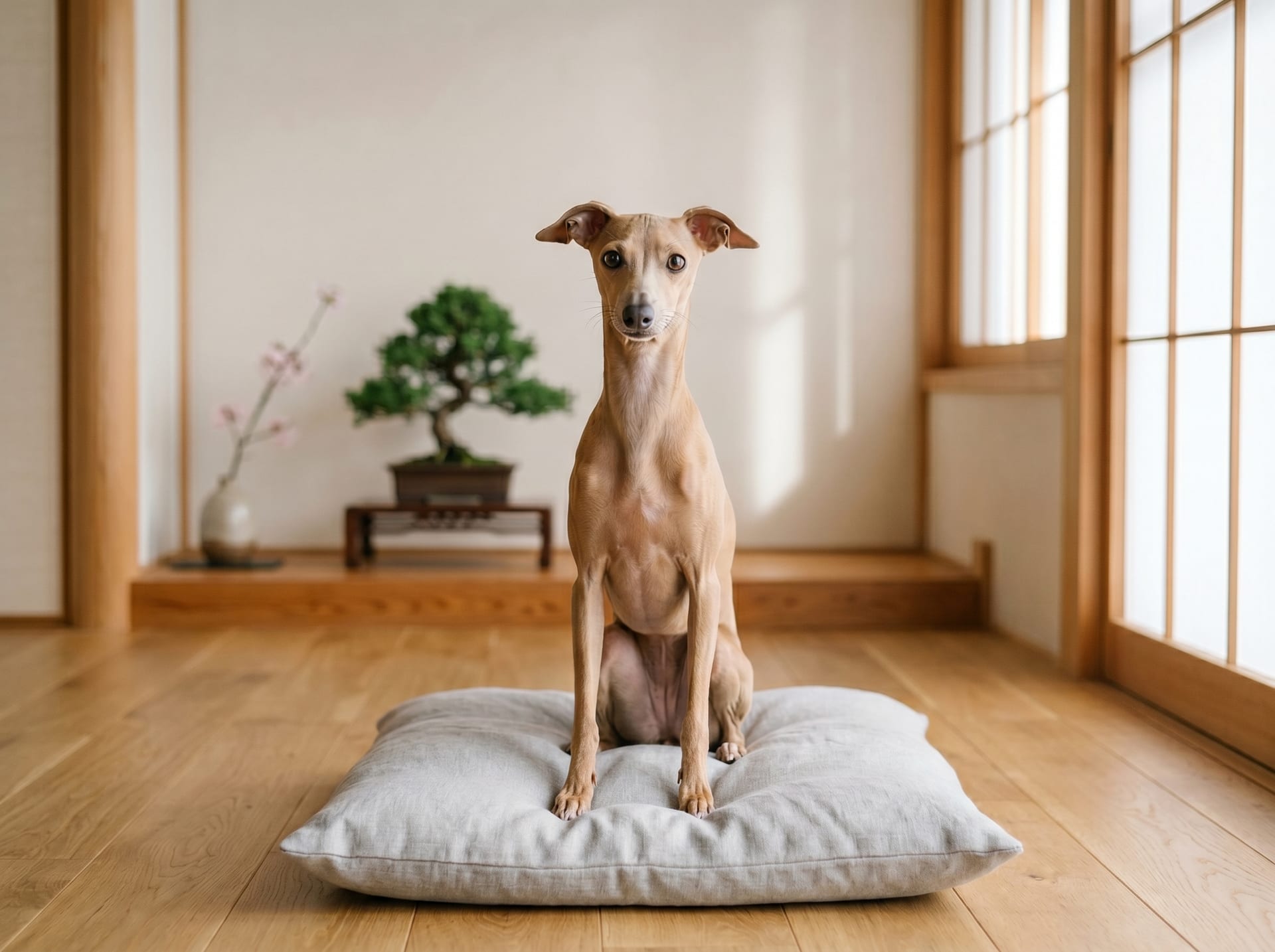
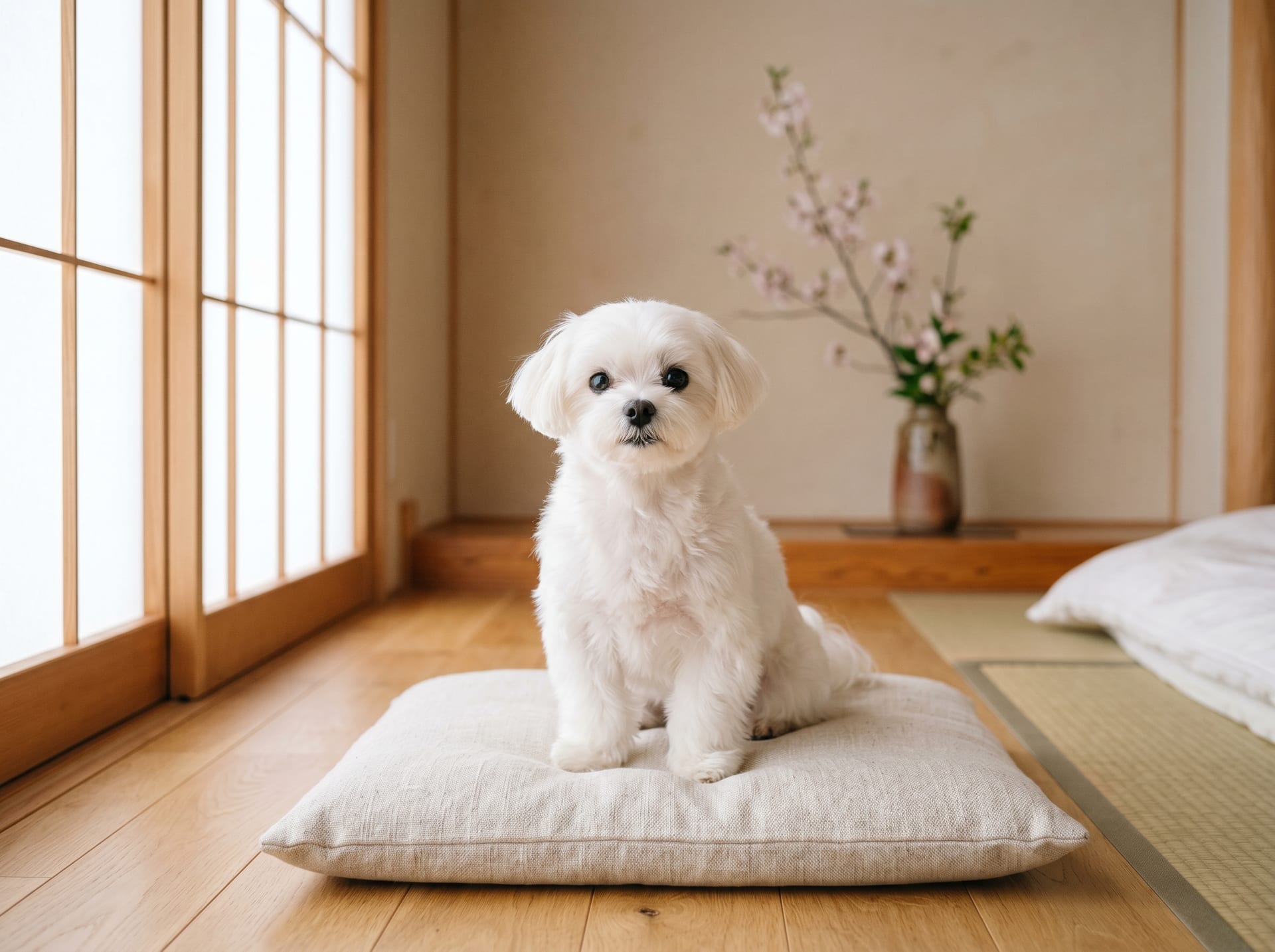
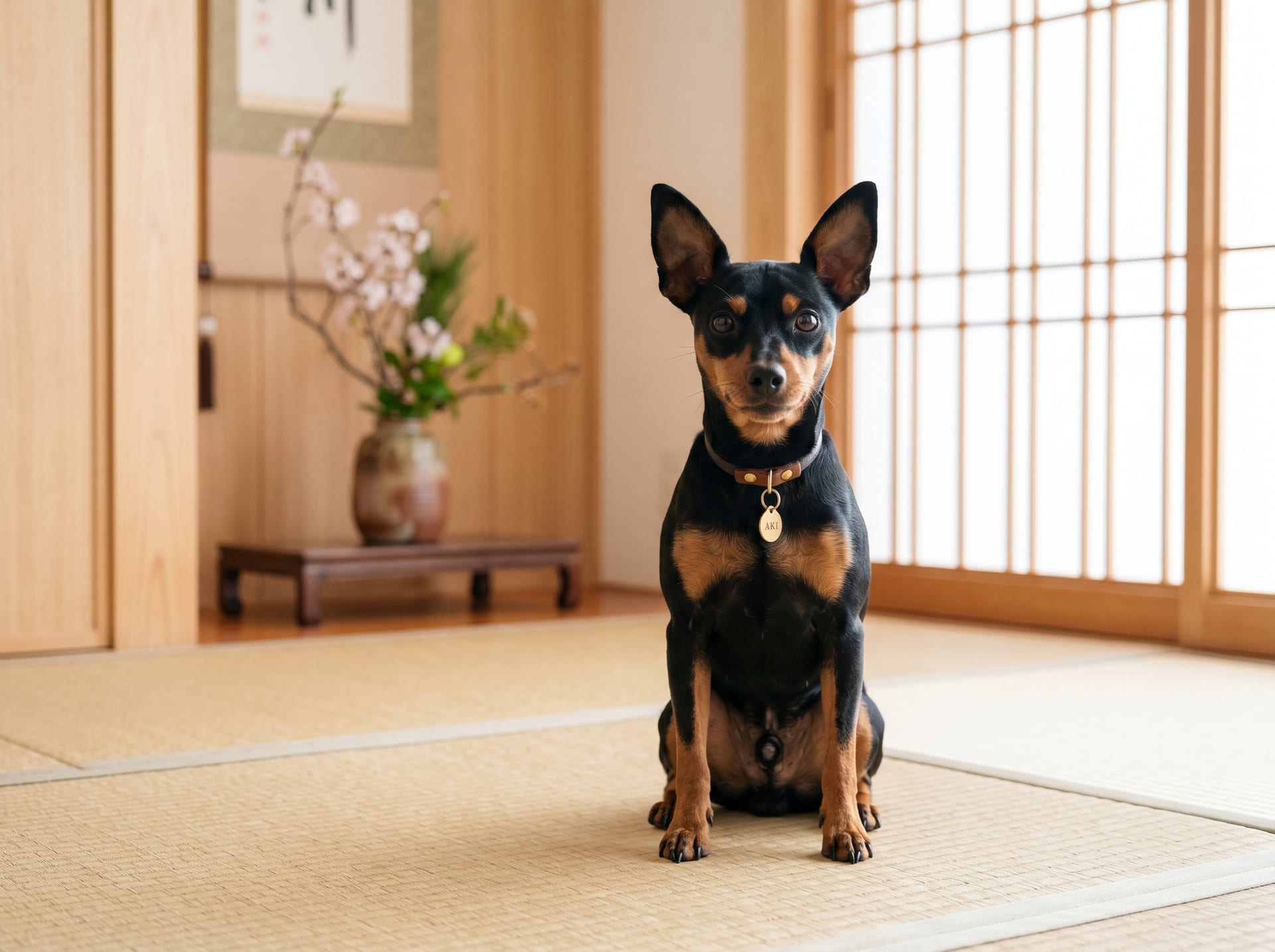
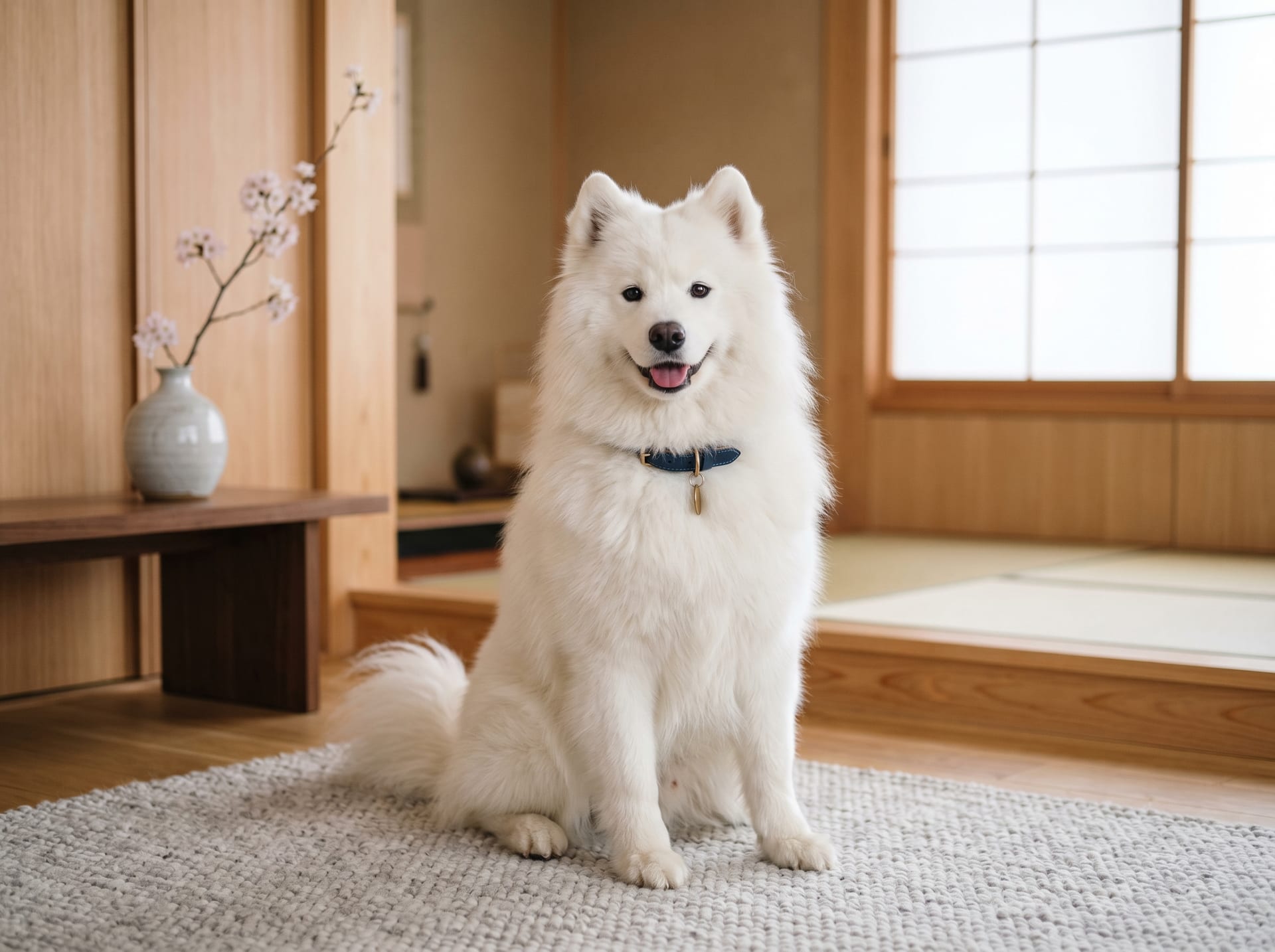
During the cold winter season, putting protective wear on your dog is effective for maintaining body temperature and ensuring comfortable walks. However, not all dogs need protection wear, and the necessity varies greatly depending on breed, body type, coat thickness, and health condition. This guide provides detailed explanations of the conditions for dogs that need winter clothing, how to choose them, how to measure size correctly, and precautions when putting on clothes.
Dogs That Need Protection Wear vs. Those That Don't
Dogs where protection wear is particularly effective:
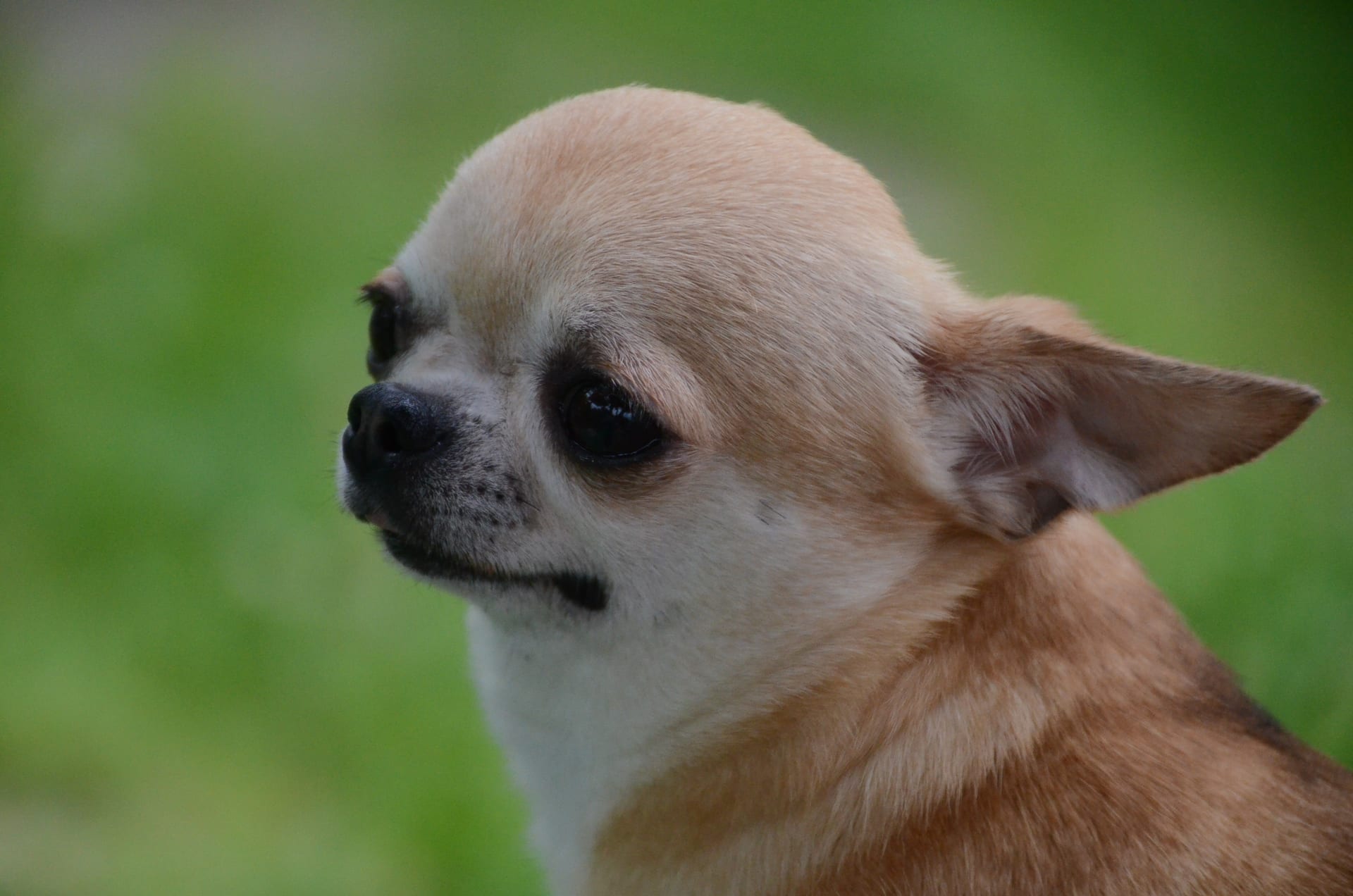
- Short-haired breeds (Chihuahua, Miniature Pinscher, Italian Greyhound, some Dachshunds)
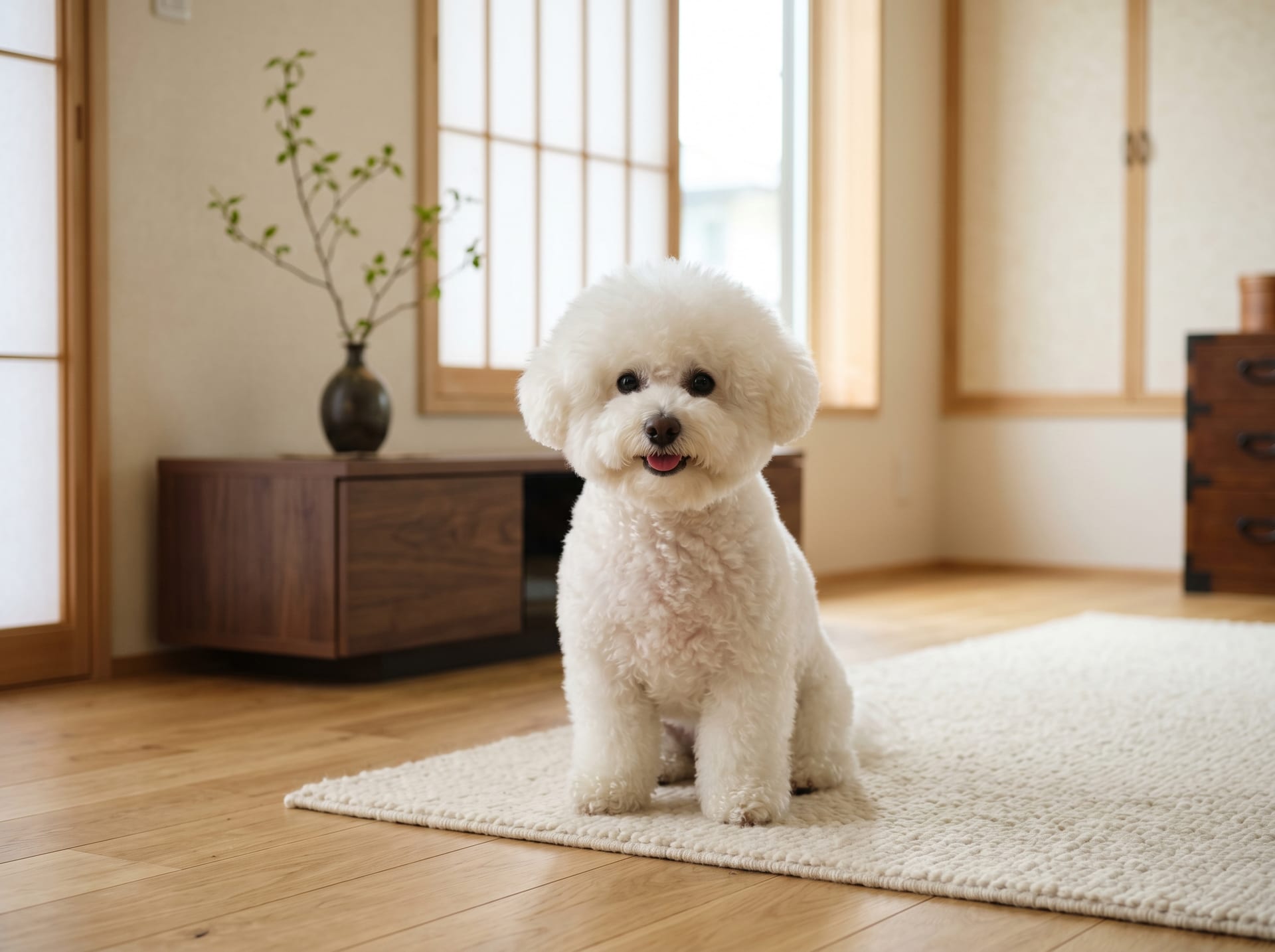
- Dogs with thin coat or single coat (Poodle, Maltese, Bichon Frise)
- Small body/light weight (toy breeds weighing 3kg or less)
- Senior dogs (10 years or older) or dogs recovering from illness
- Dogs with low muscle mass or low body fat
Dogs that don't usually need protection wear (excessive wear is counterproductive):
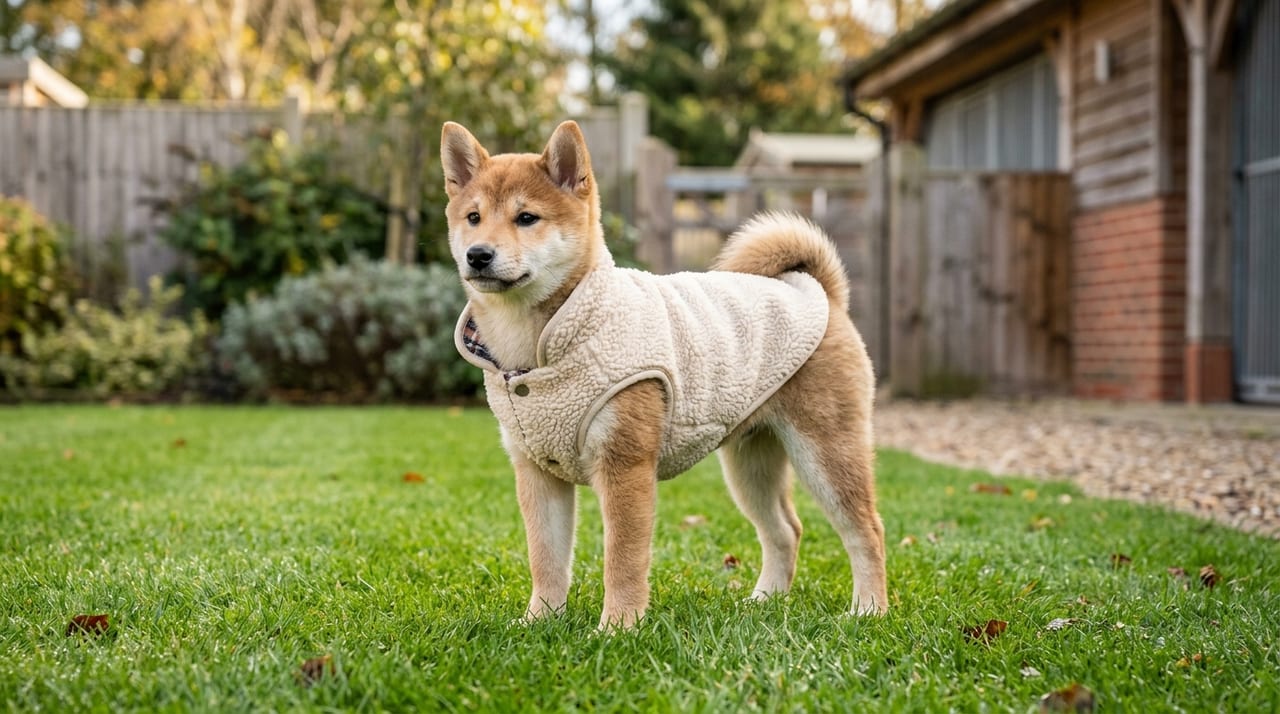
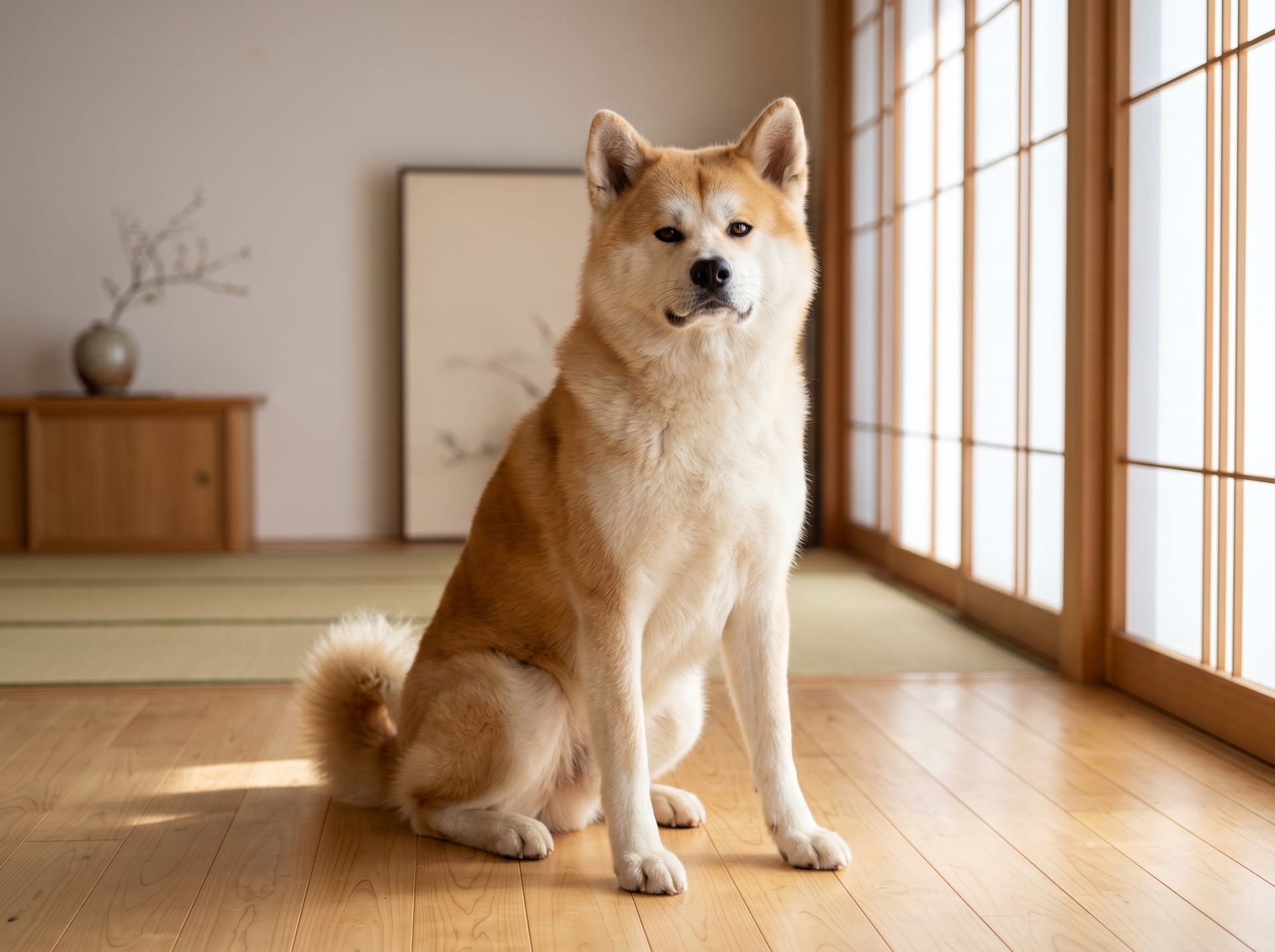
- Double-coated or thick-haired dogs (Siberian Husky, Samoyed, Akita, Shiba Inu)
- Dog breeds originally from cold climates
If you put protection wear on a dog with thick coat, heat becomes trapped, body temperature rises, and it can cause heat stress. Conversely, short-haired or thin-haired dogs have weak ability to maintain their own body temperature, and their body temperature drops rapidly during winter walks.
Simple check to determine if protection wear is necessary: If your dog shivers, refuses to walk, or curls up and doesn't move during walks when the temperature is 5°C or below, consider using protection wear.
How to Measure Size: Accurate Measurement to Avoid Mistakes
Choosing the right size for dog clothing is the most important step. Manufacturer's "S/M/L" sizes vary by brand, and body weight alone cannot determine the right fit. Always measure the following 4 areas:
- Back length (back height): Length from the base of the neck to the base of the tail
- Chest circumference (bust): Girth of the body at the thickest part just behind the front legs
- Neck circumference (neck size): Circumference of the narrowest part of the neck
- Abdominal circumference (waist): Circumference of the narrowest part of the abdomen (rear of the front legs)
Measurement tips:
- Measure your dog in a natural standing position (sitting will produce errors)
- Keep the measuring tape snug against the body, but allow 1-2cm of slack (about one finger's width)
- Avoid measuring after your dog has eaten when their belly is full
When referring to a manufacturer's size chart, prioritize chest circumference. For most dogs, the bust is the most limiting area.
How to Choose by Material and Type
Fleece material: High insulation, lightweight and easy to move in. Weak against water, so it cannot be used on rainy days. Ideal for regular walks and indoor use. Most are machine washable, making maintenance easy.
Wool blend: Good balance of insulation and breathability. Merino wool blends that don't feel scratchy are easy to use for dogs.
Waterproof/windbreaker material: Can handle rain and snow. Two-layer types (waterproof outside, fleece inside) are the most practical. Choose this when you want both protection from cold and water.
Down (feather): Extremely lightweight with top-level insulation. However, it is weak against water and will flatten quickly if your dog moves around. Best for short-term use and toy breeds.
Type selection:
- Tank top type (sleeveless): Most easy to move in. Light protection
- Sweater type (four-leg type): High insulation. Watch for legs getting tangled
- Coat type (covers back only): Easy to put on, provides insulation from neck to back
- All-in-one type: Covers abdomen for maximum insulation. Requires attention when handling during bathroom breaks
Tips for Putting On and Taking Off Clothes
For dogs wearing clothes for the first time, it is important to gradually acclimate them.
Step 1 (Days 1-2): Place the clothing near your dog and let them smell it. Place their favorite treat on the clothing to encourage them to approach it on their own.
Step 2 (Days 3-4): Simply place the clothing on their back, then remove it immediately. Praise them and give them a reward.
Step 3 (Days 5-7): Actually put it on and remove it after 5-10 minutes. During this time, combine it with enjoyable activities like walks.
Precautions when putting on clothes:
- When putting their head through first, do it quickly and don't cover their head for long periods
- When putting their front legs in sleeves, guide them in a natural direction aligned with their elbows
- After putting on the clothing, check that you can fit two fingers in the neck area and armpits (if too tight, it can cause chafing and circulatory problems)
- Check that the Velcro on the abdominal area doesn't get tangled in their coat
Precautions for extended wear: If your dog wears clothing for extended periods without removal, it can cause skin irritation from moisture, matting, and chafing. Always remove clothing after walks and brush their coat. Indoors, protection wear is usually unnecessary and should not be left on continuously.
Care and Storage
Dog clothing easily picks up skin oils and dirt, so washing once or twice per week is recommended.
- Fleece and wool: Hand wash with wool-compatible neutral detergent, or wash in a delicate cycle using a laundry net
- Waterproof material: Check the care label for washability. Avoid using a dryer as it may damage the waterproof coating
- Dry by air drying in shade (to prevent color fading and deformation from sunlight)
When you no longer need the clothing in spring, wash and dry it, then store it with mothballs. Also include a desiccant to prevent mold.
By choosing clothing that your dog doesn't dislike and that fits their body properly, winter walks become more comfortable and safe.