Complete Guide to Keeping Cornish Rex Cats | Characteristics of This Breed with Wavy Coat, High Body Temperature, and Hearty Appetite
A comprehensive guide to caring for Cornish Rex cats. We cover characteristic curly coat care methods, managing their high body temperature and sensitivity to cold, appetite management and weight control, prevention of genetic diseases they're prone to (hypertrophic cardiomyopathy and hair loss), and environmental enrichment suited to their active nature.
Key Takeaways
A comprehensive guide to caring for Cornish Rex cats. We cover characteristic curly coat care methods, managing their high body temperature and sensitivity to cold, appetite management and weight control, prevention of genetic diseases they're prone to (hypertrophic cardiomyopathy and hair loss), and environmental enrichment suited to their active nature.
Related Species
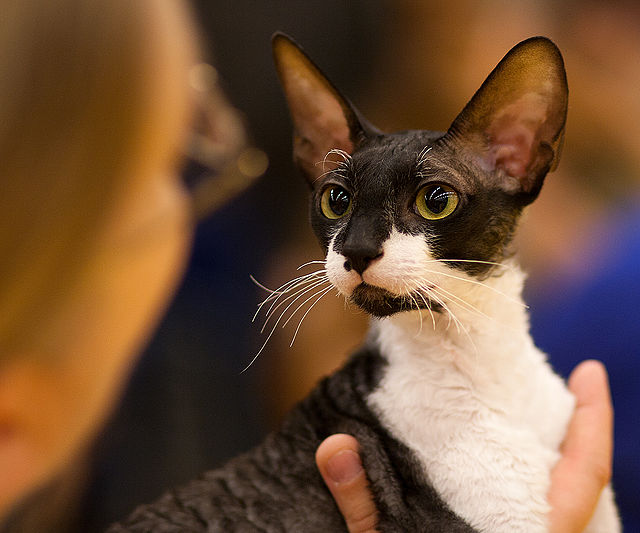
The Cornish Rex is a cat breed that originated from a naturally occurring mutation in Cornwall, England, in the 1950s. While normal cats have three layers of coat (overcoat, middle coat, and undercoat), the Cornish Rex has only the undercoat. As a result, their coat is extremely fine and gently curled like waves, which is their most distinctive feature.
Appearance and Personality of Cornish Rex Cats
Their body type is slim and muscular, with an egg-shaped head, large ears, and large almond-shaped eyes. Their legs are slender and long, with a silhouette known as a Greyhound body type, featuring a pronounced arch in the back. Adult cats typically weigh around 2.5 to 4 kg, making them a medium-sized breed.
Their temperament is extremely active and curious—they're often called "dog cats" because they follow people around like dogs. They love to play and frequently exhibit fetch behavior, retrieving thrown toys. They're highly intelligent and often observe and mimic human behavior, such as opening drawers or jumping onto shelves.
Coat Care and Precautions
The fine curled coat of Cornish Rex cats is extremely delicate. Since they have much less hair than typical cats, they don't shed large amounts, but the following points require attention.
Sebum doesn't spread easily through the coat Since the coat consists only of undercoat, sebum doesn't spread evenly and tends to accumulate on the skin. In particular, the face, ears, and armpits should receive wiping care about once a week. Simply gently wiping these areas with specialized no-wash towels or damp cotton will keep them clean.
Bathe once to twice monthly If sebum buildup is a concern, bathe your Cornish Rex once to twice monthly using a gentle, cat-specific shampoo. It's important to dry them quickly with a hairdryer after shampooing. While they dry quickly due to their sparse coat, be careful with temperature management to prevent them from catching a cold.
Watch out for hair loss (hypotrichosis) Cornish Rex cats can experience patchy hair loss due to hormonal imbalances or nutritional deficiencies. Prevention is achieved through balanced, whole-body nutrition and regular health checkups.
Heat Retention and Environmental Temperature Management
Cornish Rex cats have poor insulation due to their undercoat-only coat and maintain a high metabolism to regulate body temperature. Their body surface temperature feels higher than other cat breeds (which is why they're known as "warm cats").
On the other hand, their bodies cool down quickly in cold environments, so the following adjustments are necessary.
- Maintain a minimum room temperature of 18°C or higher (ideal is 22–26°C)
- Install heated cat beds or heating pads for cats
- Provide sunny windowsill spots for basking
- Be careful not to overuse air conditioning in summer. Create safe spaces away from direct airflow.
Food Management and Weight Control
Cornish Rex cats have very hearty appetites, and if left unsupervised, they quickly overeat and become obese. Despite their slim appearance, they tend to accumulate visceral fat easily.
Proper Calorie Management
Due to their high metabolism, their energy requirements per unit of body weight are relatively high, but it's important to maintain the proper total food intake. For adult cats (2.5–4 kg), aim for approximately 200–280 kcal per day. Since calorie content varies by food type, always check the recommended feeding amount on the package.
Use automatic feeders Divide meals into 2–3 portions per day and feed at set times to prevent overeating. Since Cornish Rex cats are dexterous, some individuals can learn to pry open even locking automatic feeders. Choose a sturdy, weighted model.
How to Choose Food
- High protein (minimum 35% or higher): Choose food rich in animal protein to maintain their muscular build
- Appropriate fat content: Excess fat can lead to weight gain. Food with 18–25% fat is most appropriate for a balanced diet
- Grain-free not necessary: Grain-containing food is fine for individuals without grain allergies
Health Management and Common Diseases
Be aware of the genetic and breed-specific health challenges common in Cornish Rex cats.
Hypertrophic cardiomyopathy (HCM) A genetic disease in which the heart muscle becomes abnormally thick. Cornish Rex cats have some risk of developing this condition. Aim for early detection with annual cardiac ultrasound examinations.
Digestive issues Their hearty appetite makes them prone to eating too quickly or swallowing without chewing, which can cause regurgitation or indigestion. Switching to small-kibble food or slow-feeder bowls can be effective.
Periodontal disease Due to their small face and mouth structure, they tend to accumulate tartar easily. We strongly recommend establishing a tooth-brushing habit from kittenhood.
Activity Level and Environmental Enrichment
Since they're an extremely active breed, insufficient exercise can lead to stress-related behavioral problems such as destructive behavior and excessive vocalization.
- Daily playtime: Engage in focused play for 10–15 minutes per session, 2–3 sessions daily, using wand toys or feather toys
- Cat towers and cat walks: Since they love heights, set up enriched vertical spaces that allow climbing and movement
- Puzzle toys: Provide intellectual stimulation with food puzzles or puzzle toys—a two-in-one benefit that also slows their eating pace
- Multi-cat households: If compatible, they can live with other cats or dogs without issue and often become playmates
Summary
The Cornish Rex is a cat breed whose charm lies in their distinctive curly coat, slim build, high activity level, and affectionate nature. With proper care—addressing their sensitivity to cold, managing their hearty appetite, and conducting annual cardiac ultrasounds—they'll be an active and loving companion for many years. Beyond their adorable appearance, their intelligent and unique personality is what makes the Cornish Rex truly special.