Coral Pest Encyclopedia | Identifying and Controlling Flatworms, Nudibranchs, and Red Bugs
Explains the types of pests that parasitize corals, how to identify them, and control methods. We have compiled the characteristics and countermeasures for AEFW, Zoanthid Spider, Montipora Nudibranch, Red Bugs, and more.
Key Takeaways
Explains the types of pests that parasitize corals, how to identify them, and control methods. We have compiled the characteristics and countermeasures for AEFW, Zoanthid Spider, Montipora Nudibranch, Red Bugs, and more.
Related Species
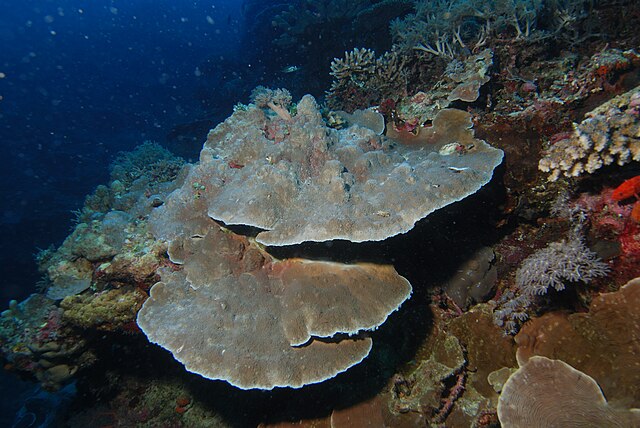
In coral aquaculture, pest damage is one of the unavoidable risks for both beginners and advanced keepers. Most pests are extremely small, measuring only a few millimeters in body length, and in most cases they are introduced into the tank unnoticed when brought home. If discovery is delayed, they multiply explosively, and in some cases your precious corals can be completely destroyed within weeks. Pest-caused feeding damage differs in cause from diseases such as RTN and STN covered in Coral Diseases and Treatment Methods, so correctly identifying the pest is the first step in treatment.
This article provides a detailed explanation of identification, control methods, and prevention strategies for four types of pests with particularly high incidence reports in coral aquariums. For any of these pests, "early detection and early treatment" is the key to minimizing damage.
AEFW (Acropora Eating Flatworm) | Flatworms Targeting Acropora
Characteristics and Identification
AEFW is a species of flatworm that parasitizes Acropora corals and is one of the most concerning coral pests. With a body length of about 3–6mm, it changes its body color to match that of its host Acropora, making it difficult to distinguish at first glance. Most individuals are brownish or yellowish-green in color, and even when attached to the coral surface, they are often overlooked as "just debris."
The most recognizable sign of damage is white spot-like feeding marks that appear on the coral surface. Since AEFW directly consumes coral tissue, feeding marks become white, and as the condition progresses, tissue necrosis (similar to RTN/STN symptoms) spreads. Additionally, when you perform a shaking test on Acropora (vigorous shaking in water), individual flatworms may float up into the water.
Control Methods
The most effective control method is dipping using "Bayer Dip." Soaking the coral in diluted Bayer Dip for 10–15 minutes can kill adult flatworms. However, eggs cannot be removed by dipping agents, so it is essential to repeat the treatment 3–4 times at weekly intervals. Continued treatment, accounting for the egg hatching cycle, is the fastest path to eradication.
For biological control, wrasses (particularly the Yellow Wrasse) are known to predate on AEFW. However, introduction should be considered in light of tank size and compatibility with other organisms.
Zoanthid Spider | Microscopic Organisms That Damage Zoanthid Corals
Characteristics and Identification
The Zoanthid Spider is an extremely small spider-like arthropod that lurks inside the polyps of Zoanthid corals. Many individuals measure 1mm or less in body length, making visual identification quite difficult. As damage progresses, the polyps of Zoanthids remain closed for extended periods, and tissue gradually recedes from the edges. If thin threads can be observed between polyps, you can be nearly certain of infection.
In early stages of infection, symptoms are vague, such as "seems unwell" or "polyps won't open," which can easily be confused with water quality or lighting problems—a frustrating aspect of this pest.
Control Methods
High-concentration dipping with CoralRx is the basic approach to treatment. After carefully removing visible individuals with tweezers, follow up with a medicated bath for better results. In cases where the condition has worsened and many polyps have died, cutting away healthy portions and placing them on a frag mount for isolation and recovery is also effective. Early detection and treatment protect the entire colony.
Montipora Nudibranch | White Nudibranchs Lurking in Common Corals
Characteristics and Identification
The Montipora Nudibranch is a nudibranch that parasitizes Common corals with specific host specificity. With a body length of about 2–5mm and a white to cream-colored body, white small spots scattered across the coral surface are likely egg masses.
Since both adults and eggs live and reproduce on Common coral, damage progresses rapidly, and extensive tissue necrosis can occur within weeks of introduction. If the surface of your Common coral begins to appear "mottled" with white patches, suspect infection by this species first.
Control Methods
CoralRx dipping can eliminate adult nudibranchs. However, eggs are not killed by dipping agents, so before dipping, carefully scrubbing the coral surface with a soft toothbrush to physically remove egg masses is essential. Even after treatment, repeat dipping at least 3 times at weekly intervals to progressively eliminate hatched individuals. If managing multiple Common corals, immediately isolating infected specimens is the top priority.
Red Bug | Red Microscopic Crustaceans That Weaken SPS
Characteristics and Identification
The Red Bug is a red microscopic crustacean that parasitizes the surface of SPS corals such as Acropora, with a body length of about 0.5mm. When a large outbreak occurs, they can be seen with the naked eye as red dots, but at low numbers they are easily overlooked.
Infection causes polyps to open poorly, and color fading gradually progresses. While direct tissue destruction is not as acute as with AEFW, chronic stress gradually weakens the coral's vitality, resulting in significant damage over the long term. Red Bugs have high host specificity, with parasitism on Acropora species being primary.
Control Methods
The most effective method is medicated bathing using "Interceptor" (a canine heartworm preventative). Soaking the coral in medicated water dissolved with the prescribed amount provides high control efficacy. However, Interceptor is lethal to shrimp, crabs, hermit crabs, and other crustaceans, so you must move crustaceans to a separate tank before treatment. Neglecting this precaution can result in tragedy: while you eliminate the Red Bugs, your cleaner shrimp colony is completely wiped out.
Prevention Strategies and Considerations When Purchasing
Thoroughly Dip New Introductions
No matter how beautiful a coral is, dipping is mandatory when introducing new specimens. Placing corals purchased from shops or individual sellers directly into your tank without dipping—thinking "it looks healthy, so it should be fine"—carries the risk of introducing pests. Rather than dipping just once, repeating the treatment 2–3 times at weekly intervals ensures that individuals hatched from eggs are reliably eliminated. Combined with dipping, setting up a quarantine period as described in Coral Quarantine Guidelines provides even more reliable protection against introductions.
Develop Regular Observation Habits
Most pest damage follows the pattern of "becoming severe before you notice." Carefully observe the coral surface using a magnifying glass or jeweler's loupe 1–2 times per week, striving for early detection of abnormalities. Noticing feeding marks, egg masses, and polyp closure are the greatest defensive measures for keeping damage minimal.
Purchasing from Trusted Breeders Provides Peace of Mind
Source reliability is extremely important in preventing pest damage from the outset. Purchasing from breeders who take pest control seriously can greatly reduce the risk of introduction.
BreederDirect's Safe and Reliable System
BreederDirect is a platform where you can purchase corals and other livestock directly from breeders. Featured breeders are primarily reliable users who have undergone screening, and information regarding pest control and health management can be confirmed from their profiles and product descriptions.
You can choose your source based on information such as "which breeders thoroughly check for pests" and "whether specimens have been dipped," allowing even beginners to transact with confidence. Selecting the source is an important step in coral aquaculture to keep your precious corals beautiful for years to come. We encourage you to find a trusted breeder connection through BreederDirect.