The "Invisible Threat" in Mixed Reefs—What Is Allelopathy?
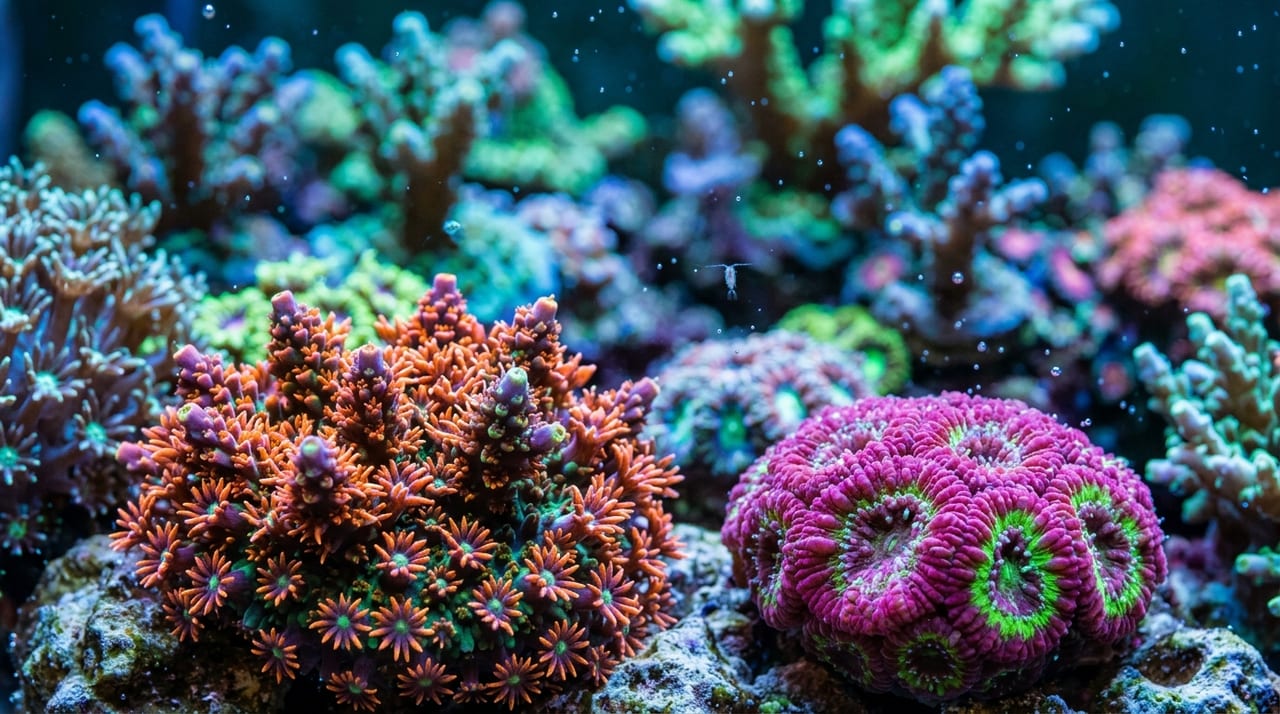
When managing a mixed reef tank (an environment where multiple coral species are kept in the same tank), you may encounter a phenomenon where corals gradually decline without direct physical contact, or only nearby corals show signs of stress. In most cases, the culprit is allelopathic compounds released by corals—essentially "chemical weapons."
Allelopathy is the collective term for the phenomenon where one organism secretes chemical compounds to inhibit the growth and survival of other nearby organisms. While well-known in the plant world, corals also employ this strategy to secure territory on coral reefs. In the closed environment of an aquarium tank, chemical substances accumulate more readily than in wild coral reefs, and their effects become more pronounced.
Types of "Chemical Weapons" Corals Use
Chemical substances used by corals to attack other species fall into two main categories:
1. Waterborne Allelopathic Compounds
Chemical compounds that dissolve and diffuse into the water column, including:
- Terpenes: Secreted in large quantities by soft corals (particularly Sinularia and Lobophytum species). They disperse throughout the tank and particularly trigger polyp retraction and growth inhibition in SPS (small polyp stony) corals.
- Mucins and toxins: Zoanthids possess palytoxin, which is toxic both through contact and water column dissolution, and poses dangers to human health.
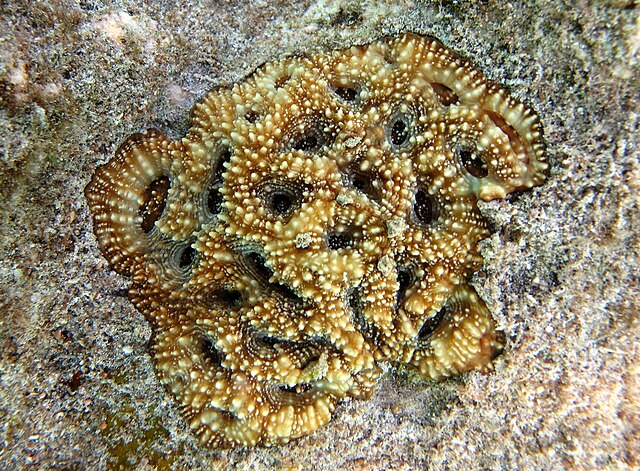
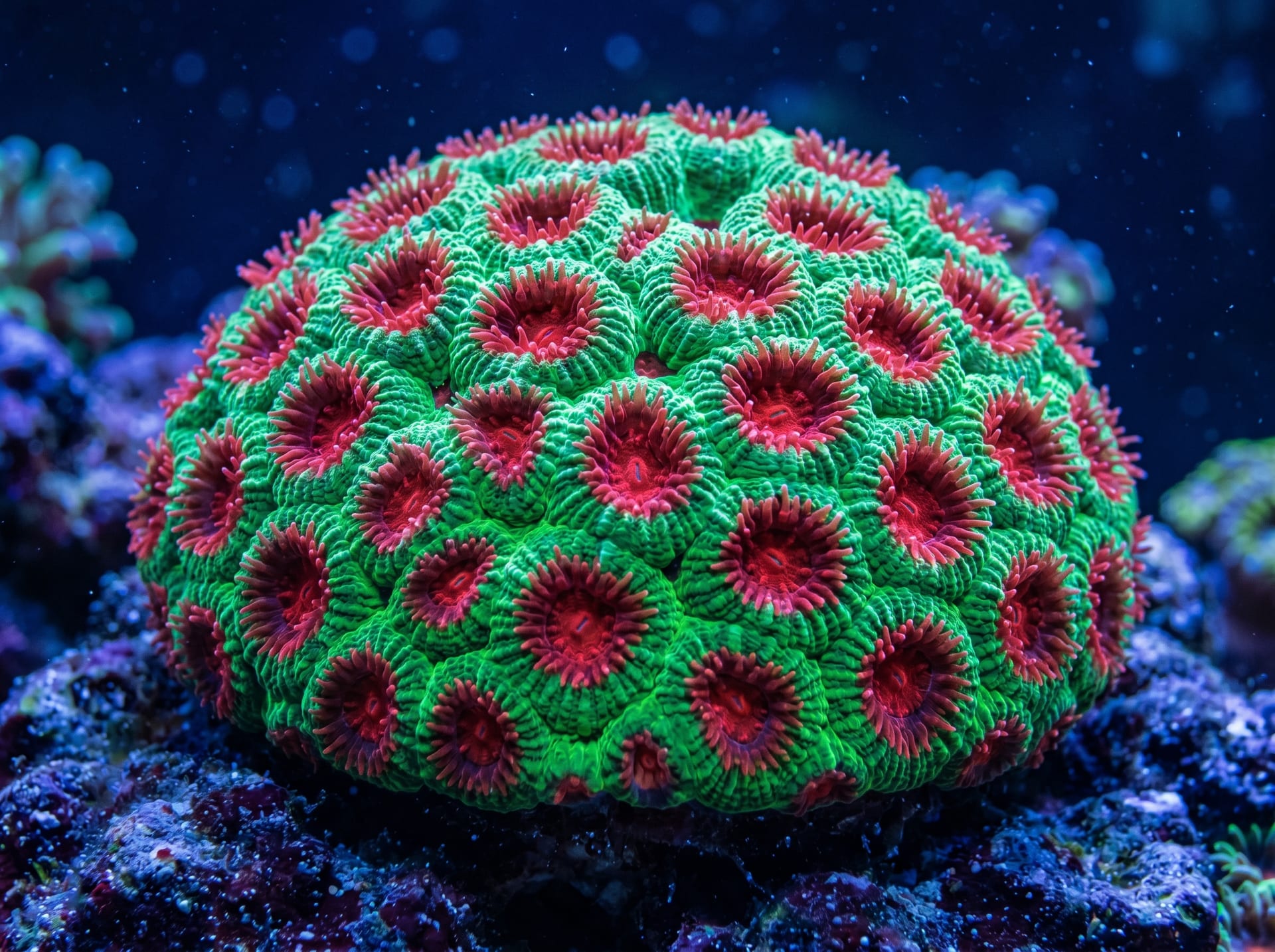
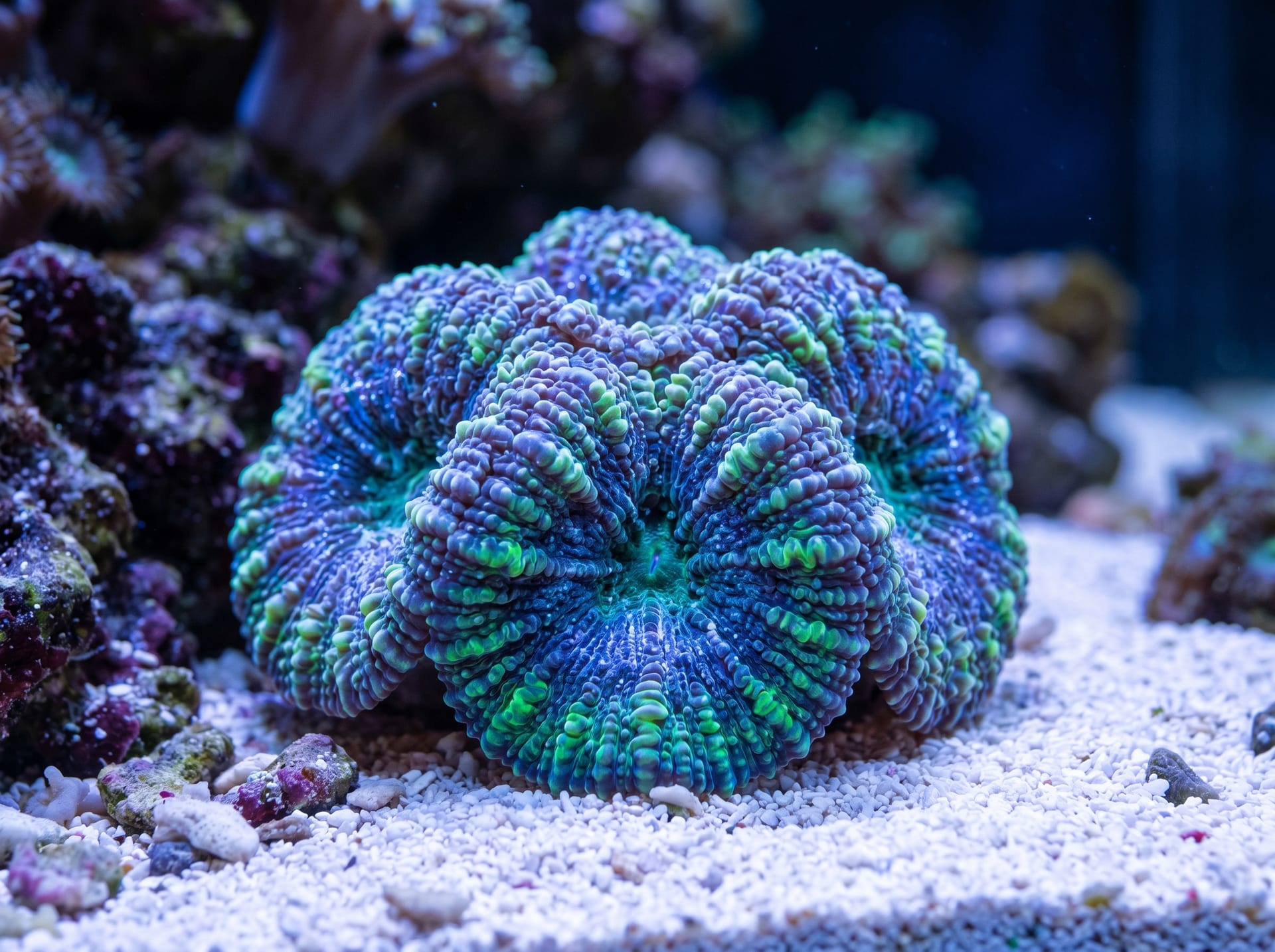
- Proteinaceous toxins: Protein toxins produced by Favites/Favia corals and Acropora spread through water currents.
2. Contact Aggression
Direct physical damage inflicted through contact:
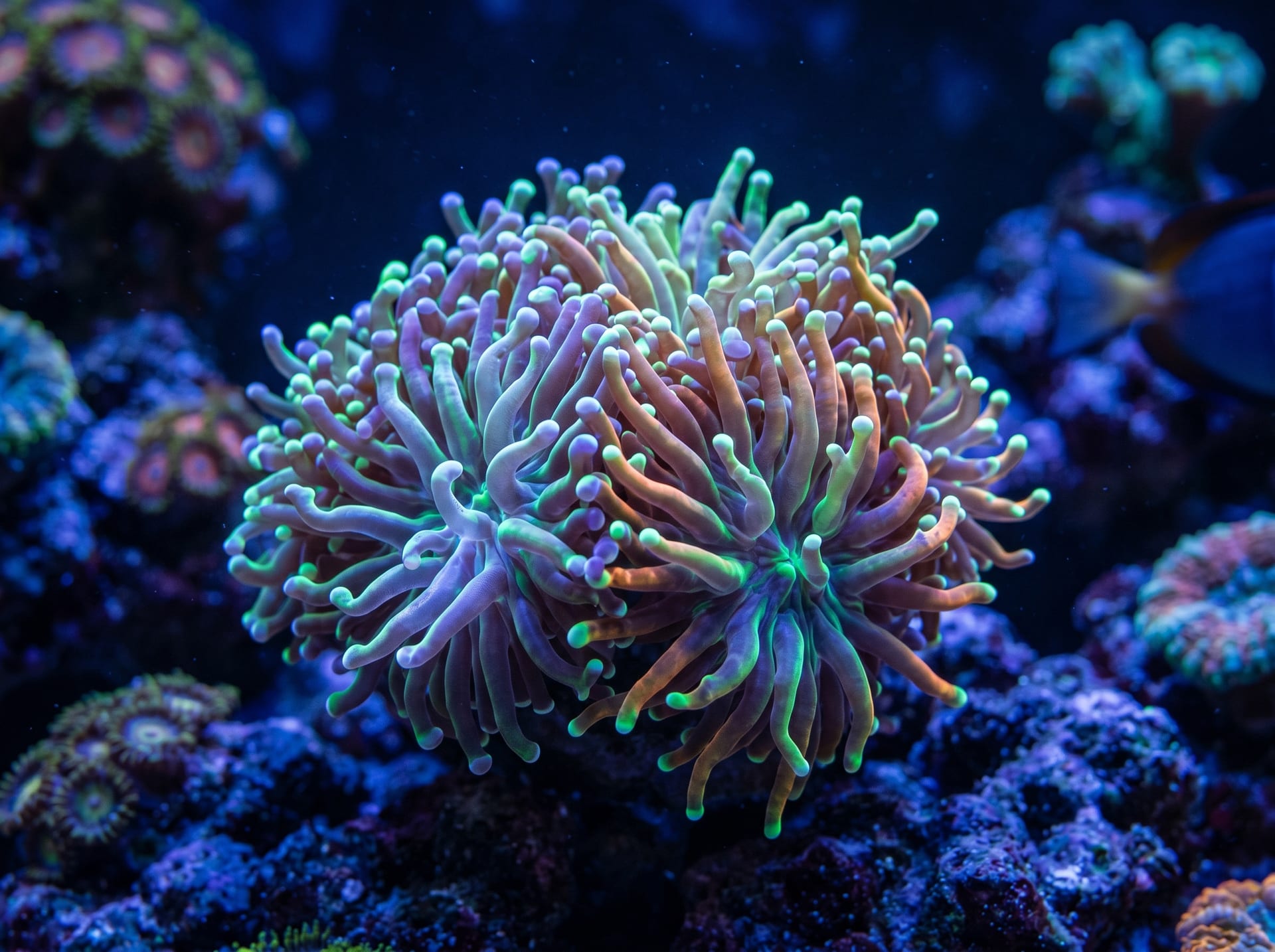
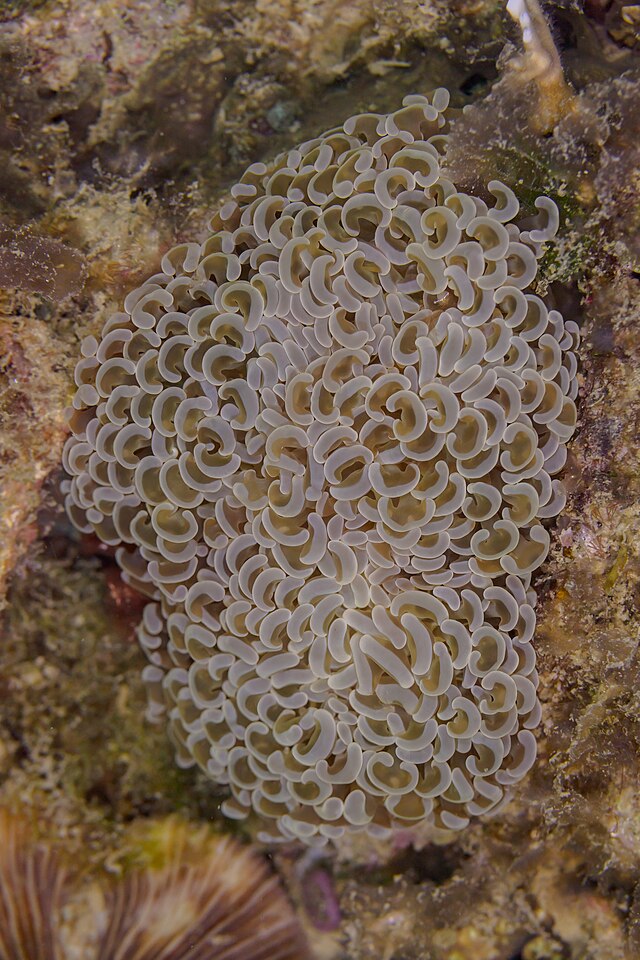
- Sweeper tentacles: Specialized tentacles that extend longer than normal to contact and digest the tissues of neighboring corals using digestive enzymes. Favites, Favia, Euphyllia (torch corals), and hammer corals are well-known practitioners.
- Mesenteral filaments: Parts of the digestive tract expelled from the mouth. They directly dissolve the surface tissue of contacted organisms. This attack method is particularly common in LPS corals.
- Mucus secretion: Mucus from the body surface adheres to neighbors and triggers cell death.
Aggression Ranking: Which Corals Are Most Dangerous?
A general ranking of allelopathic aggression strength, based on aquarist experience and research data (strongest to weakest):
| Rank | Coral Group | Primary Attack Method |
|---|
| Extreme | Zoanthids (some species), Tube corals | Palytoxin, mesenteral filaments |
| High | Torch corals, Hammer corals, Trumpet corals | Sweeper tentacles (extending 15–30 cm) |
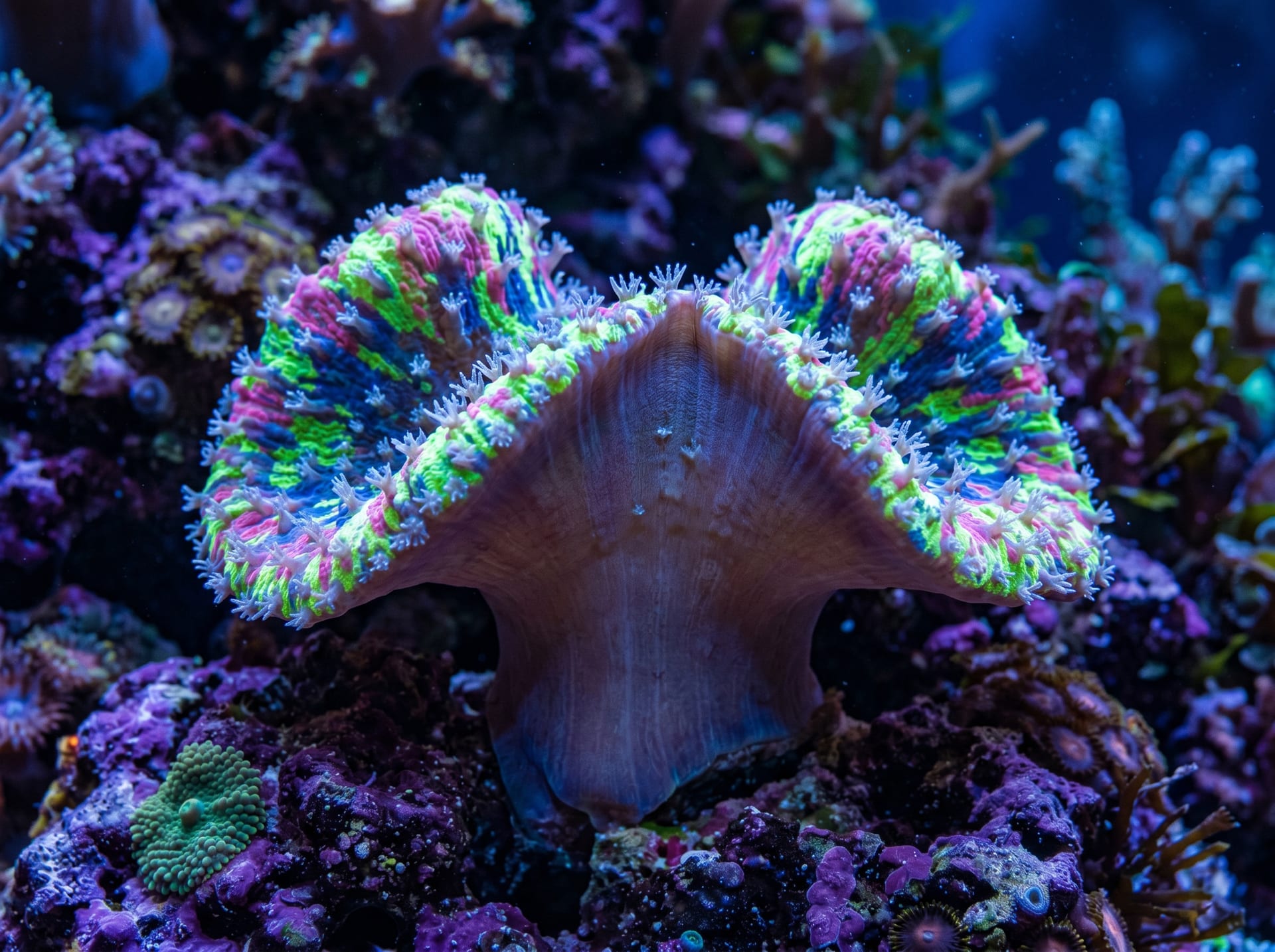
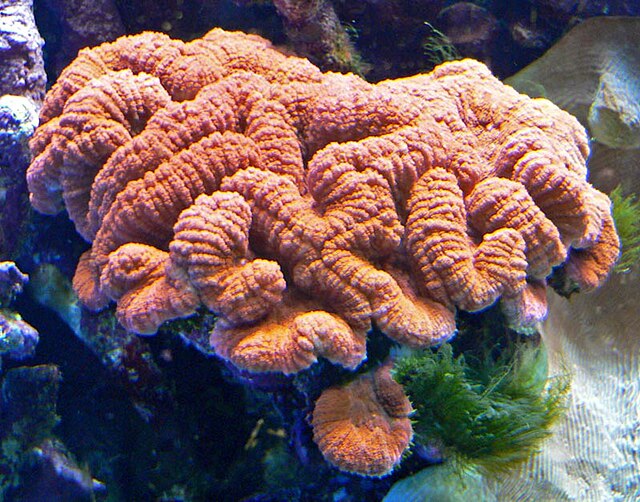
| High | Favites, Favia, Acanthastrea | Sweeper tentacles, mesenteral filaments |
| Moderate | Sinularia, Toadstool corals (soft corals) | Water-soluble terpenes |
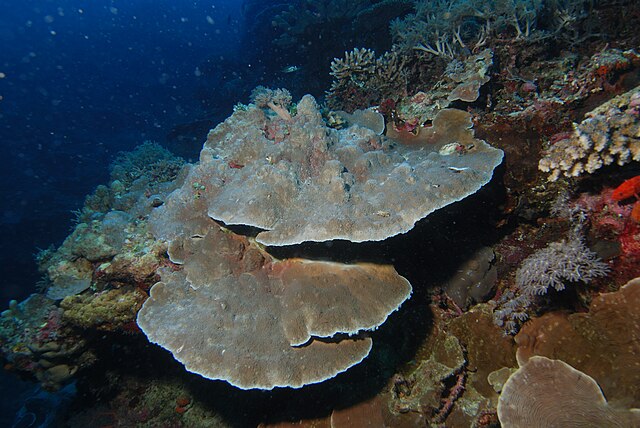
| Moderate | Star polyps, Disk corals | Space competition through encrusting growth |
| Low | Acropora (most SPS) | Primarily contact toxins (passive) |
| Minimal | Sarcophyton (Toadstool coral) | Localized terpene secretion |
Note: Aggression levels vary significantly among species and individuals within the same group.
Practical Placement Rules: Distance and Configuration
Basic Principle: Minimum Distance of "Double the Sweeper Tentacle Length"
Corals with sweeper tentacles rarely show visible tentacles in their normal state. At night or after feeding, these tentacles can suddenly extend 10–30 cm and attack neighboring corals.
Safe distance guidelines (minimum):
- Torch corals, Hammer corals: At least 30 cm clearance on all sides
- Favites/Favia species: Minimum 10–15 cm gap between adjacent corals
- Zoanthids: Avoid placement near calcifying corals
Mixing Soft Corals and SPS Requires Caution
Soft corals such as Sinularia and Toadstool corals continuously release water-soluble terpenes, and research has shown these particularly inhibit polyp extension in SPS corals. Either avoid mixing them in the same tank or rigorously employ activated carbon treatment (detailed below).
Watch for Encrusting Growth
Star polyps, disk corals, and Montipora spread across adjacent surfaces (encrusting growth). Even if not physically touching, they often make contact within weeks. Provide adequate spacing in advance.
Defense Strategies: Activated Carbon, Ozone, and Water Changes
The three most effective methods to mitigate allelopathic damage in mixed reefs are:
1. Regular Activated Carbon Exchange
Enclose GAC (granular activated carbon) in a filter sock or reactor, and replace it every 2–4 weeks. Activated carbon adsorbs water-soluble organic compounds and terpenes, significantly reducing allelopathic substance accumulation. This is an essential practice, especially in mixed reefs containing soft corals.
2. Ozone (O₃) Treatment
Ozone treatment maintaining redox potential (ORP) at around 300–380 mV oxidizes and breaks down organic matter and toxins, improving water clarity. Pairing an ozonizer with a carbon filter removes residual ozone from the discharge water.
3. Regular Water Changes
A 10–15% weekly water change is the simplest method to dilute and remove accumulated allelopathic substances. Neglecting water changes raises the concentration of chemical compounds, making stress symptoms (polyp retraction and discoloration) more likely.
Protocol for Introducing New Corals
When adding new corals to your tank, allelopathic reactions tend to be most severe. Following these steps minimizes risk:
- Quarantine for 2–4 weeks: Beyond disease screening, this confirms the rate of allelopathic compound release
- Tentative placement at greater distance: Position 10+ cm farther than final placement, and observe mutual reactions for 1–2 weeks
- Replace activated carbon with fresh media: Remove chemical attacks before and after introduction
- Monitor response: Check daily for polyp retraction, tissue recession, or discoloration in existing corals
Conclusion—Protecting Your Beautiful Reef by Understanding Chemical Warfare
Most mixed reef tank failures stem from placing corals without understanding how aggressive each species is. Grasping the mechanisms of allelopathy clarifies the reasoning behind placement planning, activated carbon management, and water change frequency, allowing you to prevent problems before they occur.
When selling corals on Breeder Direct, providing information such as "This coral is highly aggressive and should be placed at least 30 cm from torch corals" helps buyers maintain healthy aquariums and cultivates a mature coral-keeping culture. This knowledge-sharing is where that maturity begins.