Complete Chihuahua Care Guide | Health Risks and Training Tips for the World's Smallest Dog
A complete beginner's guide to Chihuahua care covering fracture prevention, tracheal collapse, managing their loyal temperament, cold weather protection, diet, and training.
Key Takeaways
A complete beginner's guide to Chihuahua care covering fracture prevention, tracheal collapse, managing their loyal temperament, cold weather protection, diet, and training.
What is a Chihuahua? Understanding Basic Characteristics
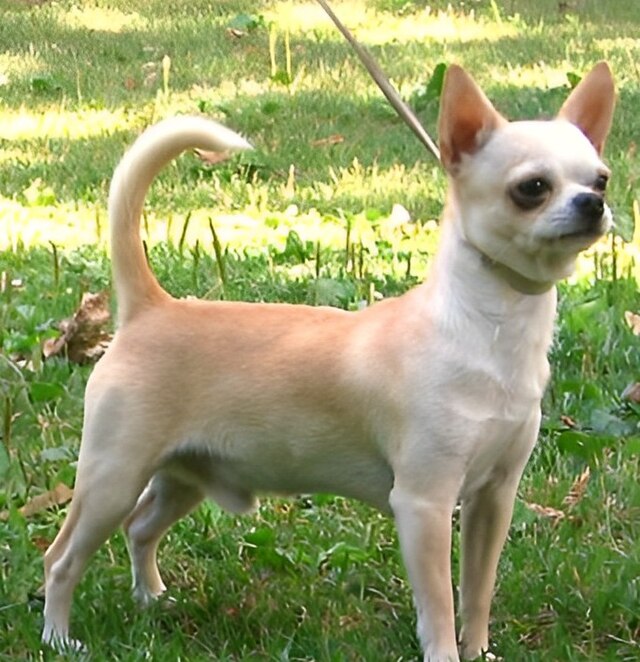
The Chihuahua is the world's smallest dog breed as recognized by Guinness World Records, typically weighing 1.5–3 kg with a height of 15–23 cm. Originating from the state of Chihuahua in Mexico, this breed has enjoyed long-standing popularity in Japan alongside Toy Poodles.
✍️
BreederDirect Editorial
The BreederDirect editorial team specializes in care information for animals, covering veterinary care and breeding to deliver beginner-friendly guides.
Find Dogs on BreederDirect
Buy directly from verified breeders
Browse Related Listings
Find Dogs listings related to this article on BreederDirect. Buy directly from verified breeders.
Chihuahuas are often described as having "the soul of a large dog in a small body," characterized by strong loyalty and confidence toward their owners. Well-socialized Chihuahuas are affectionate and playful; however, under-socialized individuals may be timid, bark excessively, and display aggression toward strangers and other dogs.
Smooth Coat (Short Hair) and Long Coat (Long Hair)
Chihuahuas come in two coat varieties. The smooth coat is easy to maintain with a crisp appearance, while the long coat features soft, silky fur. There are no significant personality differences between the two types.
Living Environment and Basic Care
Safety Measures for a Small Body Are Paramount
Chihuahuas have delicate bones with high fracture risk, so extreme care is needed to prevent jumping on and off high places.
Install steps or ramps for sofas and chairs
Use non-slip mats on hardwood floors
Supervise children to prevent accidental lifting or dropping
Install barriers at doors and balconies to prevent escape
Cold Sensitivity
Chihuahuas struggle with temperature regulation and are particularly sensitive to cold. Keep indoor temperatures above 20°C during autumn and winter, and use dog apparel when outdoors. If the dog is shivering, warm it immediately.
Exercise Requirements
Exercise needs are appropriate for a small breed—two 15–20 minute walks daily are sufficient. Avoid intense jumping and stair climbing, as these stress the joints.
Diet and Weight Management
Feeding your Chihuahua quality small-breed dog food with careful calorie management is key to longevity.
Daily Calorie Target: Approximately 50–60 kcal per kilogram of body weight (for adult dogs)
Feed 2–3 times daily (to prevent sudden blood sugar fluctuations)
Limit treats to 10% of daily calorie intake to prevent obesity
Watch for hypoglycemia (especially in puppies): loss of appetite, lethargy, and trembling warrant immediate veterinary attention
Chihuahuas have small teeth and are prone to periodontal disease, making dental care—including daily brushing and dental chews—essential.
Common Health Issues in Chihuahuas
Fractures
Both front and rear leg fractures are common, with radius and ulna fractures in the front limbs being particularly frequent. Physical prevention measures, such as blocking access to high places, are the most effective strategy.
Tracheal Collapse
This condition involves flattening of the trachea and is common in small breeds including Chihuahuas. Symptoms include a "honking" cough-like sound, coughing, and difficulty breathing. Using a harness instead of a collar and reducing pulling behavior can prevent worsening.
Hydrocephalus
Chihuahuas have relatively large heads and are at risk of hydrocephalus, where cerebrospinal fluid accumulates abnormally. From puppyhood, monitor whether the fontanel (soft spot on the head) has closed; seek early veterinary care if behavioral abnormalities (circling or head tilting) appear.
Patellar Luxation
Patellar luxation—where the knee joint slips out of place—is a common orthopedic condition in Chihuahuas. If you notice skipping-like movements during walking or the rear leg being held up, consult a veterinarian.
Training Tips
Chihuahuas are intelligent and fully capable of enjoying training. However, if owners overlook problem behaviors because the dog is "small," habits such as excessive barking, biting, and separation anxiety can become entrenched.
Early Socialization Is Critical: Expose puppies to various people, dogs, environments, and sounds during the critical socialization period (3–12 weeks of age)
Positive Reinforcement: Praise good behavior and reward with treats. Scolding or intimidation backfires
Loose-Lead Walking: Establish habits during walks to prevent pulling
Crate Training: Teaching the dog to view the crate as a safe space effectively reduces separation anxiety
Chihuahuas concentrate best during 5–10 minute training sessions, ideally conducted 2–3 times daily.
Conclusion
With proper care, Chihuahuas can live long, healthy lives of 15–18 years. By focusing on four pillars—fracture prevention, cold protection, dental care, and appropriate training—you can enjoy a rewarding life with an affectionate, spirited Chihuahua. Embrace the charm of this small companion with a big voice and bigger personality.