Cat Show Beginner's Guide: How to Participate, Class Divisions, Preparation, and the Day-of Flow
A beginner-friendly guide to participating in cat shows like CFA and TICA, including class divisions, judging criteria, and title systems. Learn about pre-show conditioning, grooming, and what to expect on show day.
Key Takeaways
A beginner-friendly guide to participating in cat shows like CFA and TICA, including class divisions, judging criteria, and title systems. Learn about pre-show conditioning, grooming, and what to expect on show day.
Related Species
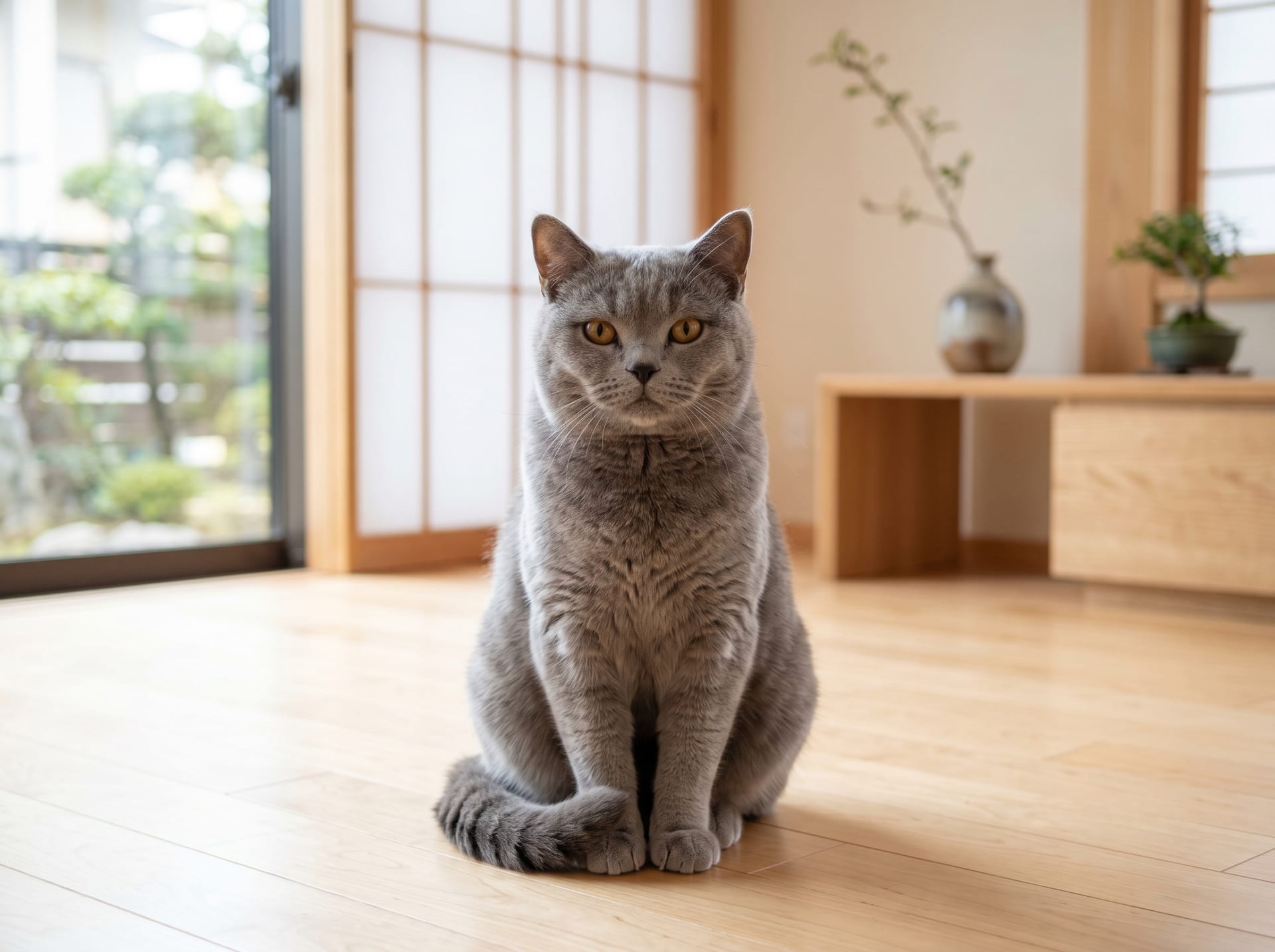
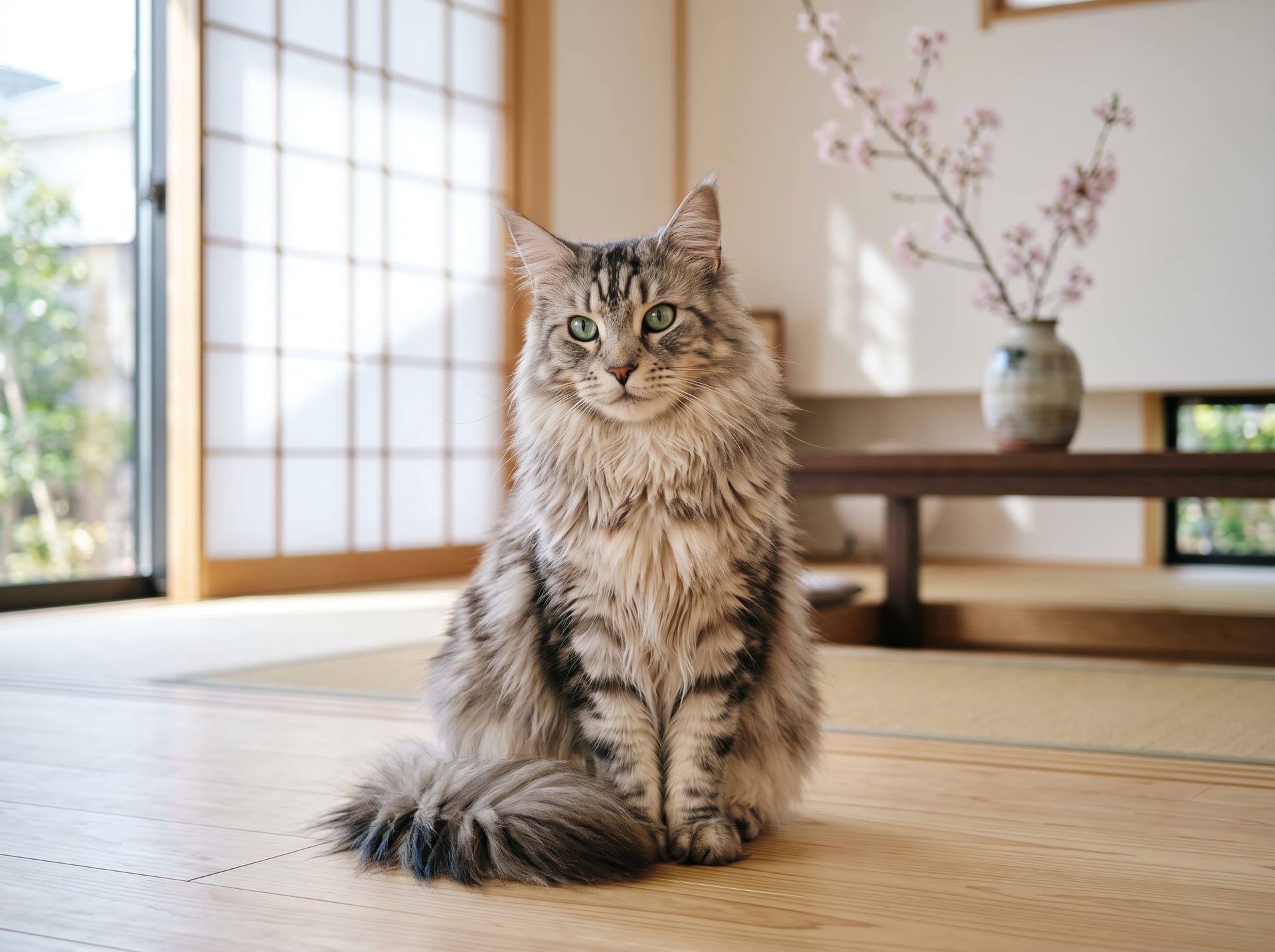
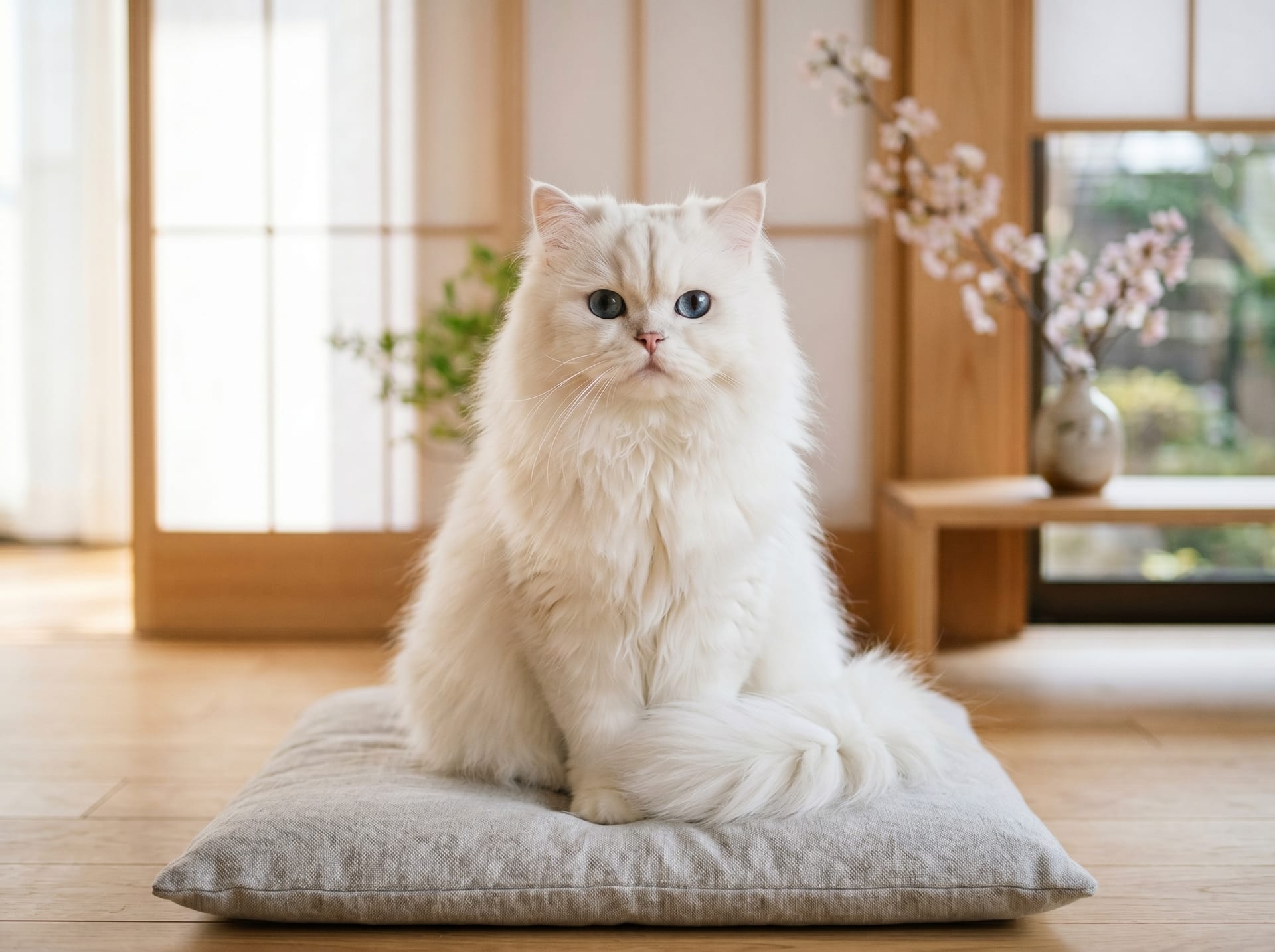
What is a Cat Show?
A Cat Show is an exhibition and competition for purebred cats. Judges evaluate cats based on "breed standards" established for each breed—considering body type, coat quality, eye color, temperament, and other characteristics—and award titles such as Champion.
In Japan, the following organizations primarily host cat shows:
- CFA (The Cat Fanciers' Association): US-based, world's largest
- TICA (The International Cat Association): US-based, relatively open standards
- CFAJ (Cat Fanciers' Association of Japan): CFA's Japan branch
- WCF (World Cat Federation): German-based
- CCA/FIFe member organizations: European-based
Why Participate in Cat Shows?
Significance for Breeders
Cat shows are more than contests—they are a venue to assess the direction of selective breeding. Having judges evaluate how closely your cat matches the breed standard provides valuable insights for improving your breeding program.
Cats with higher titles (Champion, Grand Champion, etc.) gain increased value as breeding animals and serve as proof of quality for kittens.
Significance for Individual Participants
- Build networks with fellow cat enthusiasts and breeders
- Share the love and effort you've invested in your cat
- Deepen knowledge of cat breeds and care practices
- Exchange information with other enthusiasts of your breed
How Cat Shows Work
Class Divisions
Participating cats are divided into classes based on age, sex, and breeding status.
| Class | Target |
|---|---|
| Kitten Class | 4–8 months old |
| Championship | 8 months and older (unaltered) |
| Premiership | 8 months and older (spayed/neutered) |
| Cats/Household Pet | Mixed breeds (TICA calls this Household Pet Class) |
Evaluation Criteria (Standards)
Each breed has a standard established by its governing organization, with maximum points varying by organization (CFA uses 100-point scale, for example). Example evaluation items:
- Head shape, ear shape, size, and position
- Eye color, shape, and size
- Body type, bone structure
- Coat quality, length, color, and pattern
- Tail and leg shape
- Temperament and condition (health status)
Judges individually examine and observe each cat, including hands-on evaluation.
Title Achievement
Using CFA as an example:
- Champion: Earned through a set number of wins
- Grand Champion: Promotion to this title from Champion or above
- National Winner: Top-ranked nationwide for the year
Accumulating titles strengthens a breeder's credibility and reputation.
Preparing to Participate in Cat Shows
Verifying Eligibility
- Breed Registration: Your cat must be registered with an organization like CFA or TICA
- Vaccination: Cats must be current on vaccinations required by the venue (such as FVRCP)
- Health Status: Cats with cold symptoms, skin disease, parasites, or other health issues cannot participate
- Age: Kitten Class requires cats 4 months or older
Pre-Show Conditioning
Cat show venues are highly stressful environments with crowds, unfamiliar cats, and noise. Pre-show conditioning is essential:
- Cage Acclimation: Gradually familiarize your cat with the exhibition pen used at shows
- Handling Practice: Acclimate your cat to being touched by strangers, including paws, ears, and mouth
- Carrier Acclimation: Get your cat comfortable with travel and transportation
- Sound and Scent Desensitization: Increase household activity—play radio, invite guests—to reduce sensitivity
Grooming
Each breed has recommended coat standards. Presenting your cat in peak coat condition on show day directly impacts judging.
- Long-coated breeds (Maine Coon, Persian): Coat should be full, flowing, and beautiful
- Short-coated breeds (British Shorthair, etc.): Coat should have shine and sleek appearance
The Day-of Flow
- Check-in and Cage Setup: Set up your exhibition pen with blankets, toys, and decorations
- Judging Call: When your number is called, bring your cat to the judging ring
- Judge Evaluation: The judge handles, observes, and examines your cat
- Results Announcement: Winners are announced per ring
- Best in Show (BIS): The top award across all classes
Show Cat Condition Management
| Item | Management |
|---|---|
| Weight | Overweight or underweight cats lose points |
| Coat | Daily brushing and regular bathing |
| Eyes | Remove tear stains and discharge |
| Nails | Regular nail trimming |
| Stress Management | Ensure adequate exercise, play, and sleep |
Advice for First-Time Participants
- Attend as a Spectator First: Before your debut, watch shows as an audience member to get a feel for the atmosphere
- Ask an Experienced Person to Accompany You: Having a breeder friend or cat club member with you provides reassurance
- Prioritize Your Cat's Wellbeing: Focus on keeping your cat stress-free rather than chasing titles
- Take Photos: Capture memories with official photographers or your own photos
Summary
Cat shows are a valuable opportunity to learn about purebred cat culture and grow as a breeder. When participating for the first time, prioritize your cat's stress management and build experience gradually without rushing. Shows are held throughout Japan year-round, and information can be gathered through social media and cat clubs. Consider participating as a way to share your cat's unique qualities with a broader community.