Senior Cat Care Guide | How to Recognize Signs of Aging and Create a Comfortable Home | ブリちょく
Cats| ✍️ BreederDirect Editorial
Senior Cat Care Guide | How to Recognize Signs of Aging and Create a Comfortable Home
Learn how to identify early signs of aging in senior cats, along with practical tips for creating a comfortable home environment, managing nutrition, and maintaining health. Essential knowledge to support your beloved cat's long and healthy life.
Key Takeaways
Learn how to identify early signs of aging in senior cats, along with practical tips for creating a comfortable home environment, managing nutrition, and maintaining health. Essential knowledge to support your beloved cat's long and healthy life.
The average lifespan of cats has been increasing, and cats over 15 years old are no longer uncommon. Generally, cats enter their senior years at age 7, and those 11 years and older are called "super-senior" cats. As cats enter their senior years, various bodily functions gradually begin to decline, requiring different care than they needed in their youth. This article explains in detail the signs of illness, nutritional needs, exercise, and daily caregiving tips that senior cat owners should know.
Changes That Occur in a Senior Cat's Body
When cats pass 7 years old, they are equivalent to a 44-year-old human, and the following changes begin to appear:
Decreased muscle mass: Jumping ability declines, and cats can no longer reach high places
Reduced metabolism: Even eating the same amount of food, cats tend to gain weight more easily. Conversely, if a cat is losing weight, it may be a sign of illness
Changes in coat quality: Hair becomes dull, and matting occurs more easily. Grooming frequency also decreases
Decline in sensory function: Declining vision and hearing cause cats to bump into objects and respond less to calls
Increased sleep: Cats spend most of the day sleeping, but extreme changes may indicate illness
Overgrown nails: Scratching frequency decreases, making ingrown nails more likely. Regular nail trimming is important
While these changes are natural signs of aging, sudden changes may indicate illness. It's important to observe your cat's condition daily and not miss small changes. If cognitive decline is suspected, please also refer to the Senior Cat Cognitive Dysfunction (CDS) Guide.
Key Points in Nutrition Management
Nutrition management is one of the most important factors in maintaining a senior cat's health.
Switch to senior cat food: Around age 7, switch to senior-formulated food that is low in phosphorus and sodium to support kidney health. Sudden changes can cause diarrhea, so gradually mix in the new food over 1-2 weeks
✍️
BreederDirect Editorial
The BreederDirect editorial team specializes in care information for animals, covering veterinary care and breeding to deliver beginner-friendly guides.
Find Cats on BreederDirect
Buy directly from verified breeders
Browse Related Listings
Find Cats listings related to this article on BreederDirect. Buy directly from verified breeders.
Focus on protein quality: Senior cats need high-quality protein to maintain muscle mass. Choose food with chicken or fish as the main ingredients
Encourage water intake: Senior cats are prone to dehydration, and proper hydration is important for kidney disease prevention. Effective strategies include increasing wet food, installing multiple water fountains, and adding warm water to dry food
Feed in smaller, frequent portions: Since digestive function declines, dividing meals from 2 times a day into 3-4 feedings reduces strain on the digestive system
Consider supplements: In consultation with your veterinarian, consider supplements such as joint support (glucosamine), kidney support, and omega-3 fatty acids
If your cat's appetite suddenly decreases or increases abnormally, it may be an early sign of illness. If your cat doesn't eat for more than 2 days, seek veterinary care immediately.
Exercise and Environmental Adjustments
While senior cats naturally exercise less, moderate activity is important for maintaining muscle, preventing obesity, and preserving cognitive function.
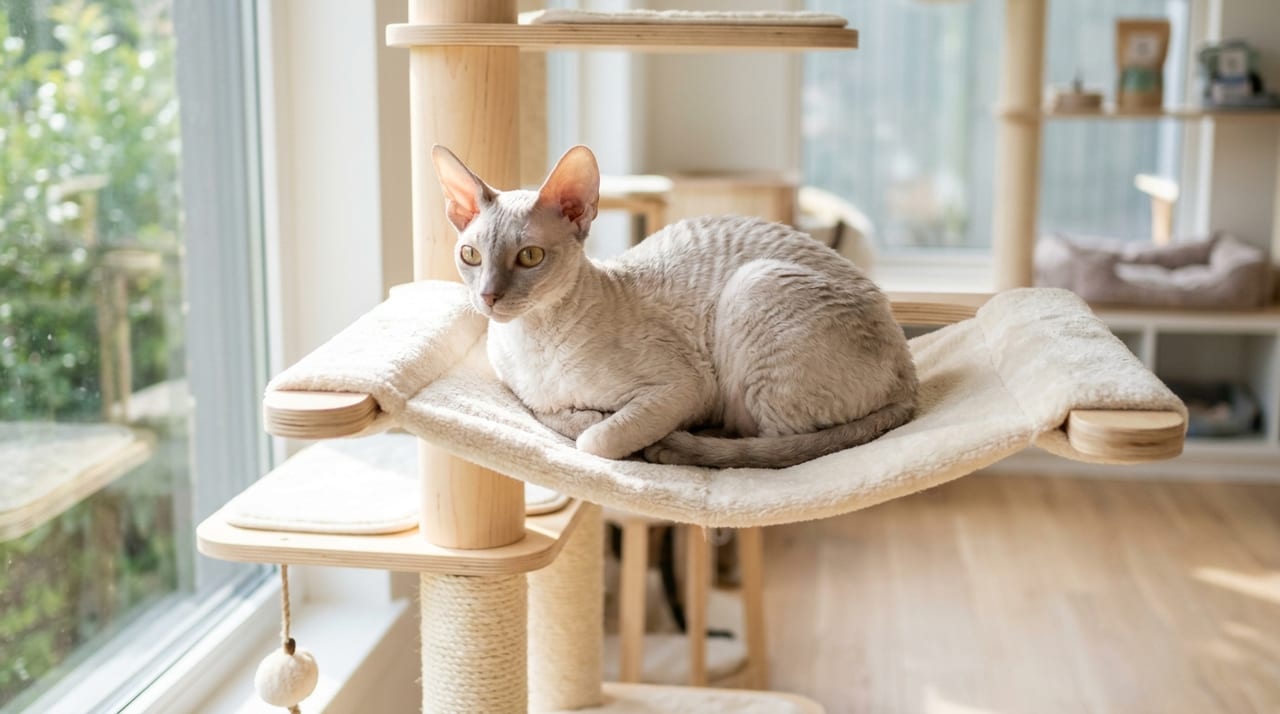
Switch to lower cat trees: Replace tall cat trees with ones that have smaller steps and ramps designed for senior cats with reduced jumping ability
Install step platforms: Place step platforms next to beds and sofas to help your cat reach their favorite high places
Short play sessions: Provide 2-3 short play sessions of about 5-10 minutes each day using wand toys or balls. Keep activities within a comfortable range for your cat
Upgrade the litter box: Switch to a box with a lower entrance. You can also cut down one side to make entry and exit easier for cats with weakened legs
Provide warm bedding: Since senior cats have reduced body temperature regulation, provide warm spots with pet heaters or blankets during cold months
Use non-slip flooring: If hardwood floors are slippery, place carpets or mats to reduce strain on joints
If you notice your cat's legs and spine weakening, observe for signs of arthritis. Detailed symptoms and management strategies are explained in the Cat Arthritis and Orthopedic Disease Guide.
Common Diseases in Senior Cats and Early Warning Signs
Knowing about common diseases in senior cats allows for early detection and treatment.
Chronic kidney disease: The leading cause of death in cats. Early signs include excessive drinking and urination, decreased appetite, weight loss, and coat deterioration. Early detection is possible with blood and urine tests performed 1-2 times per year. For detailed prevention and management strategies, see Early Detection and Prevention of Feline Chronic Kidney Disease
Hyperthyroidism: Common in cats 10 years and older. Characterized by weight loss despite good appetite, unusually increased activity, excessive drinking and urination, and vomiting. Confirmed through blood tests measuring thyroid hormone levels
Diabetes: Common in overweight cats. Signs include excessive drinking and urination, weight loss despite increased appetite, and hind leg instability
Stomatitis and periodontal disease: Signs include increased drooling, bad breath, and changes in eating habits (chewing only on one side, avoiding dry food). Daily care methods are detailed in the Complete Cat Dental Care Guide
Arthritis: Signs include reluctance to jump to high places, avoiding stairs, and areas of the body left ungroomed
Cognitive dysfunction (feline dementia): Symptoms include nighttime vocalization, inappropriate elimination, getting lost in familiar places, and not recognizing owners
Most of these diseases can be detected early with regular health checkups. We strongly recommend that senior cats have health examinations twice a year.
Daily Caregiving Tips
Daily care can significantly improve a senior cat's quality of life (QOL).
Brushing: Gently brush daily, focusing on areas your cat no longer grooms themselves. This promotes blood circulation and allows skin checks
Nail trimming: Check every 2 weeks. Ingrown nails can cut into the paw pad and cause pain
Oral care: Brush teeth if possible. If your cat resists, use dental gels or oral care treats
Weight management: Weigh your cat at the same time each week. Sudden weight changes are signs of illness
Monitor elimination: Keep track of litter box frequency, urine amount and color, and stool consistency. Seek veterinary care if anything seems abnormal
Physical contact: Gentle stroking can help you discover lumps or painful areas. Pay attention if your cat shows increased sensitivity to touch in certain areas
End-of-Life Care and Saying Goodbye
While difficult to discuss, preparing to help your beloved cat have a peaceful end is important.
Consult with your veterinarian: Discuss care plans that adapt as the disease progresses. Confirm what palliative care options are available
Home hospice: Often, spending time in a familiar environment is the most comforting choice for cats
Deciding about force-feeding: This is a difficult decision when your cat stops eating. Consult with your veterinarian and prioritize your cat's quality of life
Preparing for grief: Treasure the time you spend with your cat. Keeping photos and videos can provide comfort later
Finding a Trustworthy Breeder
A senior cat's health is greatly influenced by genetics and early rearing environment. To welcome a healthy, long-living cat into your home, it's important to choose a breeder who conducts genetic disease testing and maintains proper health management of parent cats. Through br-choku, you can adopt directly from trustworthy breeders and verify the health information and living conditions of the parent cats in advance. Welcome your new family member through a reliable source.