What is a Hairball?
A hairball is a clump of fur that accumulates in a cat's stomach after being swallowed during grooming. A cat's tongue is covered with small, hook-like projections called papillae, and shed hair caught on these projections is swallowed, forming a hairball.
Small amounts of hair normally pass through the digestive tract and are excreted in feces, but when excessive amounts accumulate, the cat will either vomit it up or, in the worst case, develop an intestinal blockage.
Cats Prone to Hairballs
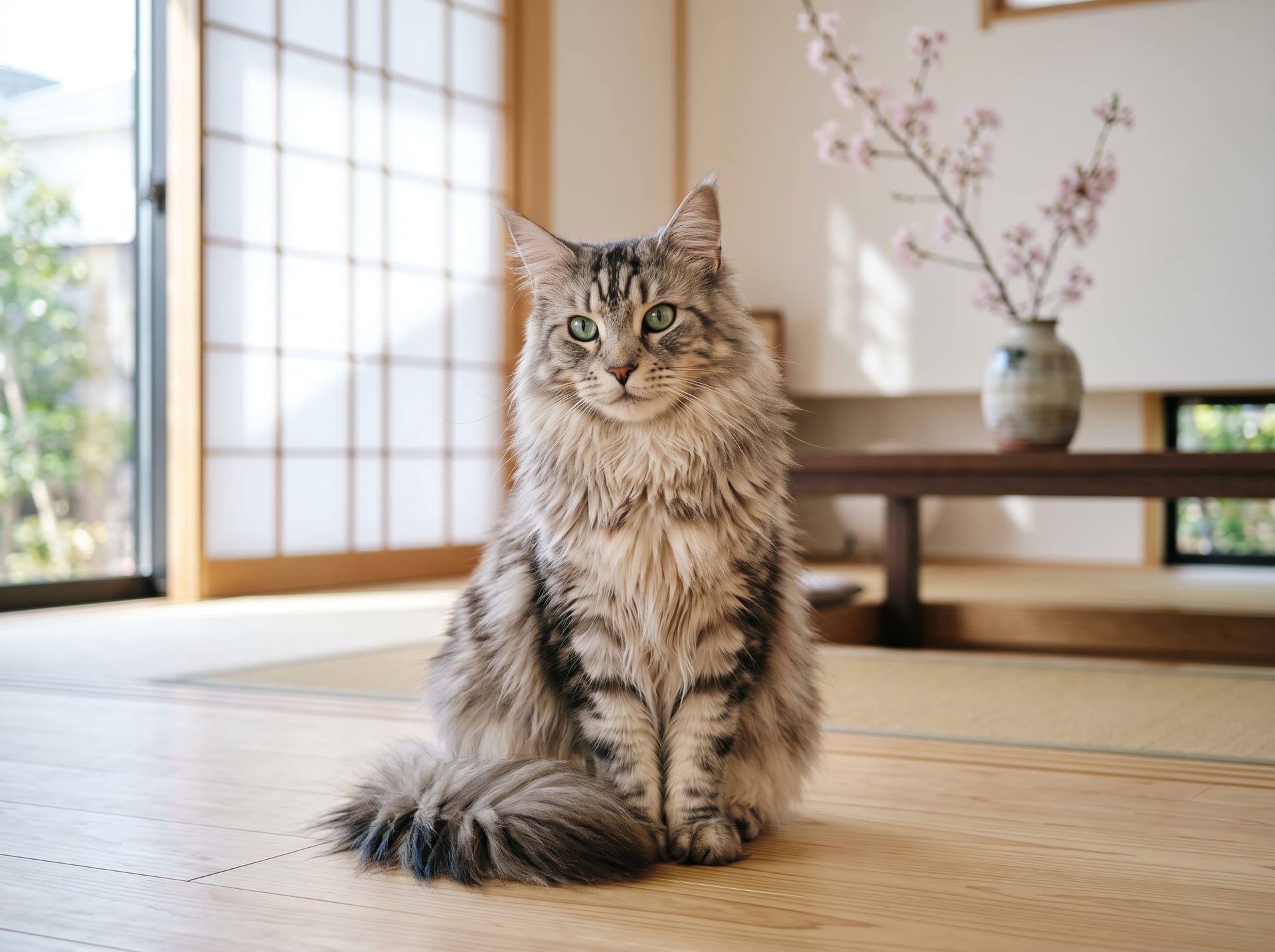
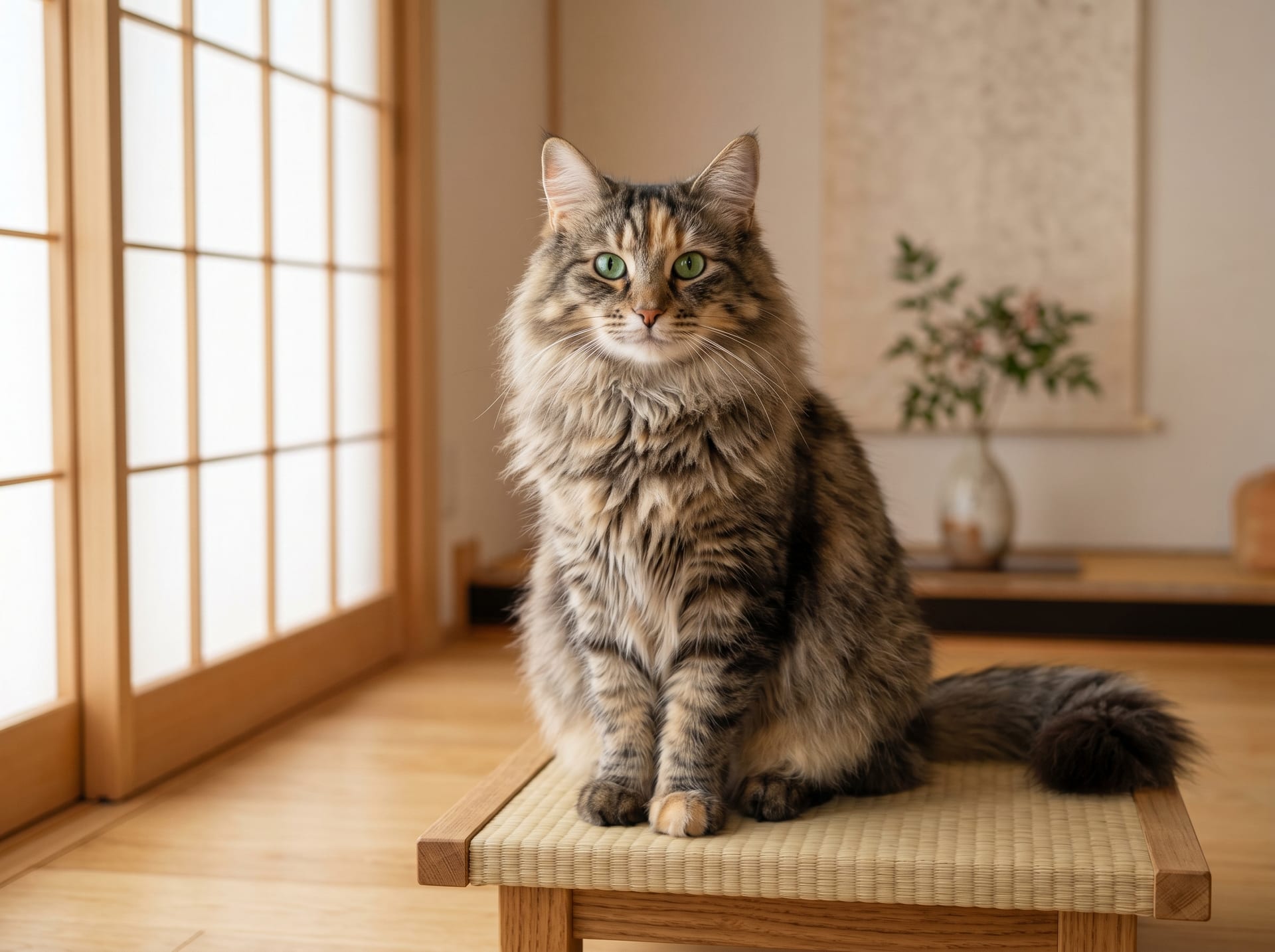
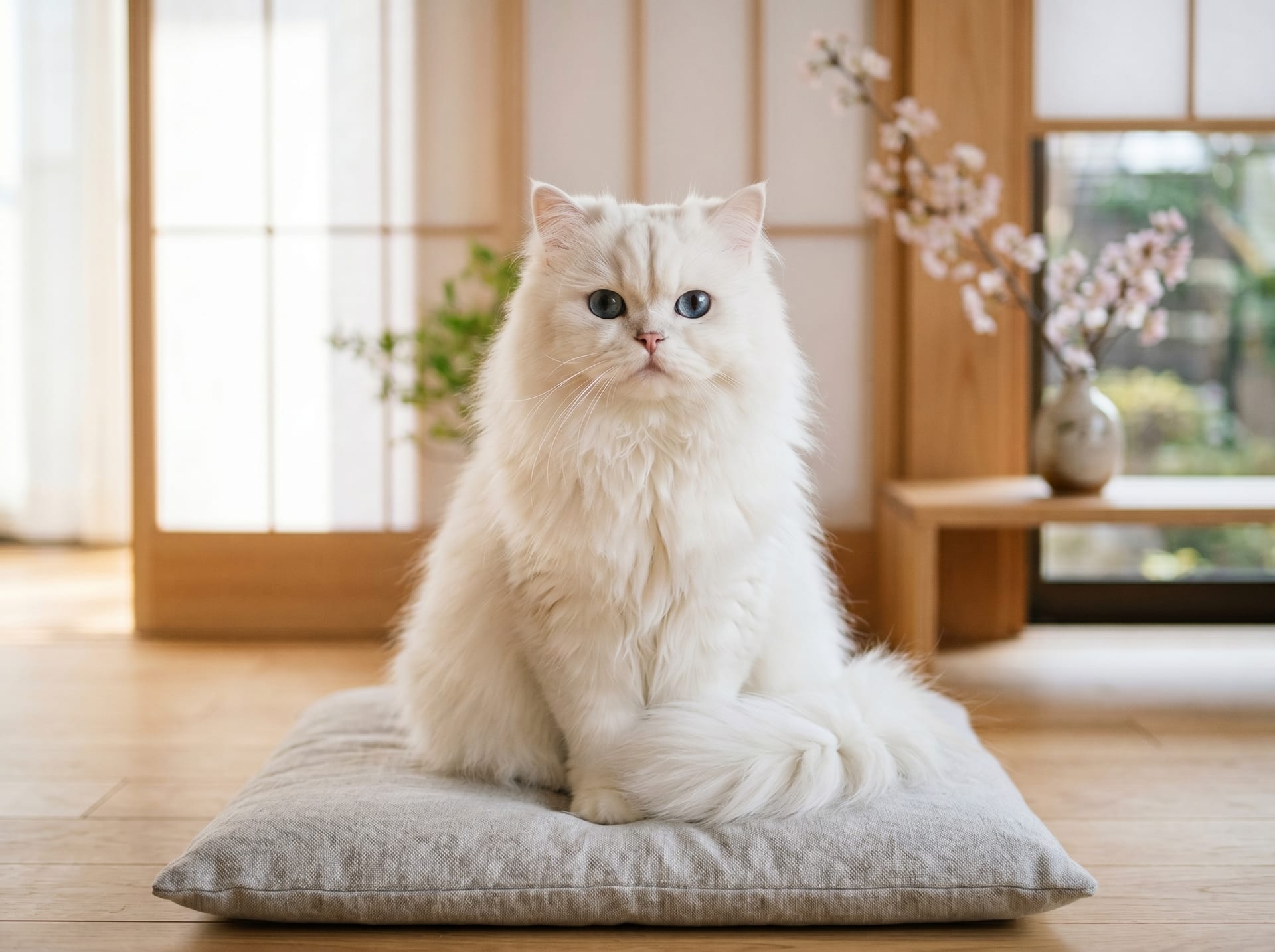
- Long-haired breeds (Persian, Maine Coon, Norwegian Forest Cat, etc.)
- Cats that groom frequently (fastidious or anxious cats)
- Cats during shedding seasons (spring and fall): When shedding increases dramatically
- Senior cats: Reduced intestinal motility makes hair harder to expel
Hairball Symptoms
Normal Hairball Expulsion (Normal Physiological Response)
When a cat makes a gagging sound, heaves its abdomen, and vomits up a long, cylindrical hairball, this is a normal physiological response. If this happens about 1–2 times per month, it is generally not a cause for concern.
Warning Signs to Watch For
If the following signs persist, please consider consulting a veterinarian:
| Sign | Possible Condition |
|---|
| Vomiting attempts 3 or more times per week | Excessive hairball accumulation |
| Attempts to vomit but nothing comes up | Possible intestinal blockage |
| Loss of appetite lasting 2 days or more | Intestinal blockage or digestive tract disorder |
| No bowel movement for 3 days or more | Intestinal blockage or constipation |
| Lethargy and lack of energy | Overall health decline |
| Abdominal pain when touched | Intestinal blockage or enteritis |
Intestinal blockage is a life-threatening emergency. If your cat shows no appetite and repeatedly attempts to vomit without producing anything, seek immediate veterinary care.
Prevention Method 1: Brushing
The most effective way to prevent hairballs is to remove loose hair before it enters the cat's mouth.
Recommended Brushing Frequency
| Hair Length | Normal Season | Shedding Season (Spring/Fall) |
|---|
| Short-haired | 2–3 times per week | Daily to every other day |
| Long-haired | Daily | Twice per day |
Brushing Tips
- Avoid brushing immediately after meals (cats being digested are less receptive)
- Start with short sessions (begin with 1–2 minutes, gradually increase to 5–10 minutes)
- Brush in your cat's favorite location and position (when the cat is purring contentedly)
- Use both a comb and a slicker brush appropriately: Use the comb to detangle mats, and the slicker brush to remove loose fur
- Reward your cat when finished (create a positive association with brushing)
Prevention Method 2: Hairball-Control Food
Hairball-control cat foods are designed to "increase dietary fiber and aid the expulsion of hair."
Why Hairball-Control Food is Effective
- Increased insoluble fiber (cellulose, psyllium, etc.)
- Breaks up hairballs into smaller pieces and aids intestinal passage
- Some formulas include digestive enzymes to promote digestion
Important Notes
Hairball-control food is intended for prevention and is ineffective if intestinal blockage is already suspected. The ideal use is to feed it preventively to long-haired cats or before shedding seasons.
Prevention Method 3: Hairball Paste and Oil
Over-the-counter hairball paste (containing malt extract and other ingredients) or small amounts of olive oil or butter given 1–2 times per week can help expel hair from the digestive tract.
How to Use
- Hairball paste: Apply a small amount to the cat's paws or mouth (the cat will lick it off) according to product instructions
- Olive oil: Mix about 1/4 teaspoon into food, 1–2 times per week
Important Notes
Excessive use of oils can cause diarrhea. Always use only the appropriate amount and limit application to about 1–2 times per week.
Prevention Method 4: Cat Grass (Pet Grass)
Cat grass (oats, wheat, barley, etc.) is something cats often eat spontaneously after grooming. Plant fiber is believed to support digestive tract motility and promote hairball expulsion.
How to Grow Cat Grass
- Easy to grow from seeds available at garden centers or dollar stores
- Water 3–4 times per week, watering at the base
- Reaches edible height in 10–14 days
- Can be kept permanently available (cats will self-regulate) since overeating may cause vomiting
Adequate hydration promotes digestive tract motility and helps expel hair.
Tips to Increase Water Intake
- Include wet food: High water content (75–80%)
- Place multiple water bowls (cats prefer water away from their litter box)
- Use a cat water fountain (many cats prefer running water)
- Mix a small amount of water into food (especially for dry kibble)
Age and Body Type Considerations
Long-Haired Cats
In addition to daily brushing, consider professional grooming every 1–2 months. Pay special attention to the back of the neck, armpits, and inside of the hind legs, as these areas are prone to matting.
Senior Cats (7 Years and Older)
Reduced intestinal motility makes hairball expulsion more difficult. Switching to hairball-control food and increasing brushing frequency are the cornerstones of prevention.
Overweight Cats
Excess weight compromises digestive function. Proper weight management is important for hairball prevention.
Conclusion
Hairball prevention is fundamentally about being proactive. The most effective preventive strategies include daily brushing to remove loose hair, feeding fiber-rich food, ensuring adequate water intake, and offering cat grass to promote digestive tract motility. Hairball expulsion 1–2 times per month is within the normal range, but if frequency increases or you notice loss of appetite and lethargy, consider consulting a veterinarian. Regular observation of your cat's fur condition and vomiting frequency is key to early detection and prompt treatment.