Complete FIP guide: understanding FCoV mutation, wet vs dry type symptoms, diagnostic tests, antiviral treatment options, and prevention strategies.
Key Takeaways
Complete FIP guide: understanding FCoV mutation, wet vs dry type symptoms, diagnostic tests, antiviral treatment options, and prevention strategies.
Feline Infectious Peritonitis (FIP): A Complete Guide for Cat Owners
For decades, feline infectious peritonitis (FIP) was known as a disease with a near-100% fatality rate once clinical signs appeared. That has changed substantially. Recent advances in antiviral therapy have transformed the prognosis for many cats diagnosed with FIP, and the landscape of treatment continues to evolve. This guide covers the biology of FIP, its symptoms, how it is diagnosed, current treatment options, and what can be done to reduce risk.
Important: This article is for general informational purposes only and does not constitute veterinary medical advice. Always consult a licensed veterinarian about your cat's health. Information about FIP treatment is evolving rapidly — the current options and protocols available to you may have changed since any written resource was published.
What Is FIP?
FIP is caused by a mutation in a common virus called feline coronavirus (FCoV).
The Relationship Between FCoV and FIP
Feline coronavirus (FCoV) is extraordinarily prevalent in cats, particularly in multi-cat environments. In its typical form — feline enteric coronavirus (FECV) — it causes mild gastrointestinal symptoms or no symptoms at all. Most infected cats never develop FIP.
✍️
BreederDirect Editorial
The BreederDirect editorial team specializes in care information for animals, covering veterinary care and breeding to deliver beginner-friendly guides.
Find Cats on BreederDirect
Buy directly from verified breeders
Browse Related Listings
Find Cats listings related to this article on BreederDirect. Buy directly from verified breeders.
The problem arises when FCoV mutates within an individual cat into a virulent form: feline infectious peritonitis virus (FIPV). Unlike the original virus, FIPV can replicate inside macrophages (immune cells). In affected cats, the immune system mounts a dysregulated response that drives systemic inflammation — this is FIP.
Key points:
- FCoV infection does NOT equal FIP (most infected cats remain healthy)
- Why the mutation occurs in some cats but not others is not fully understood
- Genetic susceptibility, immune status, stress, and age are all thought to be contributing factors
Who Is Most at Risk?
FIP is more likely to develop in:
- Young cats (6 months to 2 years) and elderly cats (12+ years)
- Cats in multi-cat environments where FCoV circulates widely
- Intact males (slightly higher risk than females)
- Cats under stress or immunological challenge
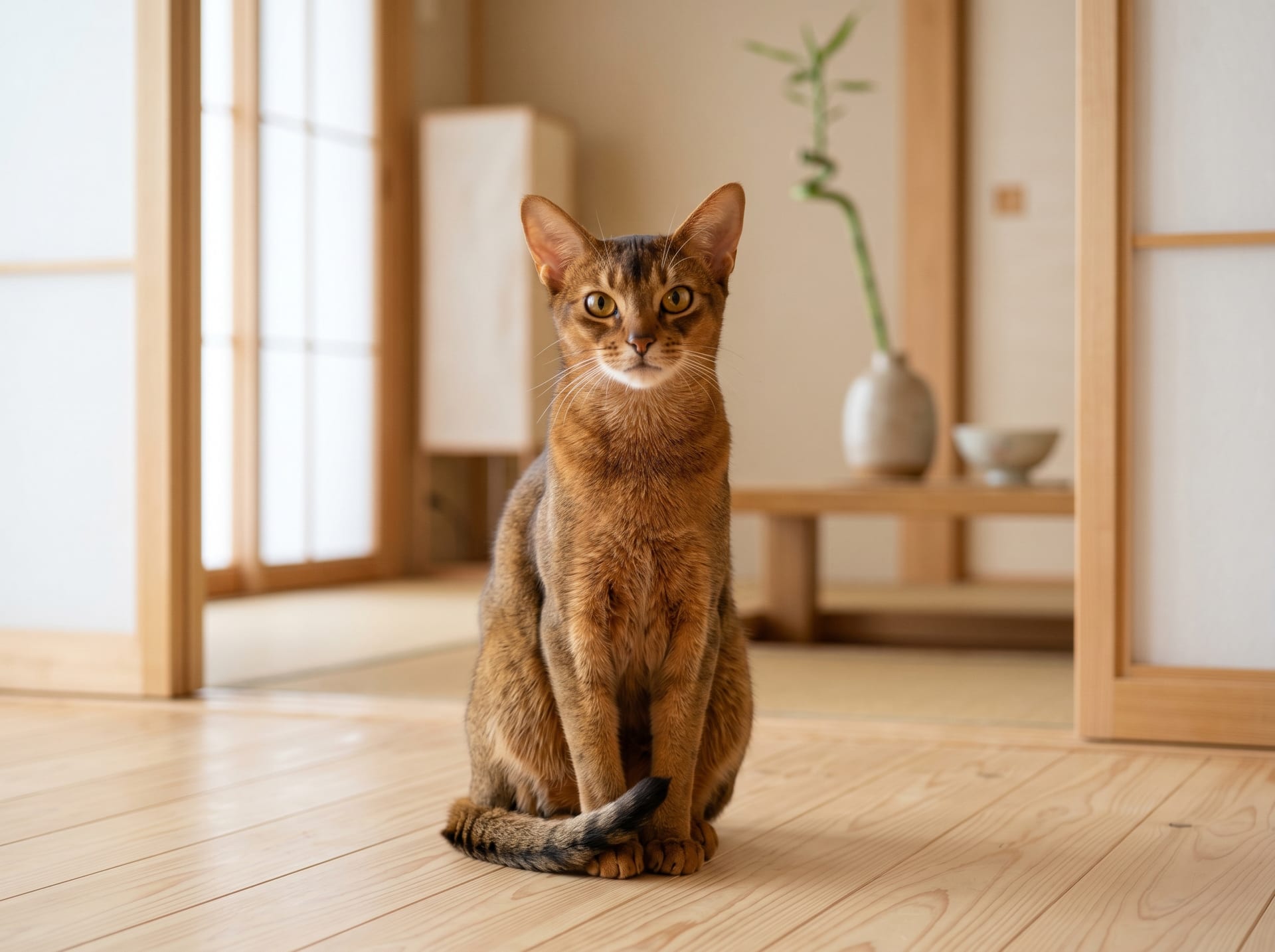
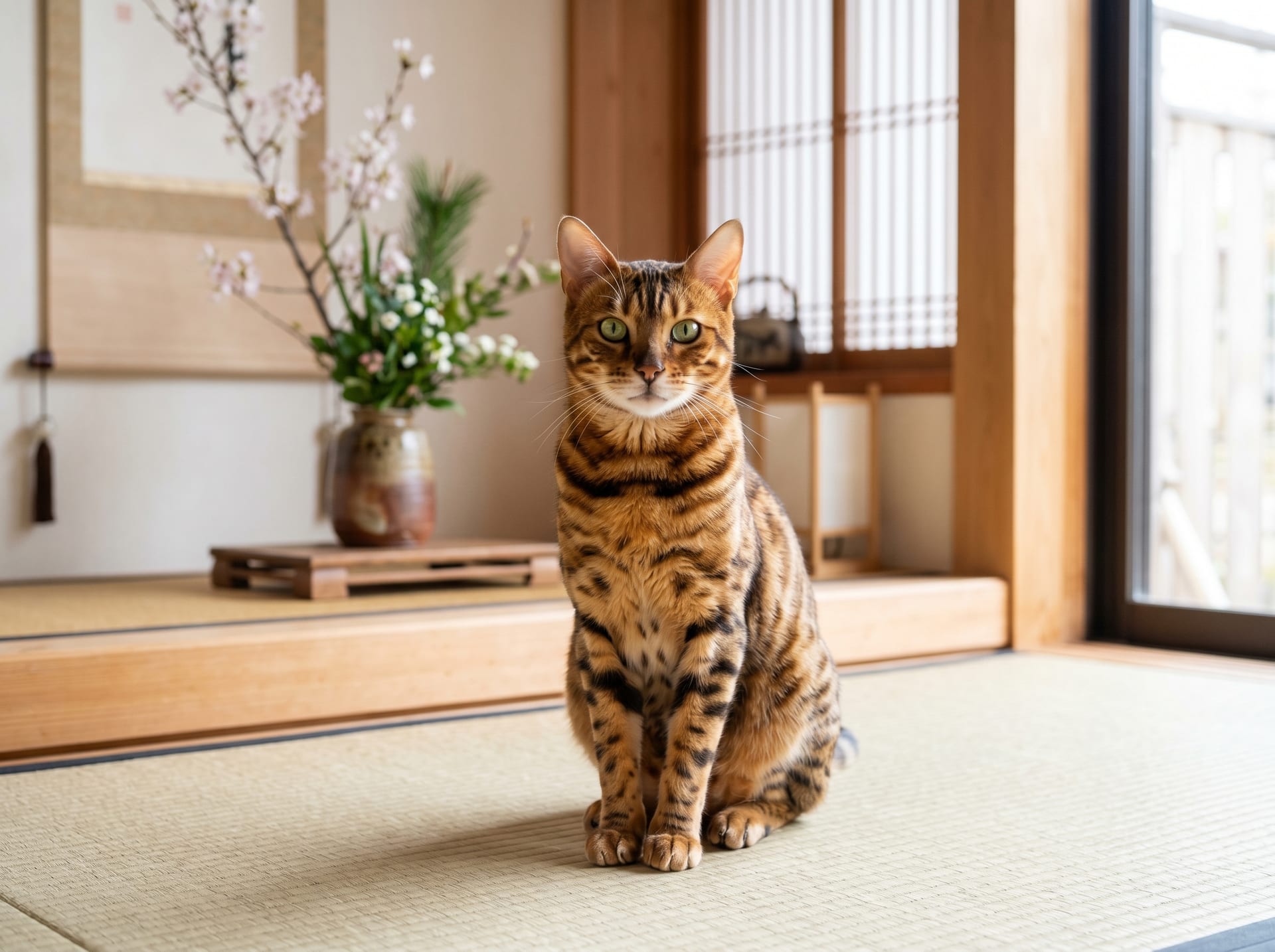
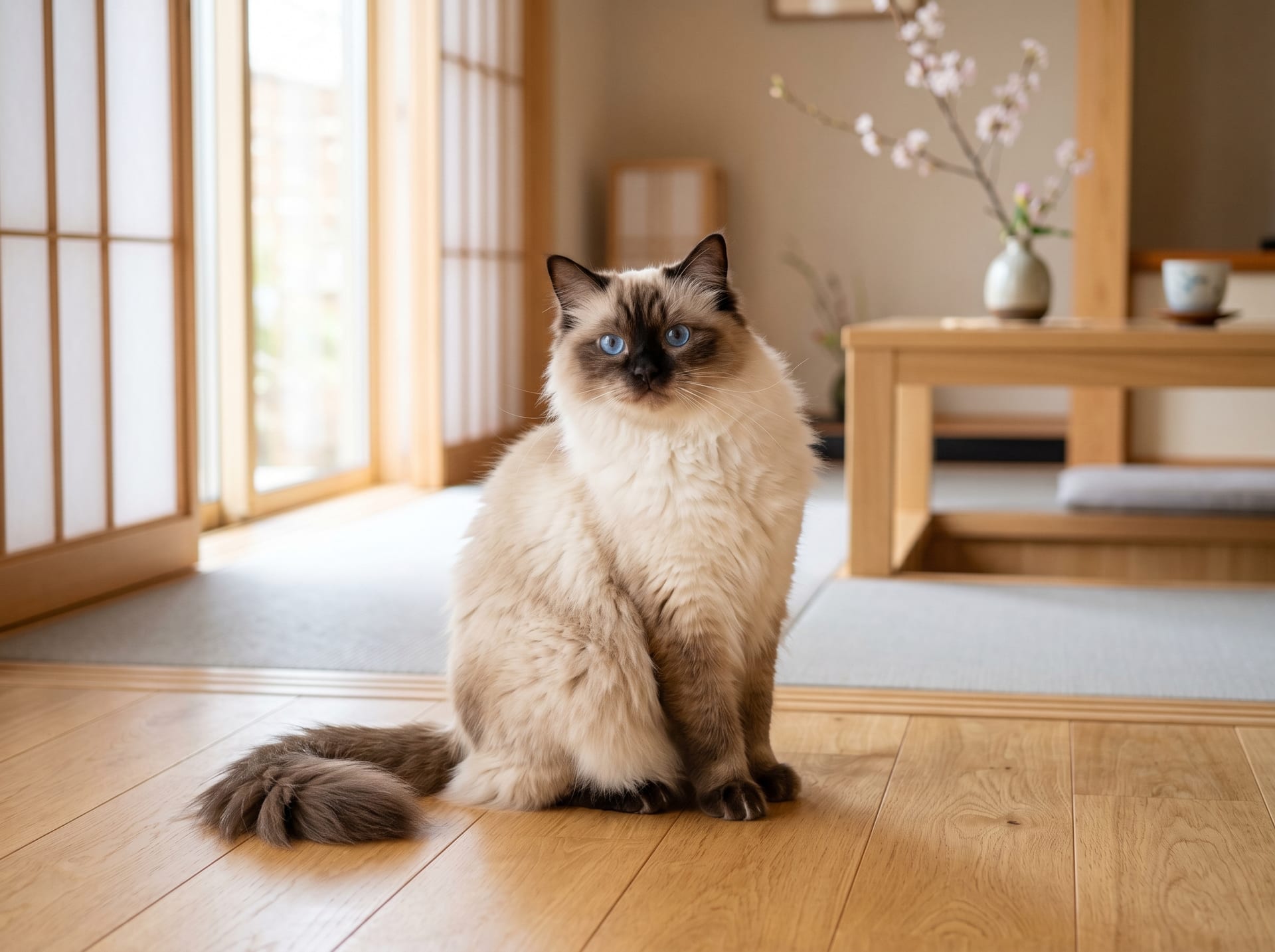
- Certain breeds — Ragdoll, Abyssinian, Bengal, and others have been noted in some studies to have modestly elevated prevalence
Forms of FIP and Their Symptoms
FIP occurs in two primary forms with partially overlapping symptoms.
Effusive (Wet) FIP
Approximately 75% of FIP cases. Characterized by the accumulation of fluid in body cavities.
Signs:
- Abdominal distension: Fluid accumulates in the peritoneal cavity — the belly visibly swells. The fluid is typically pale yellow, viscous, and protein-rich.
- Respiratory distress: Pleural effusion (fluid around the lungs) causes labored breathing and open-mouth breathing
- Persistent fever: Does not respond to antibiotics
- Anorexia and weight loss
- Lethargy
- Jaundice: Yellow discoloration of the skin, sclera (whites of the eyes), and gums, indicating hepatic involvement
Non-Effusive (Dry) FIP
No prominent fluid accumulation; symptoms are more varied and diagnosis is more challenging.
Signs:
- Neurological signs: Ataxia (incoordination), seizures, head tilt, nystagmus (involuntary eye movement)
- Ocular signs: Uveitis, hyphema (blood in the anterior chamber of the eye), retinal detachment
- Organ involvement: Granulomas (inflammatory nodules) forming in abdominal organs such as the kidneys, liver, or lymph nodes
- Fever, anorexia, weight loss (shared with wet FIP)
Diagnosis
FIP is notoriously difficult to diagnose definitively. No single test gives a definitive "FIP positive" result.
Blood Tests
Hyperglobulinemia: Markedly elevated serum globulin — a consistent but non-specific finding
Anemia: Mild to moderate anemia from chronic inflammation
Low albumin: A depressed albumin-to-globulin ratio (A/G ratio) below 0.4 is highly suggestive of FIP
When fluid is present, analysis of the aspirated fluid is informative:
- Appearance: Pale yellow, viscous, "engine oil" consistency
- High protein content: Typically >3.5 g/dL
- Rivalta test: A drop of fluid in water forms a "jellyfish" precipitate — high sensitivity and specificity for FIP
PCR Testing
Detection of FIP virus RNA in effusion fluid, cerebrospinal fluid, or tissue samples. A positive PCR result is strong supportive evidence.
Histopathology
Definitive diagnosis can be made from biopsy of affected tissue. This is the gold standard but is invasive and not performed in every case.
Current Treatment Options
Antiviral Therapy
GS-441524 (a nucleoside analog)
This compound is related to the prodrug remdesivir, developed originally for Ebola and COVID-19. Since around 2019, it has been used to treat FIP in cats, with numerous case reports and studies from around the world documenting sustained remission and apparent cures in many treated cats.
In Japan, veterinary-approved FIP treatment products have become available since around 2024. The specific drugs available to you, appropriate dosing, and treatment protocols are evolving — consult a veterinarian with FIP treatment experience for current guidance.
Treatment considerations:
- Earlier diagnosis and earlier treatment initiation are associated with better outcomes
- A minimum treatment course of 84 days (12 weeks) is generally required
- Neurological and ocular FIP may respond differently than effusive FIP
- Treatment can be costly
Supportive Care
Alongside antiviral therapy, supportive treatment addresses symptoms:
- Corticosteroids to modulate the immune-mediated inflammatory component
- Drainage of effusion (to relieve respiratory distress in wet FIP)
- Nutritional support and appetite stimulants
Reducing Risk: What You Can Do
There is no guaranteed way to prevent FIP, but risk-reducing management is possible.
Reduce FCoV Transmission
FCoV is shed in feces and transmitted fecal-orally. Litter box hygiene directly affects transmission risk.
Clean litter boxes daily: Provide at least one more litter box than the number of cats in the household
Quarantine new arrivals: A minimum 2–4 week isolation period for any new cat before introduction to existing residents
Manage group size: Overcrowding in multi-cat environments dramatically increases FCoV circulation
Stress Reduction
The relationship between stress, immune function, and FIP development is supported by clinical observation if not fully characterized mechanistically.
Provide adequate individual territory, hiding spaces, and vertical perches
Minimize abrupt changes (new pets, household moves, major schedule disruptions)
Maintain good nutrition and schedule regular veterinary health checks
Vaccination
A FCoV vaccine is available in Japan, but its efficacy has been questioned in various assessments, and it is not universally recommended. Discuss its appropriateness for your cat's situation with your veterinarian.
When to Seek Veterinary Care Immediately
Seek veterinary attention promptly if a young cat (under 2 years) shows:
- Sudden abdominal distension
- Persistent fever not responding to antibiotics
- Sudden severe loss of appetite or energy
- Neurological signs (incoordination, head tilt, seizures)
- Eye changes (redness, cloudiness, apparent vision loss)
FIP progresses rapidly. Early diagnosis significantly improves the odds of a good treatment outcome.
---
br-choku lists specialist cat breeders who can tell you about their FCoV management practices and testing protocols. Questions like "Do you screen for FCoV antibodies?" and "How many cats are in your facility?" are entirely appropriate to ask before purchasing. Find specialist breeders and connect directly through the platform.