Cat Shampooing & Bath Guide | How to Acclimate Reluctant Cats and Tips for Proper Drying
A comprehensive guide to shampooing your cat, covering key procedures and precautions. Learn how to select cat-specific shampoo, gently wet your cat with lukewarm water, rinse thoroughly without leaving residue, dry with a hair dryer, gradually acclimate water-averse cats, and use dry shampoo effectively. We also provide bathing frequency guidelines to prevent skin issues.
Key Takeaways
A comprehensive guide to shampooing your cat, covering key procedures and precautions. Learn how to select cat-specific shampoo, gently wet your cat with lukewarm water, rinse thoroughly without leaving residue, dry with a hair dryer, gradually acclimate water-averse cats, and use dry shampoo effectively. We also provide bathing frequency guidelines to prevent skin issues.
Do Cats Need Baths?
Cats are extremely clean animals, spending several hours each day grooming themselves. Because of this, it's easy to think that "cats clean themselves, so bathing is unnecessary," but there are situations where owners need to shampoo them.
✍️
BreederDirect Editorial
The BreederDirect editorial team specializes in care information for animals, covering veterinary care and breeding to deliver beginner-friendly guides.
Find Cats on BreederDirect
Buy directly from verified breeders
Browse Related Listings
Find Cats listings related to this article on BreederDirect. Buy directly from verified breeders.
When therapeutic shampooing is needed for seborrheic skin conditions or dermatological issues
When mud, feces, oils, or other substances get stuck in the coat
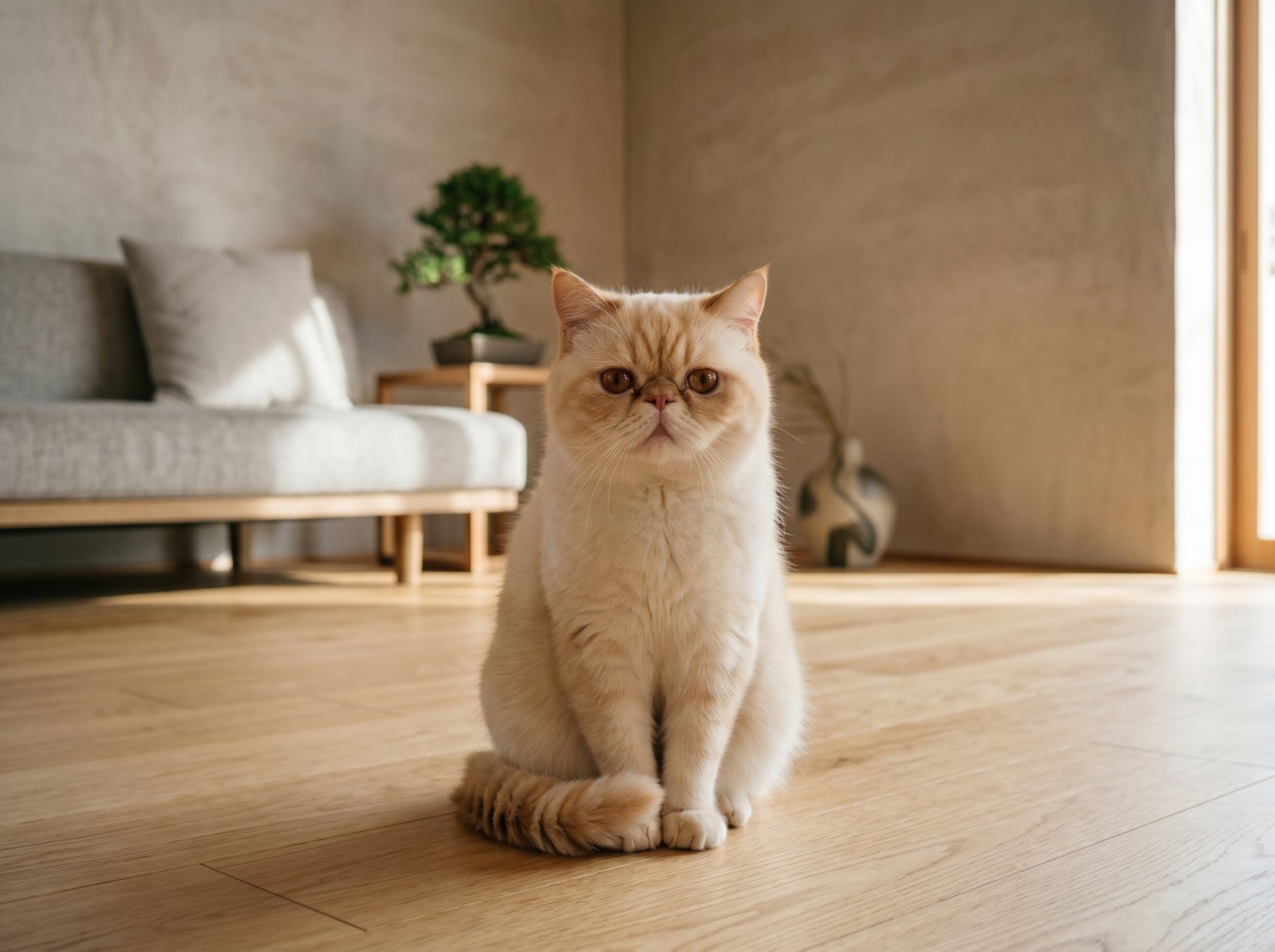
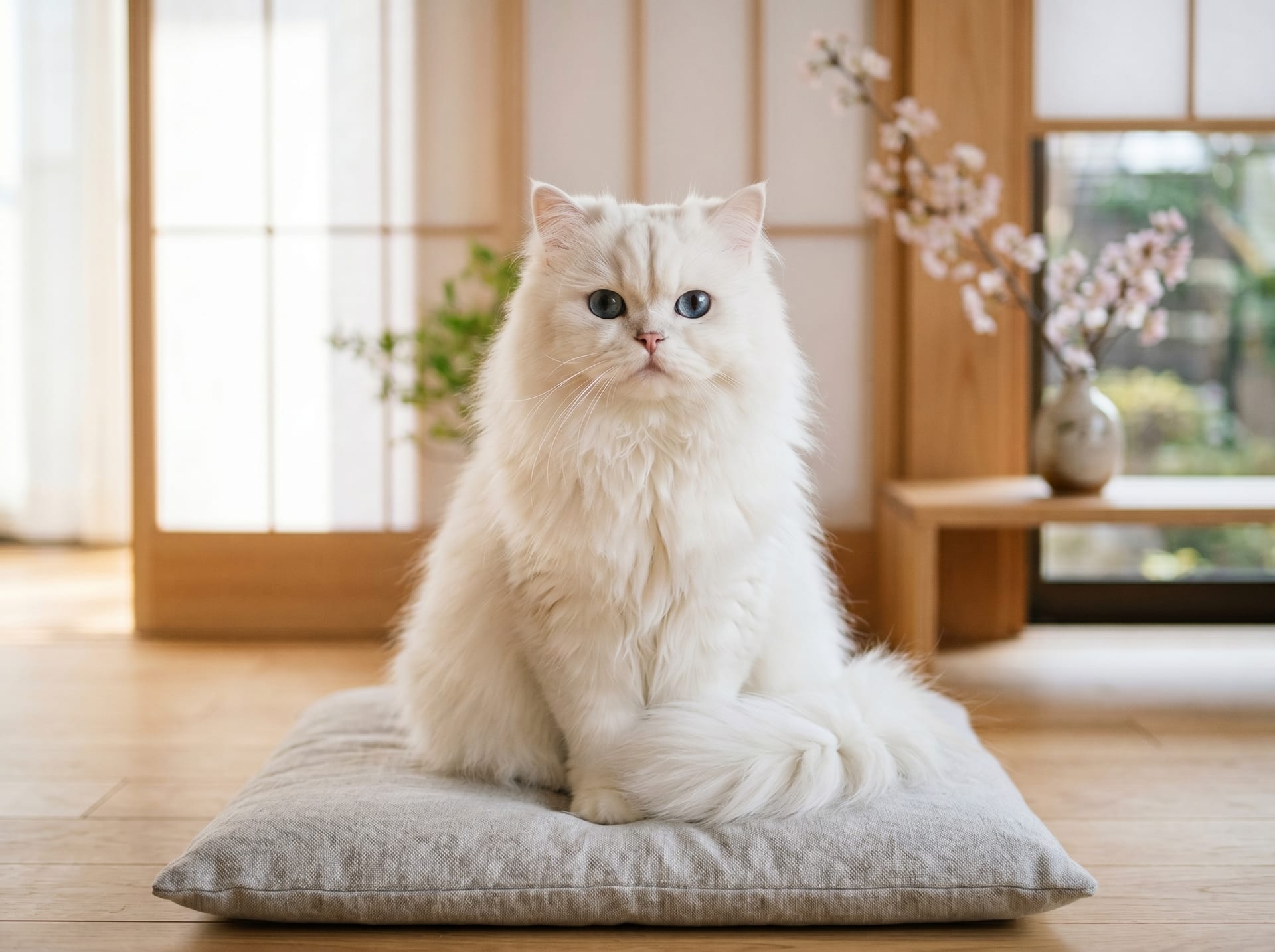
When a flat-faced breed (Persian, Exotic Shorthair, etc.) cannot reach certain areas during self-grooming
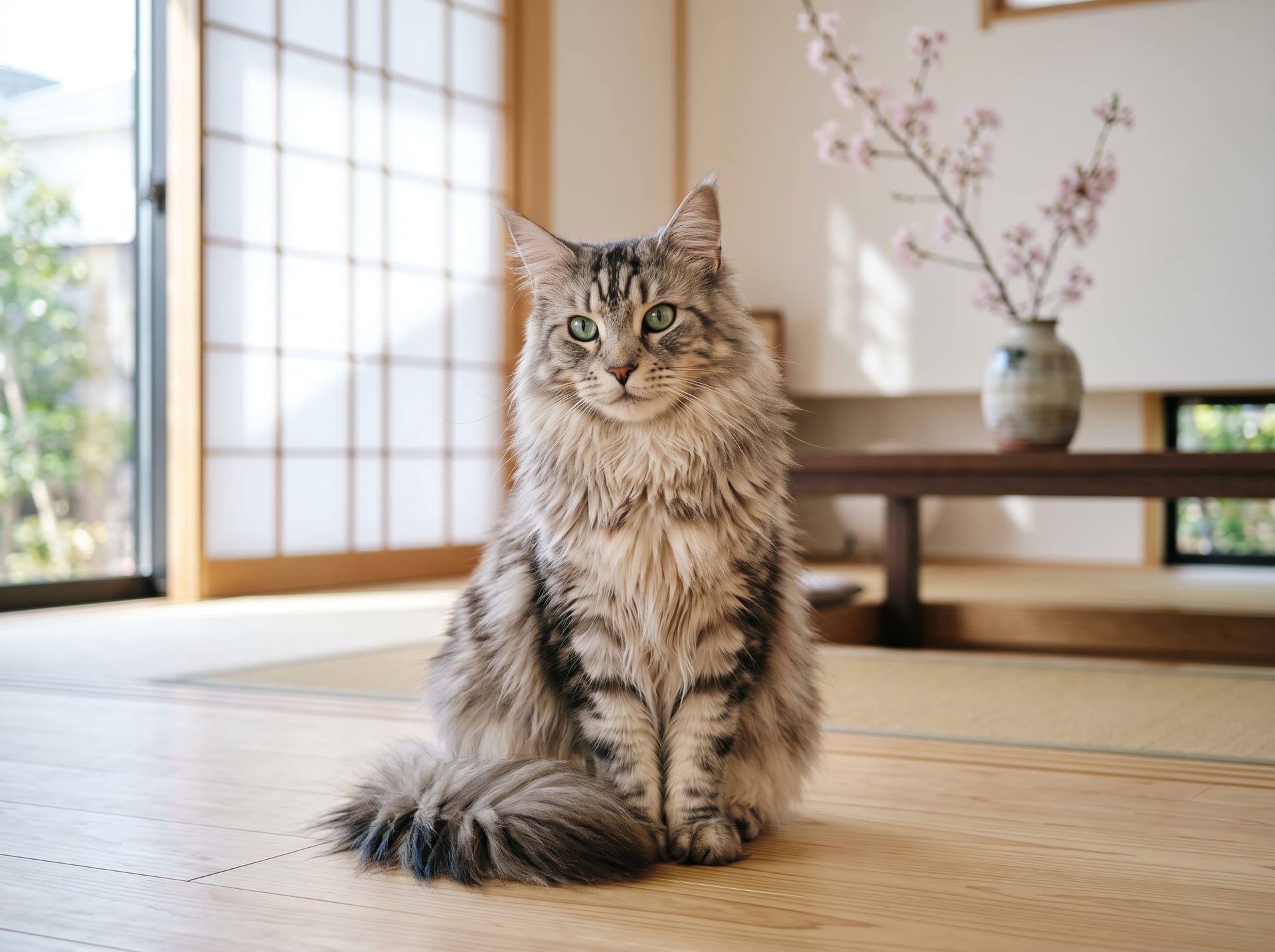
When a long-haired breed develops excessive matting
When post-surgical hygiene management is necessary
Conversely, for healthy short-haired cats kept indoors with no skin issues, shampooing once a month is sufficient, and over-washing damages the skin's protective barrier (natural oils).
Recommended Bathing Frequency
Cat Type
Recommended Frequency
Short-haired (typical indoor cat)
Once or twice monthly, or when dirty
Long-haired (Maine Coon, Persian, etc.)
2–4 times monthly (to prevent matting)
With skin conditions
Follow veterinarian's instructions (may include medicated shampoo 1–2 times weekly)
Flat-faced breeds
2–3 times monthly (facial folds and eye discharge areas require separate cleaning)
Gather Necessary Supplies
Preparing supplies beforehand ensures a smooth process. Since cats dislike getting wet, it's important to keep the bath as quick as possible.
What You'll Need
Cat-specific shampoo: Do not use human or dog products, as their ingredients (especially essential oils and preservatives) can harm a cat's skin and liver
2–3 towels (large ones are preferable)
Hair dryer (with adjustable low-speed and low-temperature settings)
Lukewarm water (around 37–38°C): via shower or basin
Cotton balls for ears (to prevent water from entering the ears)
Non-slip mat: place in tub or sink (to prevent slipping and fear)
Elizabethan collar (optional, to prevent scratching)
Shampooing Steps
Before You Begin
Brush your cat before bathing to remove mats and loose fur (mats tighten further when wet)
Gently place cotton balls in the ears (to prevent water entry)
Warm up the bathroom or sink (to prevent panic from sudden temperature changes)
Place all necessary supplies within arm's reach
Wetting Your Cat
Hold the showerhead gently against your cat's body and wet slowly with low pressure (splashing startles them)
Don't start with the head: leave the face for last. Start with the body, then front legs, hind legs, and tail
Use lukewarm water around 37–38°C (body temperature). Too hot or too cold will be rejected
How to Shampoo
Lather the shampoo in your hands before applying to the coat (don't pour directly)
Gently massage with the grain of the fur
Don't forget the anal gland area, underarms, and between the toe pads
Wash the face last. Be careful not to get shampoo in the eyes, ears, or nose; wiping with a damp cloth is sufficient
Rinsing
Rinsing is the most critical step. Leftover shampoo causes dermatitis and itching.
After you think you're done, rinse for another 1–2 minutes
Pay special attention to the underarms, groin, and base of tail
Squeeze out excess water with your hands when finished
Drying
Wet cats risk hypothermia and skin issues if left damp. Dry your cat promptly after bathing.
Towel Drying
Wrap your cat in a large towel and gently press to absorb moisture
Press and absorb rather than rubbing, which causes tangling and static
Be especially gentle around the face
Hair Dryer Drying
Many cats dislike the sound of hair dryers, so unaccustomed cats should be acclimated gradually.
Temperature setting: Use "low" or "cool" mode. Don't direct heat continuously at the face or any one spot (risk of low-temperature burns and skin dryness)
Keep the dryer 15–20 cm away from the body
Dry from the roots outward (don't leave the roots damp while the surface dries)
If your cat resists, use multiple towels and air-dry naturally instead
When Your Cat Dislikes Baths
Most cats dislike water. Forcing them harms your bond, so gradual acclimation is essential.
Using Dry Shampoo
Waterless, foam-free dry shampoos (spray or powder formulas) are effective for cats that are difficult to bathe, elderly cats, or those recovering from illness.
Spray formula: Spray onto the coat and wipe with a towel
Powder formula: Dust onto the coat and brush out
Note: Dry shampoo is an alternative only; water bathing is necessary for skin conditions or heavy soiling.
Steps to Acclimate Your Cat
Start by bringing your cat to the bathroom and letting them hear the shower sound (don't turn on water)
Next, let them play in the bathroom and give treats (establish it as a positive place)
Progress gradually: wet only the paws, then wash just parts of the body
Post-Bath Skin Check
Check the following within 1–2 days after bathing.
Itching or scratching: Reaction to shampoo ingredients or incomplete rinsing → switch shampoos next time
Redness or scabs: Dermatitis → visit a veterinarian
Excessive flaking: Dryness → switch to a moisturizing shampoo or use a feline moisturizing spray after bathing
With practice, cat bathing becomes quick and easy. By preparing your supplies, respecting your cat's pace, and building up gradually, you can establish a stress-free bath routine for both of you.