Living with Cat Allergies — Strategies for Coexistence
Understanding cat allergens, hypoallergenic breeds, air purification, cleaning strategies, and medical options for allergy sufferers.
Key Takeaways
Understanding cat allergens, hypoallergenic breeds, air purification, cleaning strategies, and medical options for allergy sufferers.
Related Species
"I love cats but have allergies" -- this is a concern shared by many people. Approximately 15% of Japanese people are estimated to have cat allergies, and many give up on owning a cat as a result. However, by properly understanding the allergy mechanism and taking appropriate measures, living with a cat is entirely possible. This article provides a detailed explanation covering the causes of cat allergies, specific countermeasures, and information about low-allergen cat breeds.
Causes and Mechanism of Cat Allergies
The primary cause of cat allergies is a protein called "Fel d 1" secreted by cats' salivary and sebaceous glands.
- What is Fel d 1: A glycoprotein secreted from cats' salivary glands, sebaceous glands, and anal glands. It adheres to fur during grooming, dries out, and becomes airborne
- Hair is not the cause: Many people mistakenly believe that cat hair is the allergen, but it is actually Fel d 1 that attaches to hair and dander and spreads
- Allergy symptoms: Sneezing, runny nose, itchy eyes, skin rashes, worsening of asthma, etc. Severe cases can cause difficulty breathing
- Individual variation: Fel d 1 production varies between cats. Generally, unneutered males produce the most, while neutered males and females produce relatively less
- Accumulation effect: Allergens accumulate indoors and can persist for more than 6 months after a cat is no longer present
Since allergy severity varies greatly between individuals, it is important to first undergo allergy testing (blood test or prick test) to accurately determine your allergy level.
Choosing Low-Allergen Cat Breeds
No cat breed is completely allergen-free, but some breeds are known to produce relatively lower levels of Fel d 1.
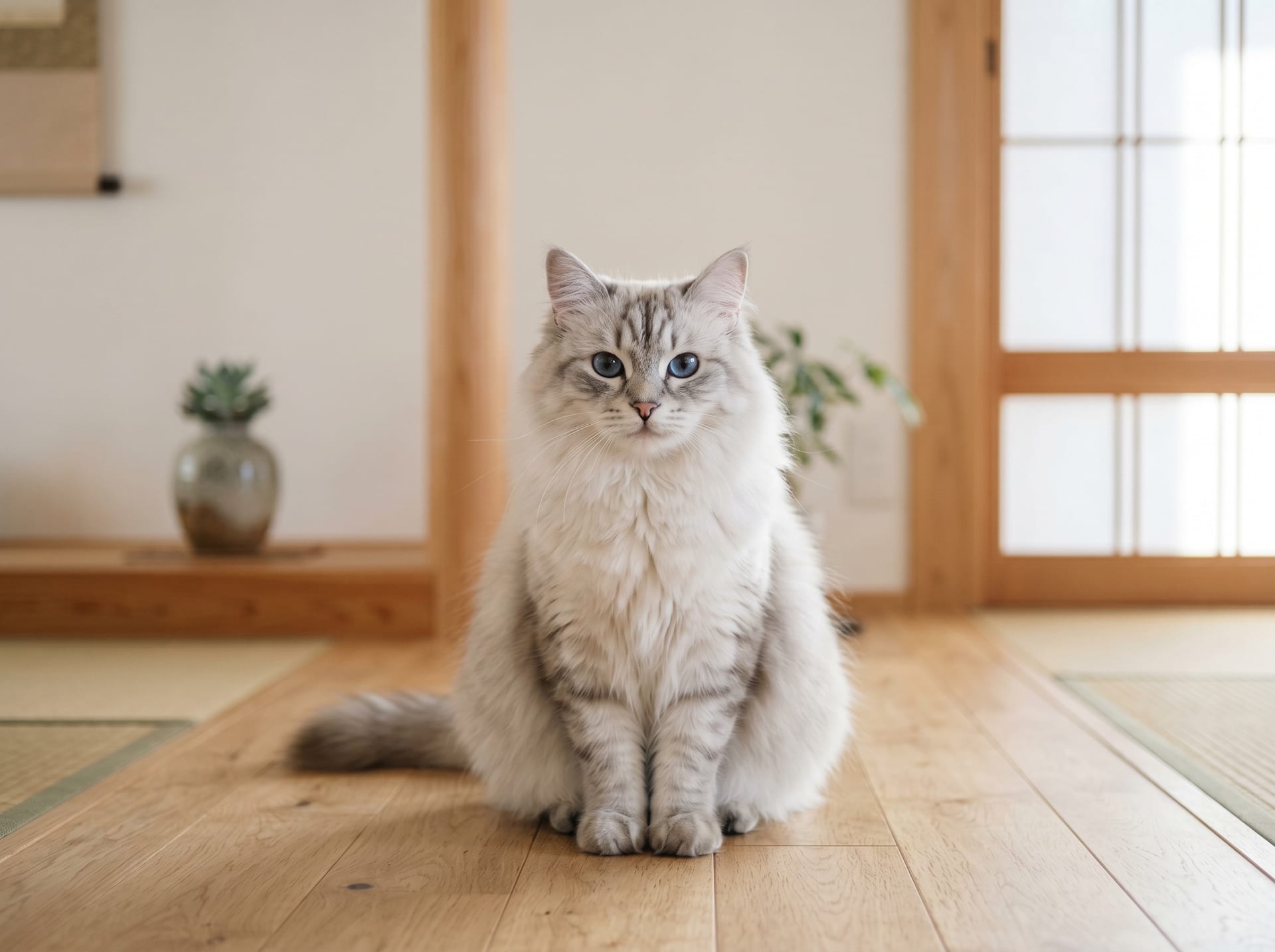
- Siberian: Research has confirmed lower Fel d 1 production compared to other breeds. Long-haired but surprisingly less likely to trigger allergies
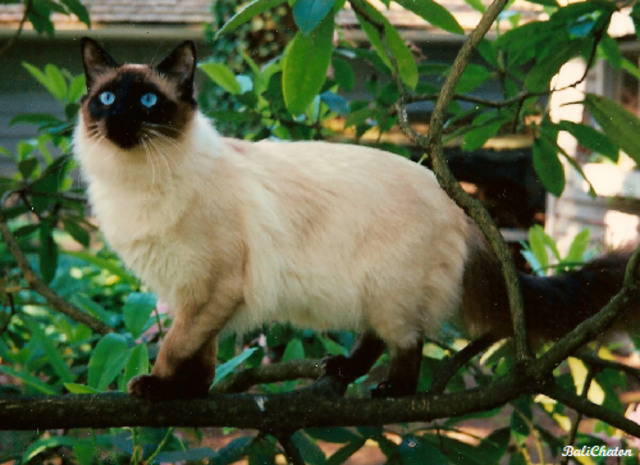
- Balinese: A long-haired Siamese variant reported to produce less Fel d 1. Social and affectionate personality