How to Check the Age and Growth Size of Animals | Important Indicators to Know Before Purchasing
This article explains how to check the age and future growth size of animals before purchasing. We introduce growth estimates by species, how to distinguish age, and factors that affect growth.
Key Takeaways
This article explains how to check the age and future growth size of animals before purchasing. We introduce growth estimates by species, how to distinguish age, and factors that affect growth.
Related Species
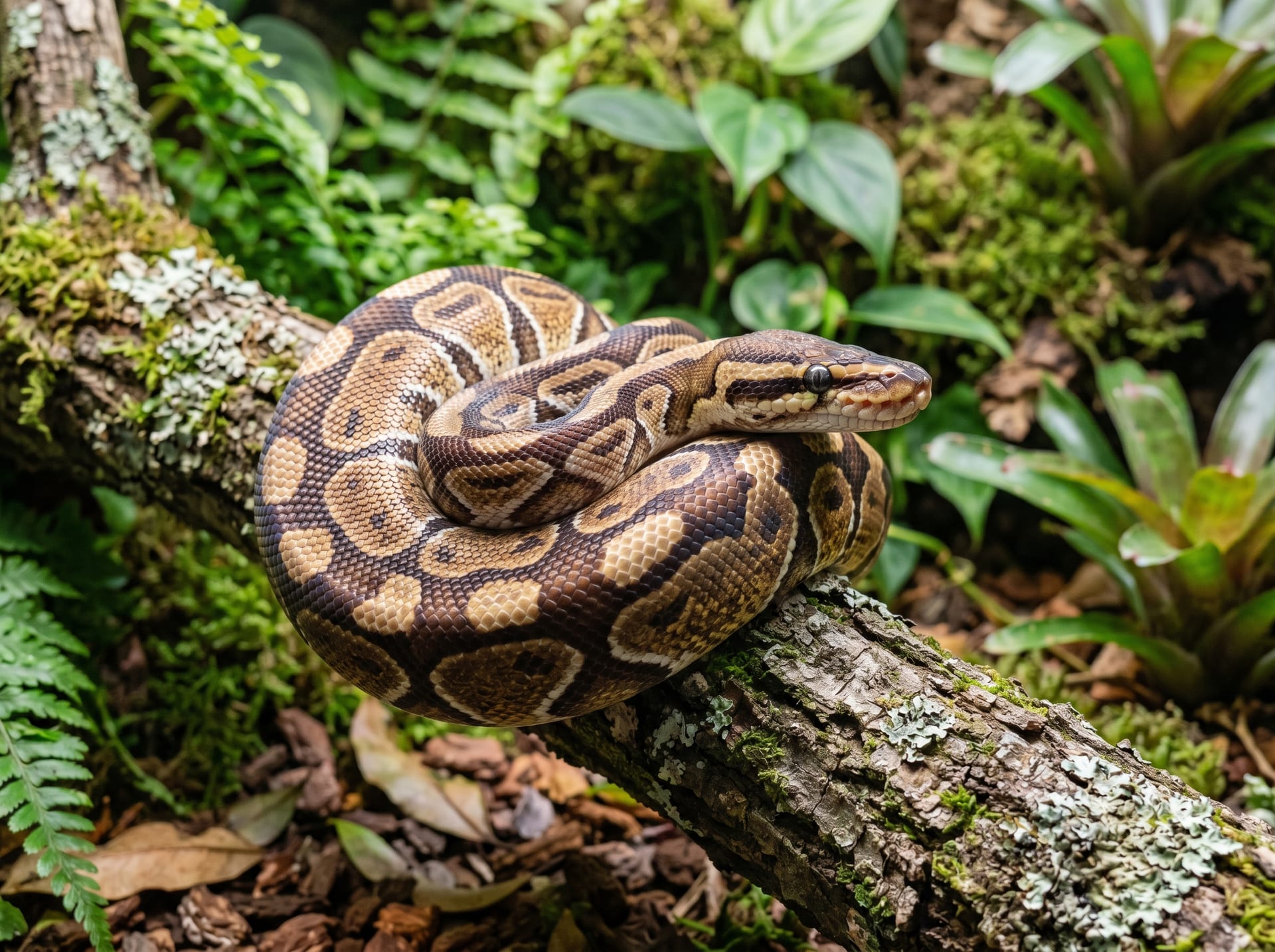
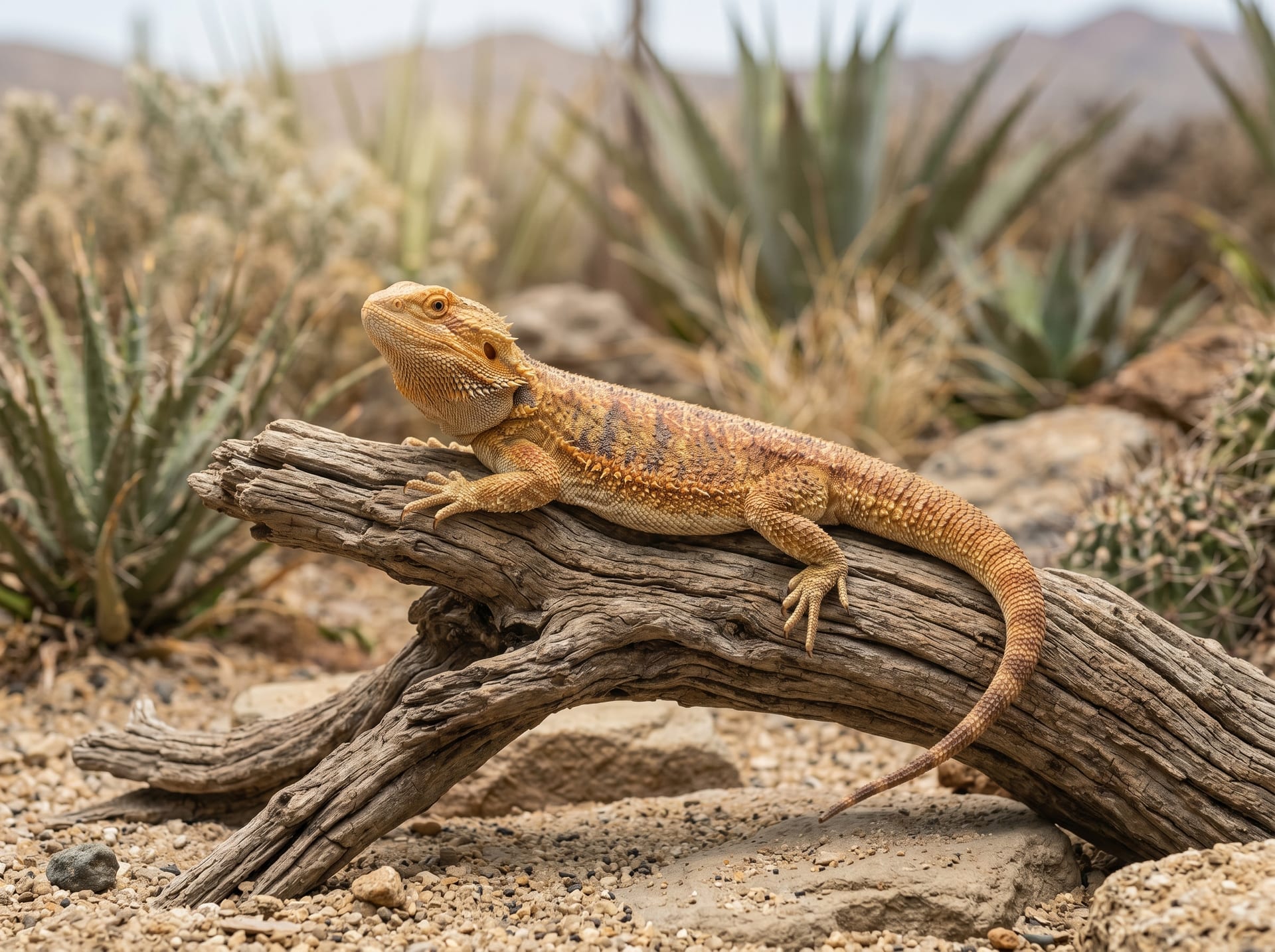
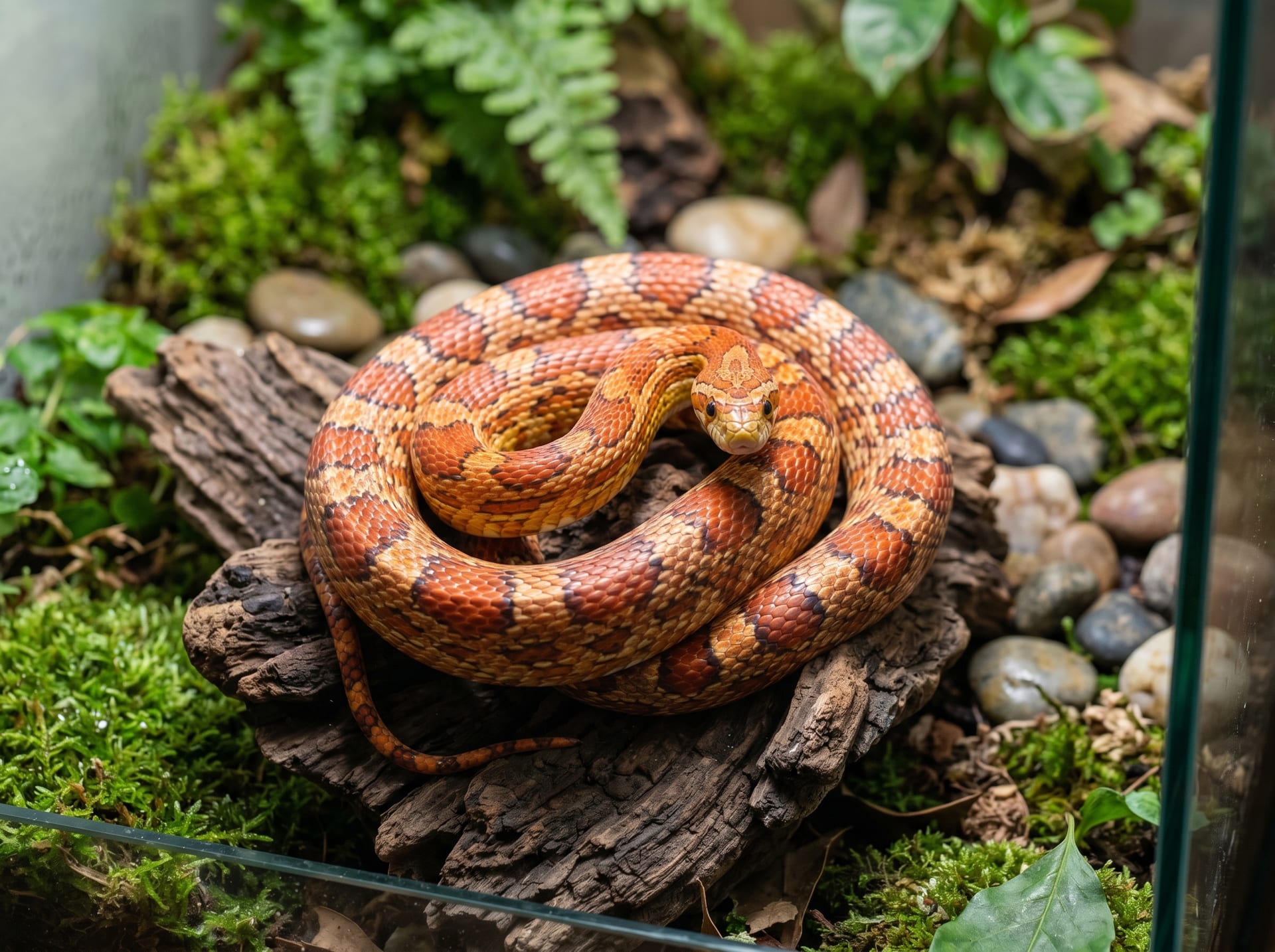
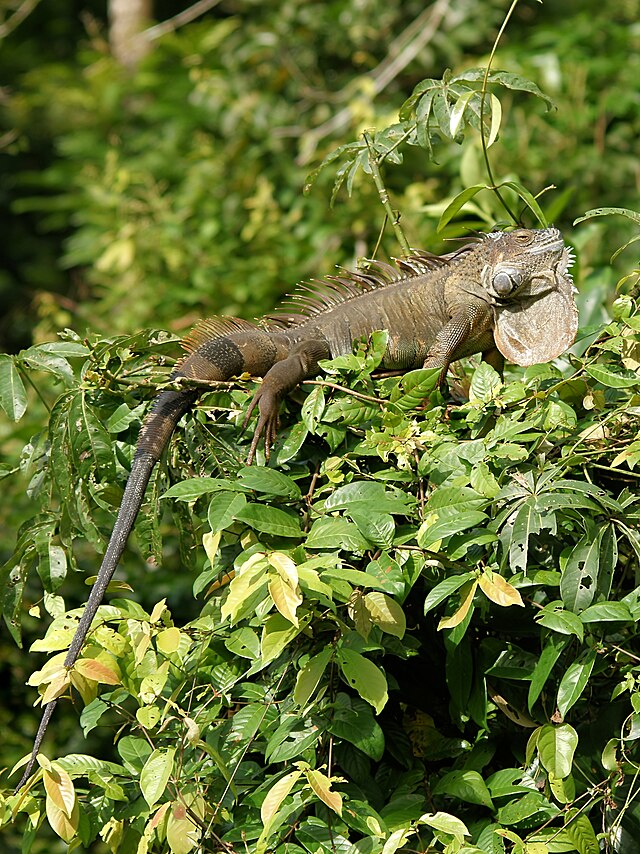
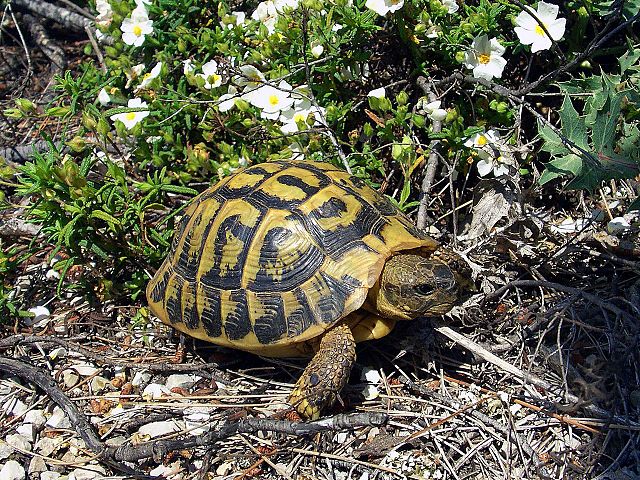
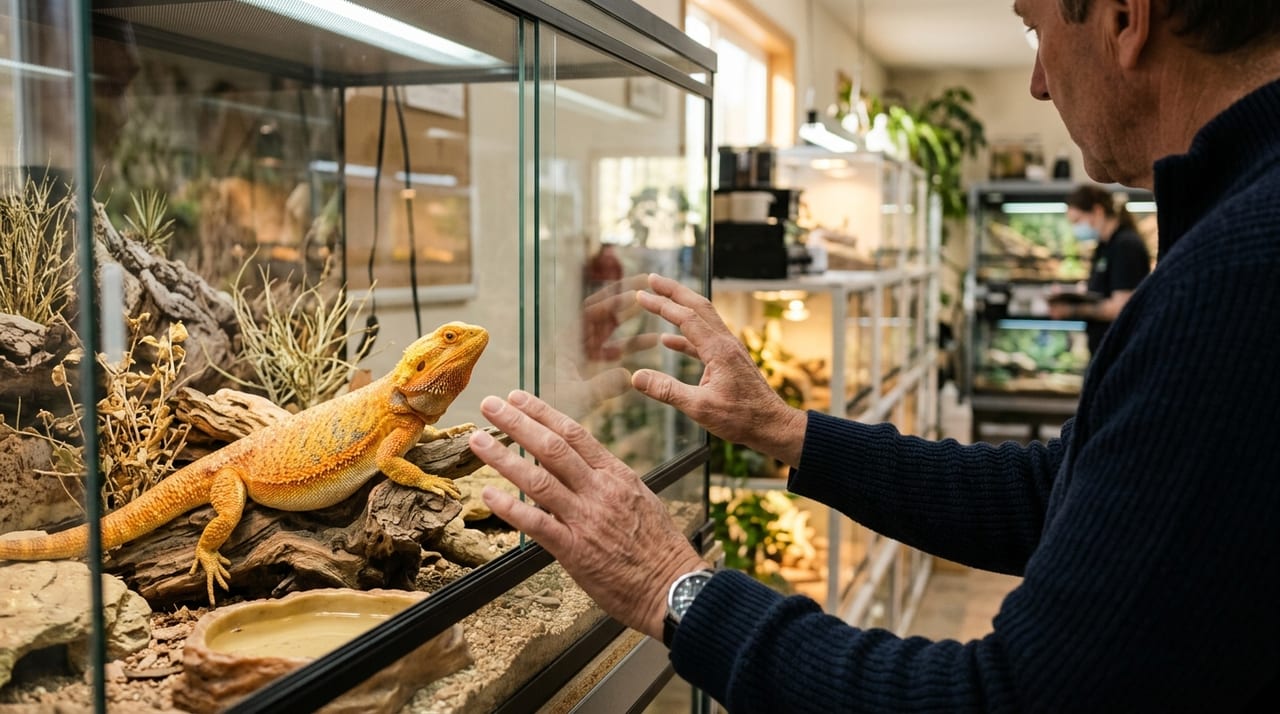
"They grew much larger than I expected" or "They lived longer than anticipated, which changed my care plan." When purchasing animals, accurately understanding their future growth size and lifespan is essential for making long-term care plans. This article explains how to check an animal's age and growth size before purchasing, as well as the factors that affect growth.
Why Checking Age and Size Is Important
Information about an animal's age and size directly determines proper care environment preparation. For example, if you purchase a ball python that is currently 20cm, it will grow to 120–150cm as an adult. Even if you start with a 30cm enclosure, within 1–2 years you'll need an enclosure of 90cm or larger. Green iguanas are approximately 20cm as juveniles, but grow to 150cm or more as adults, requiring either a dedicated large-scale enclosure or an entire room as a living space. If you don't know this information before purchasing, the risk of facing breeding difficulties increases significantly. Information about lifespan is also important. Leopard geckos can live 15–20 years, and tortoises can live 30–50 years or more. You need to consider compatibility with your life plan (relocation, marriage, child-rearing, etc.).
Growth Size and Lifespan Estimates by Species
Representative reptiles' growth sizes and lifespan estimates are introduced below.
| Species | Growth Size | Lifespan | Growth Estimate |
|---|---|---|---|
| Leopard Gecko | Total length 18–25cm | 15–20 years | Approaches adult size within 1 year of birth |
| Bearded Dragon | Total length 40–55cm | 8–12 years | Reaches approximately 30cm within 1 year of birth, achieves adult size by 2 years |
| Corn Snake | Total length 90–150cm | 15–20 years | Reaches adult size in 3–4 years |
| Ball Python | Total length 90–150cm (females grow larger) | 20–30 years | Reaches adult size in 4–5 years |
| Hermann's Tortoise | Carapace length 15–25cm | 50+ years | May take 10 years or more to reach adult size |
| Green Iguana | Total length 120–180cm | 15–20 years | Exceeds 100cm within 2–3 years |
These are merely average figures and will vary depending on individual differences and care conditions.
How to Estimate an Animal's Age
Ideally, you would obtain accurate hatching date (date of birth) information from the seller, but here are estimation methods for cases where that information is unavailable. Measuring weight and body length is the most basic method. By comparing these measurements against species-specific standard growth curves, you can estimate approximate age in months. However, because growth speed varies significantly depending on feeding amount and environment, pinpointing exact age is difficult. For reptiles, head size and body proportions are also clues. Juveniles have heads that are large relative to their bodies, and as they grow, their bodies develop more balanced proportions. In snakes, the ratio of body thickness to length is a clue to age. Juveniles are slender and elongated, while adults develop a more stocky body shape. With turtles, age can sometimes be estimated from growth rings on the shell (patterns resembling annual rings), but depending on care conditions, these growth rings may not be clearly visible.
Understanding Factors That Affect Growth
Even within the same species, growth rate and size vary greatly depending on care conditions. Temperature is one of the factors that most affects growth. Maintaining temperatures near the upper limit of the appropriate range increases metabolism and speeds up growth. Conversely, at lower temperatures, growth slows. However, excessively high temperatures pose health risks, so maintain temperatures within the recommended range for each species. Feeding amount and frequency are also directly linked to growth. By providing adequate nutrition during the juvenile stage, you establish the foundation for skeletal structure and body build. However, overfeeding can cause obesity and internal organ diseases, so it's important to maintain appropriate amounts. Nutritional balance is also crucial—lack of calcium and vitamin D3 can lead to skeletal developmental abnormalities. Don't forget to use UV lighting appropriately and apply calcium powder dusting. Genetic factors also influence growth size. Even within the same species, lines bred for giant size tend to grow larger.
What to Confirm with the Seller When Purchasing
When purchasing an animal, confirm the following information with the seller:
- Hatching date (or estimated age)
- Current weight and length
- Parental animal size (for reference regarding adult size)
- Past feeding content and frequency
- Date of last shed (for reptiles)
- Any health issues
A trustworthy breeder should be able to answer these questions specifically. If you only receive vague answers, I recommend reconsidering your purchase from that seller. On BreederDirect, you can check a breeder's profile, past listings, and buyer reviews, providing plenty of material for judging reliability. Use the messaging feature to thoroughly confirm the above questions before purchasing. In particular, the two points of "what size will it be as an adult" and "what is the expected lifespan" are information you must absolutely confirm before starting care. Because these animals become long-term companions, it's important not to neglect advance information gathering.