Questions to Ask Breeders Before Purchase | Essential Checklist for Choosing Animals Without Regret
A comprehensive guide to questions you should ask breeders before purchasing animals, organized by type. This article covers all essential pre-purchase confirmation points—from health status and breeding history to bloodline information, shipping conditions, and after-purchase support—to prevent problems after purchase.
Key Takeaways
A comprehensive guide to questions you should ask breeders before purchasing animals, organized by type. This article covers all essential pre-purchase confirmation points—from health status and breeding history to bloodline information, shipping conditions, and after-purchase support—to prevent problems after purchase.
Related Species

When purchasing animals from a breeder, making a decision based solely on emotions like "it's cute" or "it's rare" can lead to later regrets of "this wasn't what I expected." Animals are living beings, and in most cases, the relationship with them will last for years to decades after purchase. Careful confirmation with the breeder before purchase leads to choices you won't regret.
This article comprehensively compiles questions you should ask before purchasing animals directly from breeders, organized by type and category. Use BreederDirect's messaging feature to actively ask questions before making your purchase.
Common to All Animals: Basic Confirmation Points
Regardless of the type of animal, the following are basic matters you must always confirm.
Individual Basic Information
- Date of birth or estimated age: Basic information to understand the animal's current growth stage
- Sex: Essential if you have a preference for a specific sex or if you are considering keeping it with other animals
- Origin: Confirm whether it is captive-bred (CB), wild-caught (WC), or imported (FH)
- Bloodline and parent information: Particularly important for rare morphs or breeds. The characteristics and health status of the parents are also useful reference information
Health Status
- When was the last meal and what did it eat: Appetite is the most basic indicator of health status
- Recent veterinary clinic history: Confirm health checkups, vaccinations, and treatment history
- Are there any currently treated diseases or medical conditions: Be aware of the possibility of needing medical treatment immediately after purchase
- Presence of hereditary diseases: Certain dog breeds and varieties carry risks of hereditary diseases
Rearing Environment and Taming
- What kind of environment are they raised in: Check cage size, temperature, humidity, lighting conditions, etc.
- Are they accustomed to humans: Familiarity with handling is particularly important for reptiles and small animals
- Do they have experience living with other animals: Useful reference if you are considering keeping multiple animals
Confirmation Items Specific to Mammals (Dogs, Cats, Small Animals)
Dogs and Cats
- Vaccination history and next scheduled vaccination: Confirm the status of vaccinations and identify any ongoing vaccinations that need to be transferred
- Microchip implantation: Since 2022, microchip implantation has been mandatory for dogs and cats sold. Be sure to confirm.
- Parents' temperament and personality: Genetic temperament is important reference information
- Level of socialization: Familiarity with other dogs, cats, humans, and sounds
- Spaying or neutering status: If already done, confirm when; if not, confirm the recommended timing
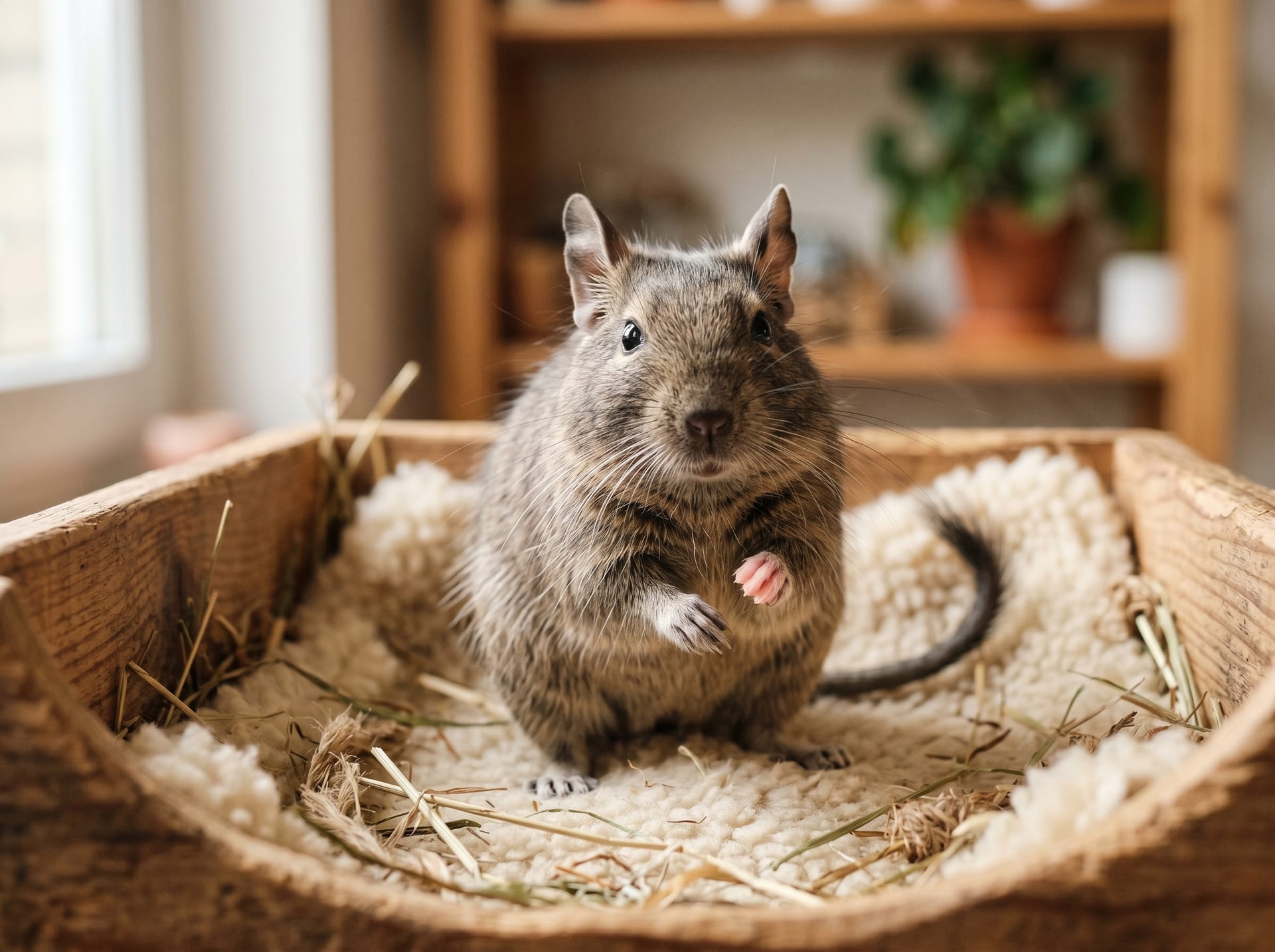
Small Animals (Rabbits, Ferrets, Degus, etc.)
- Has weaning been completed: Early weaning can lead to health problems
- Diet content (type of pellets and hay): Confirm whether to continue the same diet or the procedure for switching
- Regular bowel movements: Whether normal defecation can be confirmed
Confirmation Items Specific to Reptiles
Reptiles are a particularly sensitive category with many delicate species, and advance confirmation is especially important.
Common to All Reptiles
- Any history of feeding refusal: Many reptile species have a high risk of feeding refusal (not eating food). If there is any past experience of feeding refusal, confirm the cause and solution
- Type and size of food currently being fed: Such as cricket size, mouse size, etc.
- Shedding record: Whether normal shedding is occurring
- BIOFAUNA testing (fecal exam) conducted: Confirm whether parasite checks have been performed
- Stress management during shipping: Ask what the breeder is doing
Snakes
- Is the food frozen or live: Animals accustomed to frozen food are significantly easier to manage
- Are they accustomed to being fed with tweezers: This affects ease of handling
Lizards
- UVB lighting requirements and duration: UVB requirements vary by species
- Supplement (calcium and vitamin D) usage: Method and frequency of administration
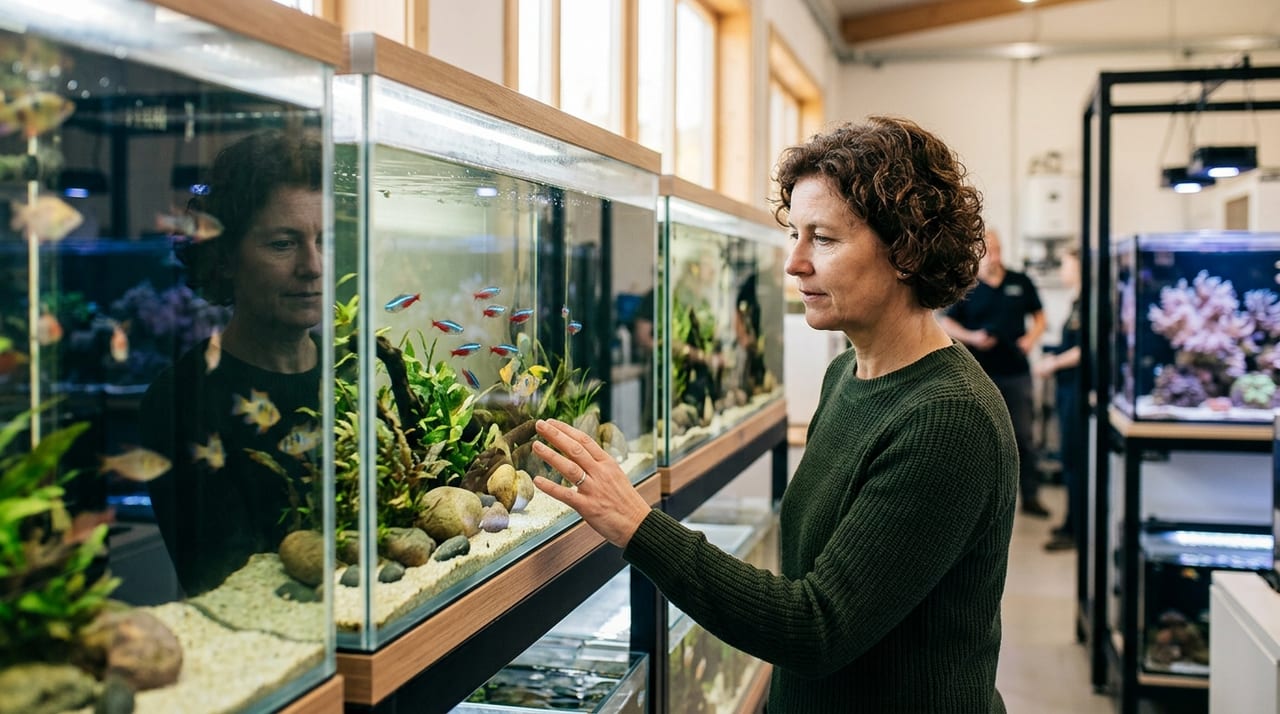
Confirmation Items Specific to Fish and Aquatic Animals
Common to All Fish
- Current water parameters: pH, hardness, temperature. The greater the difference between the breeder's water quality and yours, the more important water acclimation becomes
- Food preferences and type of feed being given: Whether artificial food or live food, and familiarity with specific foods
- Quarantine period implementation: Whether the breeder has implemented quarantine before introduction
- Measures against disease risk during shipping (such as ich)
Tropical Fish, Goldfish, Killifish
- How many are being kept together in the same tank: Animals raised in high-density environments may have reduced disease resistance
- Frequency and method of water changes: Knowing the breeder's management method allows you to maintain consistency in your post-purchase care
Corals and Marine Animals
- Type of lighting and duration: Species requiring high light intensity require advance investment in lighting equipment
- Salinity (specific gravity) of the rearing water: Confirmation is necessary for salinity adjustment during transfer
- Frag (cut piece) or colony: Check size, price, and growth stage
After-Purchase Support and Transaction Terms Confirmation
Health Guarantee and DOA (Dead on Arrival) Guarantee
- DOA guarantee terms and conditions: Such as within how many hours of arrival, whether photo documentation is needed, etc.
- Response policy for health issues after arrival: Responses vary by breeder
Shipping Conditions
- Shipping availability and seasonal restrictions: Confirm restrictions such as no shipping during summer or winter
- Whether shipping to Hokkaido, Okinawa, or remote islands is available
- Availability of specifying arrival date and time: Consult in advance if you need to adjust the delivery date
After-Purchase Support
- Will they provide advice on animal care after purchase: The scope of support varies by breeder
- Are there any benefits for repeat or additional purchases
How to Ask Questions and Etiquette
When asking questions to breeders, use polite language. In your first contact, introduce yourself briefly and explain what kind of environment you plan to raise the animal in. This will give the breeder confidence to provide more detailed information.
Rather than sending too many questions at once, it's more natural communication to prioritize the most important points, ask them, and progress to the next question as you receive answers. Since BreederDirect's messaging feature allows for conversational exchange, feel free to ask questions.
Summary
Careful advance confirmation not only provides peace of mind for the buyer but also builds trust for the breeder that the animal will be cared for properly. Through pre-purchase questions, build a good relationship with the breeder and start a fulfilling life with your animal.