Morph Basics: Understanding Genetics Before You Buy | ブリちょく
Buying Guide| ✍️ BreederDirect Editorial
Morph Basics: Understanding Genetics Before You Buy
A buyer's guide to reptile and fish morphs (varieties). Learn the basics of dominant and recessive inheritance, how to read morph names, and the genetic factors that influence price.

Key Takeaways
A buyer's guide to reptile and fish morphs (varieties). Learn the basics of dominant and recessive inheritance, how to read morph names, and the genetic factors that influence price.
Related Species
When browsing listings for live animals, you might feel overwhelmed by complex morph names like "High Yellow Tangerine," "Albino het Super Mack Snow," or "Super Pastel Yellow Belly." Morphs are genetically fixed variations in appearance (color and pattern variations) within the same species. The price difference between individuals of the same species can vary from several times to dozens of times higher depending on their morph. This article breaks down the fundamental knowledge about morphs and genetics that buyers should understand.
What Is a Morph?
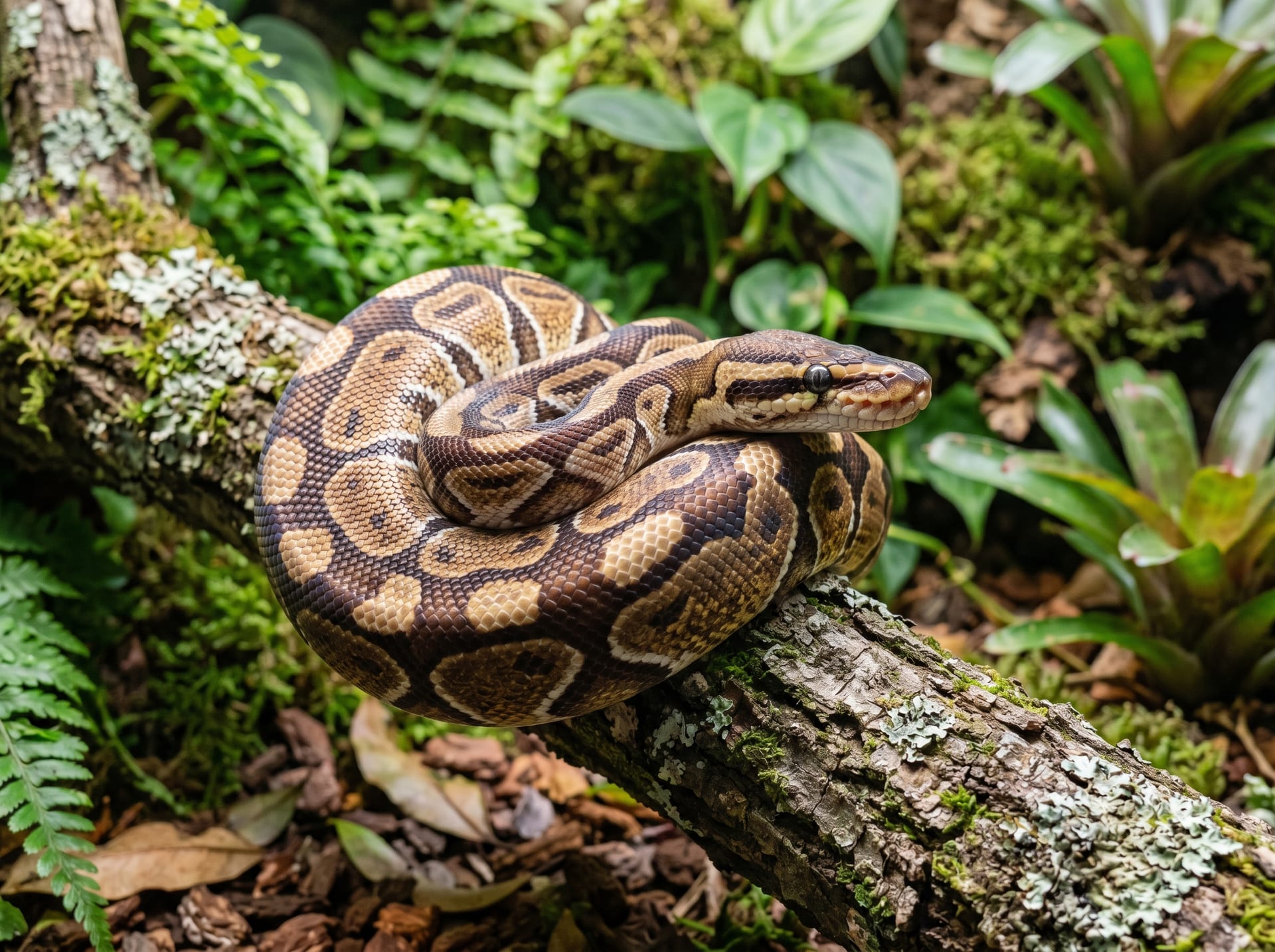
A morph is a genetically inherited variation in appearance. When an individual with coloration or patterning different from the wild type (wild-type, normal) consistently passes those traits to the next generation through breeding, that variation is recognized as a "morph." For example, Leopard Geckos have over 100 morphs, including the vibrant orange "Tangerine," the strikingly contrasting black and white "Mack Snow," and the ruby-eyed "Albino." Ball Pythons have even more morphs, with their numbers reaching into the thousands. What's important to understand is that a morph is purely a visual variation and does not directly affect health or personality (with rare exceptions). When selecting a morph as a buyer, you can simply choose based on your personal preference.
Genetics Basics: Dominant and Recessive
Understanding morph inheritance patterns helps to apply high school biology concepts like "Mendel's Law." Genes come in pairs, inherited one from each parent. Dominant morphs require only one copy of the gene to be visible in appearance. For example, the Ball Python "Pastel" is dominant—carrying just one Pastel gene results in a notably lighter yellow coloration. Carrying two copies produces a "Super Pastel" with even more vivid coloring. Recessive morphs require two copies of the gene to appear in the individual's appearance. Carrying only one copy is called "heterozygous (het)," where the appearance looks normal but the individual can pass the gene to offspring. Leopard Gecko albino is a classic example of recessive inheritance. Co-dominant traits show different expressions depending on whether the individual carries one or two copies. Spider (one copy) and Super Spider (two copies) in Ball Pythons are examples of this.
Inheritance Pattern Quick Reference
Inheritance Type
✍️
BreederDirect Editorial
The BreederDirect editorial team specializes in care information for animals, covering veterinary care and breeding to deliver beginner-friendly guides.
Find Breeders on BreederDirect
Buy directly from verified breeders
Related Articles
Browse by Category
🪸Coral
🐠Marine Fish
🐟Tropical Fish
🐡Goldfish
🐟Medaka
🦎Reptiles
Share
One Gene Copy (het)
Two Gene Copies (homo)
Example
Dominant
Visible
Appearance largely unchanged
Enigma (Leopard), Pinstripe (Ball)
Co-dominant
Visible
"Super" form = different appearance
Pastel/Super Pastel, Mack Snow
Recessive
Not visible (carrier)
Visible
Albino, Blizzard (Leopard)
※het (hetero) = carrying only one recessive gene. Appearance is normal, but the gene can be passed to offspring.
Reading and Understanding Morph Names
Morph names might look complex at first, but they follow a logical structure. Generally, morph names combine the names of multiple genes. For example, "Albino het Mack Snow" means the individual carries two albino genes (visible in appearance) and also carries one Mack Snow gene (not visible in appearance but genetically present). Morphs with "Super" indicate the individual is homozygous—carrying two copies of the same gene. Notations like "66% het" or "50% het" indicate uncertainty about carrier status; they show the probability of carrying the recessive gene. For instance, "50% het Albino" means there's a 50% chance the individual carries an albino recessive gene based on calculations. When purchasing, het notation reliability is crucial. If buying from a breeder with clear information about the parents' genetics, het information is trustworthy. However, het markings on animals from unknown sources should be viewed skeptically.
Genetic Factors That Influence Price
Morph prices are determined primarily by "rarity," "popularity," and "complexity of genetic combinations." Generally, newly created morphs command higher prices due to rarity. As breeding progresses and supply increases, prices decline. "Combo morphs" combining multiple morph genes require multiple generations of breeding and therefore cost more. The difficulty and price increase as the number of genetic combinations grows—3-gene combos, 4-gene combos, and beyond. Individuals marked as het have the same appearance as standard morphs but carry the potential to produce recessive morph offspring through breeding, making them valuable to breeders. Confirmed het individuals are more expensive than probable het individuals. However, if you're simply keeping the animal as a pet, het genes don't affect appearance, so selecting based purely on visual preference is fine.
Genetic Risks Buyers Should Be Aware Of
Some morphs have documented health risks. Ball Python Spider morphs are known to carry neurological disorders (wobble syndrome). Symptoms include unnatural head tilting or difficulty moving in a straight line. While mild cases don't significantly impact daily life, severe cases can make feeding difficult. Leopard Gecko Enigma morphs also have reported neurological symptoms. Leopard Gecko Lemon Frost has confirmed higher rates of skin tumors.
※When acquiring these animals, always confirm the severity of symptoms with the breeder. Before purchasing a morph with associated risks, ask the breeder about symptom severity and make your decision with full understanding of the risks. Responsible breeders disclose these issues honestly. On br-choku, accurate morph names and genetic information are encouraged at listing, creating an environment where buyers can make informed decisions. The world of morphs is deep and fascinating—the more you learn, the more interesting it becomes. Enjoy the pleasure of finding your favorite morph.
Pre-Purchase Checklist: What to Confirm Before Buying
Success in purchasing live animals requires careful preparation and verification. Use this checklist to ensure a satisfying purchase without regrets.
Husbandry setup readiness: Confirm that you have all necessary equipment—enclosure, temperature control devices, lighting, food, etc.
Verify animal information: Confirm the species, morph, sex, age, health status, and current care conditions (temperature, humidity, diet type) with the breeder
Confirm shipping conditions: Understand the available shipping times, packing methods, and terms of live arrival guarantees in advance
Check legal requirements: Verify the animal isn't on the restricted species or invasive species list, and that apartment regulations permit the species
Locate veterinary care: Research in advance whether nearby veterinary clinics can treat the species you're purchasing
br-choku's Safe and Secure Transaction System
br-choku has implemented various systems to ensure buyers can transact with confidence.
Escrow Payment
Breeder payment is held until the buyer confirms receipt of the animal. Since payment is released only after verifying safe arrival and satisfactory condition, buyers can transact with peace of mind.
Direct Messaging
We provide a messaging feature for direct communication between breeders and buyers. Everything from pre-purchase questions to shipping coordination to post-arrival care advice can be handled on the platform. Since messages are recorded, smooth resolution is possible in case of any issues.
Review and Rating System
Buyers can rate breeders after completing a transaction. Past buyer reviews serve as an important reference for identifying trustworthy breeders. Higher-rated breeders tend to provide more careful service and higher-quality animals, so always check reviews before purchasing.