Complete Guide to Raising Border Collies | Exercise, Training, and Health Care for the World's Smartest Dogs
A thorough explanation of how to raise Border Collies. Covers daily exercise requirements of 2–3 hours, agility, positive training, and strategies for managing genetic disorders.
Key Takeaways
A thorough explanation of how to raise Border Collies. Covers daily exercise requirements of 2–3 hours, agility, positive training, and strategies for managing genetic disorders.
Characteristics and Temperament of Border Collies
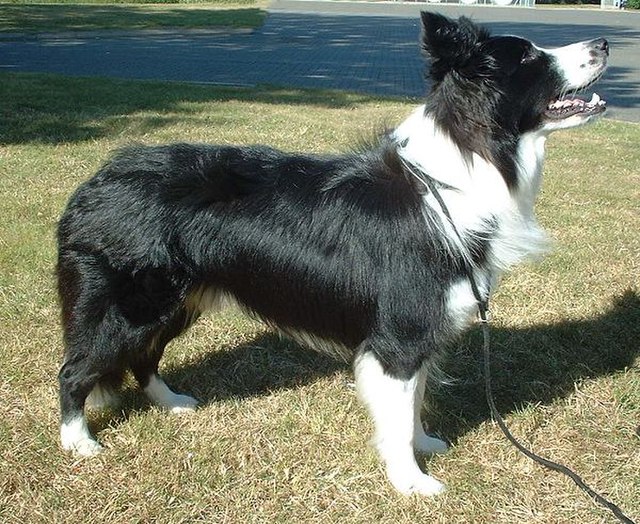
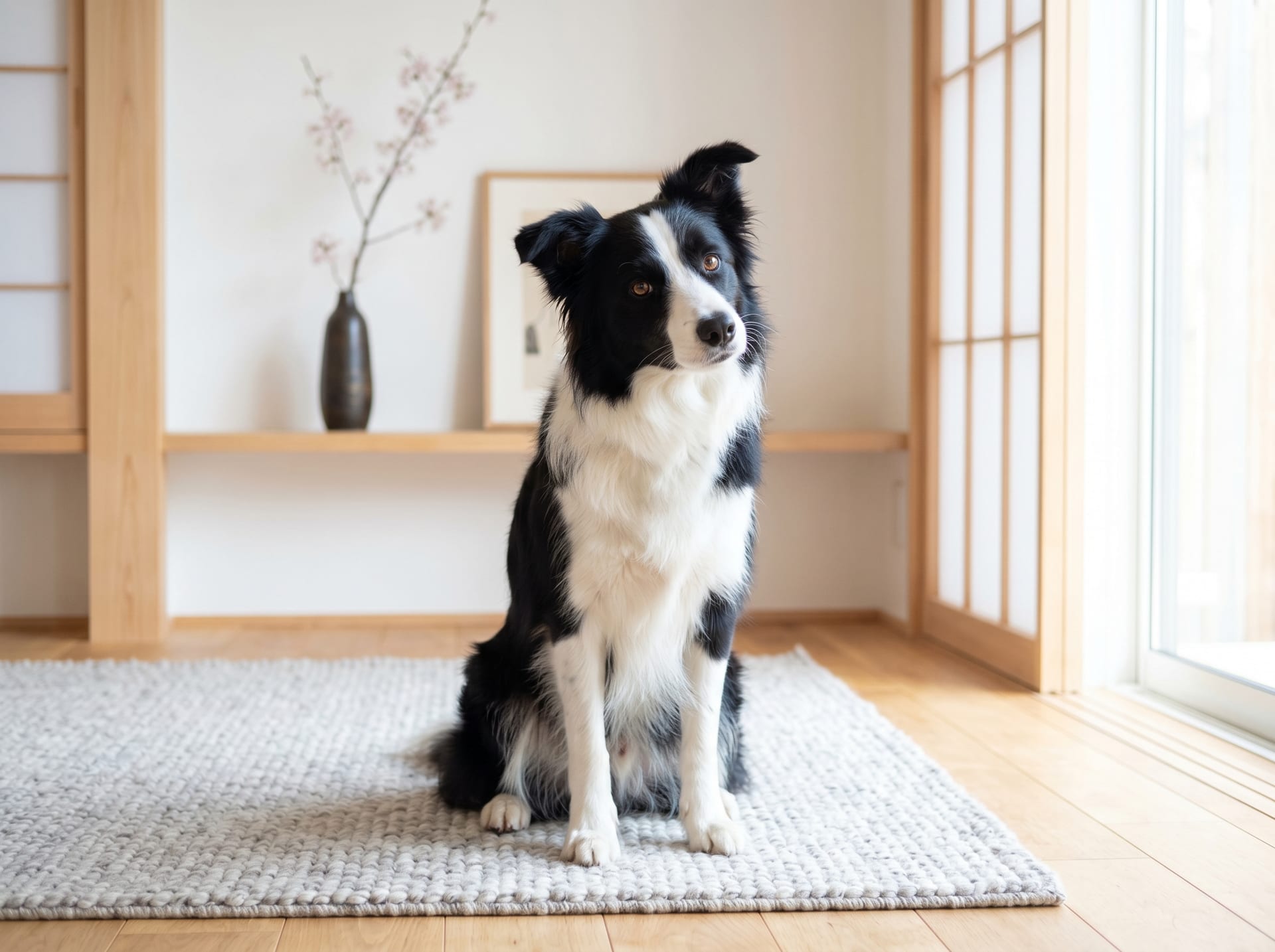
Border Collies are herding dogs originally bred in the Border region of Scotland, England, to manage flocks of sheep. They possess exceptionally high intelligence, consistently ranking first in canine IQ (problem-solving ability) tests, and are widely known as "the world's smartest dogs."
✍️
BreederDirect Editorial
The BreederDirect editorial team specializes in care information for animals, covering veterinary care and breeding to deliver beginner-friendly guides.
Find Dogs on BreederDirect
Buy directly from verified breeders
Browse Related Listings
Find Dogs listings related to this article on BreederDirect. Buy directly from verified breeders.
They are extremely loyal and possess exceptional focus on their owners. However, they also possess a strong work drive and high energy levels stemming from their herding instincts, and without sufficient exercise and mental stimulation, they are prone to problem behaviors (compulsive behavior, destructive behavior, and excessive barking).
Basic Specifications
Weight: Males 14–20 kg, Females 12–19 kg
Height: Males 48–56 cm, Females 46–53 cm
Lifespan: 12–15 years
Coat: Two types—Rough Coat (long-haired) and Smooth Coat (short-haired)
Exercise Needs and Mental Stimulation Required for Raising Border Collies
The most critical aspect of raising a Border Collie is meeting their overwhelming exercise requirements. They need a minimum of 1–2 hours of aerobic exercise per day, ideally 2–3 hours. Simple walks alone will not suffice, so we recommend combining the following activities.
Recommended Exercise and Activities
Frisbee (Disc Dog): the sport Border Collies excel at most
Agility (obstacle competitions): an ideal activity that engages both physical and mental abilities
Ball play on a long lead: full-speed running in open spaces
Sheep herding training: the ultimate activity to fulfill their natural instincts
Obedience training and task training: high intellectual demand that provides mental satisfaction
Using dog parks and participating in Border Collie-specific sports clubs also greatly enhance the satisfaction of raising them. There is a saying that "a tired dog is a good dog," which applies especially to Border Collies.
Training and Discipline
Border Collies' high intelligence allows them to learn commands extremely quickly. Under proper positive training, it is not uncommon for them to master complex commands within a few practice sessions.
Key Points for Basic Training
Early socialization is critical (exposing them to various people, dogs, environments, and sounds during the socialization period of 3–16 weeks after birth)
Clicker training works exceptionally well with them
Their high concentration also means they have strong attachment to routines. Prevent boredom by regularly introducing new tasks
Begin eye contact practice from an early age
Preventing Problem Behaviors
Lack of exercise can lead to chewing habits and chasing behaviors as an outlet for energy
Be careful of "herding instincts" that lead them to chase children or bicycles
They are at high risk for separation anxiety. Accustom them to alone time from puppyhood
Health Management and Common Diseases
Border Collies are generally hardy dogs, but attention to several genetic disorders is necessary.
Major Genetic Disorders
CEA (Collie Eye Anomaly): a congenital developmental abnormality of the eyes. Confirmation possible via DNA testing
Hip Dysplasia (HD): developmental abnormality of the hip joint. Worsened by obesity and excessive exercise
TNS (Trapped Neutrophil Syndrome / Neutrophil Trapping Syndrome): a hereditary immune deficiency disorder in which neutrophils are trapped in the bone marrow and not released into the bloodstream (severe neutropenia). It is important that breeders confirm DNA testing
MDR1 Gene Mutation: hypersensitivity to certain medications (such as ivermectin-class antiparasitics)
Before purchase, be sure to verify the DNA testing results conducted by the breeder. Reputable breeders perform genetic screening of their breeding dogs.
Daily Health Management
Health checkups every 1–2 years (including eye and hip joint checks)
Regular coat brushing (Rough Coats 2–3 times per week)
Border Collies ideally need spacious housing with plenty of outdoor activity, but they can be raised in apartments if given sufficient exercise. However, since long hours of daily exercise are essential, an environment with nearby large parks or dog parks is preferable.
Key Points for Home Environment
Not suitable for single people or those who are away from home for long periods
Cohabitation with children and other pets is possible, but management of herding instincts is necessary
They are sensitive to heat, so in summer, maintain indoor air conditioning and exercise during the cooler morning and evening hours
Conclusion: Living with a Border Collie
Border Collies, with their exceptional intelligence, athletic ability, and deep bond with their owners, can become the perfect companion as a dog "to do things with." However, because of their high abilities, owners must make a corresponding commitment.
For those prepared to provide daily exercise, training, and mental stimulation, there is no dog more rewarding than a Border Collie. Welcome a healthy individual from a breeder, and through proper training and exercise, raise them as your best lifelong partner.'