Bird Toy DIY Guide | Making Homemade Toys and Enrichment Toys with Safe Materials
Learn how to make homemade bird toys. This guide covers how to choose safe materials, make foraging toys, and create shredder-type toys.
Key Takeaways
Learn how to make homemade bird toys. This guide covers how to choose safe materials, make foraging toys, and create shredder-type toys.
Related Species
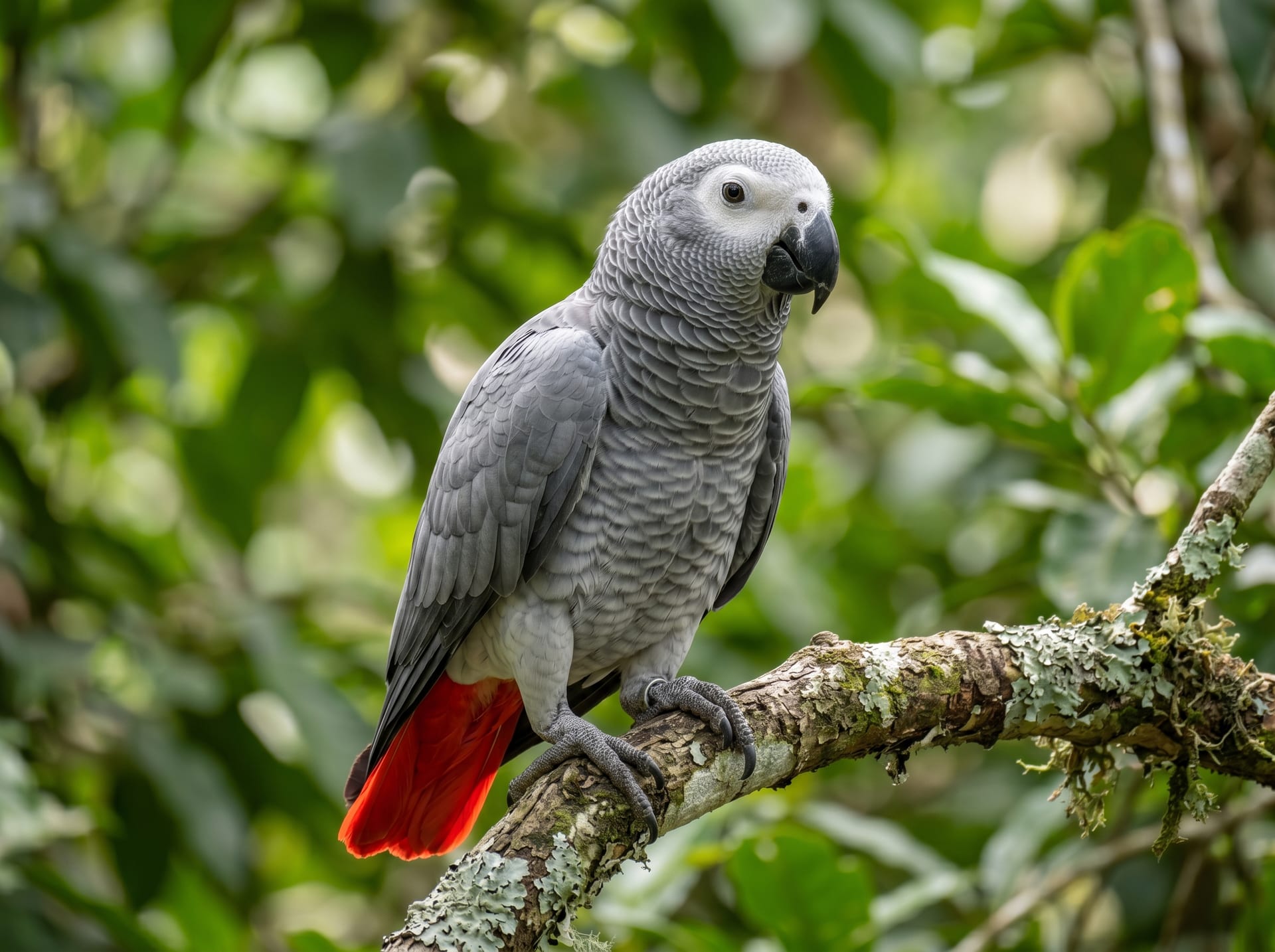
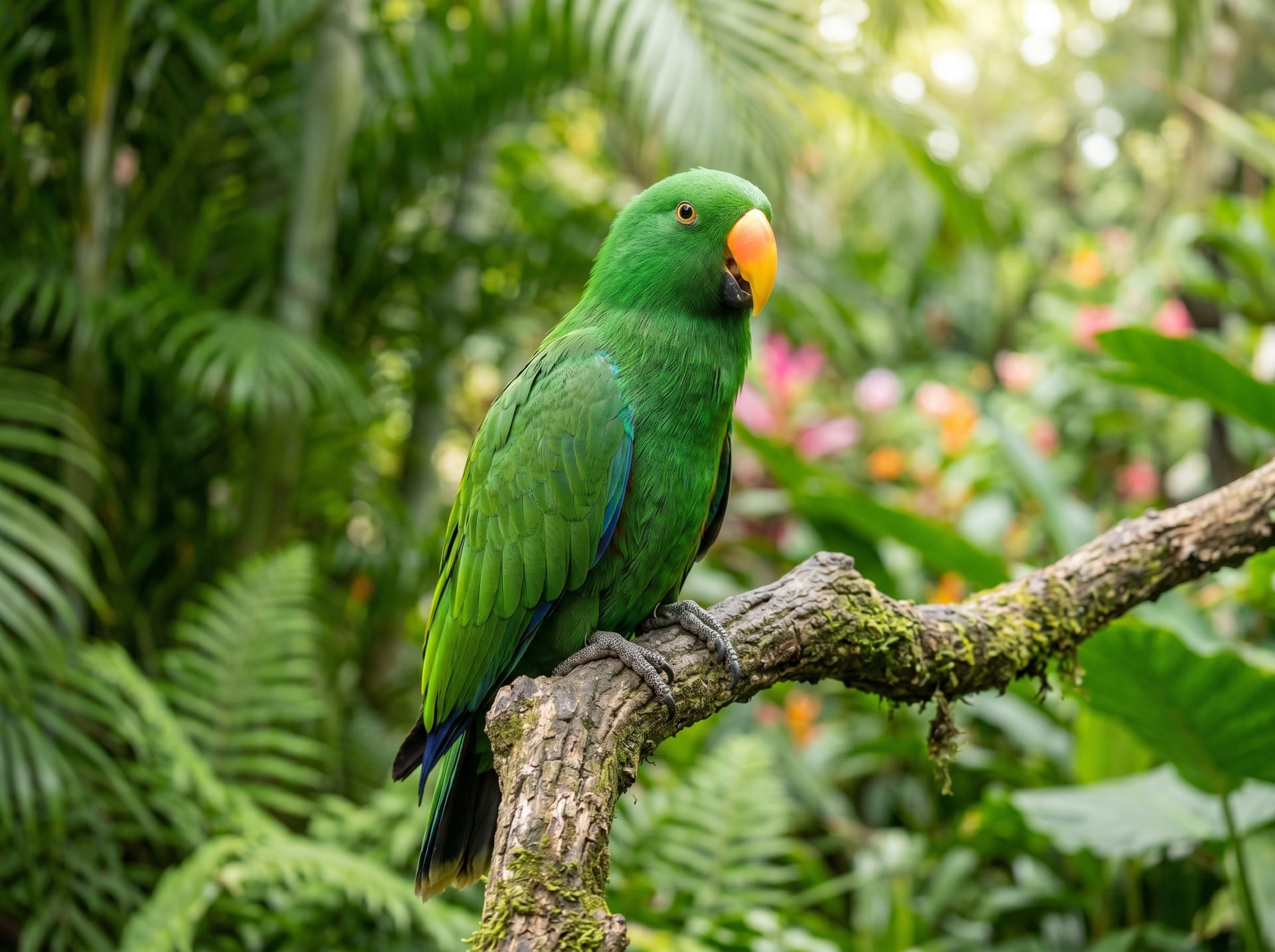
Making homemade toys for your beloved bird is an excellent way to enrich their environment while keeping costs down. Store-bought toys can quickly become boring, but homemade toys allow you to customize them to your bird's preferences and easily make new ones when they break. This article provides a detailed guide to bird toy DIY, from selecting safe materials to specific construction methods.
Safe Materials for Bird Toys and Materials to Avoid
The most important aspect of toy making is material safety. Since birds chew and put everything in their mouths, toxic materials and those with choking hazards must never be used.
| Category | Specific Materials |
|---|---|
| Safe Natural Materials | Unbleached, undyed palm fiber, palm shells, cork, palm leaves, loofah (luffa), pine cones (heat-treated), natural leather (undyed) |
| Safe Wood Types | Apple, willow, eucalyptus, balsa wood |
| Safe Paper | Unbleached craft paper, cardboard, newspaper (made with soy ink) |
| Safe String Types | 100% cotton rope, jute, sisal hemp |
| Materials to Avoid | Metal parts containing lead or zinc, pressure-treated wood, plywood bonded with adhesives, toxic wood types (oak, cherry, cedar, etc.), rubber products, styrofoam |
For all natural materials and wood, confirm that no pesticides or preservatives have been used. When collecting branches from nature, sterilize them by heating in a 200°C oven for about 20 minutes before use. Avoid nylon or polyester strings as the fibers can unravel and tangle around the bird's feet. Also avoid small beads, buttons, or other parts that could be swallowed. Since safe material sizes depend on your cage size and wire spacing, check the bird cage selection guide for additional peace of mind.
How to Make Foraging Toys (Foraging Enrichment)
Foraging toys recreate the foraging behavior birds display in the wild—searching for food. Wild birds spend most of their day searching for food, but captive birds can simply eat from their bowl, which can lead to boredom and stress. Foraging toys satisfy this natural instinct. The simplest foraging toy is made from a paper cup.
- Paper cup: Place seeds or treats inside a paper cup, cover the top with craft paper, and secure it with a rubber band. The process of the bird tearing the paper to reach the food inside provides intellectual stimulation. To increase difficulty, use double-layered paper or hang the cup sideways.
- Toilet paper tube: Fold the ends of the tube to seal it and fill it with seeds to make a simple foraging toy. Bundle multiple tubes together and hang them for a more complex toy structure. For large parrots, the "matryoshka method"—placing paper-wrapped treats inside the tube—is highly effective.
- Pine cone: Fill the gaps of a heat-treated pine cone with seeds or dried fruit and hang it in the cage. They are popular for their natural appearance, and the process of the bird picking out seeds while chewing the pine cone provides hours of entertainment.
How to Make Shredder-Type Toys
Many birds love destructive behavior. Shredder toys, which satisfy this instinct, are easy to make and highly satisfying for birds.
- Shredder ball: Cut unbleached craft paper into thin strips, then roll it into a ball shape. Tuck seeds between the paper layers to add a foraging element.
- Palm leaves: Cut into strips and bundle them together to create a shredder toy where the bird can pull out individual leaves.
- Hanging shredder toy: Thread pieces of balsa wood, sliced loofah, cardboard pieces, and cork chunks alternately onto a stainless steel skewer or chain. The bird can enjoy chewing and destroying the toy, and you can simply replace the broken parts for repeated use. Choose stainless steel for the skewer or chain—never use zinc-plated materials.
- Block-type toy for large parrots: Use sturdy balsa wood or soft wood blocks. Cut wood pieces into 2–3 cm cubes, drill holes in them, and connect several pieces with leather cord and hang them. For birds with powerful beaks like African Grey Parrots or Macaws, chewing and destroying wood is the ultimate stress relief.
DIY Swings, Ladders, and Perches
Swings are a classic favorite toy for birds.
- Swing: Attach stainless steel eyebolts to both ends of a natural wood branch (diameter sized to fit the bird's feet) and hang it with cotton rope. Varying the branch thickness provides foot exercise.
- Rope ladder: Stretch two cotton ropes parallel to each other and tie natural wood dowels at equal intervals between them. Space the dowels so the bird can comfortably reach its feet. Install the ladder at an angle on the cage wall so the bird can climb up and down for exercise.
- Varied perch: Wrap palm fiber or sisal hemp around a standard wooden perch and tuck seeds between the wraps in places. The bird's behavior of unraveling the fiber while searching for seeds combines foraging and shredding.
Safety Management and Toy Rotation Tips
Homemade toys are less durable than store-bought ones, so regular safety checks are essential. Check daily for loose strings, sharp wood splinters, or loose hardware that could cause injury, and replace immediately if found. String types in particular pose a strangulation risk if they become tangled around the feet, so remove them immediately if they begin to fray.
Toy rotation is also an important technique. Keep 5–7 toys in the cage at all times, replacing 2–3 toys with new ones weekly. Even toys you've removed can be reintroduced after a short break, and the bird will find them fresh again. Change the placement of toys regularly to bring variety to the environment.
When introducing a new toy, the bird may be frightened. In this case, place it outside the cage where the bird can see it for a few days, then gradually move it closer to the cage, and finally place it inside. This gradual introduction is effective. If the bird sees you handling the toy and playing with it, their wariness may ease. If you're considering welcoming a bird, refer to top 5 beginner-friendly birds and bird buying guide to plan your care setup including toy selection beforehand.
BreederDirect allows you to ask breeders about your future bird's personality and preferences in advance. Having information like "this bird loves tearing paper" or "this bird loves chewing wood" means you can prepare toys suited to your bird's preferences before bringing them home. Asking about the types of toys the breeder usually uses is also a good reference.