What is Molt Season? | What Happens to a Bird's Body
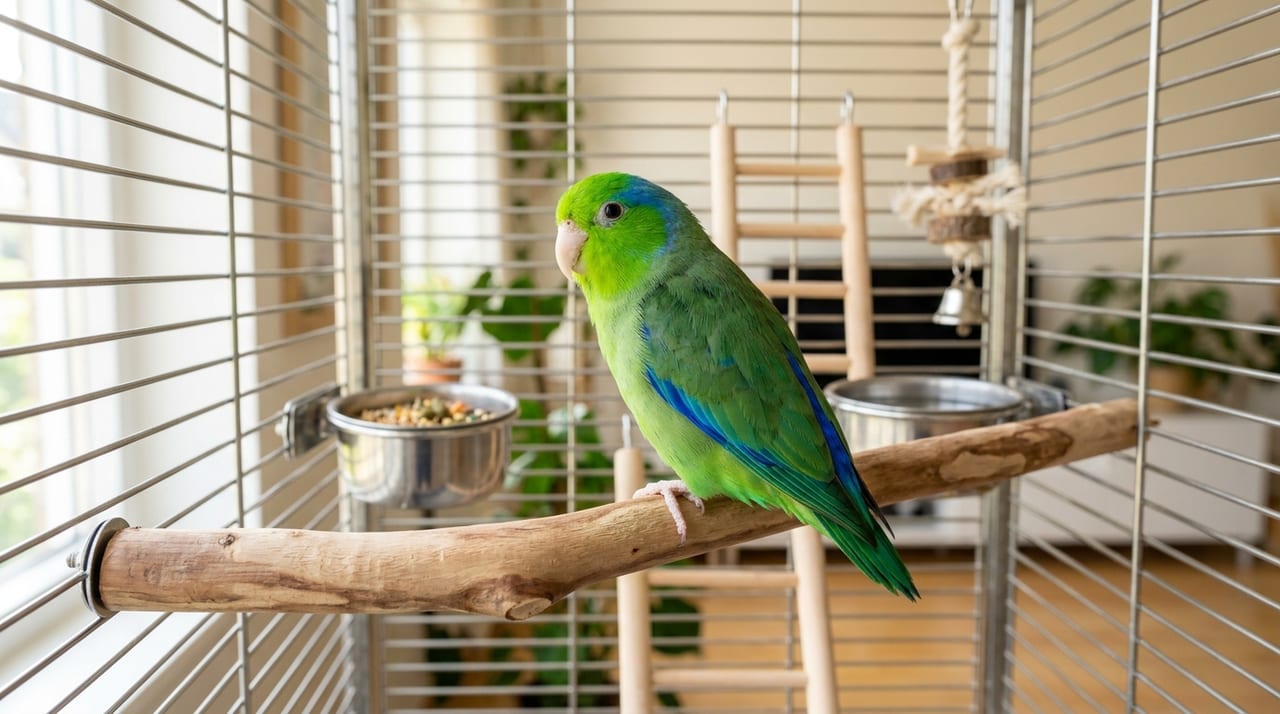
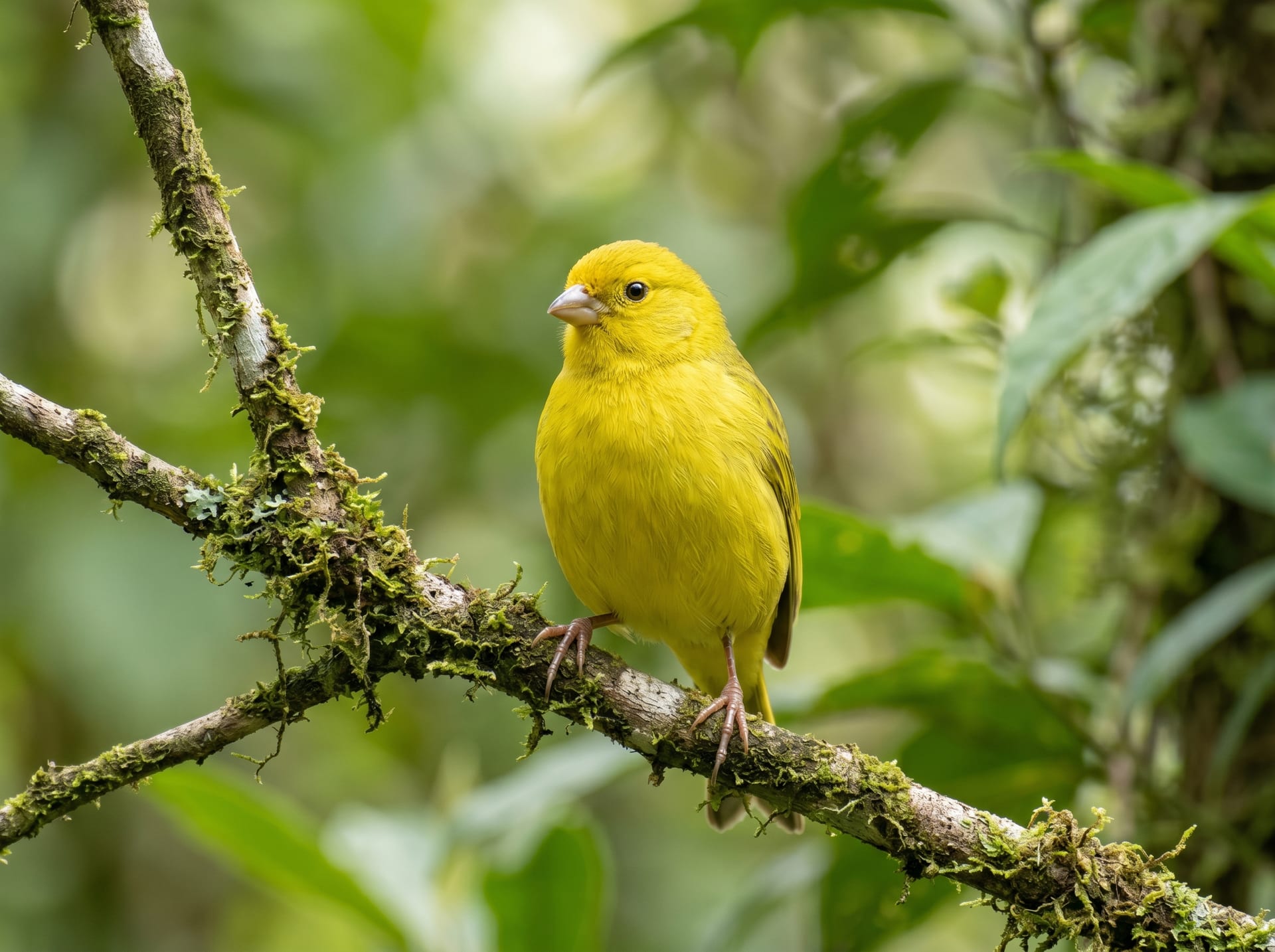
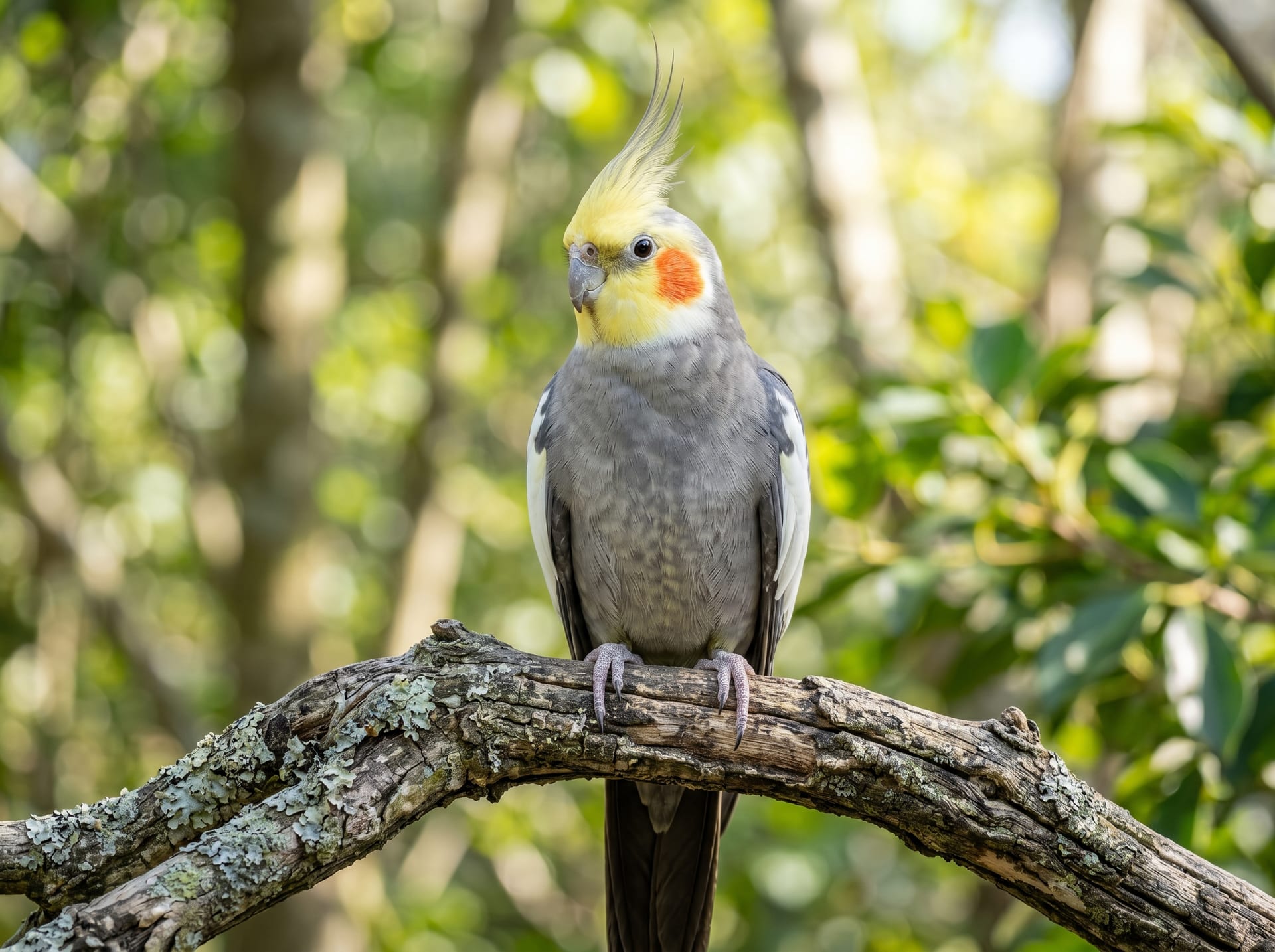
Molt (換羽) is a physiological process in which old feathers fall out and new feathers grow in to replace them. Most birds undergo molt once or twice per year, typically at seasonal transitions. In the case of parakeets and parrots, molt tends to occur after the breeding season (late spring to summer) and again in early autumn. Zebra finches and canaries undergo molt similarly, triggered by changes in daylight hours.
During this period, birds' bodies dramatically increase the synthesis of keratin protein, which comprises feathers, consuming far more energy and nutrients than usual. "Blood feathers" (ブラッドフェザー), which contain blood vessels, extend from the skin, and at this stage, some birds feel pain when their feathers are touched. If your bird resists when you try to stroke its neck area, it is likely that blood feathers are still growing in.
The molt period typically lasts approximately 4 to 8 weeks, but this varies greatly depending on individual differences and the rearing environment. If molt lasts excessively long (3 months or more) or continues without stopping—a condition called "chronic molt"—it may signal a health problem.
---
Health Management | Signs You Cannot Overlook During Molt
During the molt season, birds' immune function tends to decline slightly, making them susceptible to infections and illness. Develop the habit of observing the following points on a daily basis.
Check droppings daily Observe whether droppings have become watery or if the color has changed dramatically. If the uric acid (white portion) is present in normal amounts, kidney function is intact.
Weigh your bird 1–2 times per week Since metabolism increases during molt, minor weight fluctuations are normal. However, if your bird loses more than 10% of its body weight in one week, consult an avian veterinarian. A digital kitchen scale that measures to 0.1 grams is ideal.
Observe feather condition If feathers remain ruffled for an extended period, or if you notice redness on the skin, injuries, or abnormal feather loss, suspect nutritional deficiency or diseases such as psittacosis (chlamydial infection).
Pay attention to changes in activity level and appetite Many birds become quieter during molt, but a bird that does not move at all or barely eats is in danger. Use the maintenance of at least 80% of normal feeding amount as a benchmark.
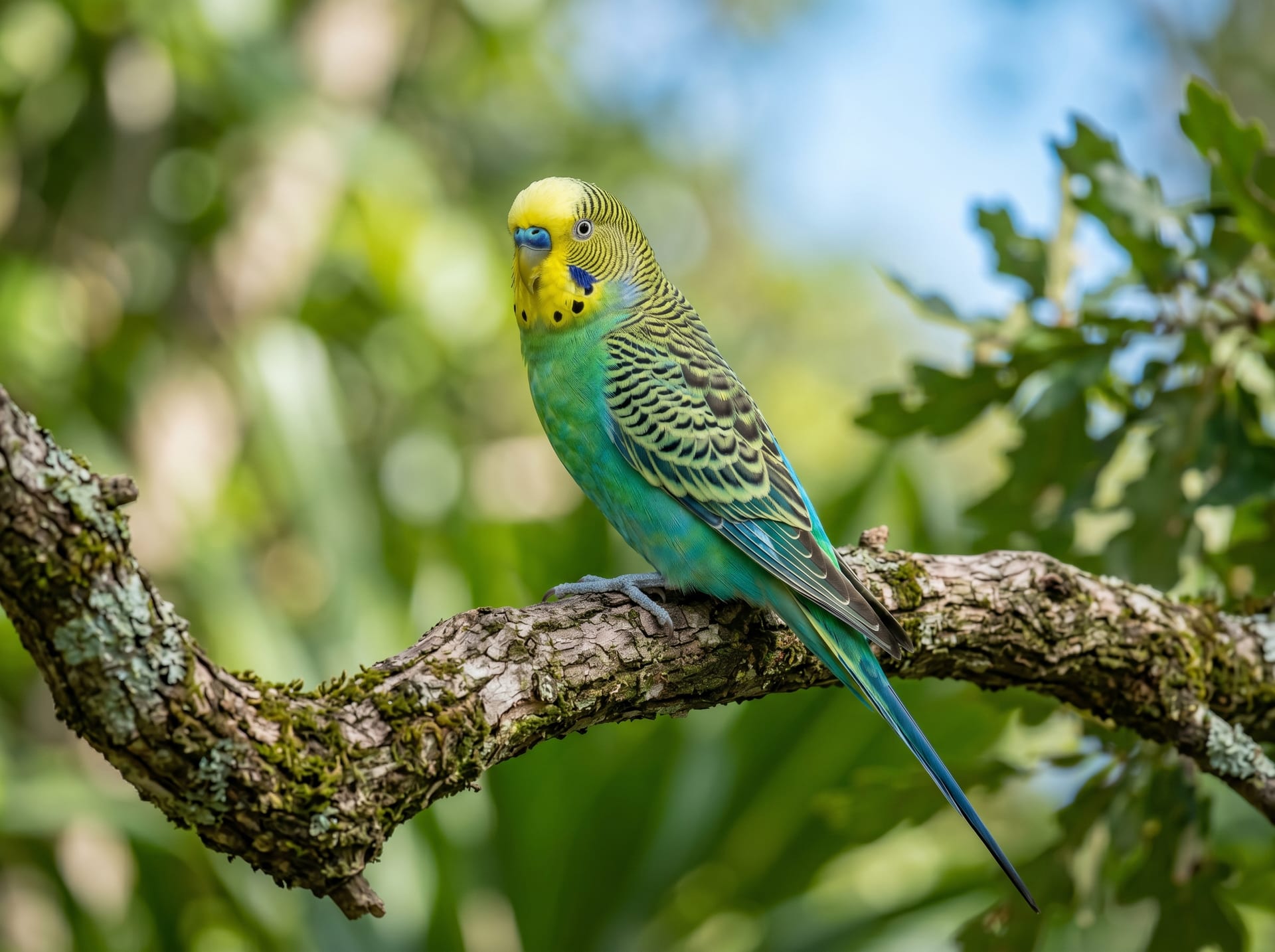
Stabilizing the temperature inside the cage to 26–29°C is also important during seasonal transitions when temperature regulation becomes difficult. Small parakeets (budgies, peach-faced lovebirds, cockatiel, etc.) in particular have difficulty regulating body temperature, so special attention to warmth is necessary.
---
Nutrition | Diet and Essential Nutrients to Support Molt
The most critical nutrient during molt is protein. More than 90% of feathers are composed of a protein called keratin, and the required amount during this period can be 1.5 to 2 times higher than normal.
Foods that supply protein include boiled eggs (both egg white and yolk), unsalted dried small fish, and tofu. For budgies and cockatiels, offering finely crumbled boiled egg 2–3 times per week is effective. However, the egg white in raw eggs contains avidin, a compound that inhibits biotin (vitamin B7) absorption, so eggs must always be cooked.
Supplementing vitamins is equally important. Vitamin A in particular maintains skin and feather health and promotes smooth molting. Offer small amounts of orange and dark leafy vegetables such as pumpkin, carrots, Chinese cabbage, and spinach. B vitamins (especially biotin and pantothenic acid) affect feather shine and durability.
For mineral supplementation, the balance of calcium and phosphorus is critical. Placing a salt block or mineral block containing bone meal in the cage allows your bird to consume the amount it needs on its own. However, excessive amounts place strain on the kidneys, so keep it in the cage on a regular basis only.
Commercial "molt season supplements" are also useful. Liquid types that are added to drinking water in a few drops are easy to use and place minimal stress on the bird. However, remember that supplements are supplementary only; a balanced diet is fundamental.
---
Stress Management | Mental and Physical Stability Affects Molt Quality
Birds become emotionally unstable during molt and can panic at minor stimuli. Stress management during this period directly affects the quality of the molt and the condition of future feathers.
Minimize physical contact During molt, many blood feathers are present in the skin, and excessive handling causes pain and fear. Many birds especially dislike contact to the head, neck, and back areas. Reduce contact time to about half of normal and let your bird set the pace.
Avoid noise and sudden environmental changes The principle is to avoid the molt period for moves, rearrangement of the living space, or introduction of new pets. Loud television, vacuum cleaner noise, and days with many visitors all stress your bird. Even partially covering the cage with a cover reduces visual stimuli.
Manage daylight to regulate the molt cycle Bird molt is strongly influenced by photoperiod (light-dark cycle). If indoor lighting is on 24 hours a day, a bird's body perceives "there is no night," which can disrupt molt. Establishing a 10–12 hour dark period each day balances hormones and encourages molt to occur on a seasonal schedule.
Provide bathing opportunities Birds' skin often becomes itchy during molt, and many increase their interest in bathing. Provide shallow bird baths or mist with warm water (27–30°C) about 2–3 times per week. After bathing, always keep your bird warm to prevent chilling.
---
Distinguishing from Illness | Not Missing Signs of Abnormal Molt
Distinguishing between normal molt and a pathological condition is essential for early detection and treatment.
Signs suggesting abnormal molt
- Molt lasts 3 months or longer, or feathers fall out year-round
- Feathers break or the feather shaft (urhjik) is deformed
- New feathers fail to grow in certain areas
- Redness, wounds, or excessive waxy skin debris appears on the skin
- Self-plucking behavior (feather destructive behavior) begins
If any of these signs appear, consider PBFD (psittacine beak and feather disease), francisellosis, nutritional disorders, or hormonal abnormalities (such as hypothyroidism). All of these conditions have significantly better outcomes with early treatment, so do not wait 1–2 weeks to observe—consult an avian veterinarian.
Feather destructive behavior is a complex condition involving both behavioral and physical disease. While simple stress can be the cause, infections or endocrine diseases may be lurking behind it, so self-diagnosis and treatment are dangerous.
---
Summary | What Bird Owners Can Do to Get Through the Molt Season
Molt season is a period of significant physical and mental burden for birds. The best strategy for bird owners is to focus on four things: nutrition, temperature, quiet, and observation.
A diet conscious of protein and vitamins, stable room temperature of 26–29°C, a quiet environment that avoids excessive contact, and daily checks of weight, droppings, and activity level are the fastest path to completing molt safely.
Do not dismiss molt as "just a few feathers falling out," but instead view the molt season as an opportunity to carefully observe your bird's condition. A bird that completes molt in good health will display beautifully uniform feathers and show off improved overall health. If you notice anything unusual, do not hesitate to consult an avian veterinarian.