Complete Guide to Out-of-Cage Safety Measures | Room Setup and Precautions to Prevent Accidents
This guide explains common accidents and safety measures during out-of-cage time for parrots and macaws. We introduce hazard points such as windows, mirrors, and kitchens, safe room setup, and rules for out-of-cage time.
Key Takeaways
This guide explains common accidents and safety measures during out-of-cage time for parrots and macaws. We introduce hazard points such as windows, mirrors, and kitchens, safe room setup, and rules for out-of-cage time.
Related Species
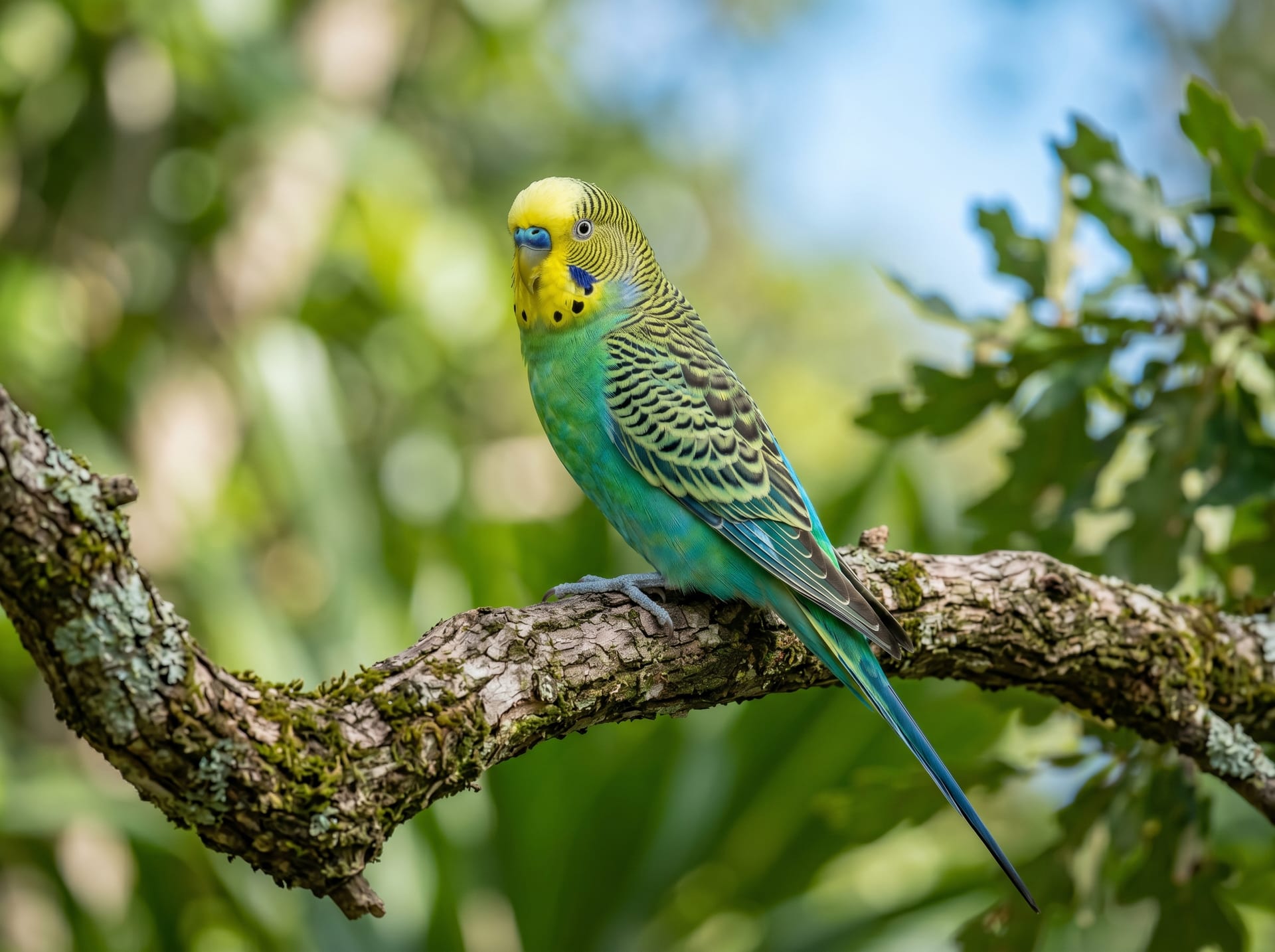
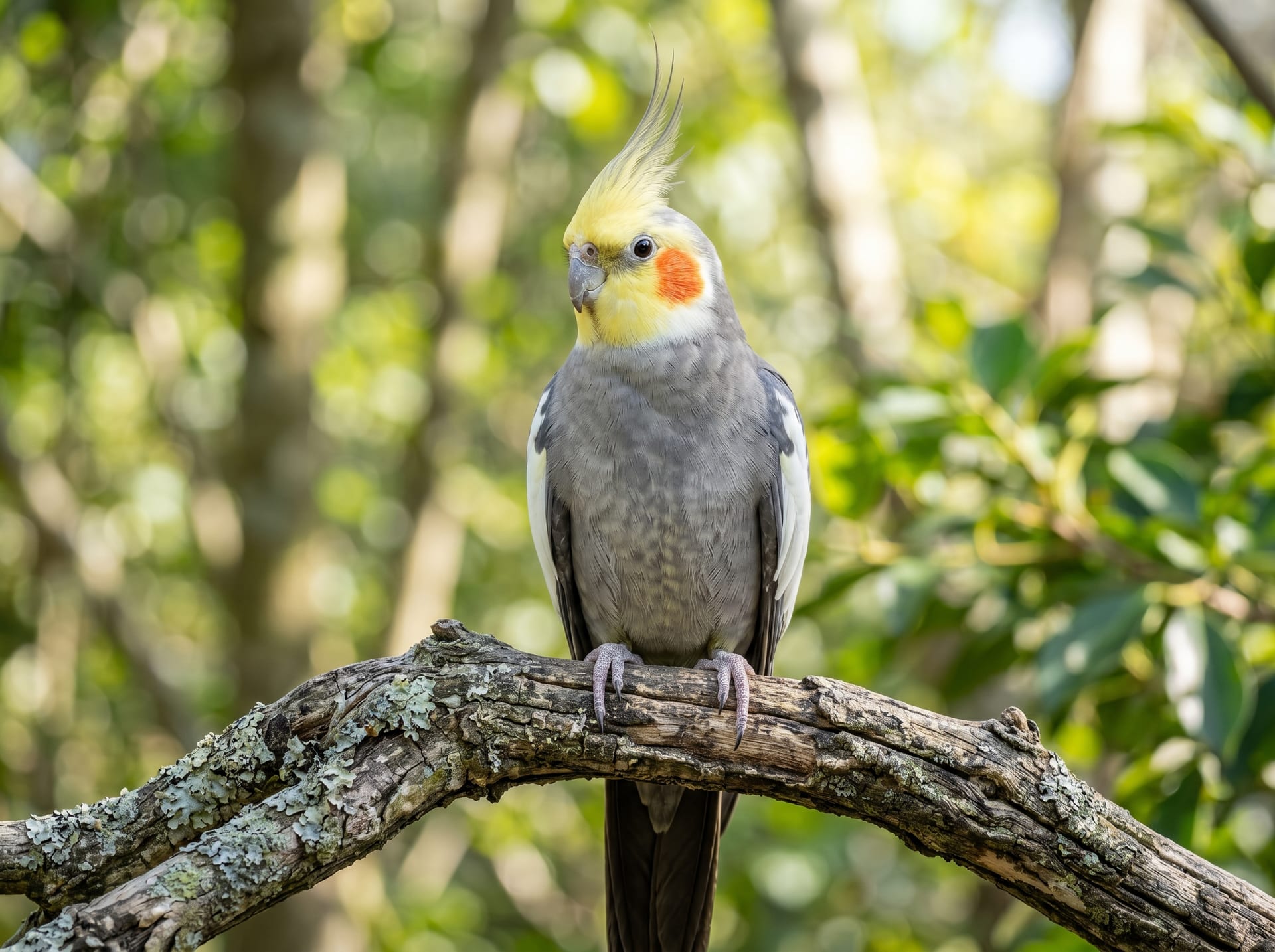
Out-of-cage time (letting your bird fly freely in a room after removing it from its cage) is an essential period for preventing exercise deficiency and relieving stress in birds. However, indoor environments contain many hazards for birds, and numerous accidents occur every year. Most out-of-cage accidents can be prevented with the bird owner's attention and proper preparation. This article explains in detail the measures needed to enjoy out-of-cage time safely.
Common Accidents During Out-of-Cage Time
The most common accidents during out-of-cage time are the following cases.
Escape Through Windows or Doors (Loss)
- The most common and most irreversible accident. When a pet bird escapes outdoors, its survival rate is extremely low
- Most cases occur when a window is opened or when the bird flies out through a door opened by a family member
- Screen doors alone are insufficient. Birds can tear them with their beaks or escape through gaps
Collision with Window Glass or Mirrors
- Birds cannot recognize glass or mirrors and collide at full speed, resulting in concussion or fractures, and in the worst cases, death
- This is particularly common in birds that have just arrived home and are not yet accustomed to the room
Kitchen Accidents
- Falling into pots and getting burned
- Death by poisoning from toxic fumes produced when heating Teflon-coated cookware (birds are extremely sensitive to these fumes)
- Injuries from knives or hot oil
Stepping On or Crushing Accidents
- Stepping on a bird walking on the floor
- Sitting on a bird that has gotten into a sofa or cushion crevice
- Pinching a bird when closing a door
Ingestion of Toxic Substances
- Chewing on houseplant leaves (many houseplants such as pothos and ivy are toxic to birds)
- Lead poisoning from chewing on lead-containing products (curtain weights, fishing sinkers, etc.)
- Accidental consumption of human foods (chocolate, avocado, caffeine, etc.)
If your bird suffers a fracture or injury from a collision or being stepped on, emergency care instructions are provided in our Pet Bird Fracture and Injury First Aid Guide. Reading this beforehand will help you stay calm and act appropriately in an emergency.
Pre-Out-of-Cage Room Safety Checklist
Before allowing your bird out of its cage, perform the following safety measures in the room.
Window and Door Precautions
- Close all windows completely (screen doors are insufficient)
- Close curtains to make the bird aware of the window glass
- Close the door to the room where the bird will be out of its cage and inform all family members that the bird is out
- It's reassuring to post a sign at the entrance saying "Bird Out of Cage"
Glass and Mirror Precautions
- Cover large mirrors with curtains or towels
- Close curtains or lower blinds on windows
- In a new environment, apply stickers to glass to improve visibility
Kitchen Precautions
- Keep the bird out of the kitchen during out-of-cage time (close the door or set up a barrier)
- Do not use Teflon-coated cookware (heating produces toxic fumes)
- If the kitchen and out-of-cage space are in the same room, do not cook during out-of-cage time
Removal of Hazardous Items
- Remove toxic houseplants from the room
- Put away lead-containing products (curtain weights, accessories, etc.)
- Remove small metal fragments, rubber bands, and other items that are easily ingested
- Store cleaning products, cosmetics, and medications in places out of reach
- Do not use aromatic oils or incense (they are harmful to birds' respiratory systems)
Other Precautions
- Turn off ceiling fans
- Cover vases or aquariums with water (to prevent drowning)
- Protect or hide electrical cords with covers
- Keep the toilet lid closed
Establishing Out-of-Cage Rules
To ensure safe out-of-cage time, establish rules that all family members share.
Basic Rules
- Always supervise your bird during out-of-cage time (do not take your eyes off it)
- Decide on a specific time and room for out-of-cage time
- Avoid being too focused on your smartphone and pay attention to the bird's movements
- Always know where your bird is
- Develop a habit of asking "Where is the bird?" before opening a door
Out-of-Cage Time and Frequency
- Ideally, allow 30 minutes to 1 hour of out-of-cage time per day
- Establishing a consistent daily out-of-cage time creates a rhythm
- Do not force out-of-cage time on days when you are tired or your bird is unwell
How to Return the Bird to Its Cage
- Using treats to lure the bird back to its cage is the smoothest method
- Establish a cue such as "Let's go home" and make it a habit
- Avoid chasing and capturing the bird, as this damages trust
About Clipping (Wing Feather Trimming)
One way to prevent flight accidents is clipping (trimming flight feathers to limit flight ability), but this is a matter of debate.
Benefits
- Significantly reduces the risk of escape through windows
- Prevents high-speed collisions with window glass
- Makes it easier for the owner to control the bird
Drawbacks
- Flight is the most important exercise for birds, and restricting it causes stress
- Lack of exercise increases the risk of obesity
- Birds unable to fly may fail to land properly and break their breastbone
- It may have negative effects on mental health
Consult a veterinarian or experienced breeder about whether to clip your bird's wings. With sufficient environmental precautions, safe out-of-cage time is possible without clipping.
About Out-of-Cage Time After Bringing Home a New Bird
It is dangerous to let a newly acquired bird out of its cage immediately. A bird that has not yet learned the room's structure has an extremely high risk of colliding with window glass or walls. After bringing your bird home, allow at least 1-2 weeks in its cage to adjust to the new environment. During this time, let the bird observe the room through the cage to become aware of window locations and walls. For the first out-of-cage session, conduct it in a completely safe environment with curtains closed and mirrors covered. Start with just 5 minutes and gradually extend the time while confirming the bird can fly calmly. Birds without clipped wings require special attention, as the impact of flying full-speed into a glass window can be fatal. Until your bird completely understands the room's structure, supervise closely during out-of-cage time. Chicks and young birds are particularly curious and accident-prone, so please also refer to our Pet Bird Lifecycle Stages Care Guide for growth-stage-specific precautions.
At BreederDirect, you can consult with the breeder of your newly acquired bird for advice on out-of-cage time and safety measures. By referring to the breeder's breeding environment, you can create safe and enjoyable out-of-cage time for your beloved bird.