Complete Guide to Bird Toys and Enrichment: Creating an Engaging Play Environment
Explains toy selection and enrichment methods for parakeets and parrots. Introduces how to make foraging toys, how to identify safe materials, and recommended items by play type.
Key Takeaways
Explains toy selection and enrichment methods for parakeets and parrots. Introduces how to make foraging toys, how to identify safe materials, and recommended items by play type.
Related Species
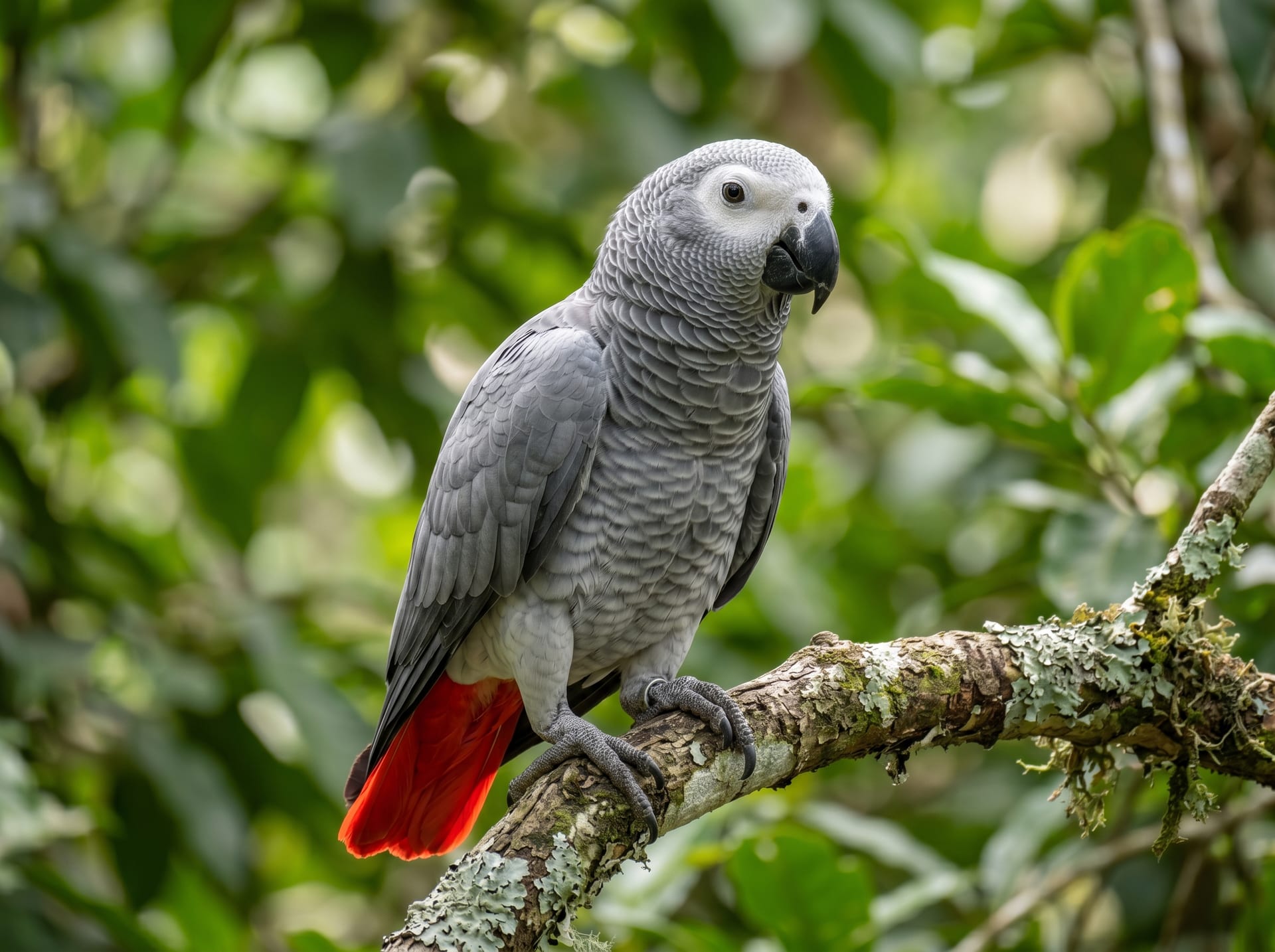
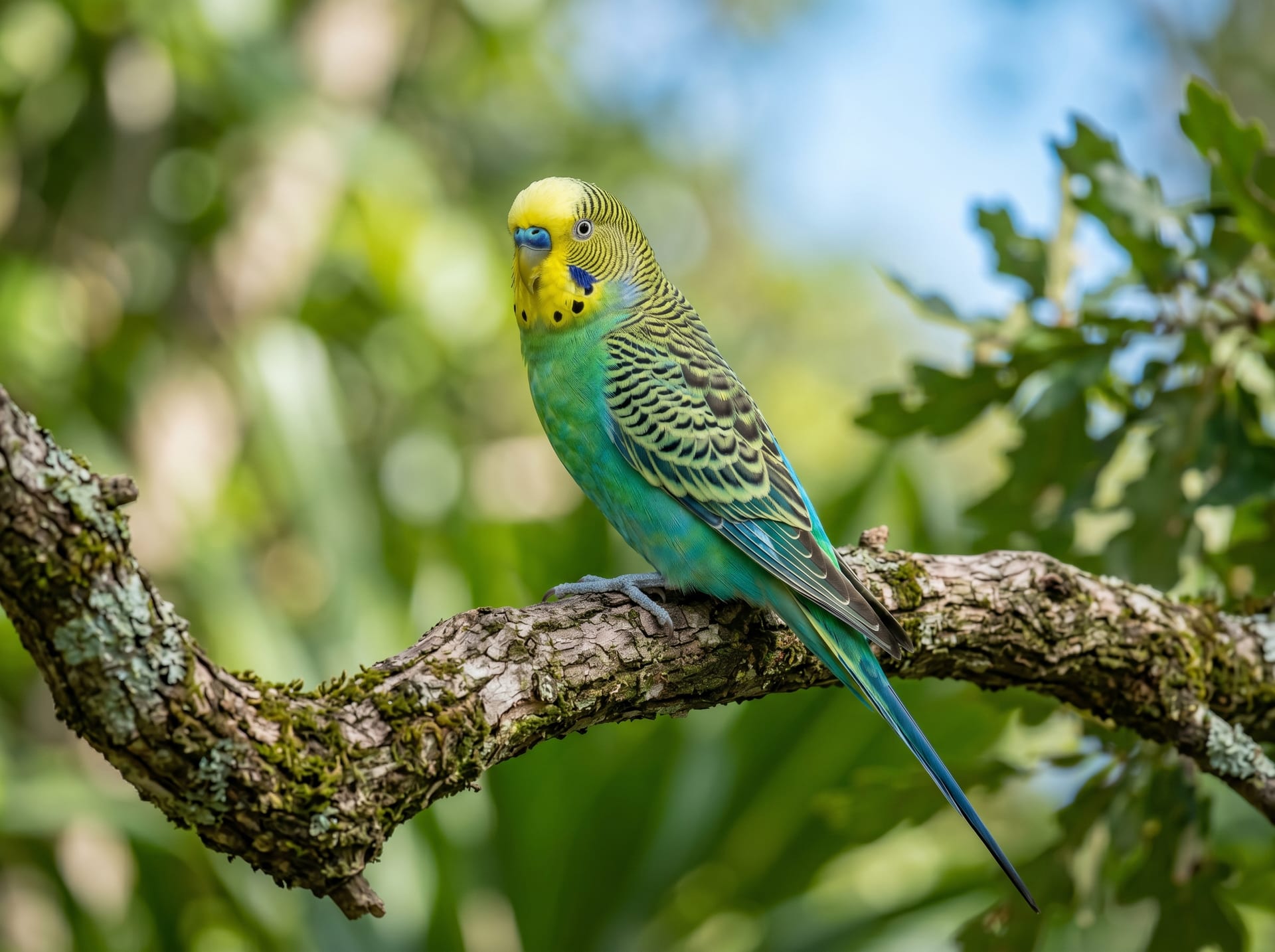
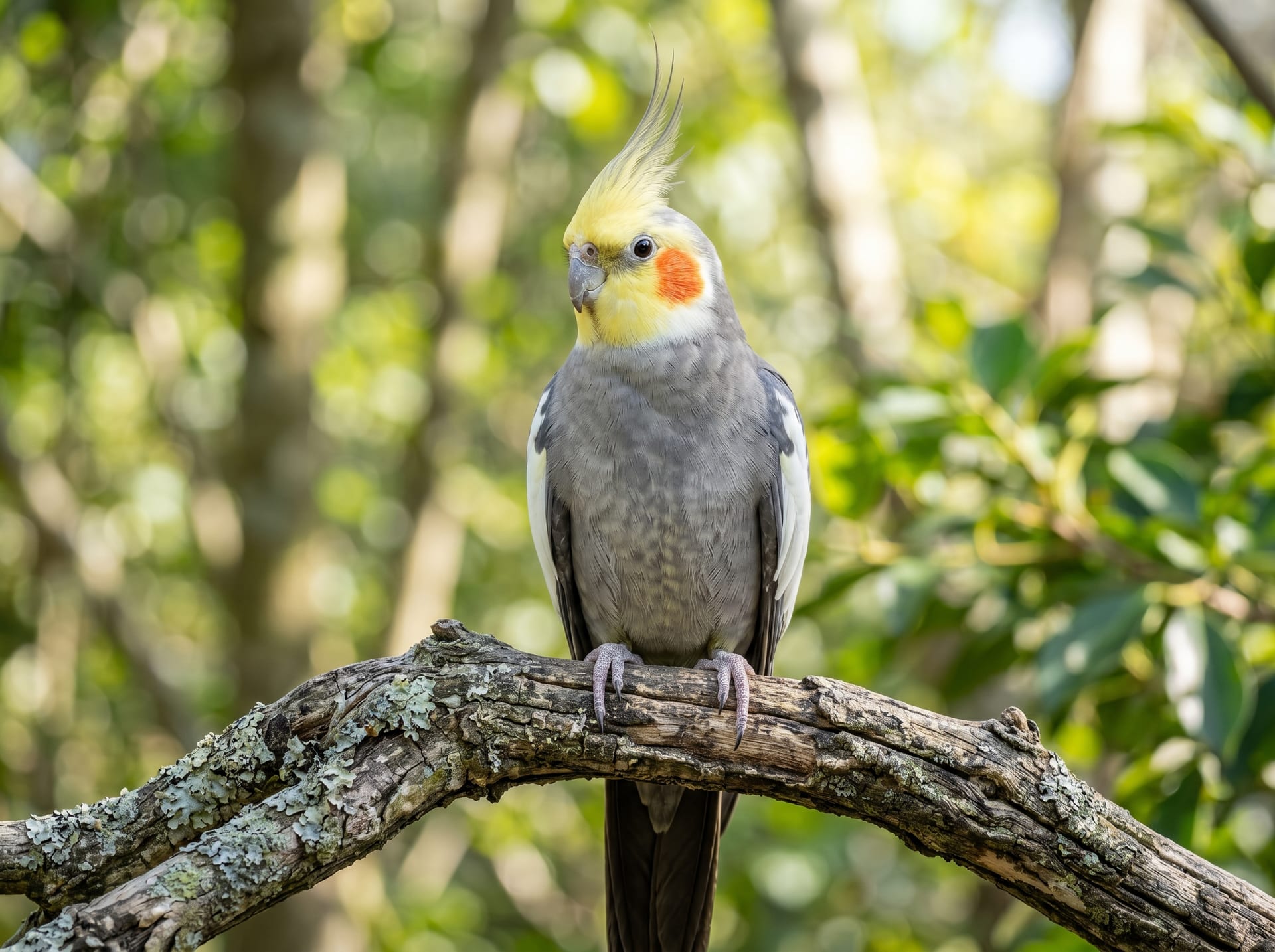
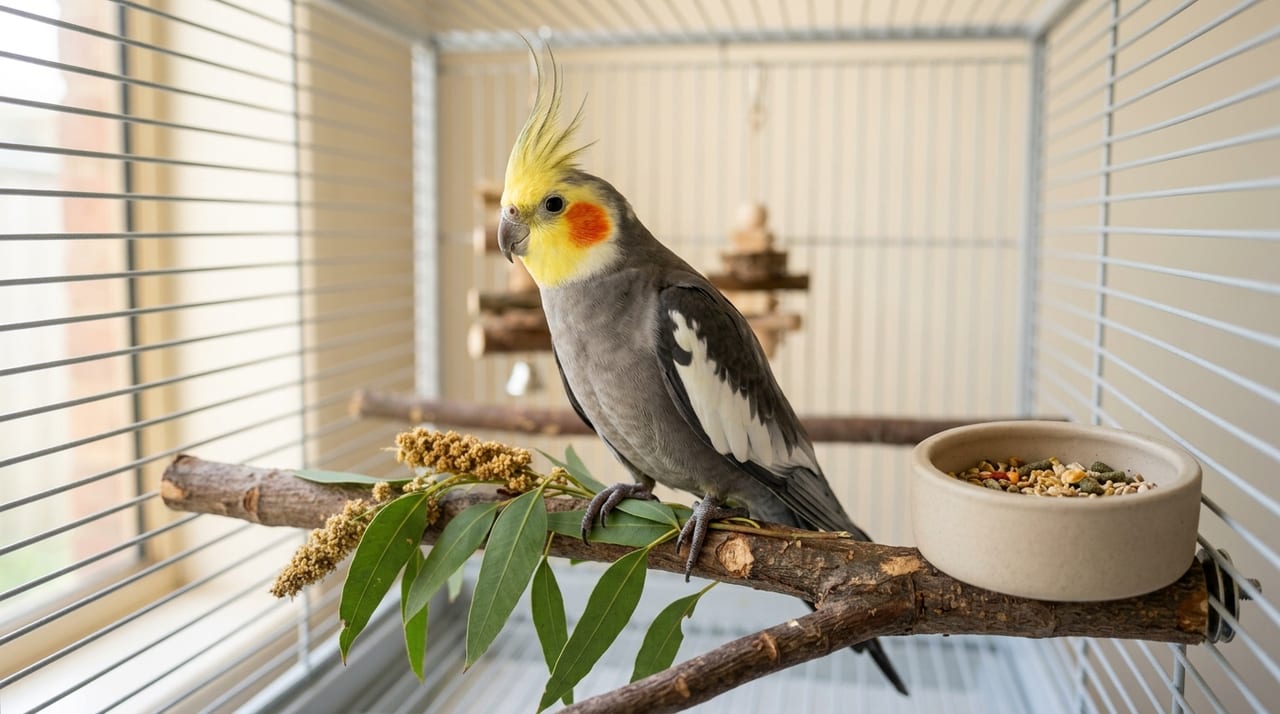
Birds are animals with intelligence comparable to mammals. Parrots and parakeets possess problem-solving abilities and tool-use capabilities, with rich emotional lives. However, when their living environment becomes monotonous, their rich intellect has nowhere to go, often manifesting as behavioral problems such as feather plucking, self-injury, excessive vocalization, and increased aggression.
To prevent these problems and ensure your bird thrives both physically and mentally, "enrichment" is essential. Enrichment refers to strategies that recreate and encourage the natural behaviors birds perform in the wild within a captive environment. Proper toy selection and play space design significantly impact your bird's quality of life.
The Importance of Foraging Toys and DIY Ideas
Wild birds spend 50-60% of their day engaged in foraging. The series of behaviors—searching for food, pushing through branches, peeling tree bark—constitutes intellectual activity far beyond mere eating. In captivity, however, food is always available in feeders, causing this essential behavior to decline dramatically.
Foraging toys deliberately create the process of "searching for and retrieving food," encouraging natural foraging behaviors.
DIY Foraging Toys by Difficulty Level
- Beginner: Fill a paper cup with food and cover it with paper. Wrap food in newspaper and tie it with string.
- Intermediate: Fold the ends of a toilet paper roll and stuff it with food. Fill a plastic container with small holes with food and let your bird roll it around to extract the food.
- Advanced: Puzzle boxes with multiple steps or drawer-style cases with food dispersed and hidden inside.
The key is finding the right difficulty level—not too hard and not too easy. Toys that are frustratingly difficult or trivially simple won't provide sufficient stimulation. Observe your bird and gradually increase the difficulty level.
Safe Toy Materials and Selection
Birds chew, tear, and attempt to ingest toys. Material safety is the top priority.
Safe Materials to Use
- Natural wood: Balsa, pine, birch, cork. Choose untreated, undyed varieties
- Plant-fiber rope: Sisal hemp, cotton rope (watch for fraying)
- Metal hardware: Stainless steel only
- Coloring: Food-grade natural dyes only
Materials and Shapes to Avoid
- Galvanized metal: Can cause zinc toxicity
- Lead-containing materials: Even trace amounts can cause severe toxicity
- Jingle bell-style bells: Beak and feet can become trapped inside with frequent accident reports
- Thin chains or rings: Feet and claws can become tangled, causing circulation problems or fractures
- Frayed cotton rope: Ingesting long fibers can cause intestinal blockage
Inspect toys at least weekly and immediately remove those showing damage, fraying, or deformation. Size selection is equally important—match toys to your bird's size. Budgies need small, lightweight toys; cockatiels need medium-sized ones; African greys and large macaws require sturdy, large toys.
Toy Types and Rotation Strategies
Toys fall into four main functional categories. Combining each type creates balanced stimulation for your bird.
| Category | Examples | Benefits |
|---|---|---|
| Destructible | Wood chips, cork blocks, shredder toys | Beak health, satisfying chewing drive |
| Cognitive | Foraging toys, puzzle boxes | Mental stimulation, problem-solving skills |
| Physical | Swings, ladders, rope perches | Balance, muscle maintenance |
| Auditory/Visual | Bells, rattles, toys with mirrors | Auditory and visual stimulation |
Overcrowding a cage with toys eliminates space for your bird to move. Set out 3-5 toys at a time. Rotate toys weekly or bi-weekly to maintain novelty and prevent boredom.
Introducing New Toys
Birds are naturally wary of new objects (neophobia). Placing a toy directly in the cage can cause stress. Instead, place it outside the cage first, allow your bird to recognize its presence, then show and let your bird touch it outside the cage before finally placing it inside—gradual introduction is most effective.
Out-of-Cage Flight Time and Play Gym Use
Out-of-cage flight time, or "out-of-cage time," is equally important as in-cage enrichment. Ideal flight time is 1-2+ hours daily, with flying, exploring, and interacting with humans all contributing to your bird's mental health.
Safety Measures for Flight Space
Always eliminate the following hazards during out-of-cage time:
- Windows and mirrors: Birds may collide with transparent surfaces or reflections
- Houseplants: Pothos, aloe, monstera, and many others are toxic to birds
- Cooking equipment and nonstick coating: Fumes from overheated nonstick pans are lethal
- Fans and ventilation: Can cause serious accidents with trapped wings
- Other pets: Dog and cat interactions must always be supervised
Play gyms (bird stands) are ideal hubs for flight space. Combining perches, toys, and treat stations creates a safe place where your bird can freely explore and play. In addition to commercial options, DIY play gyms made from natural branches are also popular.
BreederDirect's Safe and Reliable System
Bird toy preferences vary greatly between individuals—even within the same species, some birds love destructible toys while others ignore foraging toys. The breeder who has raised your bird from a young age knows its personality and preferences best.
On BreederDirect, breeders sell directly, so you can ask detailed questions about your bird's personality before purchase. Questions like "What toys does it respond to?" or "Does it have foraging experience?" receive concrete, observation-based answers.
Only vetted, trustworthy breeders sell on BreederDirect. All communication from inquiry through payment terms is recorded in the messaging system, reducing misunderstandings. Even after bringing your bird home, you can consult the breeder about care questions or concerns.
Bring home a healthy bird with a rich emotional life and provide enrichment for a fulfilling life together. We encourage you to start that journey with BreederDirect.