Parrot Hormonal Control & Egg Binding Prevention Guide
Managing parrot hormonal behavior and preventing egg binding through environmental control and emergency response.
Key Takeaways
Managing parrot hormonal behavior and preventing egg binding through environmental control and emergency response.
Related Species
In captive parrots and parakeets, excessive breeding behavior can lead to serious health problems. Egg binding (dystocia) in females is a life-threatening emergency. This article explains how to properly control breeding behavior and how to prevent and manage egg binding.
Why Excessive Breeding Behavior Occurs in Captivity
In the wild, parrots only come into breeding condition when environmental factors align: day length, temperature, and food abundance. However, in captivity, stable temperatures, abundant food, and extended lighting hours create conditions that the bird perceives as "always suitable for breeding," potentially triggering year-round reproductive behavior.
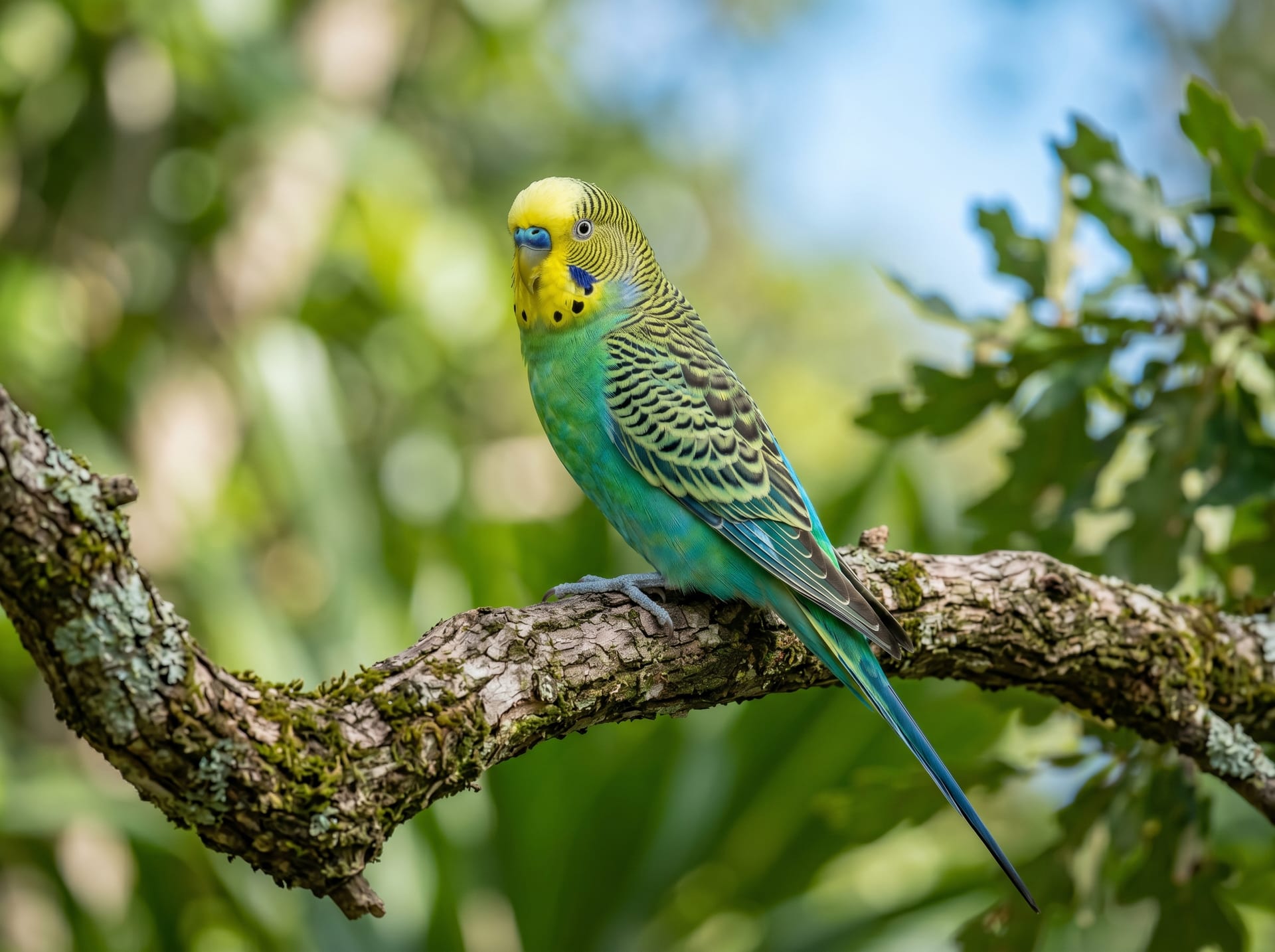
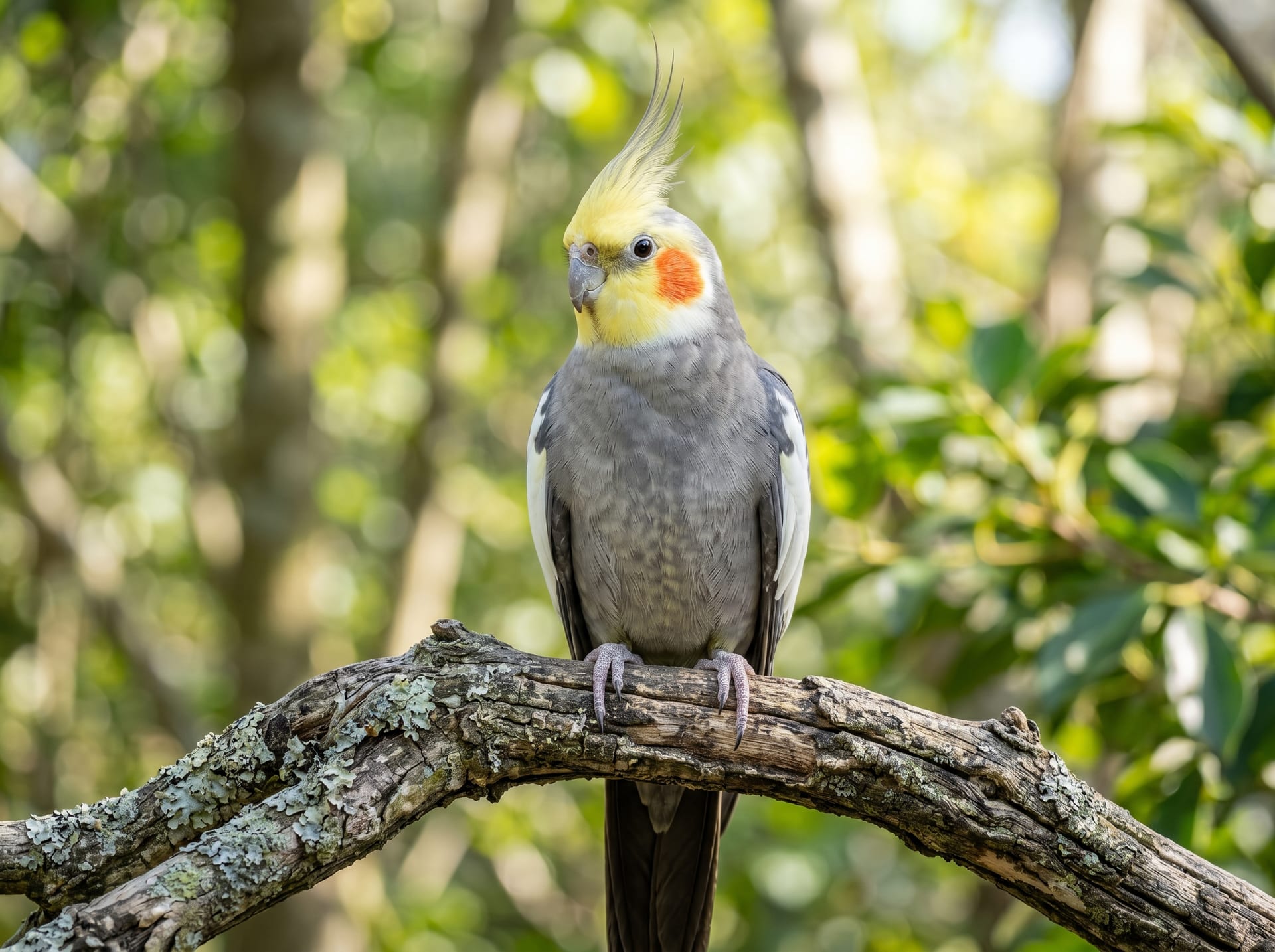
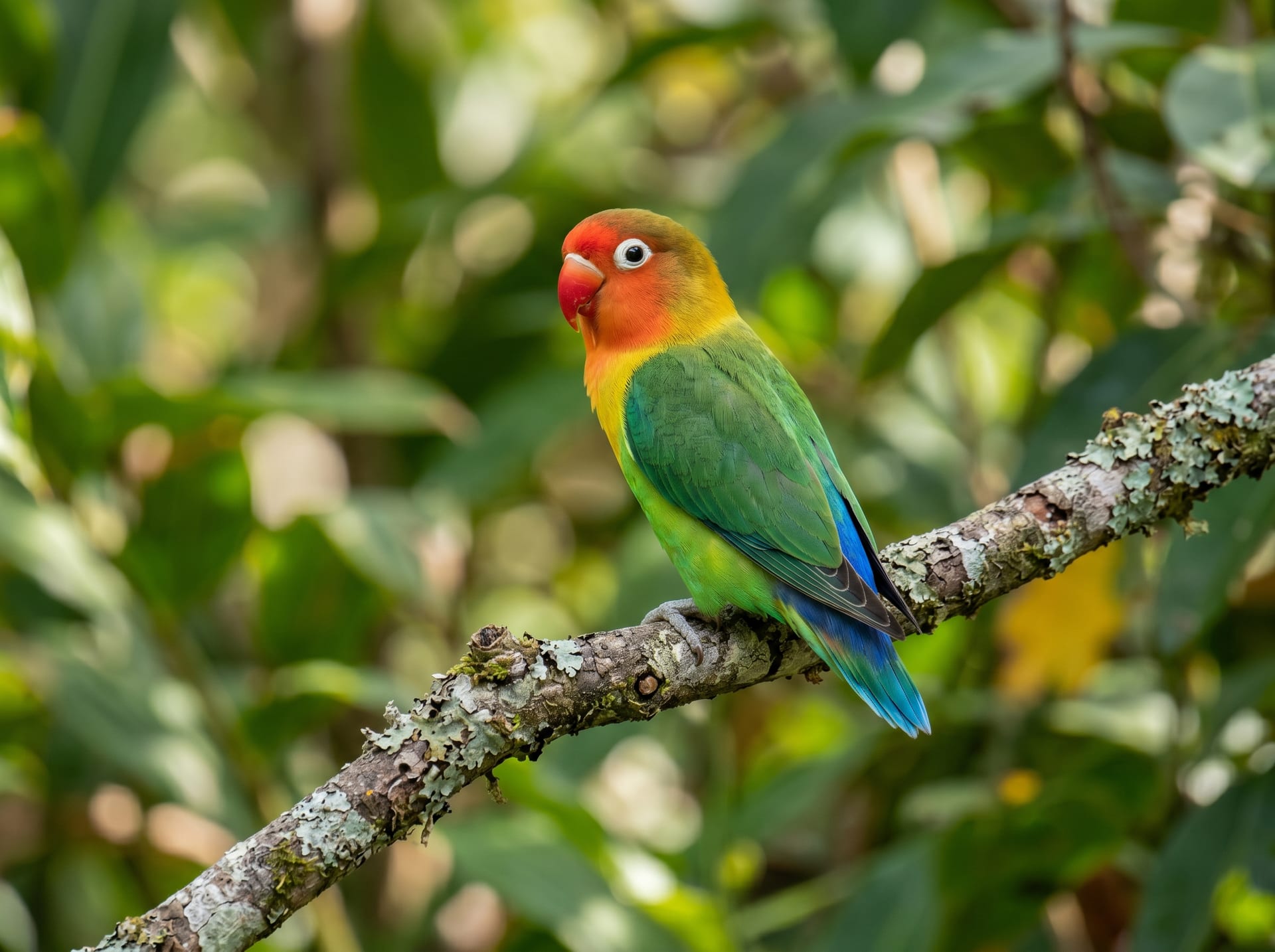
Furthermore, certain types of physical contact from the owner (stroking the back, touching areas other than the head) can trigger breeding behavior. Female budgerigars, cockatiels, and lovebirds are particularly prone to hormonal stimulation.
Signs of Breeding Behavior
Female breeding signs include: assuming a low posture with raised tail (mating position), nesting behavior such as tucking paper or fabric against the body, increased appetite and weight gain, becoming aggressive, and changes in cere color (the skin around the nostrils turns brown in budgerigars).
Male breeding signs include: regurgitation (courtship feeding behavior), rubbing the body against perches or hands, courting mirrors or toys, and frequent singing.
Environmental Management to Suppress Breeding
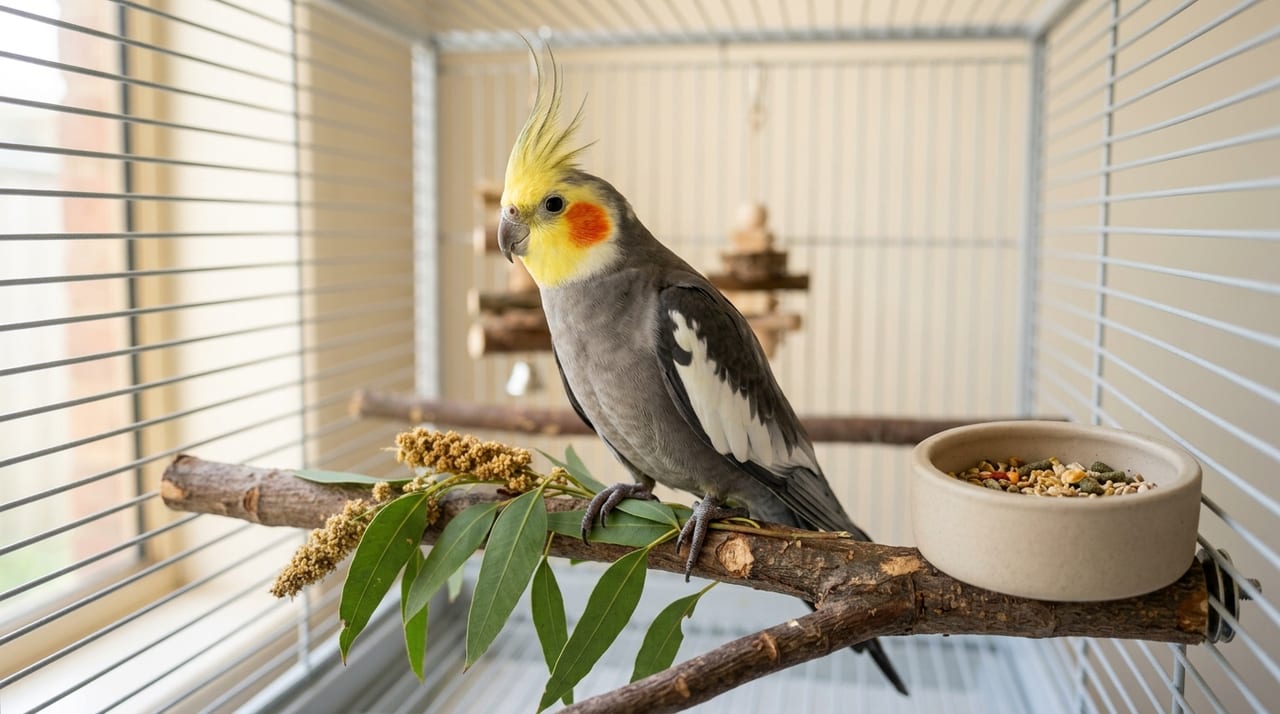
Daylight adjustment: The most effective breeding suppression method. Limit daily light exposure to 10 hours or less, ensuring 14 or more hours of darkness (sleep time). Cover the cage with a blackout cover, blocking out television and room lighting as well.
Temperature management: Maintain a slightly cool environment (20-25 degrees Celsius). Overly warm environments are perceived as breeding-favorable conditions.
Dietary restriction: Reduce high-fat, high-calorie foods (sunflower seeds, hemp seeds) and switch to a pellet and vegetable-based diet. Appetite increases during breeding season, but maintain proper feeding amounts for weight management.