Java Sparrow Breeds and Complete Care Guide | Differences Between Sakura, White, and Cinnamon Varieties and How to Choose
Explains the characteristics and care methods for Java sparrow varieties (Sakura, White, Cinnamon, and Silver). Introduces personality differences, how to select chicks, rearing environment, and tips for hand-taming.
Key Takeaways
Explains the characteristics and care methods for Java sparrow varieties (Sakura, White, Cinnamon, and Silver). Introduces personality differences, how to select chicks, rearing environment, and tips for hand-taming.
Related Species
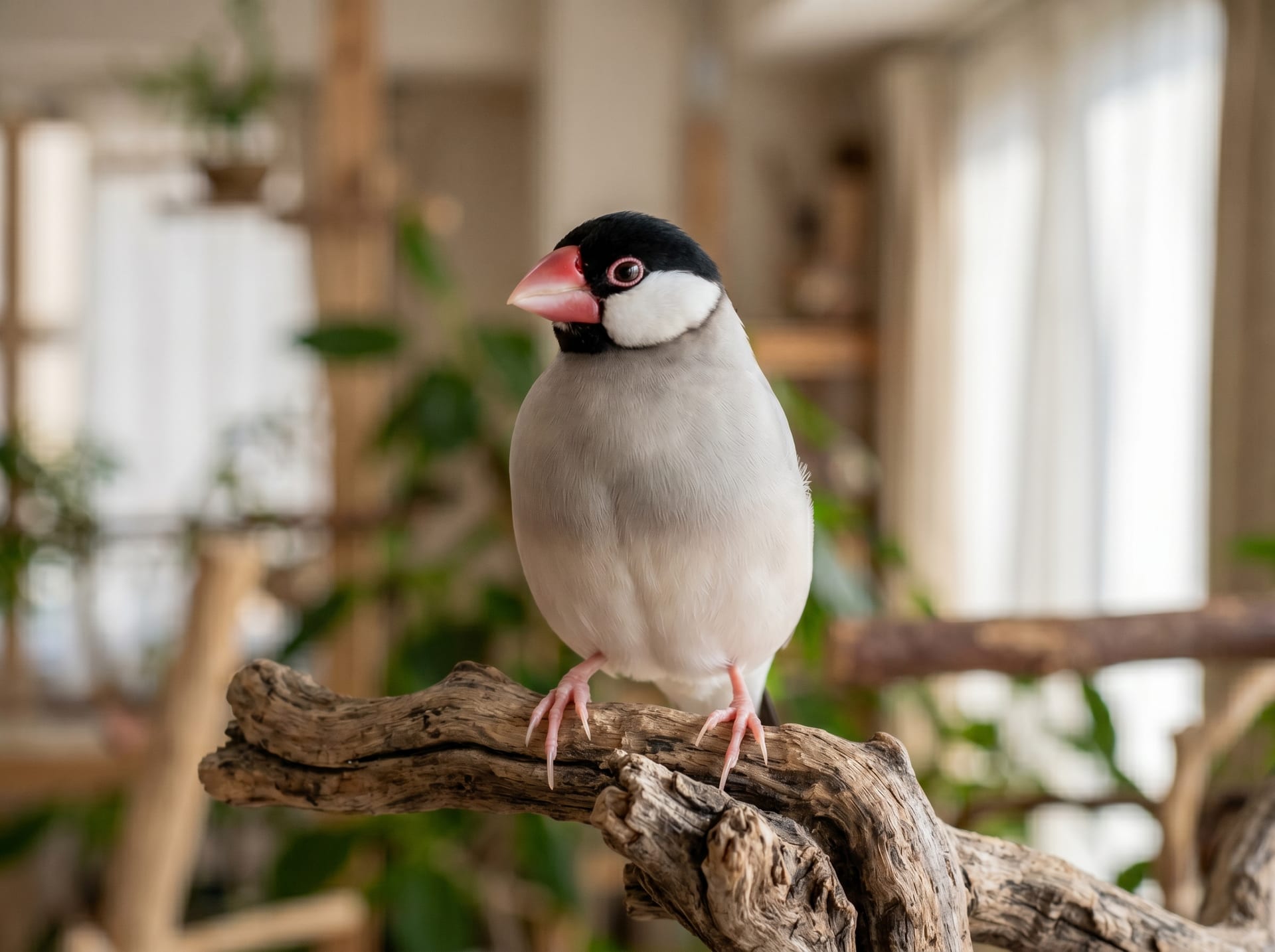
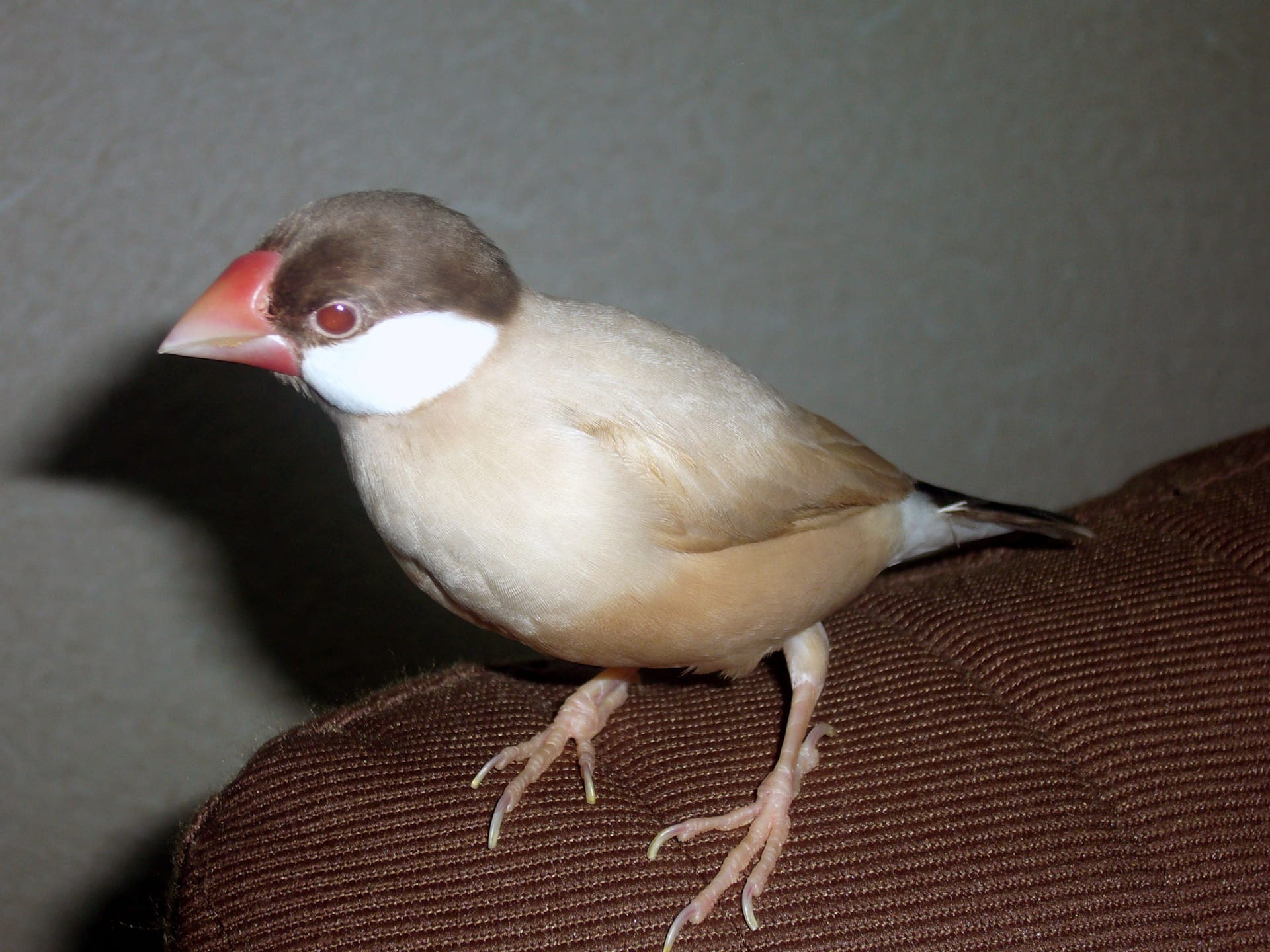
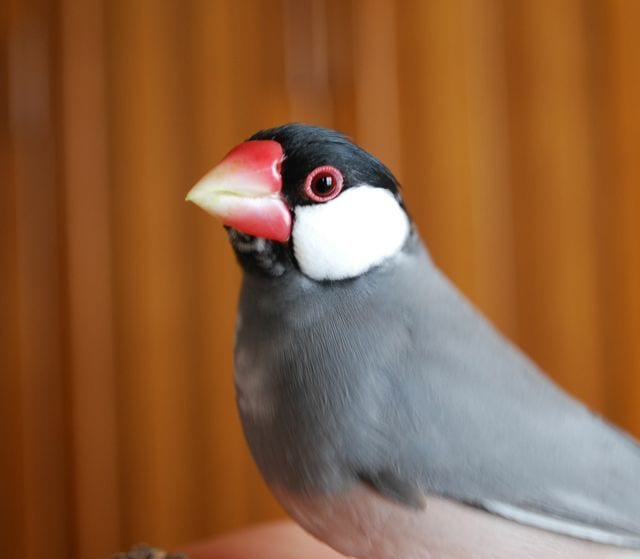
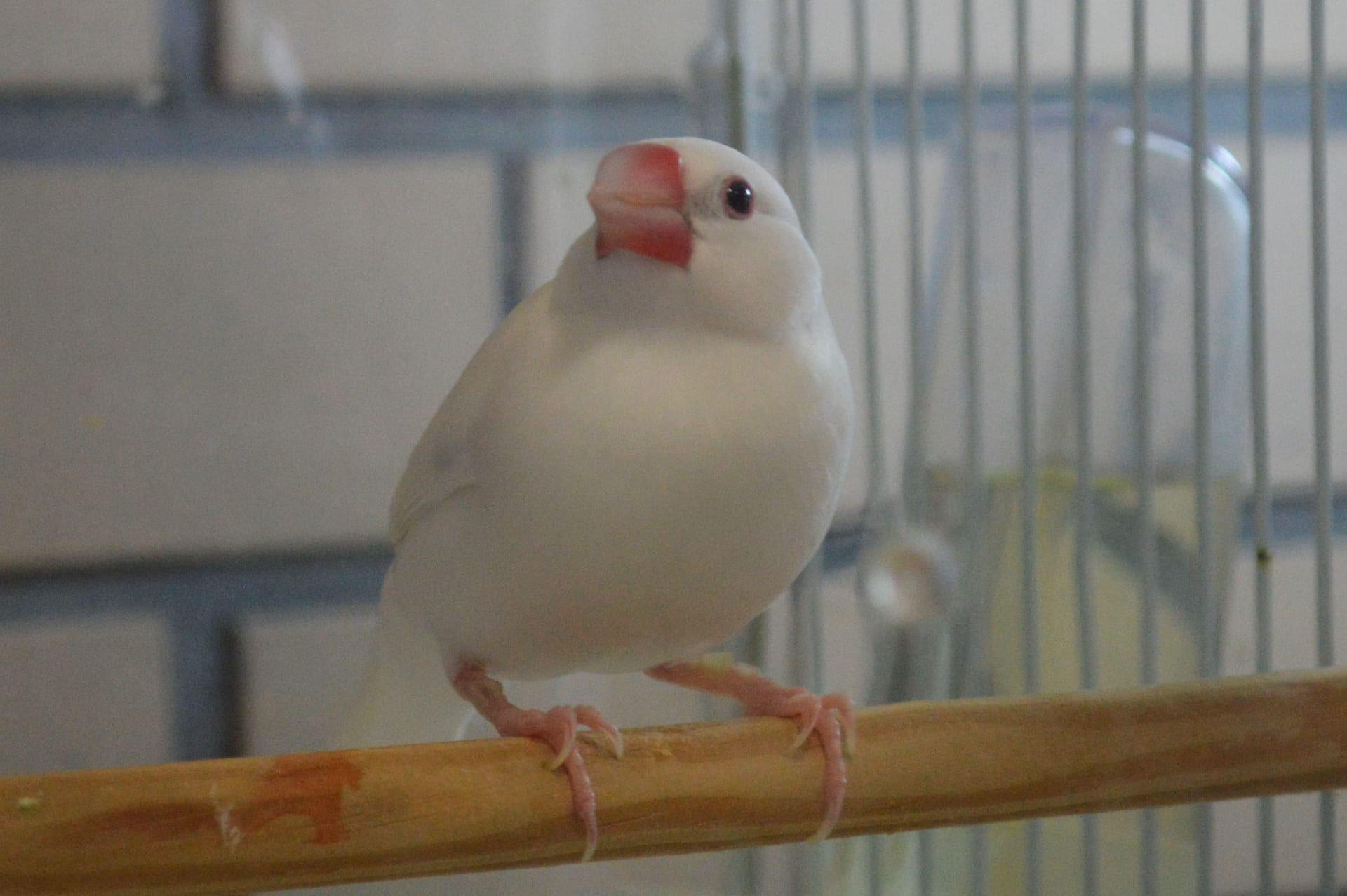
Java sparrows are small finches native to Java, and they are beloved pet birds with a long history in Japan dating back to the Edo period. Hand-tamed Java sparrows show deep affection to their owners, and their appearance sleeping in your palm is exceptionally endearing. In recent years, color variations have increased, and more enthusiasts are enjoying the individuality of each variety. This article provides a detailed explanation of the differences between Java sparrow varieties and their care methods.
Main Java Sparrow Varieties and Characteristics
The main Java sparrow varieties are as follows.
| Variety | Characteristics |
|---|---|
| Normal Java Sparrow | The wild-type coloring closest to natural Java sparrows, with black on the head and tail, white on the cheeks, and gray coloring from the chest to belly. Hardy and easy to keep, recommended for beginners. Many individuals tend to have an active, wild-spirited personality. |
| Sakura Java Sparrow | A pied pattern with white feathers mixed into the normal coloring, and the most popular variety in Japan. Since the pattern is unique for each individual, their personalities stand out. The name "Sakura" comes from the white feathers resembling cherry blossoms. Equally hardy as the normal variety. |
| White Java Sparrow | A beautiful variety with pure white plumage throughout the body, known to originate from Yatomi City, Aichi Prefecture. The red beak and eyes stand out against the white feathers, creating a very elegant impression. Due to melanin deficiency, the constitution tends to be somewhat delicate compared to other varieties, but they can live long and healthy lives in appropriate rearing environments. |
| Cinnamon Java Sparrow | A variety where melanin pigment has changed to brown, with soft brown-tone coloring overall. Popular for its warm coloring. |
| Silver Java Sparrow | A variety with lightened gray pigmentation, characterized by elegant silver-toned plumage. |
Both Cinnamon and Silver Java Sparrows are pigmentation-mutation varieties and tend to be sensitive to direct sunlight, requiring consideration for UV protection measures.
Differences Between Normal and Sakura Java Sparrows
Questions about "what is the difference between normal and Sakura Java Sparrows?" are very common, so let me clarify here. Normal Java Sparrows are an alternative name for the normal variety, with the wild-type coloring of black on the head and tail, white on the cheeks, and gray from the chest to belly. Sakura Java Sparrows are a pied pattern based on this normal coloring, with white feathers randomly mixed into the chest and head, and the pattern of white feathers is unique to each bird.
In other words, the only difference is feather coloring (the presence or absence of white feathers), and the constitution, personality, and ease of care are nearly identical. Sakura Java Sparrows with very few white feathers are sometimes nearly indistinguishable from normal sparrows, and the terminology may vary depending on the seller or region. Since the care methods are the same regardless of which you choose, you can select based on your aesthetic preference.
How to Select Java Sparrow Chicks and Hand-Taming Training
For hand-taming Java sparrows, hand-feeding young chicks from 2–3 weeks of age is the most reliable method. The guidelines for selecting chicks are as follows.
- Chicks to select: Clear, bright eyes and actively begging for food
- Chicks requiring caution: Dirty feathers, soiled vent, remaining still and unmoving, etc. (possible health issues)
For hand-feeding, soften millet balls in hot water and cool to body temperature, then feed using a specialized spoon or syringe. Temperature control of the hand-feeding formula is extremely important; if too hot, it can scald the crop, and if too cold, it can cause digestive upset. Confirm with a thermometer that it is around 40°C (104°F) before feeding.
The number of daily hand-feedings varies depending on the chick's growth stage.
| Age (weeks) | Daily Hand-Feedings |
|---|---|
| 2 weeks | 5–6 times |
| 3 weeks | 4–5 times |
| 4 weeks | 3–4 times |
Feed until the chick's crop is moderately full, and give the next feeding only after the crop has emptied and the previous feeding is digested. By feeding them from your palm, they naturally become hand-tamed.
Transition to independent feeding begins around 5–6 weeks of age. Scatter millet sprays or hulled millet on the cage floor for practice picking, while gradually reducing hand-feedings. Weigh the chick daily until fully independent on self-feeding, and continue supplemental hand-feeding if weight continues to decline.
Java Sparrow Rearing Environment and Proper Cage Design
The basic conditions to maintain for a proper Java sparrow rearing environment are as follows.
- Cage size: Minimum 35 cm (width) × 25 cm (depth) × 40 cm (height) or larger
- Perches: Multiple natural wood perches approximately 12 mm in diameter with varying thickness
- Proper temperature: 20–28°C (65–82°F) (heating is especially important for chicks and senior birds)
Java sparrows love bathing, so provide a bath container in the cage or offer daily bathing opportunities during out-of-cage time. Change the bathwater daily to keep it clean.
Avoid uniform-diameter plastic perches as they can cause foot calluses; use natural wood perches instead. Position perches at the top and middle levels of the cage, and place food and water dishes at the bottom.
During winter, place a pet heater outside the cage and maintain temperature with a thermostat. Cover three sides of the cage while leaving one side open, allowing the bird to choose its preferred temperature zone. During summer, avoid direct sunlight and place the cage in a well-ventilated area.
Java Sparrow Diet and Nutrition Management
The primary food for Java sparrows is mixed seed with hulls. Choose a mix with well-balanced proportions of foxtail millet, proso millet, barnyard millet, and canary seed. The act of cracking seeds helps maintain healthy beaks. While pellet food offers excellent nutritional balance, Java sparrows tend to take time transitioning to pellets, so mixing pellets with seeds is more practical.
Provide leafy greens such as komatsuna (mustard greens), bok choy, and pea shoots daily as supplements. They are important sources of vitamins and minerals. Cuttlebone powder (crushed oyster shell) is essential for calcium supplementation, and should be given in larger quantities during the breeding season for females. Salt stones are also effective for mineral supplementation in appropriate amounts.
Small amounts of fruit such as apples and tangerines can be offered, but avoid excess due to high sugar content. Avoid giving human food scraps as they are high in salt and fat. The following are toxic to Java sparrows and must never be given:
- Avocado
- Chocolate
- Coffee
- Onions and garlic
Java Sparrow Health Management and Long-Lived Bird Care Habits
The average lifespan of Java sparrows is 7–10 years, though some live 12 years or longer with proper care. Daily health checks are essential for longevity. Check droppings first thing in the morning, observing for any abnormalities in color, form, or moisture content. Healthy Java sparrow droppings have a distinct separation between the greenish-brown solid part and white uric acid part.
Common diseases in Java sparrows include the following:
- Egg binding (females)
- Crop inflammation
- Leg disorders
- Respiratory infections
Egg binding is a life-threatening emergency for female Java sparrows. If you observe any of the following symptoms, immediately keep the bird warm and consult an avian veterinarian right away:
- Swollen abdomen
- Unable to perch
- No droppings
- Straining
Prevention involves adequate calcium supplementation and appropriate exercise.
Regular nail trims are necessary. Overgrown nails can catch on cage wire and cause injury. Trim only the tip, avoiding the blood vessel (quick), but have a veterinarian trim them if you're uncertain. If the beak grows excessively, consult your veterinarian as this may indicate nutritional imbalance or liver disease.
At BreederDirect, you can welcome Java sparrows directly from breeders who are thoroughly familiar with the characteristics and personalities of each variety. You can consult with breeders to select the perfect bird for you, whether a Sakura or White Java Sparrow suits you best and what hand-taming experience you prefer. If you welcome a hand-feeding chick, learning hand-feeding techniques directly from the breeder will help you undertake rearing with confidence.