Why Bird Bathing Is Necessary for Birds
For birds, bathing is more than just "maintaining cleanliness." In the wild, they wash their bodies in rain or at water's edge, with the instinct to remove dust, oil, and parasites from their feathers. By conditioning the feather structure, they also maintain flight ability and thermoregulation function.
In indoor housing, dryness from air conditioning easily causes feather dryness and excessive preening. Regular bathing prevents skin dryness and maintains feather luster. Additionally, the sequence of behavior after bathing—preening—provides mental refreshment, leading to stress reduction and prevention of behavioral problems.
By species, Budgerigars, Cockatiels, Java Sparrows, and Peach-faced Lovebirds tend to be individuals that relatively enjoy bathing. In contrast, Button Quails and some large parakeets tend to dislike water. Understanding the wild habitat of your pet bird—whether tropical rainforest or arid region—helps in understanding bathing habits.
Appropriate Frequency and Water Preparation
The recommended frequency for bathing is generally 2–3 times per week, but individual variation is significant. Some birds prefer daily baths, while others are satisfied with once a week. It is important to closely observe your bird's behavior and not miss signs that they show interest in water.
Points to note when preparing water:
- Water temperature: Room temperature to lukewarm (around 20–25°C) is the standard. Water that is too cold carries the risk of rapidly lowering body temperature. However, room-temperature water is fine in summer.
- Water depth: A shallow container where the top of the foot becomes submerged. If too deep, there is a risk of drowning; special attention is needed for young birds.
- Water quality: Dechlorination is not essential, but using water left overnight or filtered water tends to be better accepted by birds.
- Timing: Morning to midday is ideal. Bathing in the evening or later can cause feathers not to dry completely before bedtime, when temperature drops, potentially causing illness.
The drying environment after bathing is also important; allow natural drying in a room at around 25°C. Hair dryers risk damaging feathers with high heat and strong wind, so if used at all, keep it to low wind and low temperature from a distance.
Species-Specific Bathing Frequency Guidelines (Quick Reference Table)
The correct frequency is "how many times the bird enters on its own," not how many times the owner decides. The following are guidelines based on bathing preferences by species.
| Species | Recommended Frequency | Tendency/Suitable Method |
|---|
| Java Sparrow | Daily–5 times per week | Loves bathing. Can keep a shallow container set up permanently |
| Budgerigar | 2–3 times per week | High individual variation. Often enters water via dampened leafy vegetables or misting |
| Cockatiel | 1–2 times per week | Produces much powder (white dust); many prefer misting over containers. Don't force reluctant birds |
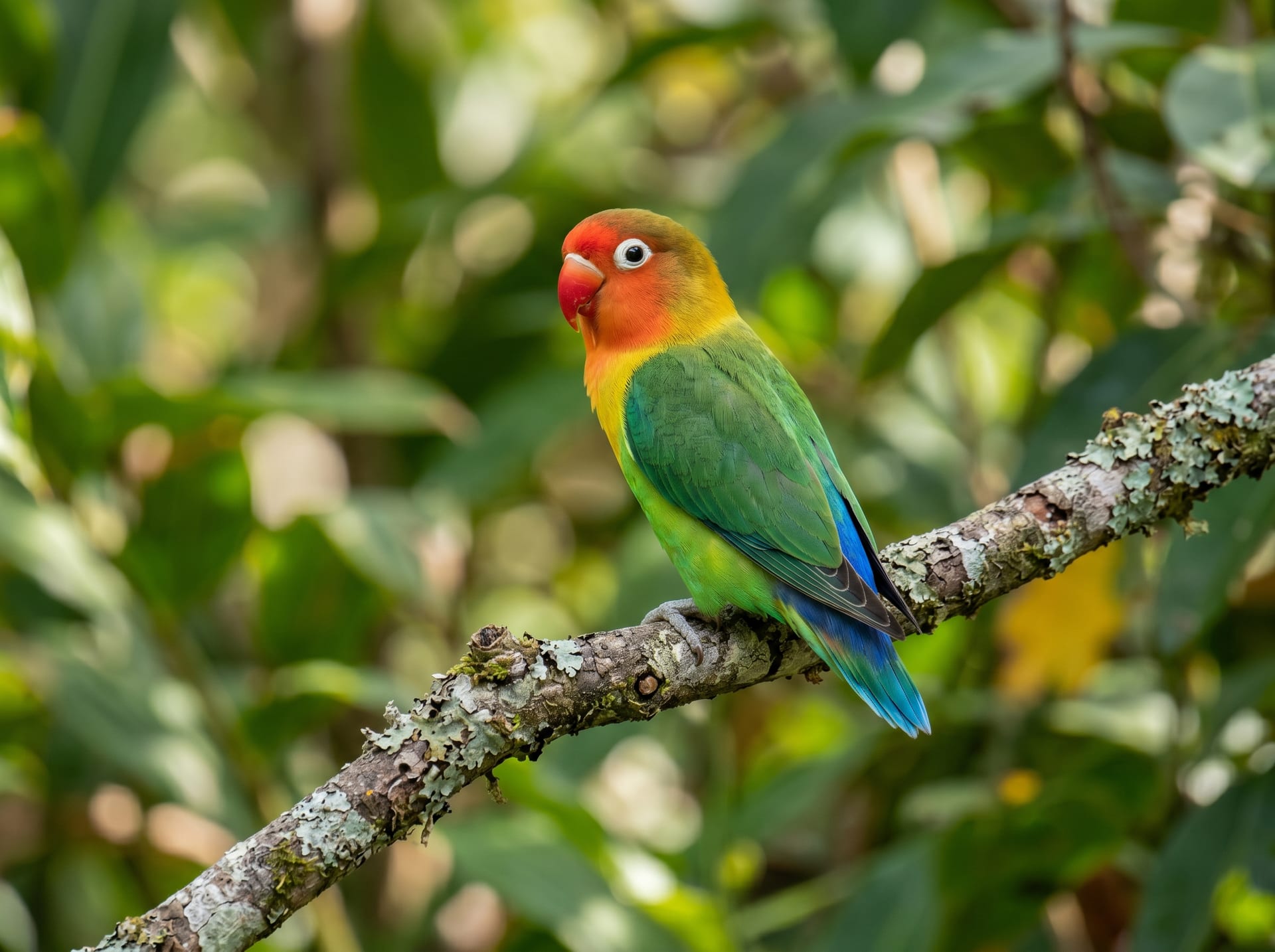
| Peach-faced Lovebird | 2–3 times per week | Many are the type that dive into containers |
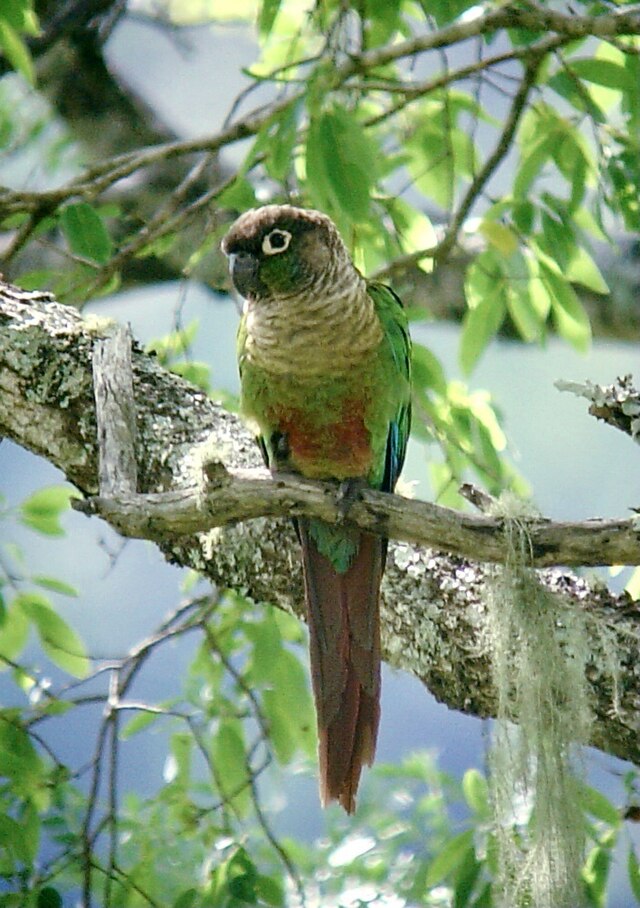
| Scaly-headed Parrot | Daily–3 times per week | Enjoys bathing. May get into water bowls, so provide a dedicated container |
| Button Quail | About once per week | Many dislike water. Acclimate using a mister |
| Large Parakeets (African Grey, Umbrella Cockatoo, etc.) |
What Happens If They Don't Bathe?
They won't get sick immediately even if they don't bathe for several weeks. However, prolonged dryness can lead to feather dryness, increased powder production, and feather plucking. For species with high powder production like Cockatiels and African Greys, it's best to supplement with misting. If feather luster is maintained, there's no need to force birds that dislike bathing.
Bathing Methods and Container Selection
There are three main bathing methods. You should try them according to your bird's preference and personality.
1. Using a water container (bird bath)
There are types that mount inside the cage or hang on the outside. A shallow dish-shaped container can also be used. Since birds can enter at their own pace, this method is suitable for wary birds.
2. Using a mist (spray bottle)
This is effective for birds that refuse to enter water containers directly. Direct a fine mist toward the body. Initially, spray from a distance like a fine rain, and gradually acclimate them. Use a spray bottle dedicated to birds, ensuring no residue of detergent or chemicals.
3. Using leafy vegetables
This method mimics morning dew in the wild. When you place dampened shiso leaves, lettuce, cilantro, and similar vegetables in the cage, some birds will roll around on them bathing naturally. This is an approach that even birds that dislike bathing tend to accept.
Containers can be made of ceramic, stainless steel, or plastic, but plastic can harbor bacteria in scratches and requires regular replacement. Regardless of container material, wash and dry after each use.
How to Handle Birds That Resist Bathing
Reasons birds resist bathing include: ① past trauma (being forcibly wetted, etc.), ② inexperience with water, ③ timid temperament, and ④ species-specific habits. Rushing to force them has the opposite effect and damages trust.
Gradual acclimation:
First, place a container with water near the cage and wait for the bird to show interest on its own. Next, place the container inside the cage and repeat removing it if the bird resists. The owner demonstrating by putting their finger in the water—"model behavior"—is also effective. Since birds learn by observing their companions' behavior, they may become interested simply by seeing the owner enjoying it.
When using a mister, initially spray from a distance (about 1–1.5 m away) to let the mist drift, starting with acclimating the bird to "a water-falling environment." As soon as they accept even slightly dampened feathers, immediately praise them or give a treat for positive reinforcement.
There are cases where forcing bathing is unnecessary. Species from arid regions (for example, Cockatiels and Budgerigars native to inland Australia) can maintain health with infrequent bathing. If feather luster and skin condition are good, once a week or less is not a problem.
Winter bathing:
During cold seasons, reduce bathing frequency slightly and pay attention to water temperature. After bathing, let the bird out near a heat lamp to dry quickly. During molt (feather replacement period occurring 1–2 times per year), skin becomes sensitive, so it's best to apply only a light mist with a spray bottle.
During illness or poor health:
Bathing when a bird is unwell depletes energy and delays recovery. When signs such as puffed feathers, loss of appetite, or poor droppings appear, refrain from bathing. Since birds tend to hide illness, it is important to sensitively notice any changes from their usual behavior.
Chicks and young birds:
It is safer not to bathe chicks and young birds under 3–4 months old. Their thermoregulation ability is underdeveloped, making the risk of sudden temperature drop high. Unlike in the wild where parent birds care for them, in indoor housing the owner must be aware that they are taking their place.
Bathing is a daily habit deeply connected to a bird's health and mental well-being. Closely observing each individual's preferences and condition while establishing bathing as a comfortable habit is the first step toward raising the quality of care.