10 Common Mistakes in Beetle and Stag Beetle Breeding | ブリちょく
Insects| ✍️ BreederDirect Editorial
10 Common Mistakes in Beetle and Stag Beetle Breeding
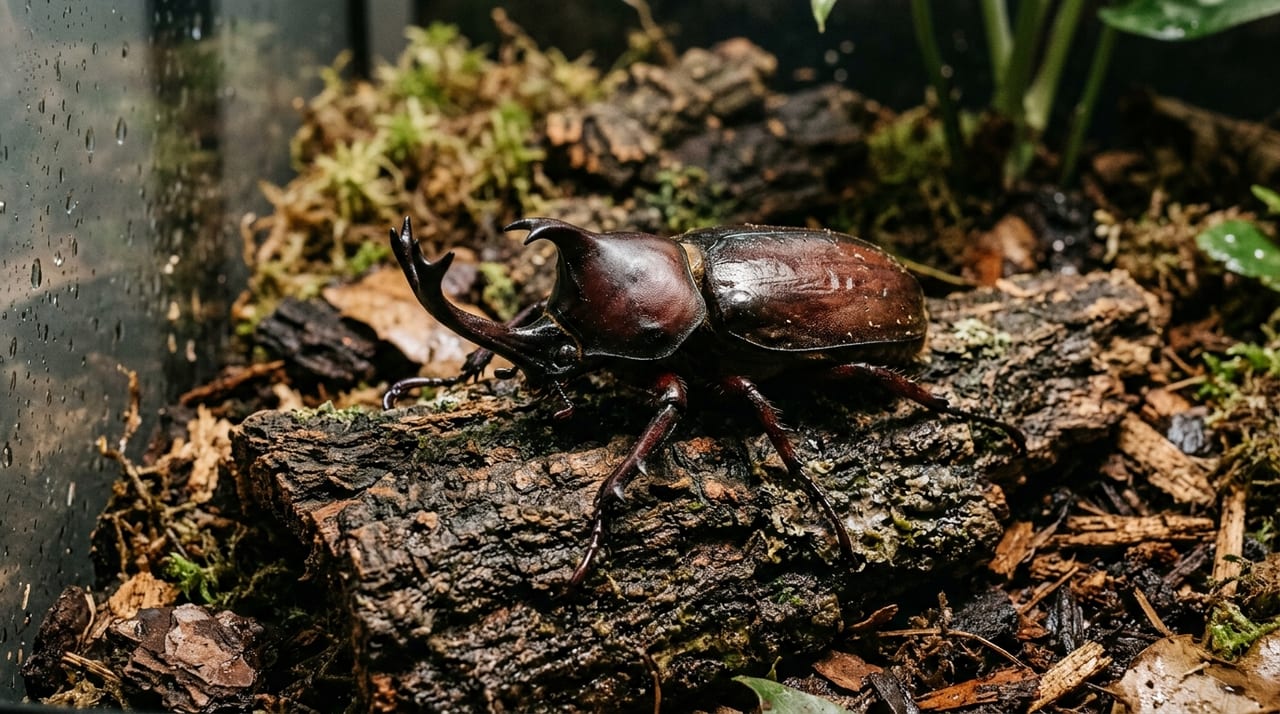
Explains common mistakes beginners make in beetle breeding, including substrate drying, leaving them in high temperatures, and neglecting overturned beetles.
Key Takeaways
Explains common mistakes beginners make in beetle breeding, including substrate drying, leaving them in high temperatures, and neglecting overturned beetles.
Related Species
10 Common Mistakes in Beetle and Stag Beetle Breeding
In summer, Japanese beetles and stag beetles fill the shelves of home centers and pet shops. Every year, many people attempt to breed them—either as gifts for children or as an adult hobby. However, complaints like "they died sooner than expected" and "the larvae didn't grow much at all" never cease.
In fact, there are several pitfalls in beetle and stag beetle breeding that are easy to overlook if you don't know about them. In this article, we'll explain in detail 10 common mistakes that beginners are especially prone to making, and how to prevent them. Please use this as a reference for keeping healthy beetles vibrant and active for a long time.
---
Common Failures in Adult Beetle Breeding
Failure 1: Neglecting Substrate Drying
If the substrate in the case feels dry and crumbly to the touch, be careful. For adult beetles, the substrate is both a place for egg-laying and plays a crucial role in maintaining humidity. In particular, if larvae lose access to moisture in the substrate, they can become dehydrated and may even die in the worst case.
The ideal humidity level is "moist enough that water doesn't drip when squeezed." A good rule of thumb is to squeeze some substrate in your palm—it should hold together in a clump. Add moisture uniformly with a spray bottle once or twice a week. In summer, drying happens quickly, so frequent checks are essential.
Failure 2: Keeping Them in High-Temperature Environments
In a Japanese summer, it's not uncommon for rooms with sunny windows or direct sunlight to exceed 30°C. Both Japanese beetles and stag beetles have an ideal temperature range of around 20–28°C. If kept in an environment exceeding this for extended periods, they will tire significantly and their lifespan will be greatly shortened.
Ideally, keep them in an air-conditioned room. If that's difficult, choose a shaded spot with good ventilation and place ice packs under the case. While some stag beetle species are cold-tolerant, Japanese beetles are especially susceptible to high temperatures, so be careful.
Failure 3: Not Including Anything to Prevent Overturning
When an adult beetle gets flipped over, without something to grab onto to right itself, it will exhaust its energy and weaken to death. This is surprisingly one of the more common causes of death.
✍️
BreederDirect Editorial
The BreederDirect editorial team specializes in care information for animals, covering veterinary care and breeding to deliver beginner-friendly guides.
Find Insects on BreederDirect
Buy directly from verified breeders
Browse Related Listings
Find Insects listings related to this article on BreederDirect. Buy directly from verified breeders.
The solution is simple: just add a few pieces of perches or bark to the case. You can find them inexpensively at home centers. Even just leaning some wooden branches inside is sufficient—create an environment where the beetles can right themselves if they flip over.
Failure 4: Housing Multiple Males in the Same Case
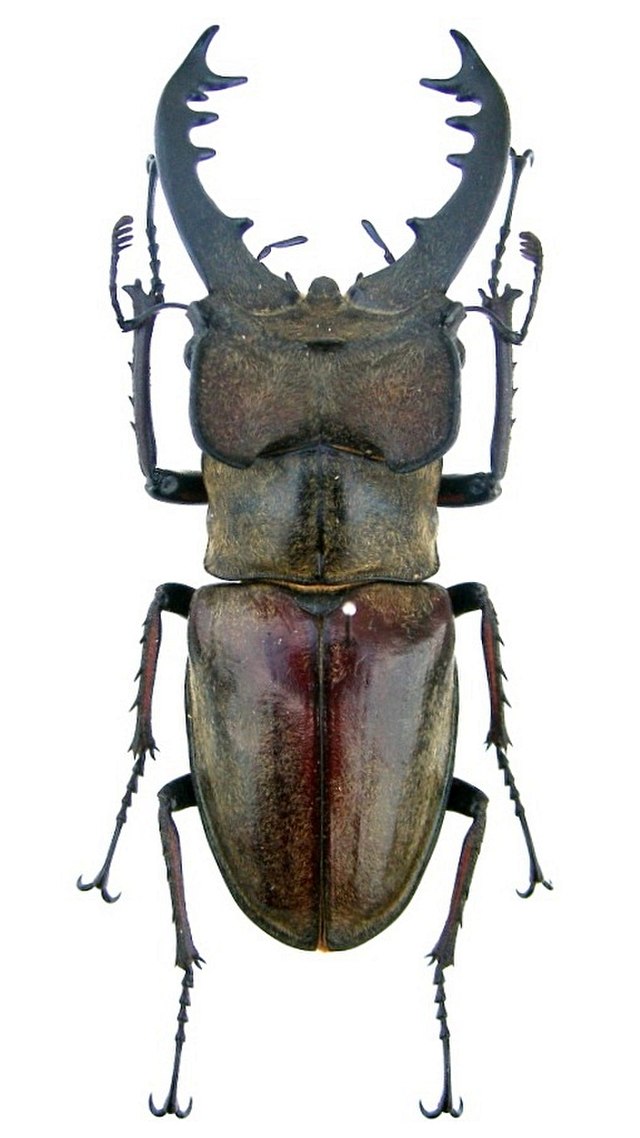
Male Japanese beetles and male stag beetles are extremely territorial and aggressive toward each other. When housed in the same case, they will fight fiercely, leading to broken legs or horns, and wounds can cause infections and shortened lifespans.
The basic rule is one male per case. If you must house multiple males, use a sufficiently large case and provide plenty of perches and bark to create hiding places and escape routes.
Failure 5: Keeping Males and Females Together After Mating
Even after housing them together for breeding purposes, keeping them together indefinitely is dangerous. After mating is complete, males may continue to pursue females relentlessly, leaving them no rest and causing them to weaken.
Once you confirm mating has occurred, promptly move the male and female to separate cases. Females use significant energy for egg-laying, so allowing them to rest in a quiet environment directly affects the number and quality of eggs.
---
Common Failures in Larval Breeding
Failure 6: Forgetting to Change the Larval Substrate
Larvae grow while eating the substrate. The substrate is essentially the larvae's "food and home." As feces accumulate in the substrate, its nutritional value diminishes, and if left unchanged, larvae will become stunted or may even die.
Aim to change the substrate once every 2–3 months. When replacing with fresh substrate, mix in about 30% of the old substrate to reduce stress from environmental change. Observe the larvae for a while after changing.
Failure 7: Overlooking Deterioration of Fungal Culture Bottles
"Fungal culture bottles" are commonly used for stag beetle larval breeding. When the fungal culture is active, larvae grow large, but deterioration has the opposite effect.
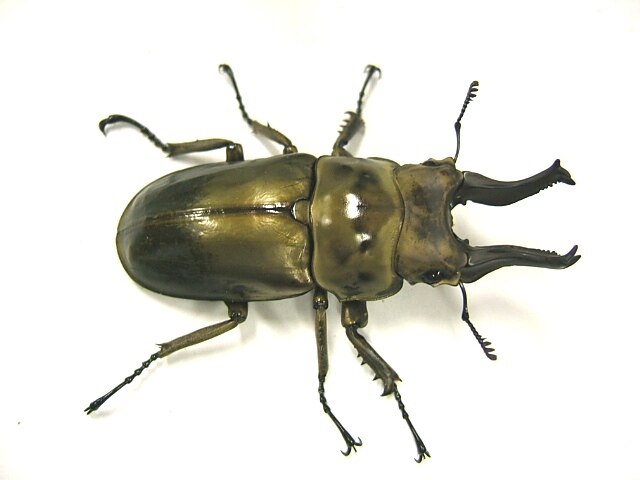
If you notice signs like the fungal culture turning brown or black, liquid pooling in the bottle, or an odd smell, it's time to replace it. Generally, it's good to change them approximately every 3–4 months. The type of fungal culture bottle varies by species, so check when purchasing. Special species like the Golden Stag Beetle require especially careful selection of fungal culture type.
Failure 8: Accidentally Destroying the Pupation Chamber
Before pupating, larvae create a chamber called a "pupation chamber" in the substrate. If the case is shaken carelessly during this period or the substrate is disturbed for changing, the pupation chamber may break, causing emergence to fail.
When larvae stop moving, it's a sign of pupation. During this period, avoid changing the substrate and minimize moving the case. If you accidentally destroy the pupation chamber, you can help with emergence by transferring the pupa to an artificial pupation chamber (available commercially, typically made of sponge).
---
General Misconceptions About Breeding
Failure 9: Feeding Fresh Fruit as Food
There's a common image that Japanese beetles love watermelon, but watermelon and melon have too much moisture, causing the substrate to become sticky and promoting mold and fungal growth. Additionally, fruit rots quickly, which is unsanitary.
Feed exclusively specialized insect jelly. Insect jelly is formulated with the nutritional balance of beetles and stag beetles in mind, and comes in various types like high-protein and egg-production-promoting formulas. If you must give fruit, stick to small amounts of banana for brief periods only.
Failure 10: Grieving Without Understanding Adult Lifespan
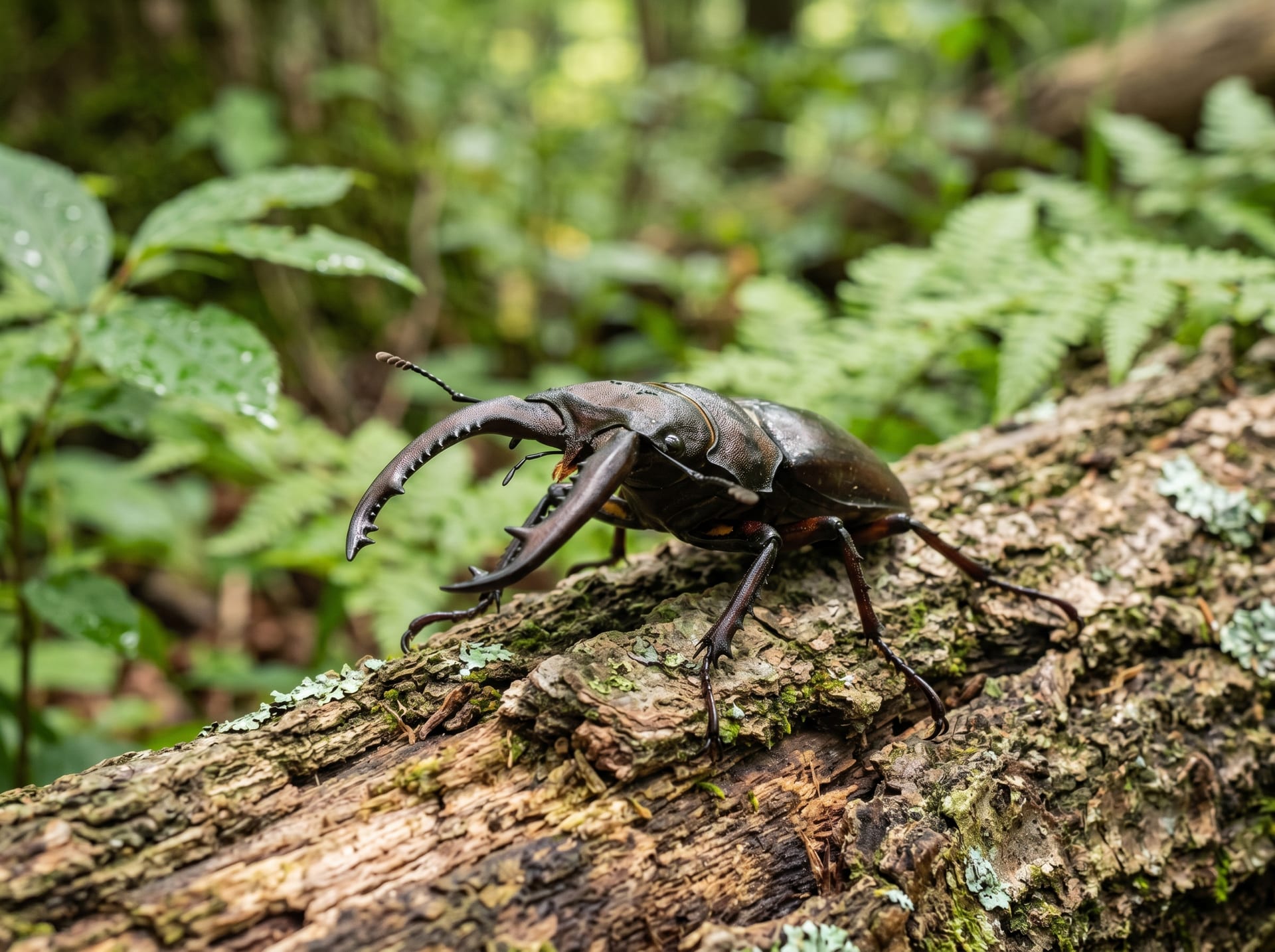
Adult Japanese beetles have a lifespan of approximately 2–3 months after emergence. Stag beetles vary by species, but Japanese saw stag beetles and Japanese mountain stag beetles also have adult activity periods of around 1–2 seasons.
No matter how carefully you tend them, adult beetles usually cannot survive winter. Don't blame yourself thinking "I didn't care for them enough." Understanding their lifespan and cherishing their short lives to the fullest is the true essence of breeding.
---
Summary: Prevent Mistakes and Enjoy Long-Term Breeding
Most failures in beetle and stag beetle breeding stem from lack of prior knowledge and failure to observe regularly. Here are the key points:
Don't neglect substrate humidity and temperature management
Avoid housing multiple males together and cohabitation after mating
During the larval stage, regularly change substrate and fungal culture bottles, and don't disturb the pupation chamber
Use specialized jelly for food and minimize fruit
Understand their lifespan correctly and don't grieve excessively
Simply following these guidelines will greatly increase your breeding success rate. Additionally, if you want to acquire higher-quality specimens, purchasing directly from a trustworthy breeder is also a smart choice.
Br-Choku allows you to purchase healthy specimens directly from experienced breeders who have raised them with care. Since you can ask breeders questions before purchasing, you can confirm breeding methods and precautions in advance. With our safe and secure transaction system and support from knowledgeable breeders, we provide an environment where even first-time beetle breeders can enjoy the hobby with confidence.