5 Beginner-Friendly Beetles and Rhinoceros Beetles | Carefully Selected Easy-to-Raise Species | ブリちょく
Insects| ✍️ BreederDirect Editorial
5 Beginner-Friendly Beetles and Rhinoceros Beetles | Carefully Selected Easy-to-Raise Species
5 recommended species for starting insect keeping. Learn the characteristics and care methods for beginner-friendly beetles including Japanese Stag Beetles and Hercules Beetles.
Key Takeaways
5 recommended species for starting insect keeping. Learn the characteristics and care methods for beginner-friendly beetles including Japanese Stag Beetles and Hercules Beetles.
Related Species
Don't Worry if You're a Beginner! 5 Beginner-Recommended Beetles and Rhinoceros Beetles
Many people are interested in raising beetles but feel uncertain, thinking "I don't know where to start" or "it seems too difficult." The care difficulty for beetles and rhinoceros beetles varies greatly depending on the species. In this article, I've carefully selected 5 species that are easy to raise even for beginners and are absolutely fascinating. I'll also explain how to set up the breeding environment and important considerations, so please refer to this guide.
---
Essential Knowledge Before Starting Beetle Keeping
There are minimum items you'll want to have on hand for beetle breeding.
Breeding container: Size appropriate for adult beetles (a fruit fly-proof container is convenient for small species)
Insect bedding: Fermented substrate that serves as the foundation for egg-laying and larval rearing
Insect jelly: The main food for adult beetles; high-protein types are useful during breeding season
Anti-tipping materials: Add bark or wood pieces to prevent beetles from flipping over
Temperature and humidity control: For some species, temperature management is critical to success
With these essentials in place, even beginners can start raising beetles smoothly. Now let's look at each species. When you search for insects from breeders, you can consult directly with experienced breeders and select your first beetle with confidence.
---
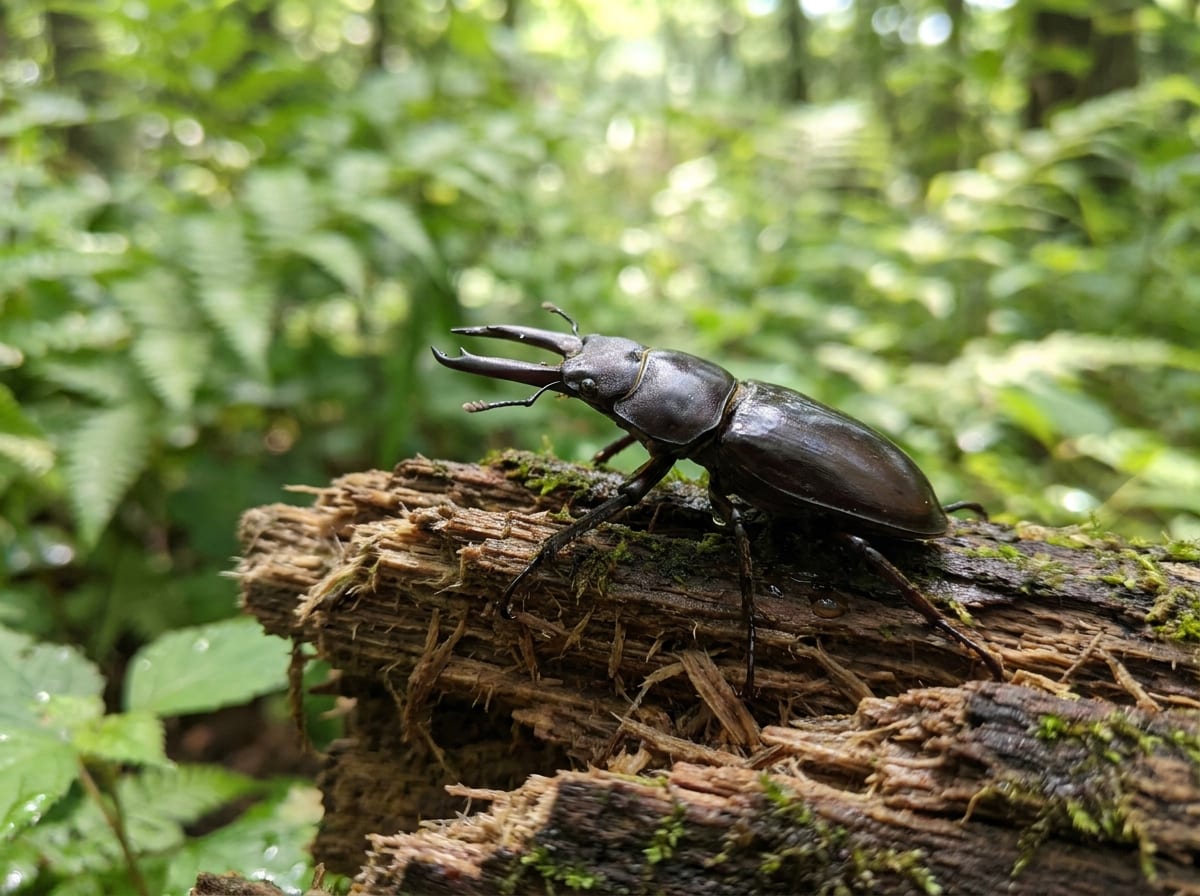
1. Japanese Stag Beetle — The Classic Path to Beetle Breeding
Difficulty: ★★☆☆☆ / Price range: ¥1,000–¥10,000
The most popular stag beetle native to Japan, often called "the king of stag beetles." Adult beetles live 2–3 years, so once you purchase one, you can enjoy a long relationship with it. Their hardy constitution makes them relatively tolerant of temperature changes, so even beginners can keep them with confidence.
✍️
BreederDirect Editorial
The BreederDirect editorial team specializes in care information for animals, covering veterinary care and breeding to deliver beginner-friendly guides.
Find Insects on BreederDirect
Buy directly from verified breeders
Browse Related Listings
Find Insects listings related to this article on BreederDirect. Buy directly from verified breeders.
When larvae are raised in fungal wood bottles (specialized containers made of wood shavings with cultivated fungi), they tend to grow large, giving you the rewarding goal of raising individuals over 80mm. Prices vary depending on origin and bloodline, but start with easily obtainable individuals.
Care tips
- For adult beetles, insect jelly and anti-tipping materials are sufficient
- When raising larvae, don't miss the timing for fungal wood bottle changes
- Be careful of high summer temperatures (28°C or above)
---
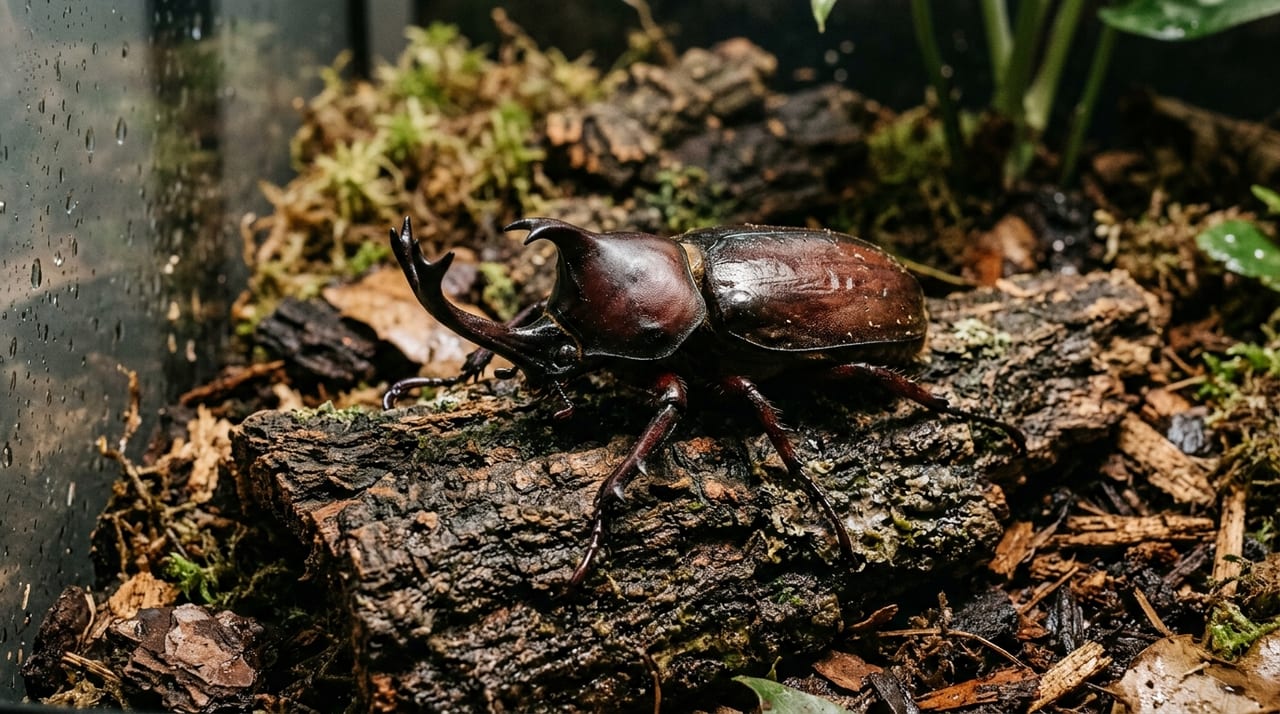
2. Japanese Rhinoceros Beetle — The Summer King, the Classic Beginner Species
Difficulty: ★☆☆☆☆ / Price range: ¥300–¥1,000
Many of us have memories of catching these in the woods as children. The Japanese rhinoceros beetle is one of the easiest beetles to raise, enjoyed by both children and adults alike.
Adults thrive simply by providing insect jelly, and they naturally lay eggs when placed in a container with fermented substrate. The hatched larvae feed well on leaf litter and fermented substrate, growing into impressive adults by the following summer. Since you can experience a complete breeding cycle through generations, there's also an educational aspect to learning about the lifecycle of living creatures.
Care tips
- Spread bedding at least 15cm deep to encourage egg-laying
- Larvae eat a lot of substrate, so refill it regularly
- Adult beetles live only 2–3 months, so enjoy managing the eggs and larvae
---
3. Rainbow Stag Beetle — A Top Pick Combining Beauty and Ease of Care
Difficulty: ★★☆☆☆ / Price range: ¥1,000–¥5,000
Native to Australia and New Guinea, the Rainbow Stag Beetle lives up to its name with its characteristic iridescent, rainbow-colored appearance. This jewel-like beetle is mesmerizing to watch and has become extremely popular among breeders in recent years.
With a gentle temperament and low aggression, they're easy to keep in pairs, making them another reason to recommend them to beginners. They readily lay eggs in fermented substrate, making breeding accessible. If you maintain temperatures around 20–26°C, they thrive well. Since they can be kept in conditions similar to Japan's climate, they're easy to manage even without special equipment.
Care tips
- Fermented substrate alone is sufficient for egg-laying and larval rearing
- They dislike high temperatures (28°C or above), so pay attention in summer
- Enjoy collecting color variations like purple and red
---
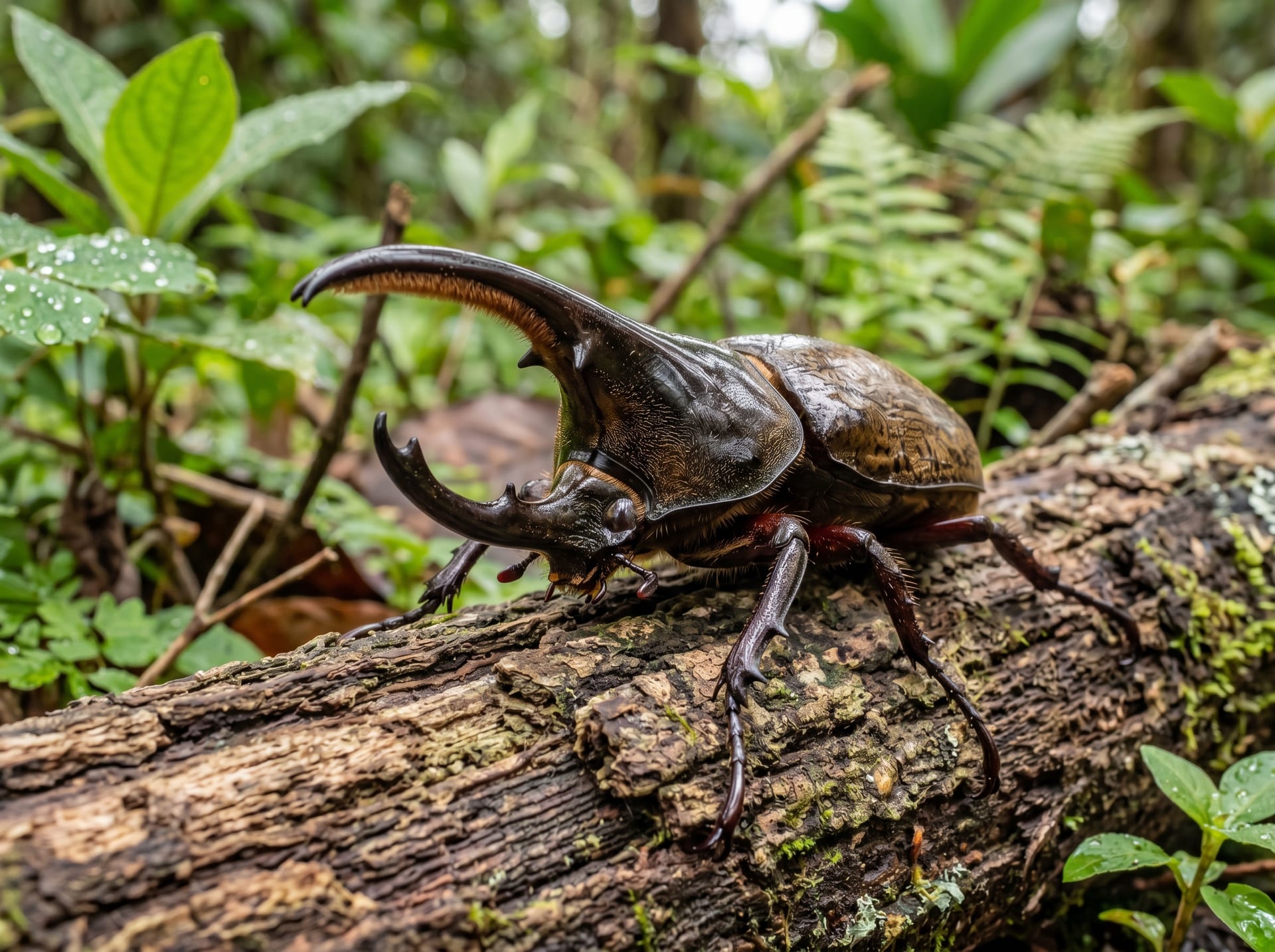
4. Hercules Beetle — The Sense of Achievement in Raising a Dream Giant Species
Difficulty: ★★★☆☆ / Price range: ¥3,000–¥30,000
Native to Central and South America, the Hercules Beetle is known as the world's largest rhinoceros beetle and is a long-held dream for many enthusiasts. Males, including their horns, can reach up to 180mm in total length, with an impressive presence unlike any other species. While the care difficulty is somewhat higher, I've included this as one of the top 5 for beginners because it's "worth the challenge."
The larval period lasts 1.5–2 years, and maintaining the temperature (22–26°C) throughout this time is the biggest hurdle. However, the emotion felt when your own cultivated larva emerges as an adult after years of care is extraordinary, allowing you to fully experience the joy of beetle keeping.
Care tips
- Year-round temperature control is essential (air conditioning required for summer and winter)
- Raise larvae in large containers (30L or more recommended for final instar)
- Wait 1–2 months after emergence for the first feeding
---
5. Flat-horned Stag Beetle — Easy to Start, Perfect for Outdoor Collecting Introduction
Difficulty: ★☆☆☆☆ / Price range: ¥300–¥800
The most popular small native stag beetle, found throughout Japan's mixed forests. You might even encounter them in the wild during summer. They're inexpensive at shops and extremely easy to raise, making them ideal as your first beetle.
Despite their small size, they lay eggs in rotten wood and larvae are relatively easy to raise, making this the perfect species to experience beetle breeding for the first time. Adults live 1–2 years and can overwinter, so you can enjoy them year-round.
Care tips
- Place rotten wood (egg-laying wood) buried in substrate to encourage egg-laying
- They overwinter in winter, so add extra substrate for insulation
- Their small size means you can keep them in minimal space
---
Summary: Find Your Perfect Beetle
Species
Difficulty
Recommended Points
Japanese Stag Beetle
★★☆☆☆
Long-lived, hardy, potential for large individuals
Japanese Rhinoceros Beetle
★☆☆☆☆
Classic beginner species, easy breeding
Rainbow Stag Beetle
★★☆☆☆
Beautiful appearance, gentle temperament
Hercules Beetle
★★★☆☆
World's largest, rewarding to raise
Flat-horned Stag Beetle
★☆☆☆☆
Low cost, wild collection possible
For those who want to "start casually," Japanese rhinoceros beetles or flat-horned stag beetles are recommended. If you "want to focus on appearance," the rainbow stag beetle is ideal. For those who "want to take it seriously," the Japanese stag beetle or Hercules beetle are excellent choices.
On Br-Choku, you can purchase these popular species directly from trusted breeders nationwide. We deliver healthy individuals carefully managed by breeders in a safe and secure transaction environment. Since you can ask breeders questions about care methods directly, even beginners can start with confidence. Find your perfect beetle on Br-Choku's insect page.