Aquatic Plant Tank Layout Basics: From Choosing Shade-Loving & Light-Loving Plants to CO2 Injection & Low-Light Layouts
A beginner-friendly guide to the basics of aquatic plant tank layouts. Learn the differences between shade-loving and light-loving plants and how to choose them, the necessity and methods of CO2 injection, and detailed techniques for creating beautiful layouts even with low light.
Key Takeaways
A beginner-friendly guide to the basics of aquatic plant tank layouts. Learn the differences between shade-loving and light-loving plants and how to choose them, the necessity and methods of CO2 injection, and detailed techniques for creating beautiful layouts even with low light.
Related Species
What is an Aquatic Plant Tank Layout?
An aquatic plant tank (aquascape) is an aquarium style that features plants as the main attraction alongside fish. Layouts that mimic natural river or lake bottoms have high aesthetic value and create a rich environment that provides hiding places and spawning grounds for tropical fish.
The key to a successful layout is understanding the characteristics of "shade-loving plants" and "light-loving plants" and providing each with the appropriate lighting and CO2 conditions. This article provides a systematic explanation of fundamental knowledge that even beginners can put into practice.
The Difference Between Shade-Loving and Light-Loving Aquatic Plants
Aquatic plants are divided into two main categories based on their light requirements.
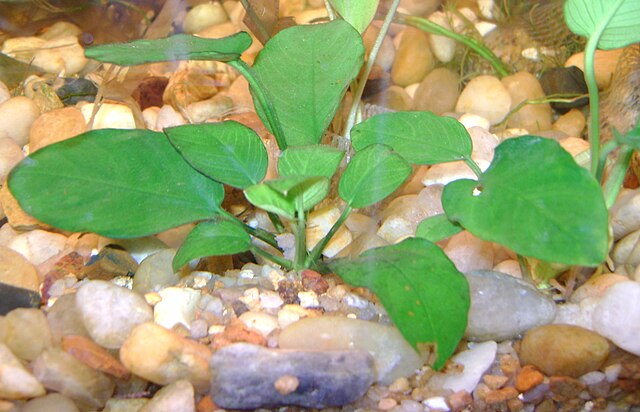
Shade-loving plants are hardy aquatic plants that can thrive under weak light. Representative species include Anubias nana, Microsorum, and Bolbitis. Though they grow slowly, they don't easily die without CO2 injection and require minimal maintenance, making them ideal for beginners. When attached to driftwood or rocks in combination with moss, you can create a natural-looking layout.
Light-loving plants prefer strong light and abundant CO2, characterized by vivid colors and vigorous growth. Representative examples include Rotala, Glossostigma, and Hair Grass, used to create carpet-like green grounds or vibrant background plants. While they can create beautiful layouts, they require significant equipment investment and daily management.
Beginners who immediately attempt light-loving plant-focused layouts often struggle with algae blooms and plant melting, making it easy to get discouraged. We recommend starting with shade-loving plants to learn the basics of layout design.
CO2 Injection Fundamentals
CO2 (carbon dioxide) is an essential ingredient for plant photosynthesis. To keep light-loving plants healthy, it's important to maintain appropriate CO2 levels in the water.
There are two main methods for CO2 injection:
"Fermentation-based CO2" is a DIY system using sugar and yeast that's cost-effective and beginner-friendly. You can get started for just a few hundred yen with a plastic bottle, a specialized cap, and a diffuser. However, it has poor dosage stability and is easily affected by temperature fluctuations.
"Small and large cylinder CO2 systems" are professional-grade systems that provide stable and consistent CO2 levels. By combining them with solenoid valves and timers, you can automate injection only during lighting hours, significantly reducing maintenance effort. While initial costs run around ¥10,000-30,000, they offer excellent long-term cost-effectiveness.
When injecting CO2, avoid using aeration simultaneously. CO2 easily volatilizes into the air, and running an air pump at the same time will cause the injected CO2 to escape. The basic cycle is CO2 injection while lights are on, and aeration after lights are off.
Creating Beautiful Layouts Even with Low Light
Even without powerful lighting or CO2 injection, you can create a visually impressive aquatic plant tank by focusing on shade-loving plants. Here are the key points for low-light layouts.
Position driftwood and rocks first
The basic method is to arrange the driftwood and rocks that form the layout's framework first, then plant water plants in the gaps and on the surfaces. Tie Anubias and moss to the driftwood with cotton thread or fishing line to attach them. After 1-2 months, roots will establish firmly and the plants won't fall off even if you remove the thread.
Three-layer structure: foreground, midground, and background
To create depth and dimension, arrange plants from front to back in a graduated pattern: short plants in front, medium-height plants in the middle, and tall plants in the back. A reliable combination that thrives even in low light is Willow Moss (foreground), Anubias nana (midground), and Microsorum species (background).
Choosing the substrate
Even in low-light layouts, using soil substrate helps establish stable plant rooting. Nutrient-rich soils have abundant initial fertilizers but tend to promote algae growth; some aquarists find absorptive soils easier to manage. Most shade-loving plants will grow in sand substrates as well, so choose based on your preference.
Aim for 7-8 hours of lighting per day
Even in low-light layouts, excessive lighting duration will cause algae blooms. Use a timer to limit lighting to 7-8 hours daily, adjusting down to 6 hours if algae starts to appear.
Algae Control and Water Quality Management
Algae problems are a common challenge in planted aquariums. Algae blooms occur when light, nutrients, and CO2 become unbalanced. It's important to combine the following basic strategies:
- Weekly water changes (approximately 1/3) to remove excess nutrients
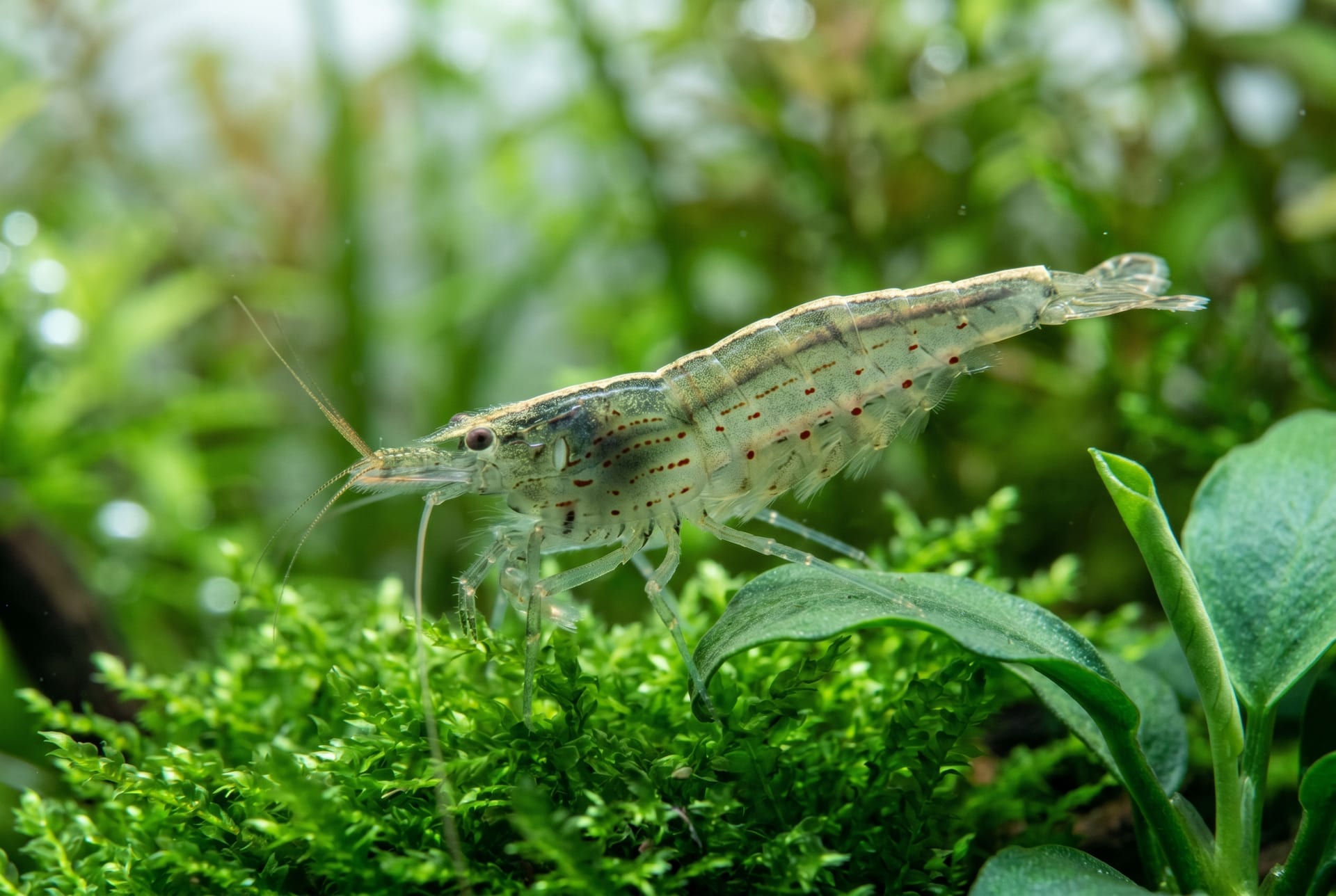
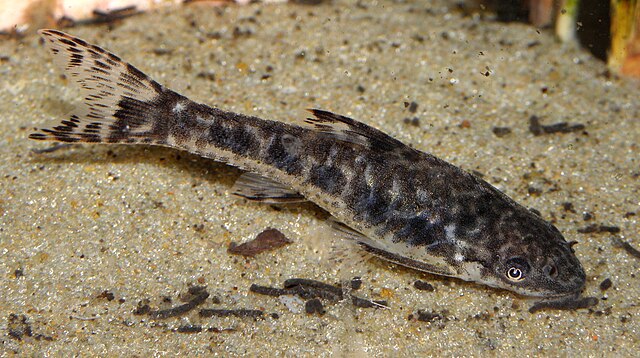
- Introduce algae-eating fauna: Amano shrimp and Otocinclus are effective algae removers
- Review lighting duration: If algae increases, first reduce light duration
- Regular filter cleaning: Dirty filters cause water quality deterioration
- Be cautious of excessive CO2: Overdosing harms fish and invertebrates (watch for fine, excessive bubbles)
Thriving plants will outcompete algae because they absorb the nutrients algae needs. Maintaining healthy plants is the most effective algae prevention strategy.
Summary: Choosing an Easy-to-Start Layout for Beginners
While planted aquariums are a deep hobby, starting with shade-loving plants lets you learn layout fundamentals while minimizing equipment costs.
- Start by creating a low-light layout with shade-loving plants (Anubias, Microsorum, and moss)
- Once comfortable, add fermentation-based CO2 and experiment with light-loving plants
- For further advancement, try carpet plants using small cylinder CO2 systems and high-intensity lighting
Don't aim for perfection from the start; the key to enjoying the hobby long-term is to observe your plants and make gradual improvements. BreederDirect offers tropical fish and aquatic plants suited for planted tanks directly from breeders, so please take advantage of this resource.