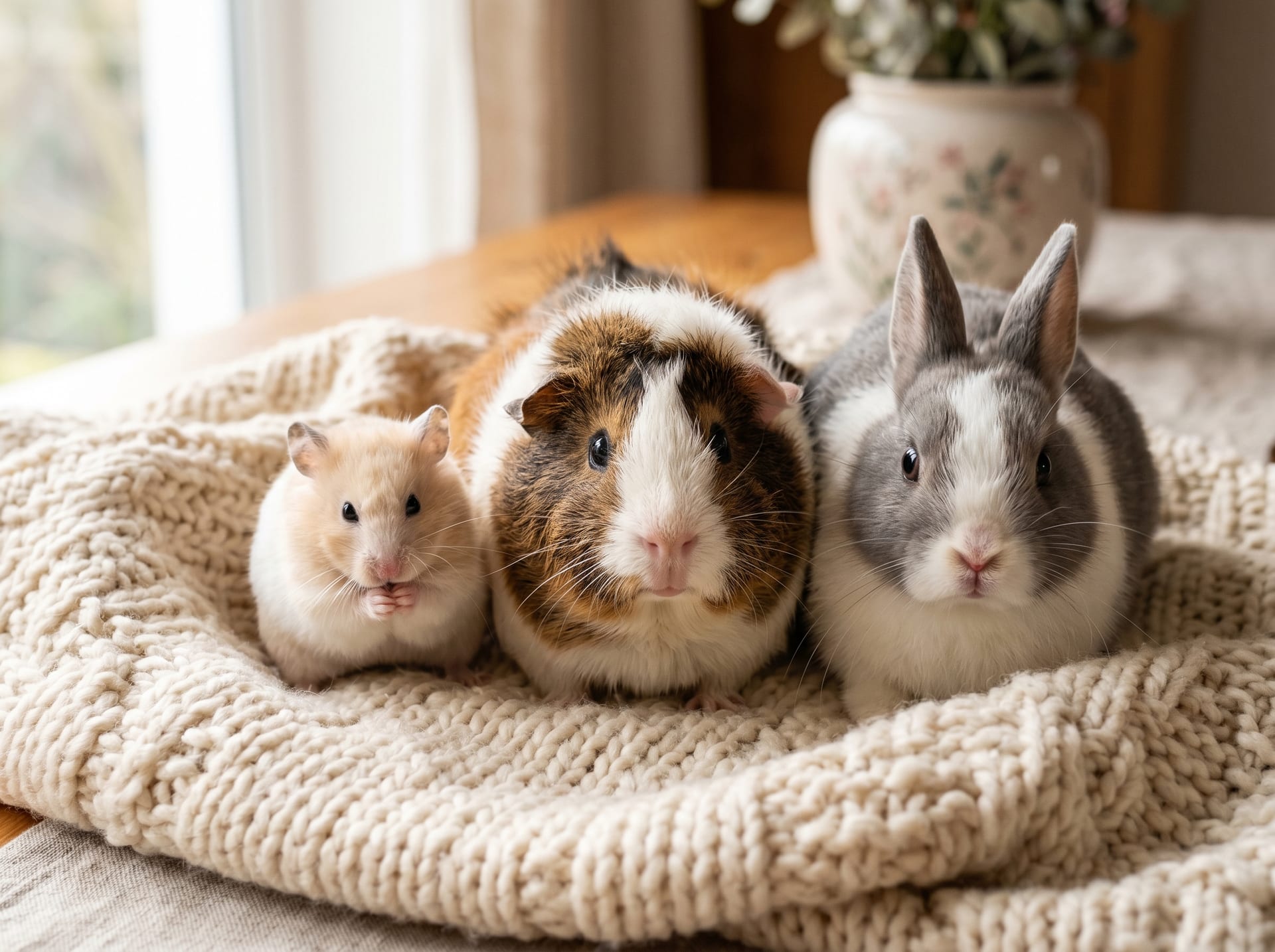
Other Small Animals
The "other small animals" category includes a wide variety of pets such as degus, chinchillas, prairie dogs, and sugar gliders — animals beyond the typical hamster or rabbit. Since habits, lifespans, and care requirements vary greatly by species, researching your chosen animal thoroughly before bringing it home is essential. Life with these unique companions offers new discoveries every day.
0% commission on your first sales!Register by September 30, 2026 and your first 2 sales are commission-free!
Breeder Wanted!
List on BreederDirect and sell directly to customers nationwide!
6 Transparency Commitments from Br-Choku
Every Small Pets listing from Breeder includes the information below. We guarantee transparency through health checks, vaccinations, microchips, and more.
- Hand-Tamed
- Health Checked
- Vaccinated
- Microchipped
- Real Photos
- Age Specified
Browse all 28 breeds
Care Difficulty
No listings match your filters
Adjust your filters, or get notified when new listings arrive.
Getting alerts is free with a member account. When new listings match your saved search, we'll notify you by email and in-app.
Browse other categories
Verified breeders (preview)
Are you raising small pets?
Register as a breeder and connect with buyers directly.
Apply as a breederAbout Other Small Animals
"Other Small Animals" is a broad category encompassing species from across the globe — including degus, chinchillas, sugar gliders, and prairie dogs — each with its own evolutionary history and care profile. Chinchillas originate from the high altitudes of the Andes and are renowned for their extraordinarily soft fur, developed as insulation against mountain cold. Degus hail from the grasslands of Chile and are highly social animals that naturally live in large groups. Sugar gliders are small marsupials from Australia and Indonesia, captivating owners with their patagium — the membrane that allows them to glide between objects. Prairie dogs are members of the squirrel family that form large colonies on North American plains and are known for forming affectionate bonds with their human caretakers. Because these animals evolved in such different environments, their housing, dietary, and social requirements differ significantly. That complexity is precisely what makes this category so rewarding: caring for any one of these species opens a window into a fascinating natural world.
7 things to know before welcoming a Other Small Animals
1Habits Vary by Species
Degus are diurnal and social, sugar gliders are nocturnal and glide, and chinchillas require dust baths — care needs differ significantly by species. Never assume all small animals are alike; research the specific habits of the animal you plan to keep before bringing it home.
2Check the Lifespan
Chinchillas can live 10–15 years, degus 5–8 years, and sugar gliders up to 10–15 years — some species require a long-term commitment. Consider your life plans carefully and ensure you can provide care for the animal's entire lifespan before deciding to bring one home.
3Species-Specific Housing
Chinchillas need tall, spacious cages; sugar gliders require vertical space to glide between branches; degus need chew-proof setups. A generic small-animal cage often won't suffice — prepare species-appropriate housing before your new pet arrives.
4Temperature and Humidity Control
Chinchillas are extremely sensitive to heat and humidity and require air conditioning in summer. Sugar gliders are vulnerable to cold and need heating in winter. Japan's climate can be harsh for many exotic small animals, so plan for year-round environmental management.
5Feed Species-Appropriate Diets
Degus cannot tolerate sugar and should not be given fruit; chinchillas thrive on high-fiber hay as their staple; sugar gliders need a balanced mix of insects, fruit, and protein. "Small animal" food sold at pet stores may not be appropriate for your specific species — always verify dietary needs.
6Find an Exotic Vet in Advance
Veterinary clinics that treat exotic small animals like degus, chinchillas, and sugar gliders are limited in number. Before bringing your pet home, locate a nearby clinic that can handle your specific species — this preparation can be critical in an emergency.
7Sociality and Multi-Pet Housing
Degus and prairie dogs are highly social animals that may experience stress when kept alone. However, some species or individuals do not tolerate cohabitation well — if considering multi-animal housing, carefully research compatibility, sexing, and proper introduction methods for your specific species.
Frequently asked questions about Other Small Animals
- Q.Which animal is best for first-time owners?
- A.Degus are often considered a good starting point — they are diurnal, social, and can bond well with patient owners. That said, every species in this category has specific requirements, so researching your preferred animal thoroughly through books and owner communities is strongly recommended before deciding.
- Q.Are chinchillas really sensitive to summer heat?
- A.Yes. Chinchillas are at risk of heat stroke when temperatures consistently exceed around 25°C. Air conditioning is essential, and it is wise to have a backup plan for power outages. Japan's humid summers require particular vigilance.
- Q.Can degus be kept alone?
- A.Degus are highly social animals that naturally live in groups, and solitary housing is associated with stress-related behaviors. Keeping a same-sex pair is generally recommended when possible. Since compatibility varies between individuals, introductions should be made slowly and carefully.
- Q.What are the typical monthly care costs?
- A.Monthly costs for food and consumables such as bedding and hay typically range from around 2,000 to 5,000 yen depending on the species. Routine veterinary checkups and unexpected medical expenses should also be budgeted for. Exotic animal specialists often charge higher consultation fees, so maintaining a financial buffer is advisable.
Useful tools for Other Small Animals care
More in this category
Can't find the one you're looking for?
Post your wishes for free and breeders with matching animals will contact you with introductions.