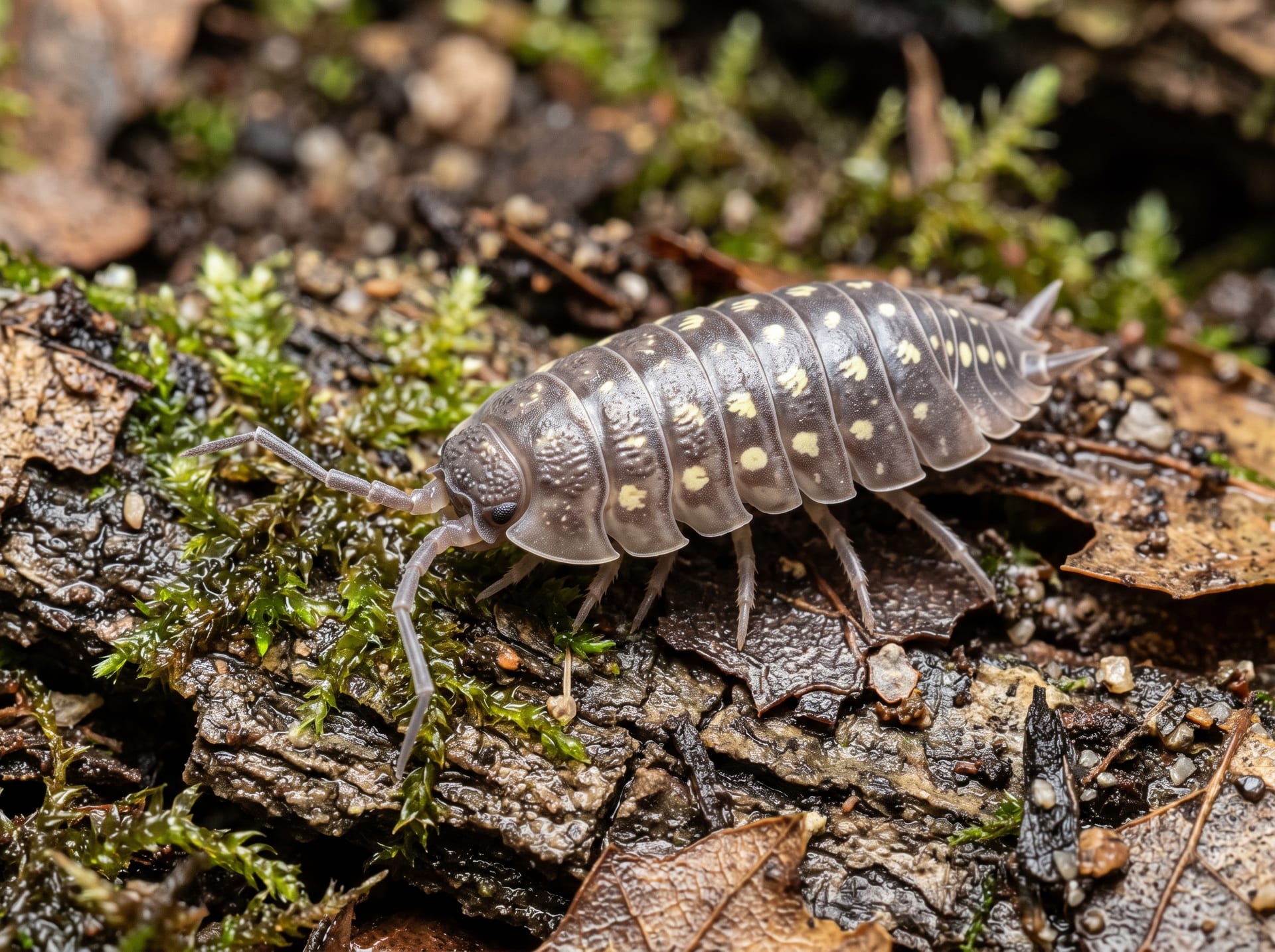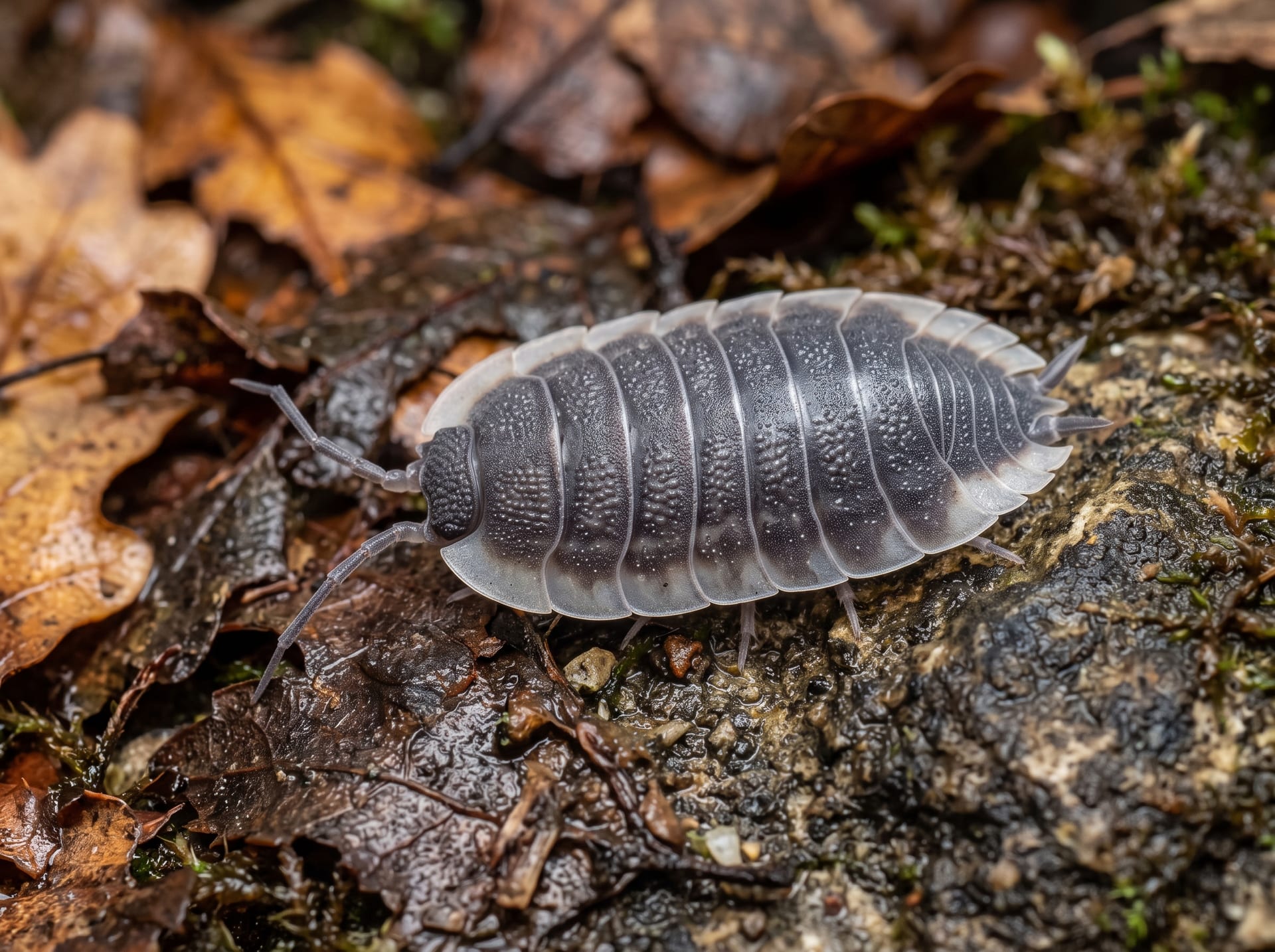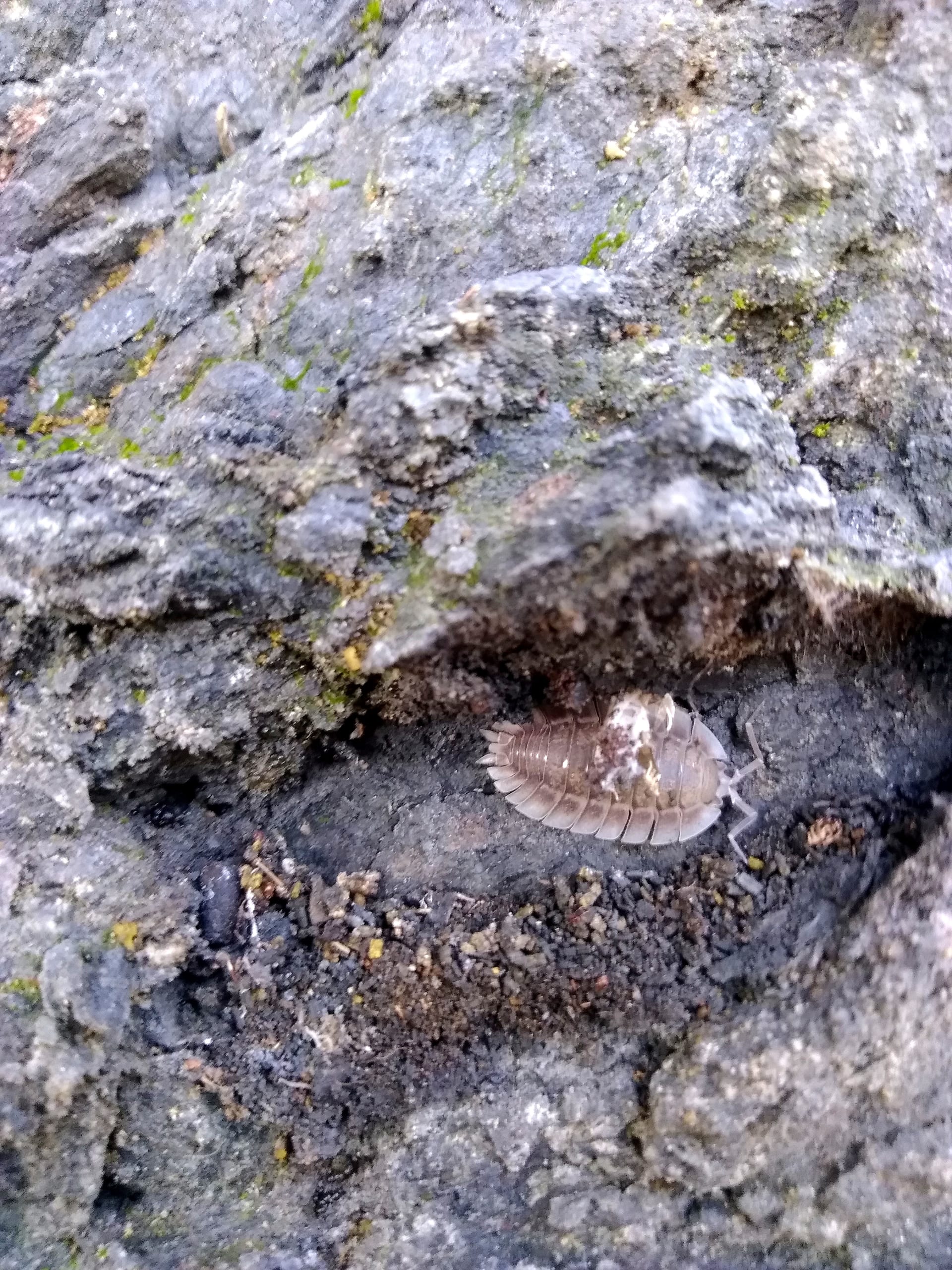
Source: Wikimedia Commons
Spatulatus Isopod
IntermediatePorcellio spatulatus
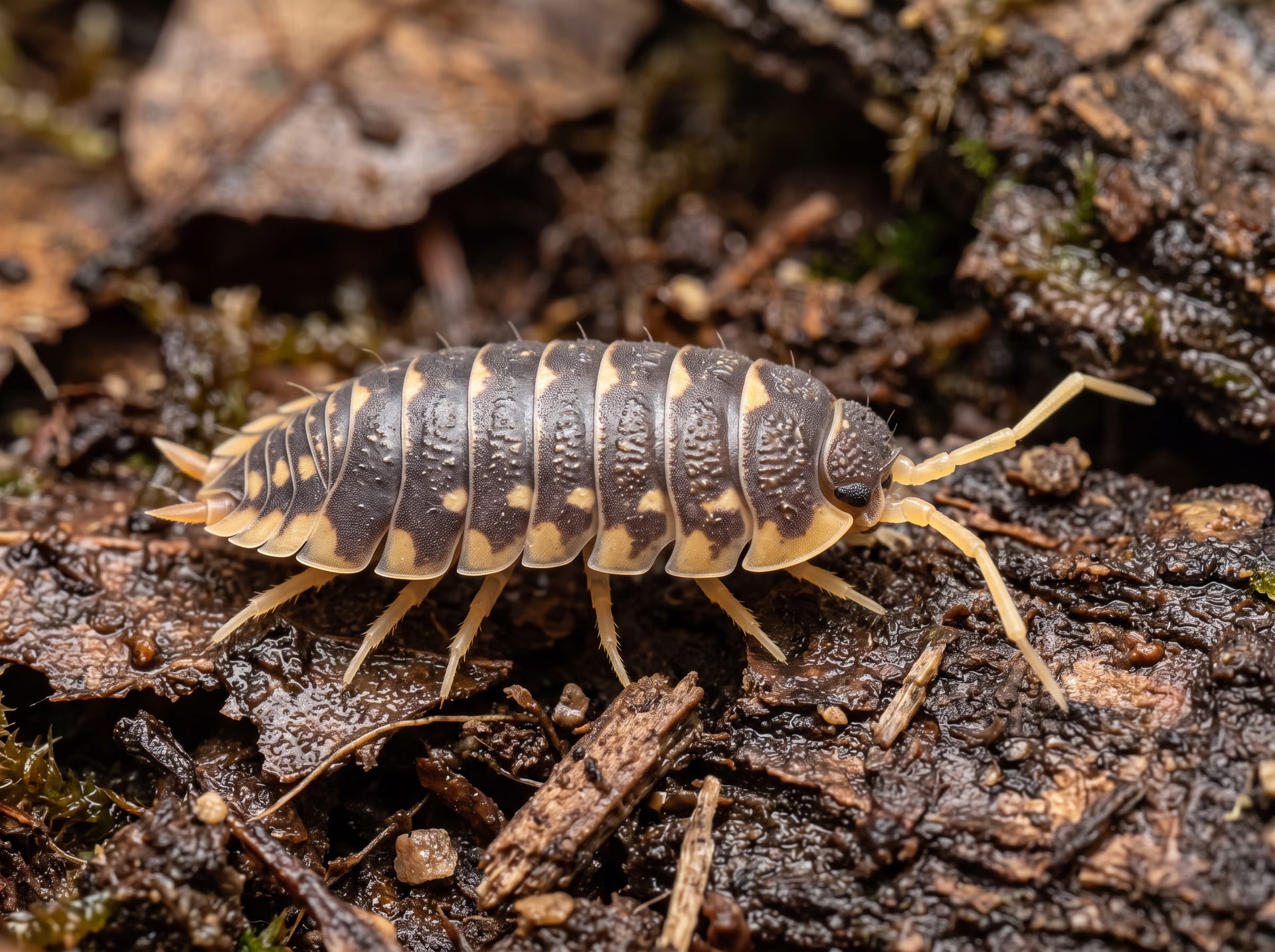
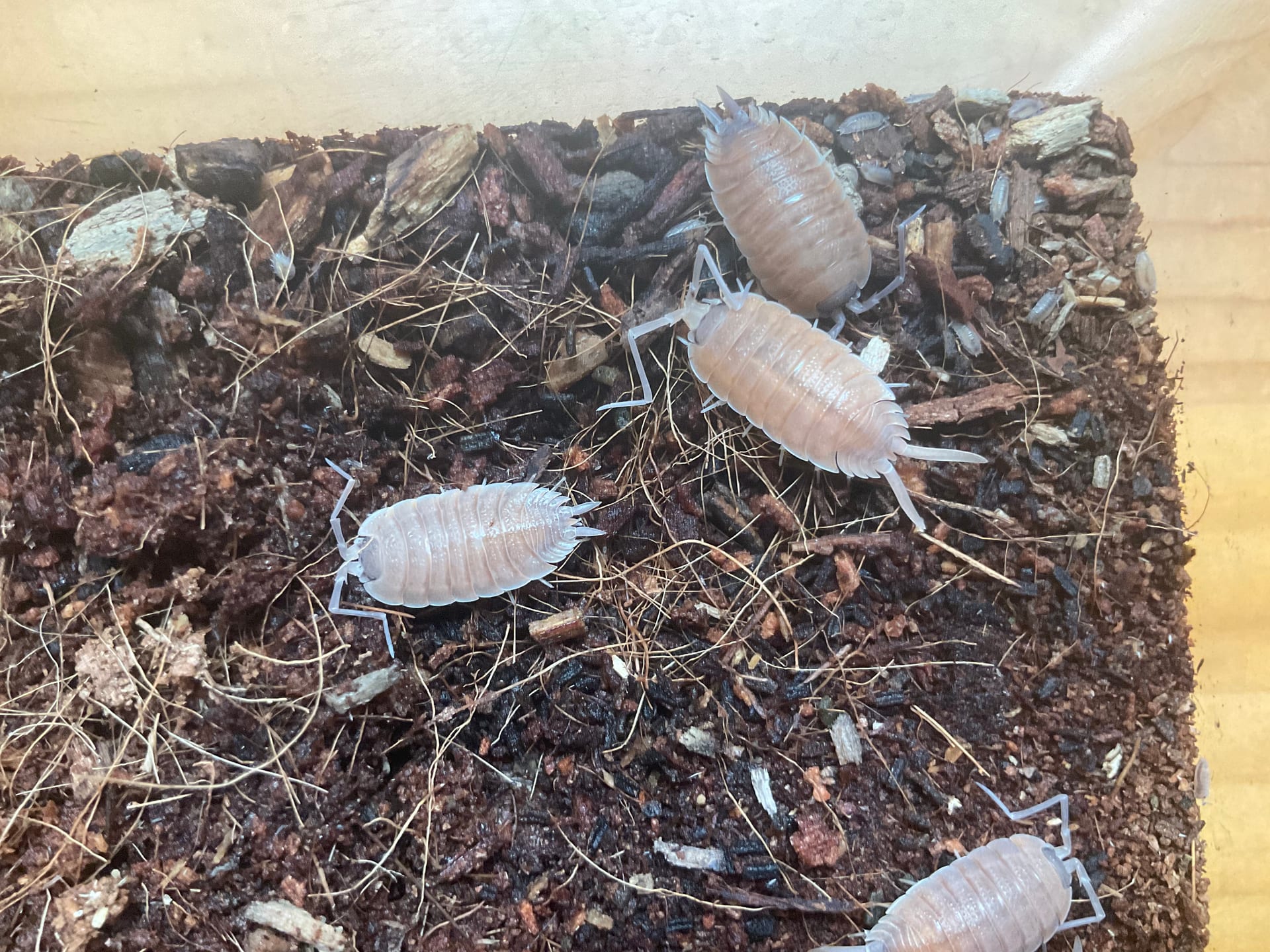
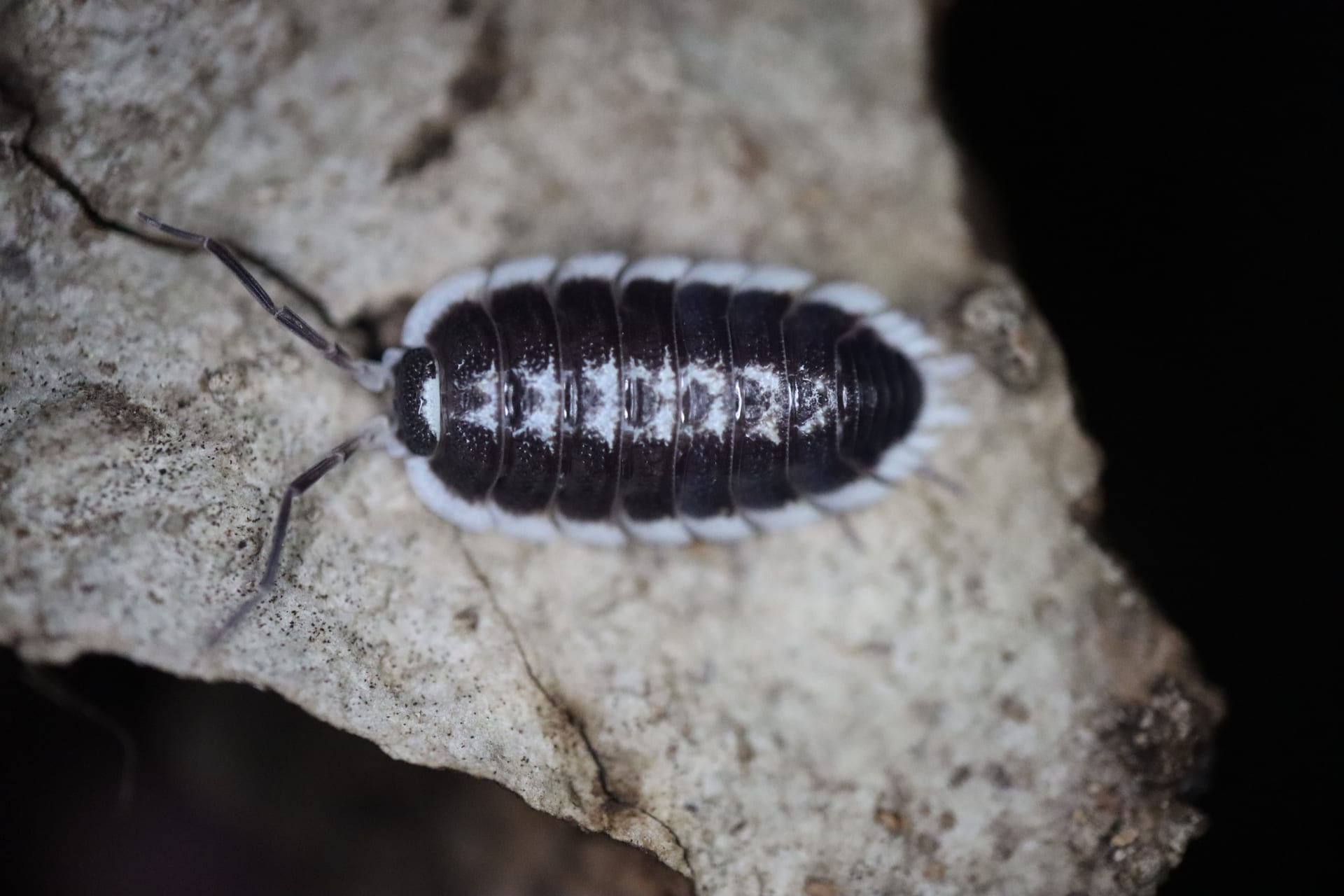
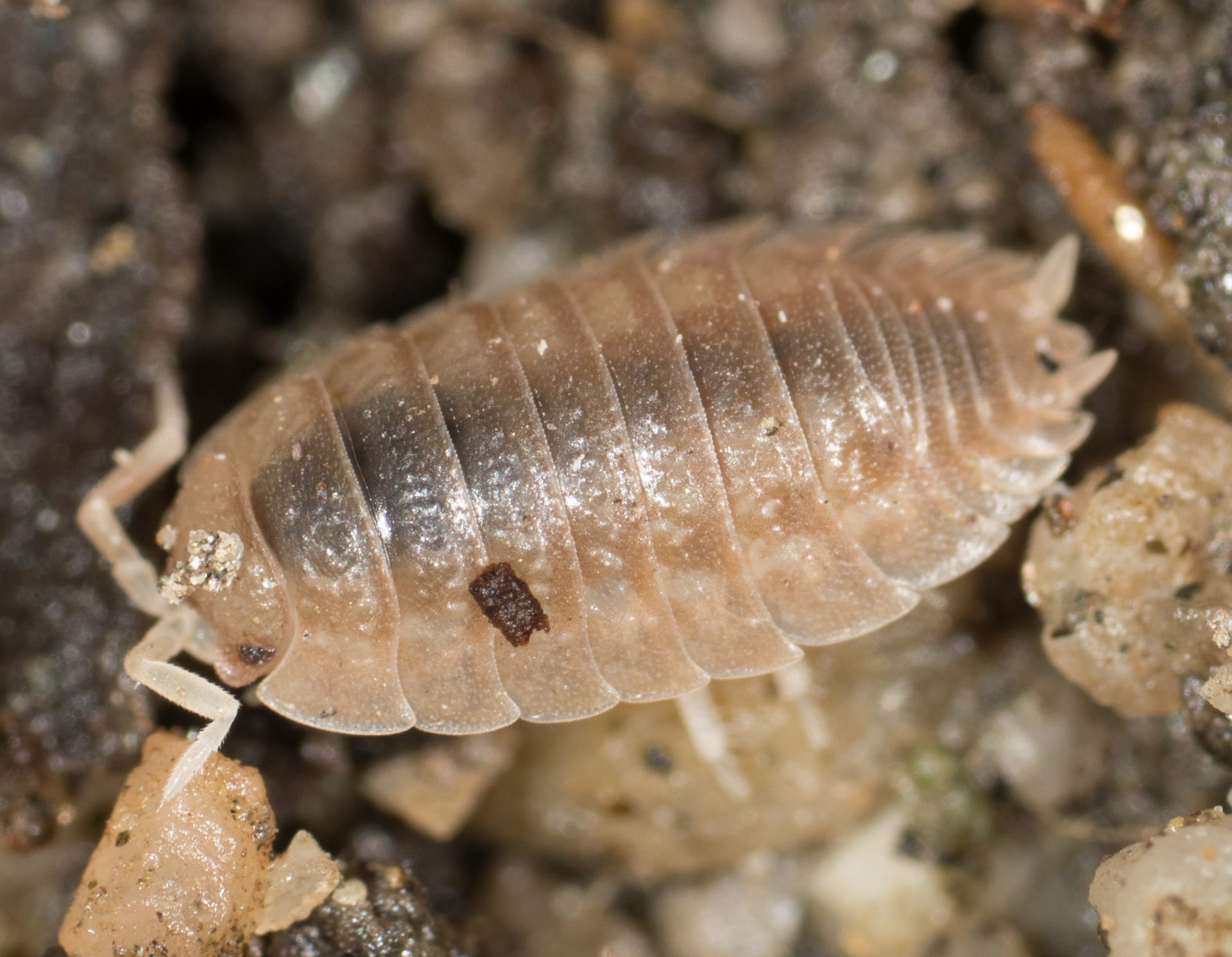
A flat, broad-bodied woodlouse from the dry, rocky country of southern Europe. The slate-grey to powder-blue body carries a darker dorsal band and a pale rim. It wants a dry, well-ventilated setup and cannot roll into a ball.
Difficulty
Intermediate
Temperature
20〜26℃
Lifespan
2-3 years
Size
15-20mm
Diet
Leaf litter and rotten wood as staples, with cuttlebone for calcium and fish flake or dried shrimp for protein
About
Porcellio spatulatus, described by Costa in 1882, is a southern European woodlouse that shelters under stones and rotting wood in dry Mediterranean rocky country. Its body is markedly flatter and broader than most of the genus, with pleura that flare out almost like spatulas, which is taken to be the origin of the specific name. The colour shades from slate grey to powder blue, with a darker band along the back and a pale rim around the edge. Adults reach 15-20mm, and locality lines such as 'Coros', named after a district in northern Sardinia, circulate in the hobby. Keep it as a dry-country species: most of the enclosure dry, one corner damp, and a real gradient between them, with strong ventilation so moisture never hangs in the air. Like other large Porcellio it is hungry for calcium and protein, so keep cuttlebone permanently available and offer fish flake or dried shrimp regularly, or the colony will turn on itself. It cannot conglobate, so it wedges its flat body into gaps instead; layered bark and flat stone hides make it confident enough to forage in the open.
Source: WoRMS
Lifespan of the Spatulatus Isopod
The Spatulatus Isopod lives 2-3 years.
Size of the Spatulatus Isopod
The Spatulatus Isopod grows to 15-20mm.
Temperature & humidity for the Spatulatus Isopod
The ideal temperature for the Spatulatus Isopod is 20〜26℃.
Basic Info
Origin
Southern Europe (Mediterranean, including Sardinia in Italy)
Care Specifications
Semi-aggressiveGroupBreeding: Moderate
Sources: PostPods Porcellio spatulatus 'Coros' (size, temperature, care) / Insektenliebe Porcellio spatulatus / WoRMS / GBIF
References & Sources
Edited & verified by: BreederDirect editorial team
The taxonomic, regulatory, and husbandry data on this page are compiled and verified against the authoritative primary sources below.
Taxonomy & Authority
Regulations & Conservation Status
Not CITES-listed
Sources: CITES Appendices (species not listed)
Regulations may change. Always verify the latest information with the relevant authorities.
Spatulatus Isopod Listings
Loading latest listingsFind listings for this species