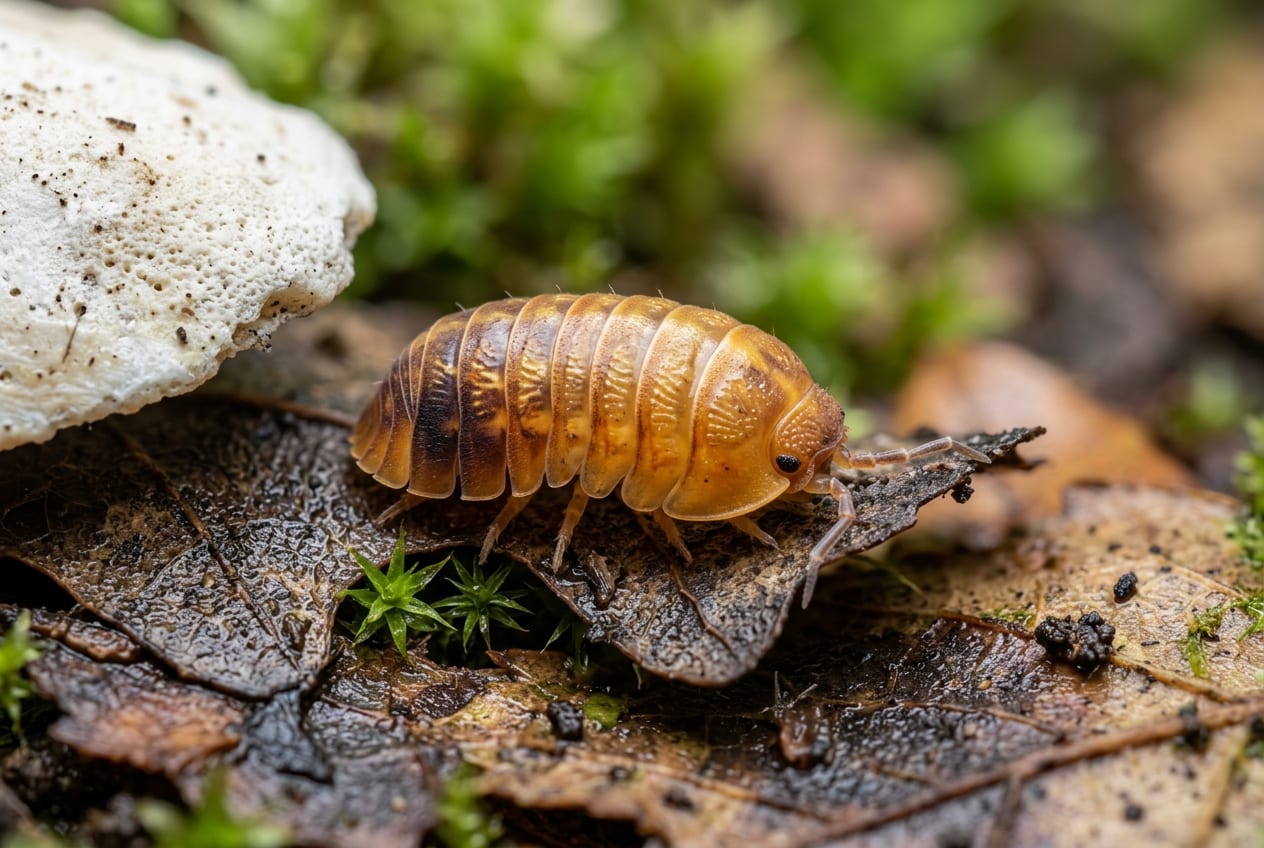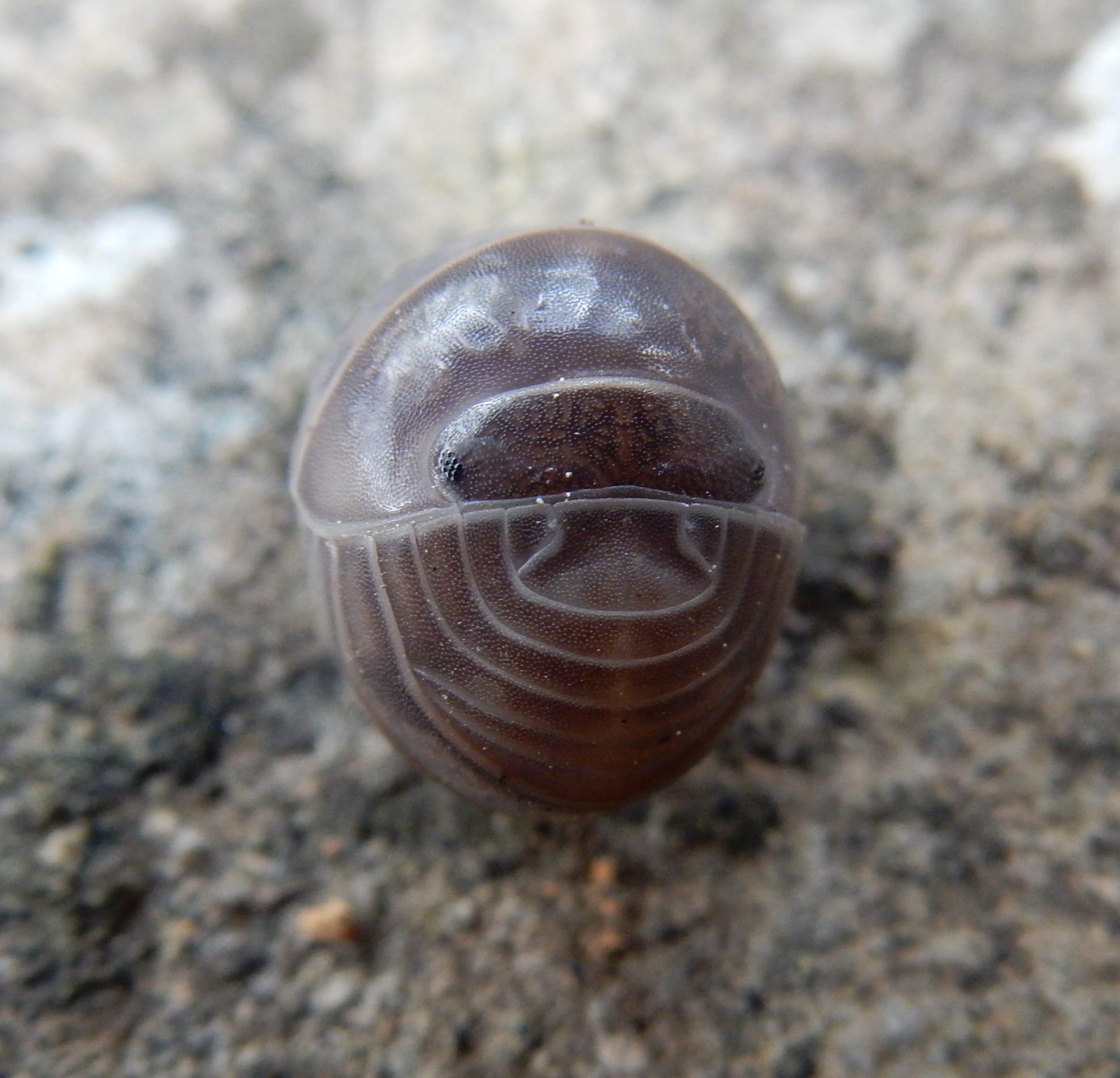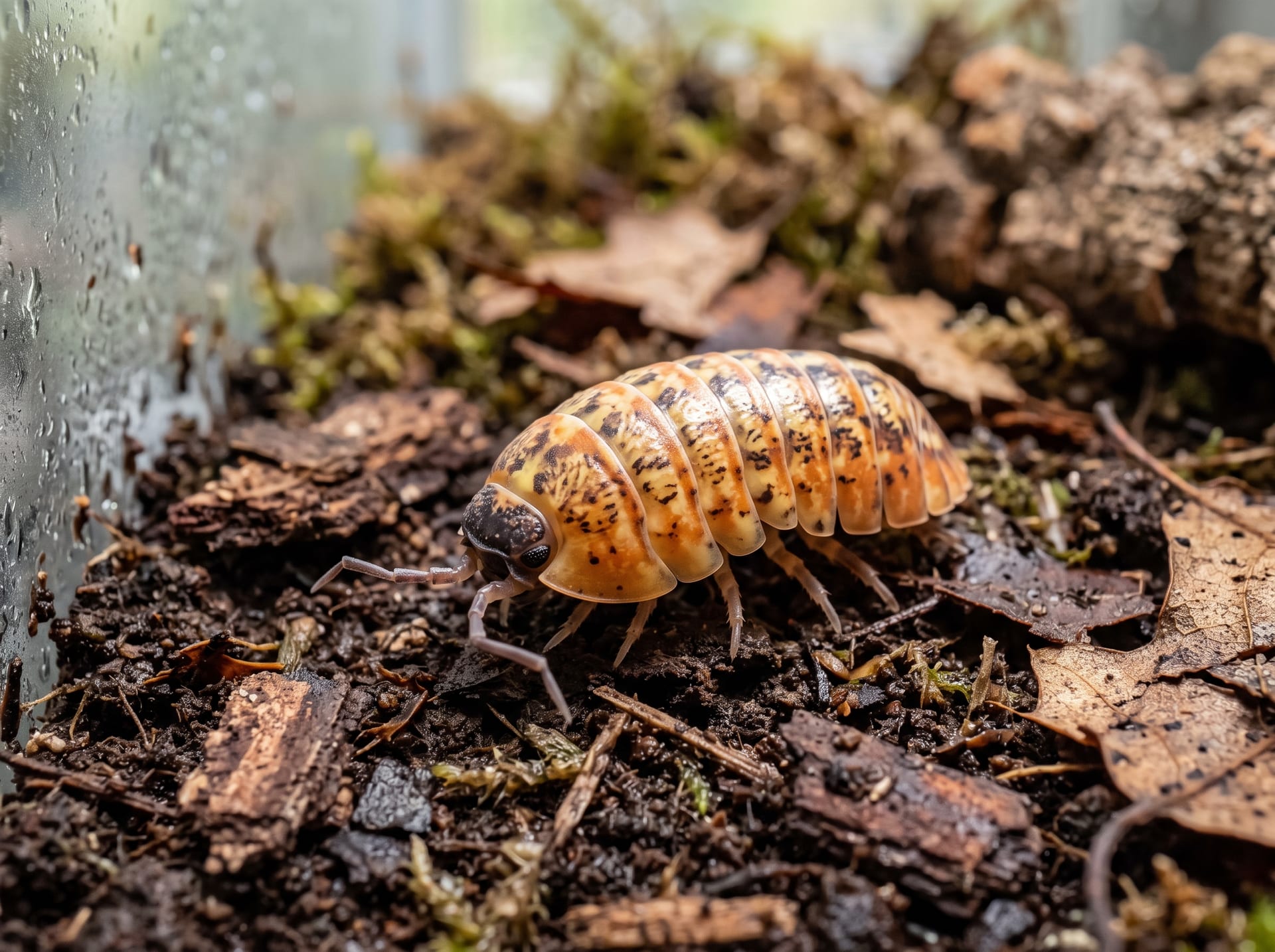
AI-generated image
Armadillidium ruffoi
IntermediateArmadillidium ruffoi
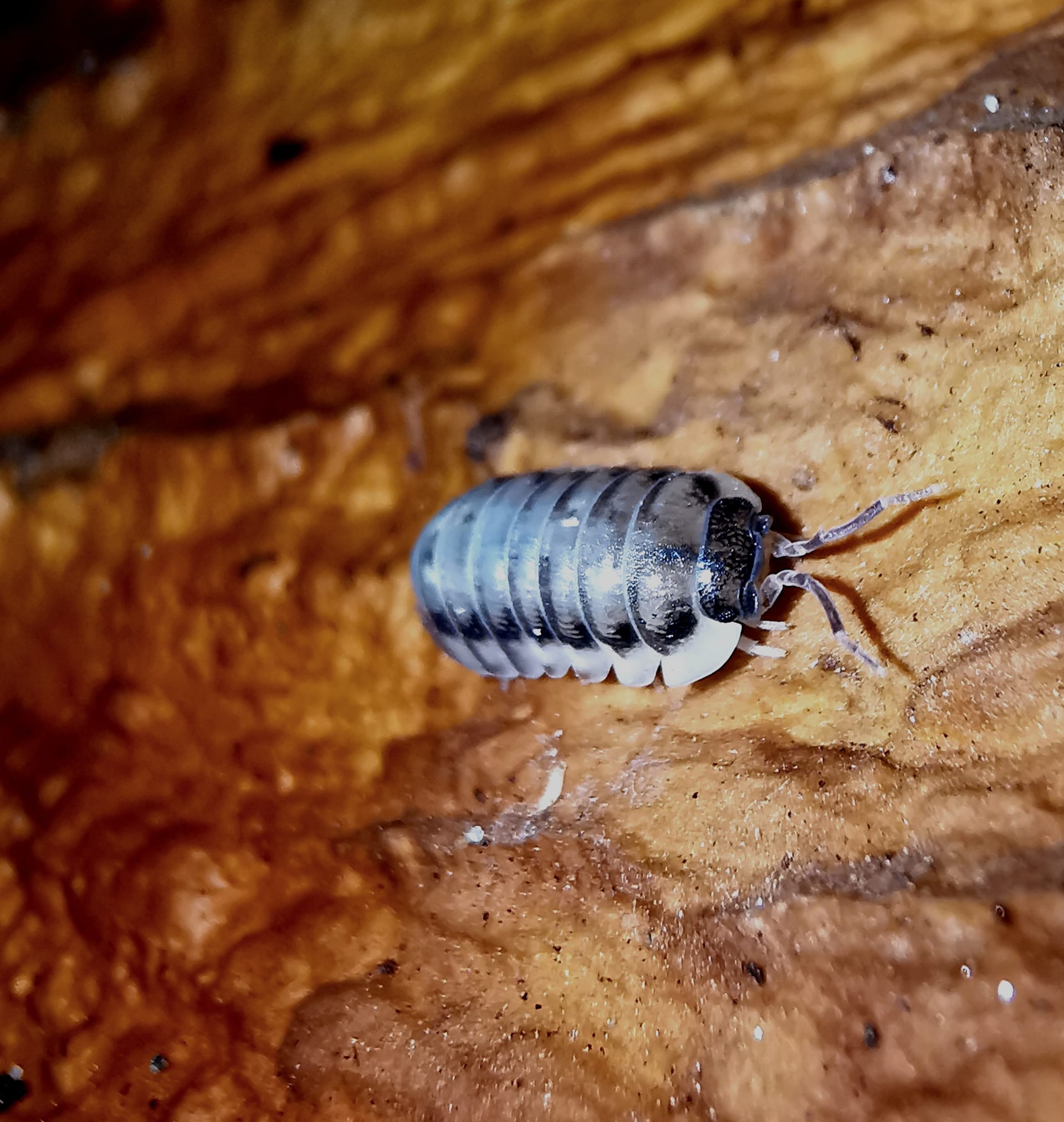
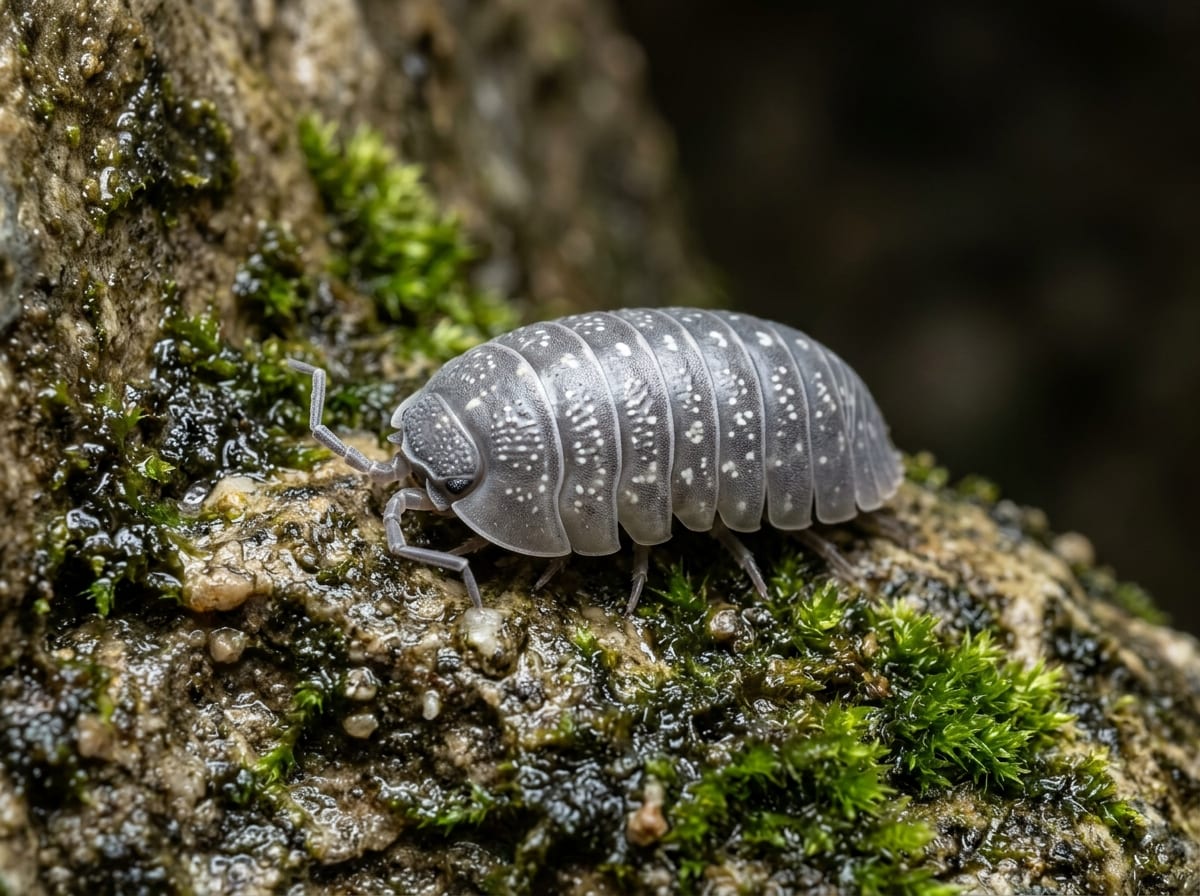
A pill woodlouse endemic to the province of Verona in northern Italy, grey with whitish spots in three rows. It is known from specimens collected in and around caves, and almost nothing is known of its ecology.
Difficulty
Intermediate
Lifespan
Little data
Size
Up to about 16 x 6.5 mm
Diet
Omnivorous (leaf litter, rotten wood, vegetables)
About
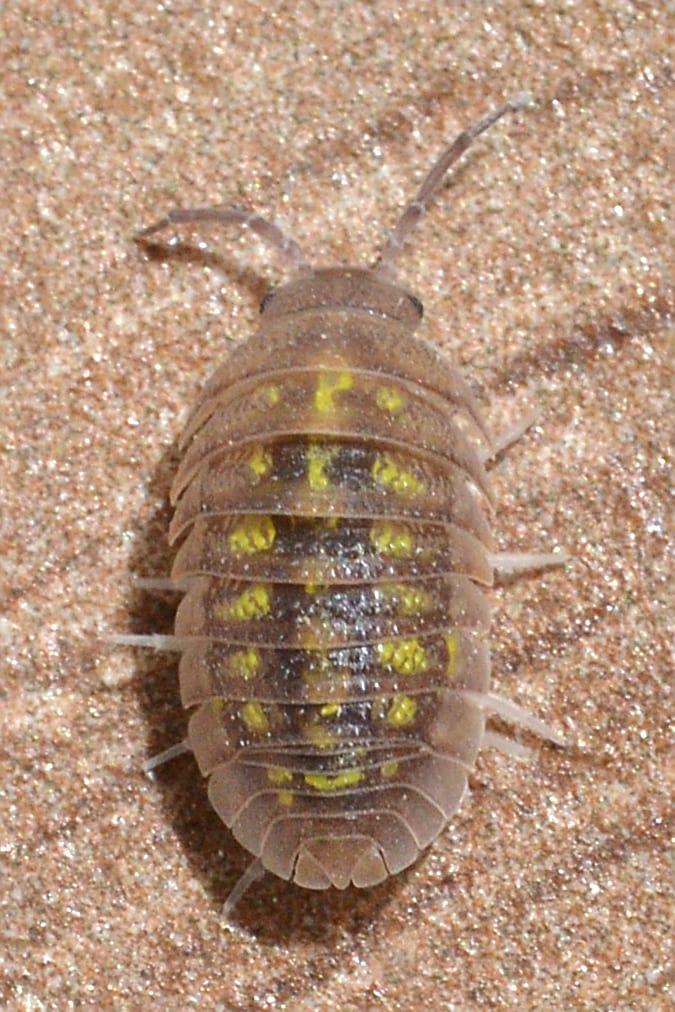
Armadillidium ruffoi Arcangeli, 1940 is a pill woodlouse of the family Armadillidiidae endemic to northern Italy; all known specimens come from the province of Verona. It belongs to the 'Marginiferae' section of the genus, in which the side edges of the forehead turn up into lobes that form a 'frontal brim' with the frontal shield, and it is thought to be closely related to the probably sympatric A. germanicum, or even to be its southernmost variety. It is medium-sized, reaching about 16 x 6.5 mm. The tergites are shiny, and the body is faded grey with irregular whitish spots arranged in three longitudinal rows, the middle row being the most distinct; the corners of the epimera are also whitish. Almost nothing is known of its ecology, but the type series was collected in and around caves. In Japan it appears only rarely at specialist shops as a display isopod and is mostly searched for by name.
Source: Wikipedia (CC BY-SA 4.0)
Size of the Armadillidium ruffoi
The Armadillidium ruffoi grows to Up to about 16 x 6.5 mm.
Basic Info
Origin
Northern Italy (province of Verona)
Lifespan
Little data
Size
Up to about 16 x 6.5 mm
Diet
Omnivorous (leaf litter, rotten wood, vegetables)
Care Guide
References & Sources
Edited & verified by: BreederDirect editorial team
The taxonomic, regulatory, and husbandry data on this page are compiled and verified against the authoritative primary sources below.
Taxonomy & Authority
Regulations & Conservation Status
Not CITES-listed
It is not a designated invasive species, an uncategorised alien species or a taxon needing an identification certificate in Japan, and it is not listed by CITES (September 2026). It is a non-native isopod, so never release captive animals.
Sources: Ministry of the Environment: List of regulated alien species, including taxa needing an identification certificate (JA) / Species+ CITES query (not listed)
Regulations may change. Always verify the latest information with the relevant authorities.
Armadillidium ruffoi Listings
Loading latest listingsFind listings for this species