Source: Wikimedia Commons
Corcyraeum Isopod
BeginnerArmadillidium corcyraeum
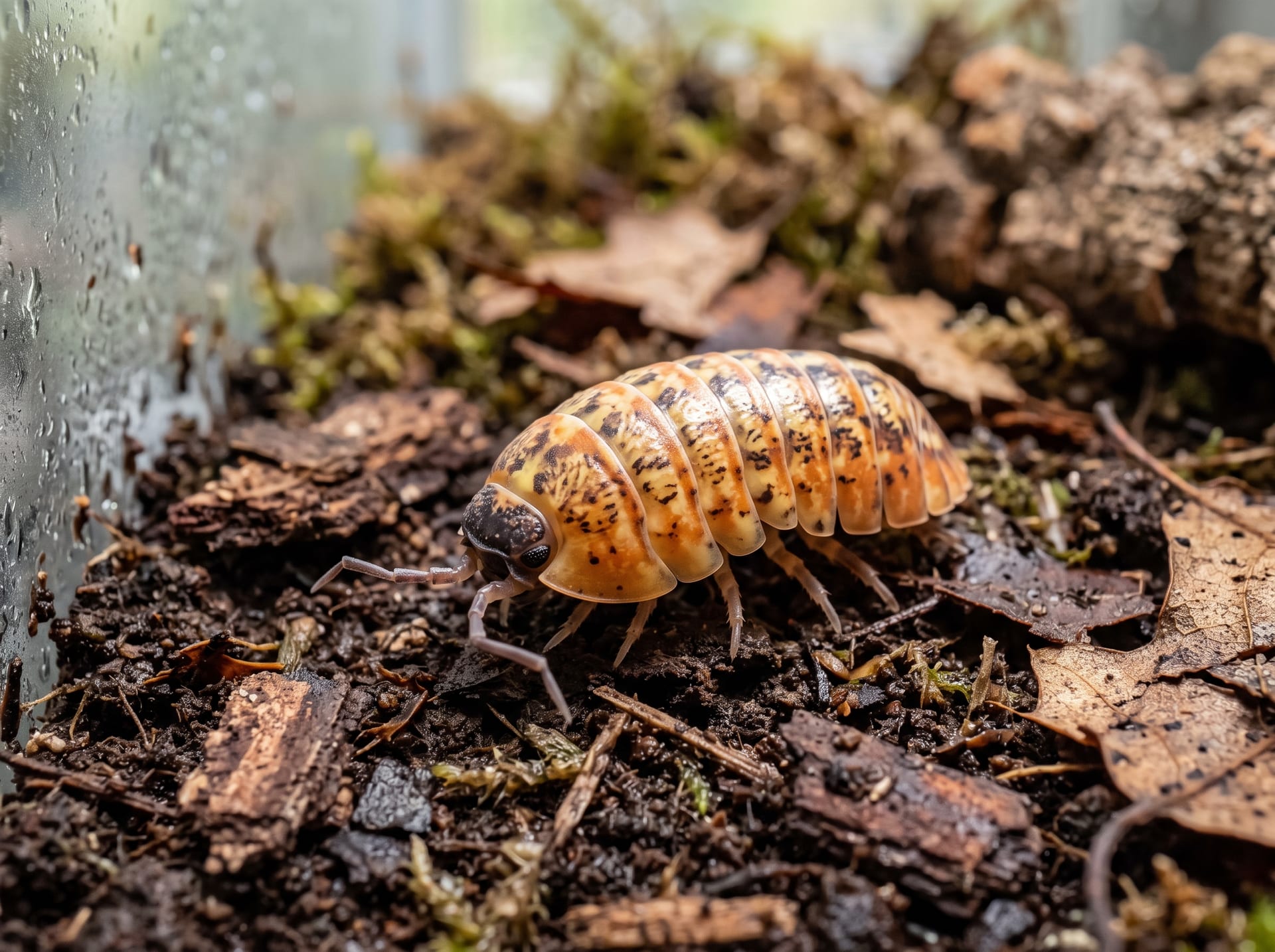
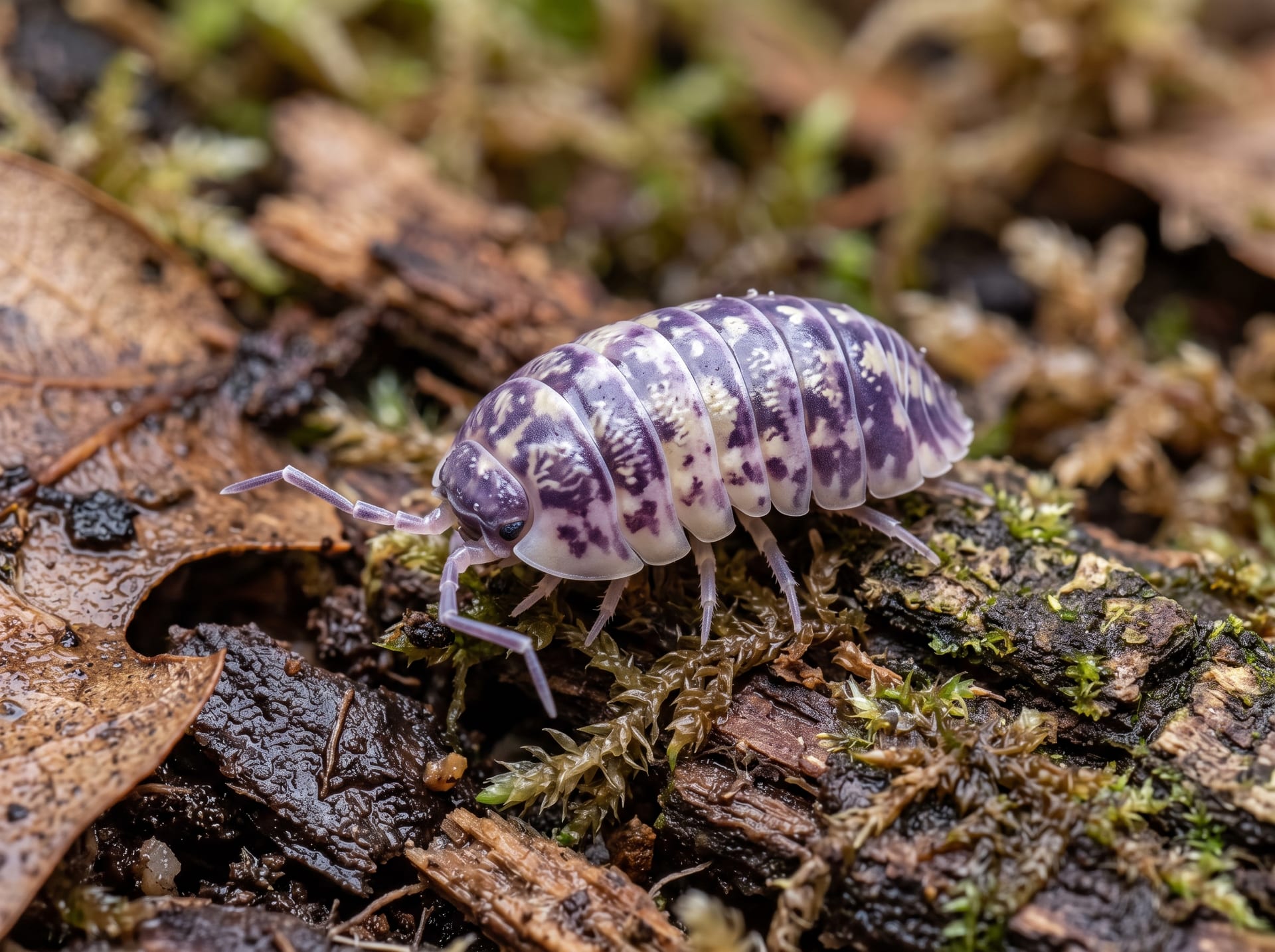
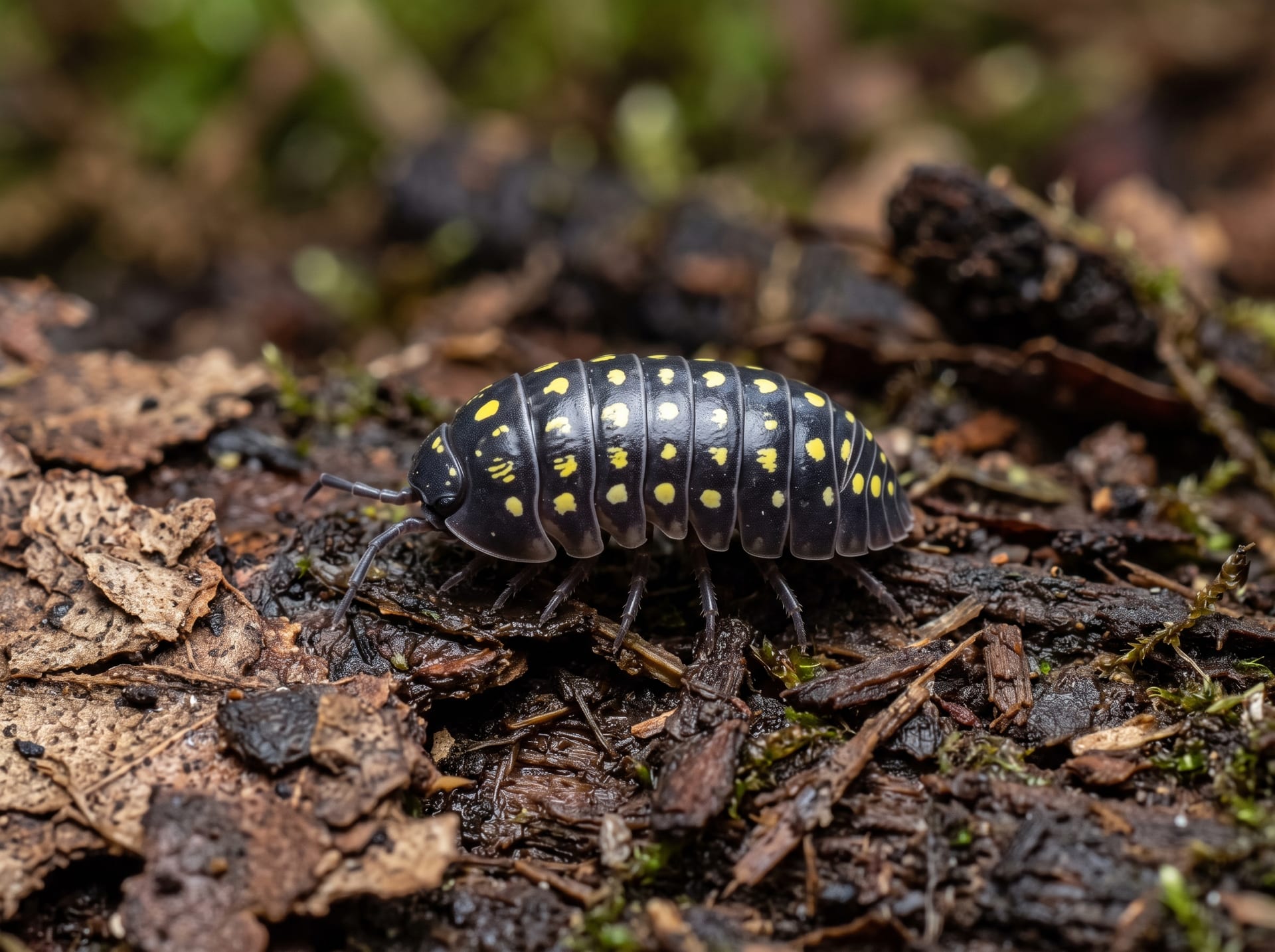
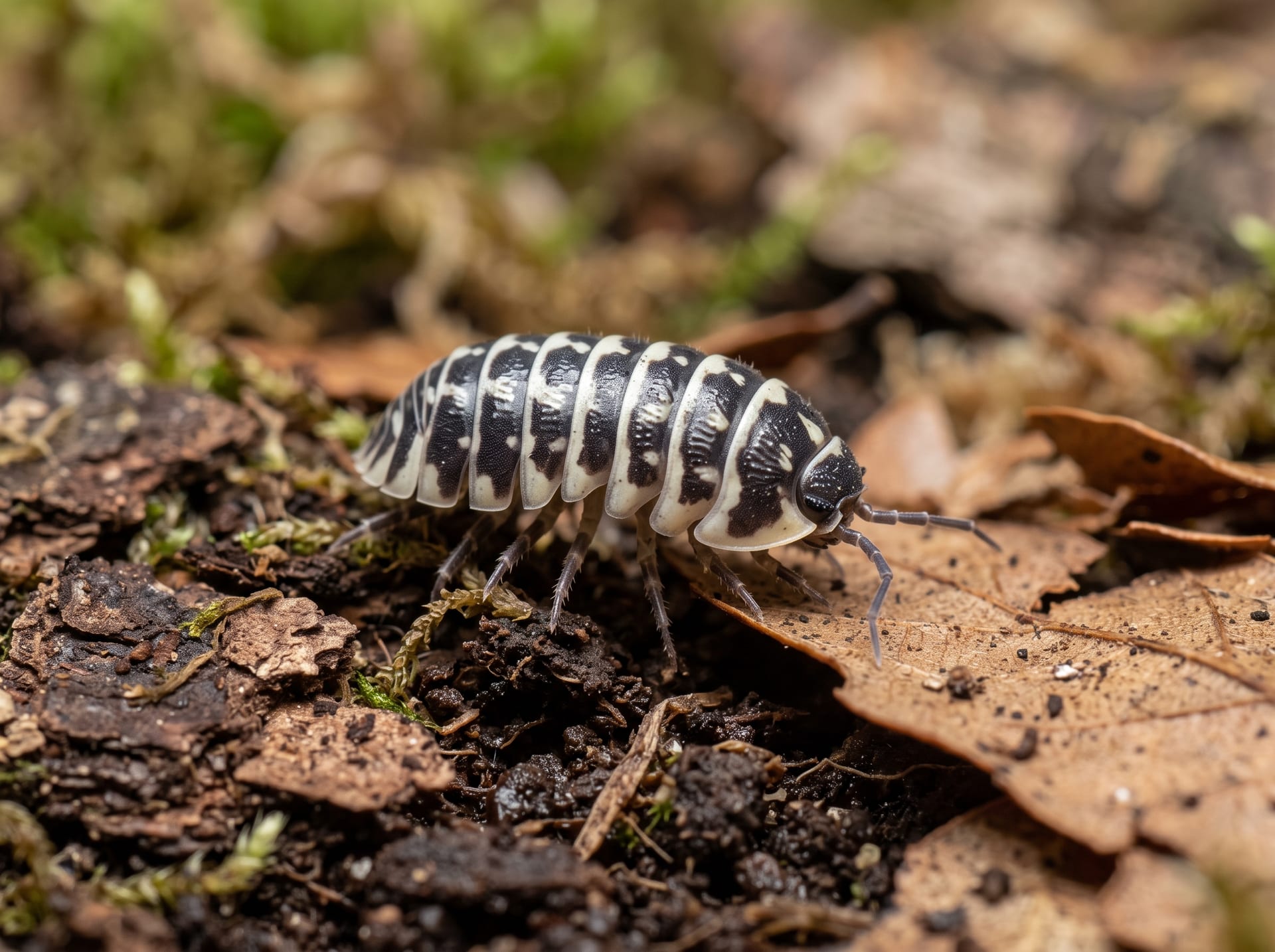
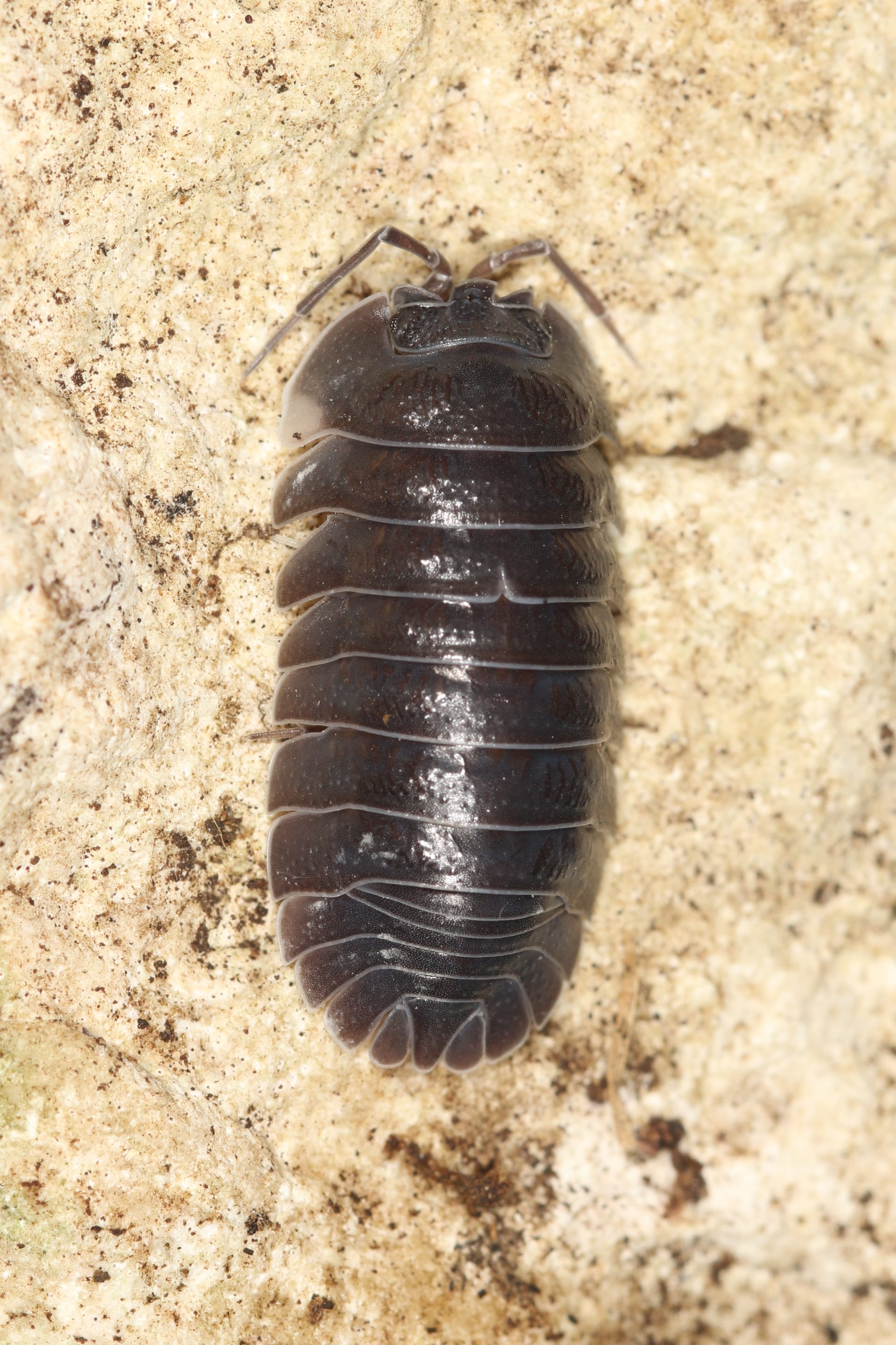
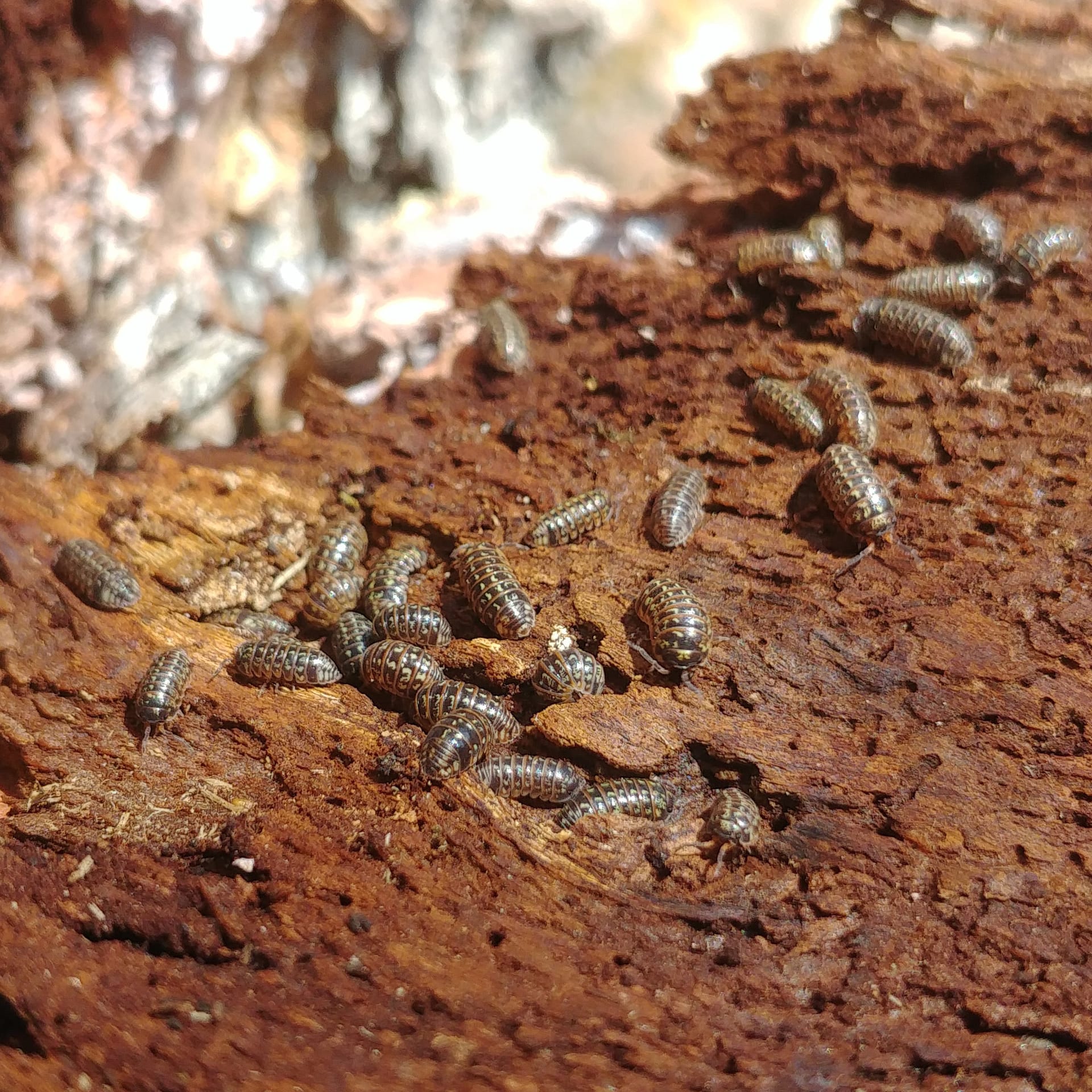
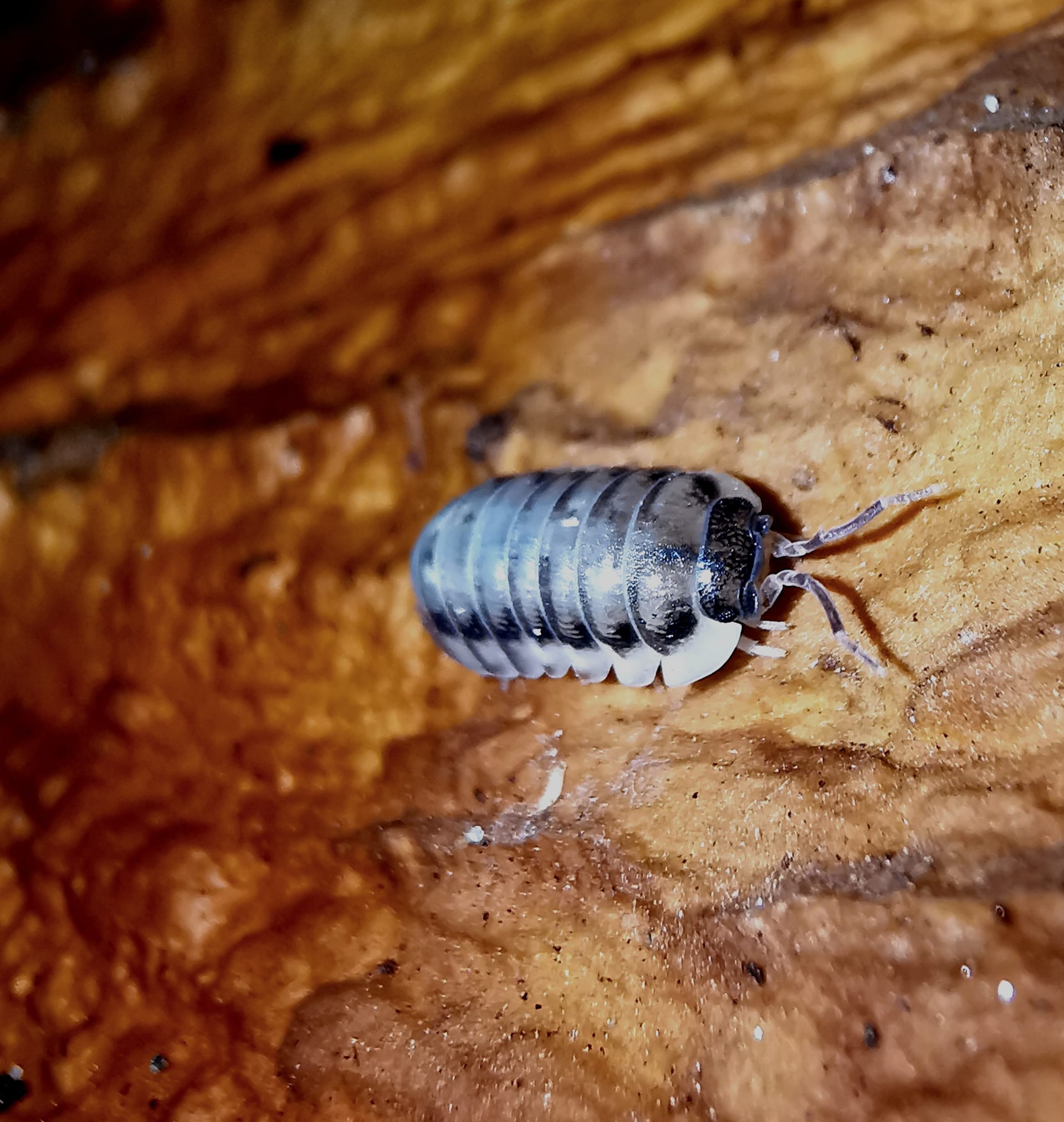
A mid-sized pill isopod from the Corfu area of Greece. The dark grey to near-black body carries pale speckling that sharpens with age. A classic conglobating Armadillidium that does well with a Mediterranean-style moisture gradient.
Difficulty
Beginner
Temperature
20〜25℃
Lifespan
2-3 years
Size
About 10-18mm
Diet
Leaf litter and white rotten wood as staples, supplemented with vegetables, protein and a calcium source such as cuttlebone.
About
Armadillidium corcyraeum was described by Verhoeff in 1901 from Corfu (ancient Corcyra), Greece, and the epithet means 'from Corcyra'. WoRMS lists A. graecorum and A. odysseum as synonyms. Adults reach about 10-18mm; the dark grey to near-black ground colour carries rows of pale spots, and juveniles are browner before darkening with age. Disturbed animals roll into a complete ball. Care follows the standard Armadillidium approach: keep at 20-25C on a substrate of leaf humus and rotten wood with added lime, moistening only one side to create a moisture gradient. Tropical humidity is unnecessary; steady ventilation is the key to long-term success. Feed leaf litter and rotten wood, supplemented with vegetables, protein and calcium. Breeding proceeds reliably once the colony is established. Besides the wild type, a pale 'Silver' line is known in the hobby.
Source: Wikipedia (CC BY-SA 4.0)
Lifespan of the Corcyraeum Isopod
The Corcyraeum Isopod lives 2-3 years.
Size of the Corcyraeum Isopod
The Corcyraeum Isopod grows to About 10-18mm.
Temperature & humidity for the Corcyraeum Isopod
The ideal temperature for the Corcyraeum Isopod is 20〜25℃.
Basic Info
Origin
Greece (Ionian Islands; type locality Corfu)
Lifespan
2-3 years
Care Specifications
PeacefulGroupBreeding: Easy
Sources: Insektenliebe (temperature, difficulty) / TC Insects (size, origin, care) / WoRMS
References & Sources
Edited & verified by: BreederDirect editorial team
The taxonomic, regulatory, and husbandry data on this page are compiled and verified against the authoritative primary sources below.
Taxonomy & Authority
Accepted name: Armadillidium corcyraeum Verhoeff, 1901
Synonyms: Armadillidium graecorum, Armadillidium odysseum
Authority databases: GBIF
Nomenclature follows global taxonomic authority databases.
Regulations & Conservation Status
Not CITES-listed
Sources: CITES Appendices (species not listed)
Regulations may change. Always verify the latest information with the relevant authorities.
Corcyraeum Isopod Listings
Loading latest listingsFind listings for this species