Source: Wikimedia Commons
Pallasii Isopod
BeginnerArmadillidium pallasii
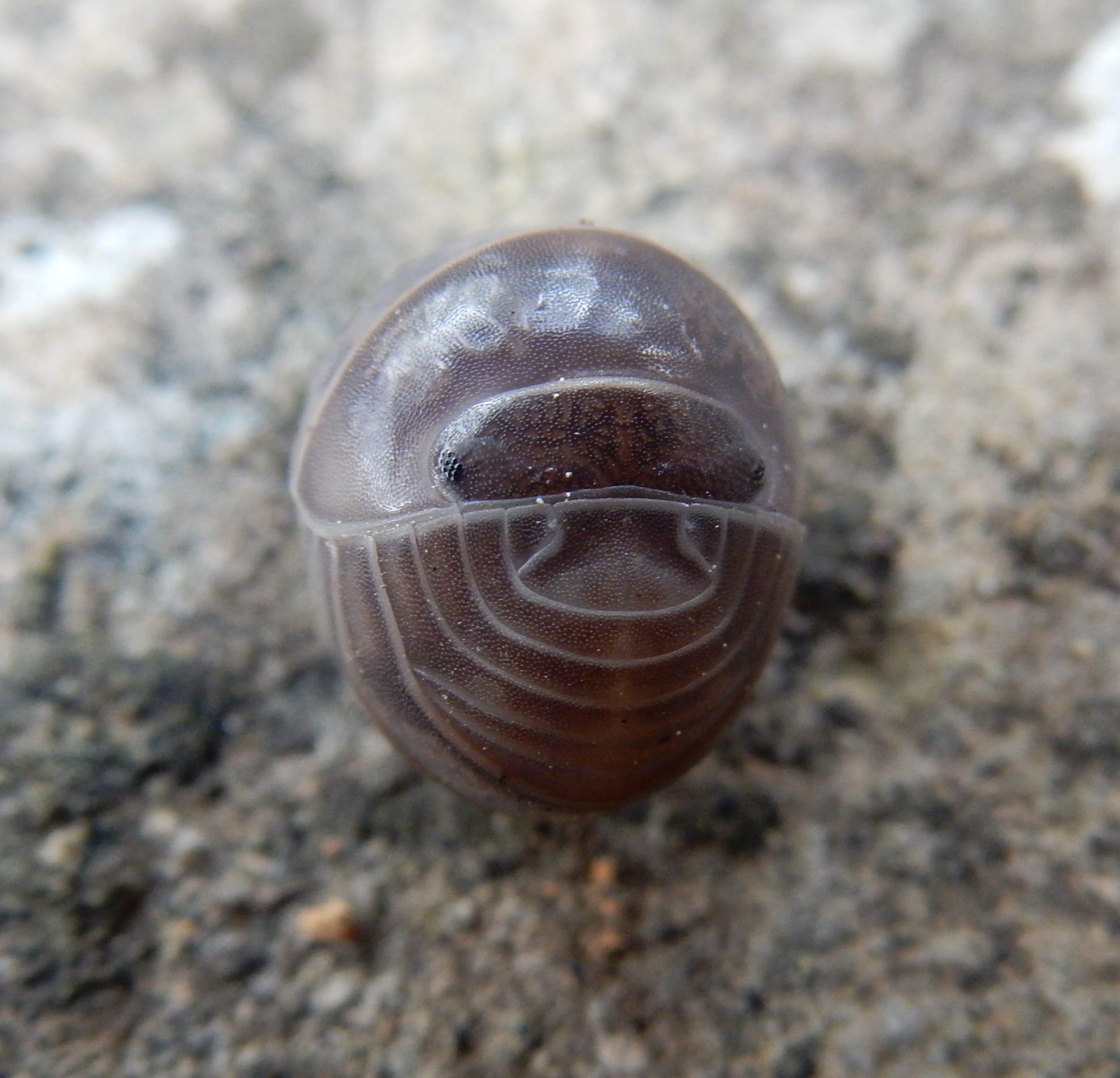
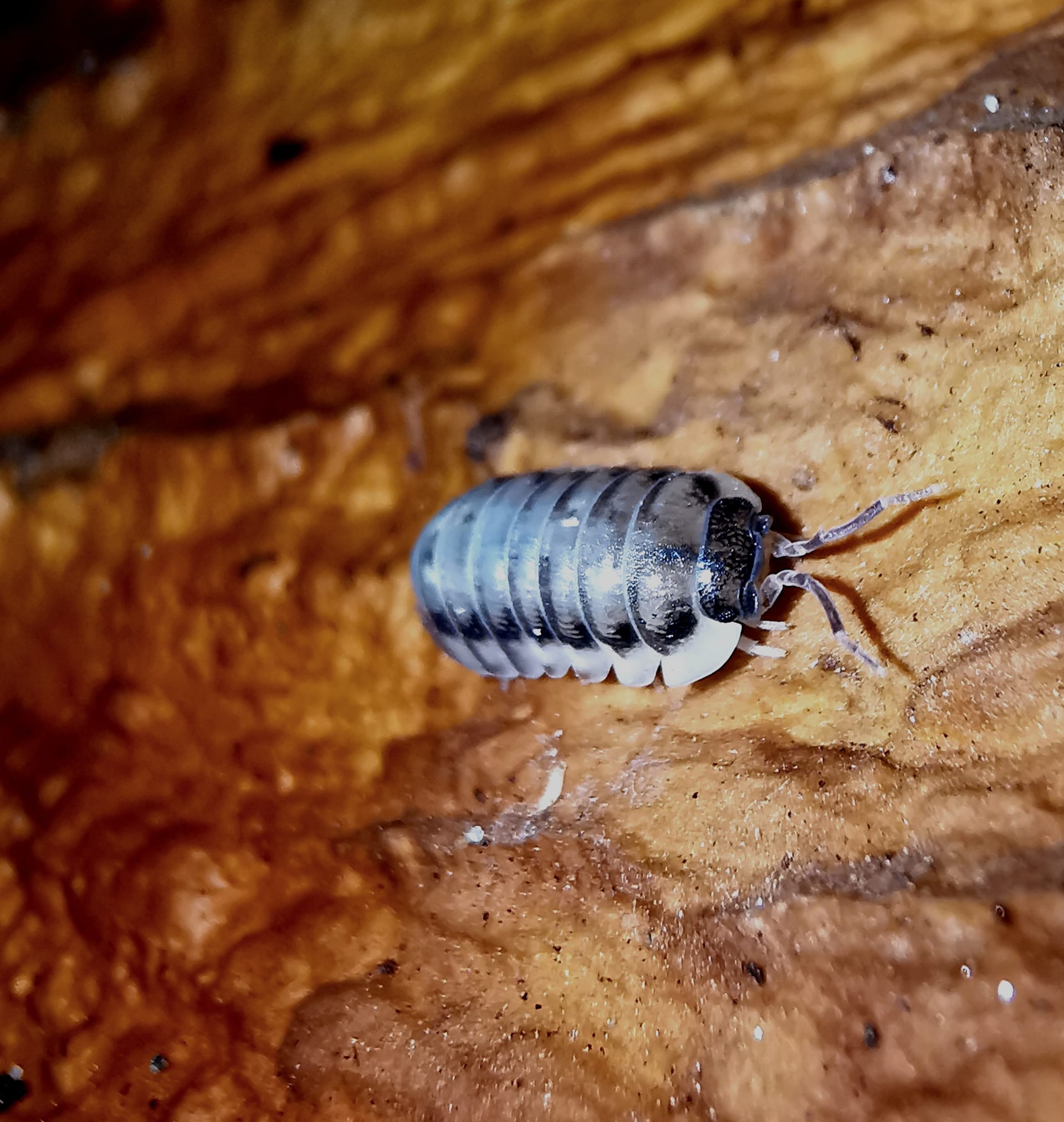
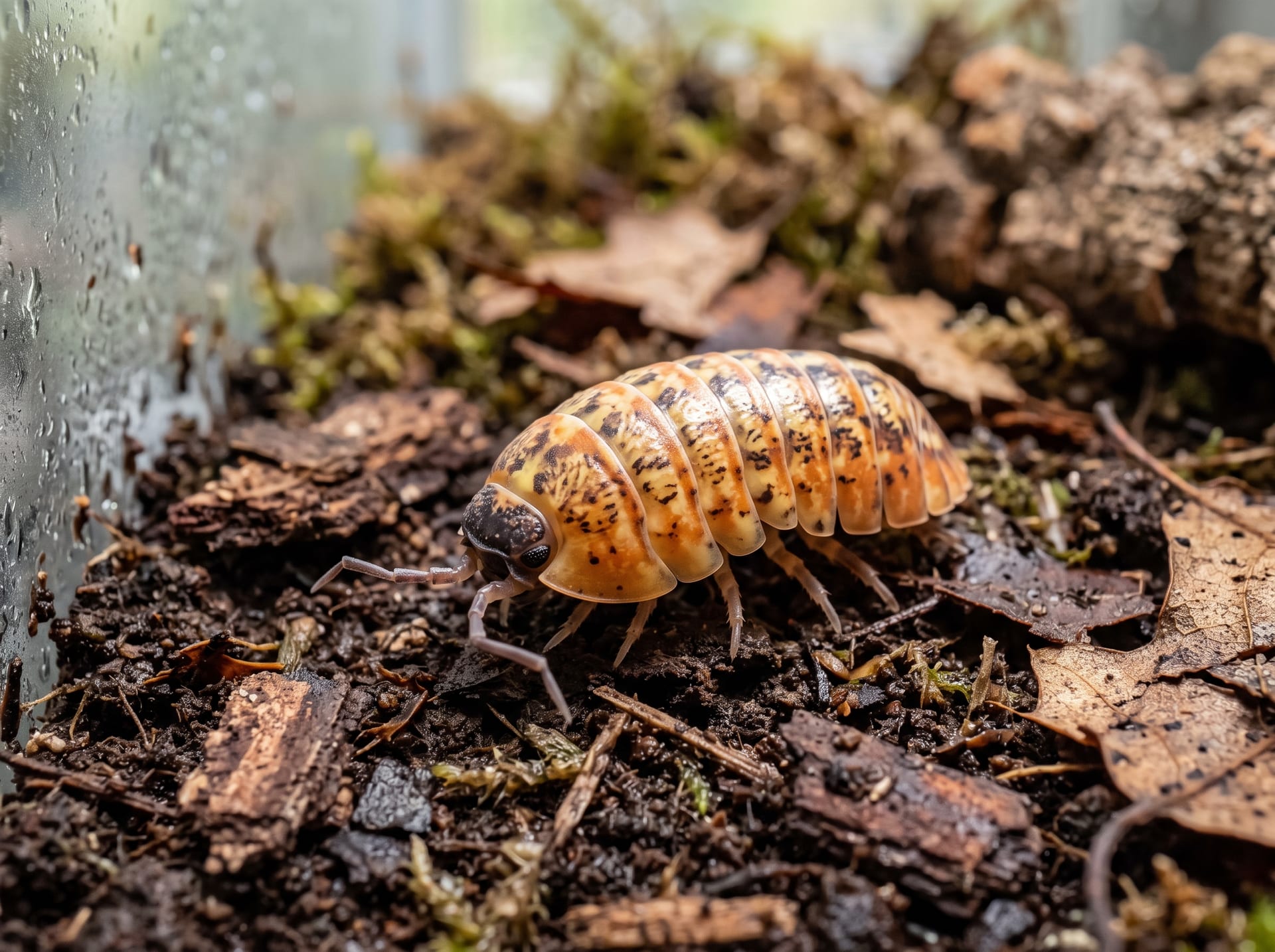
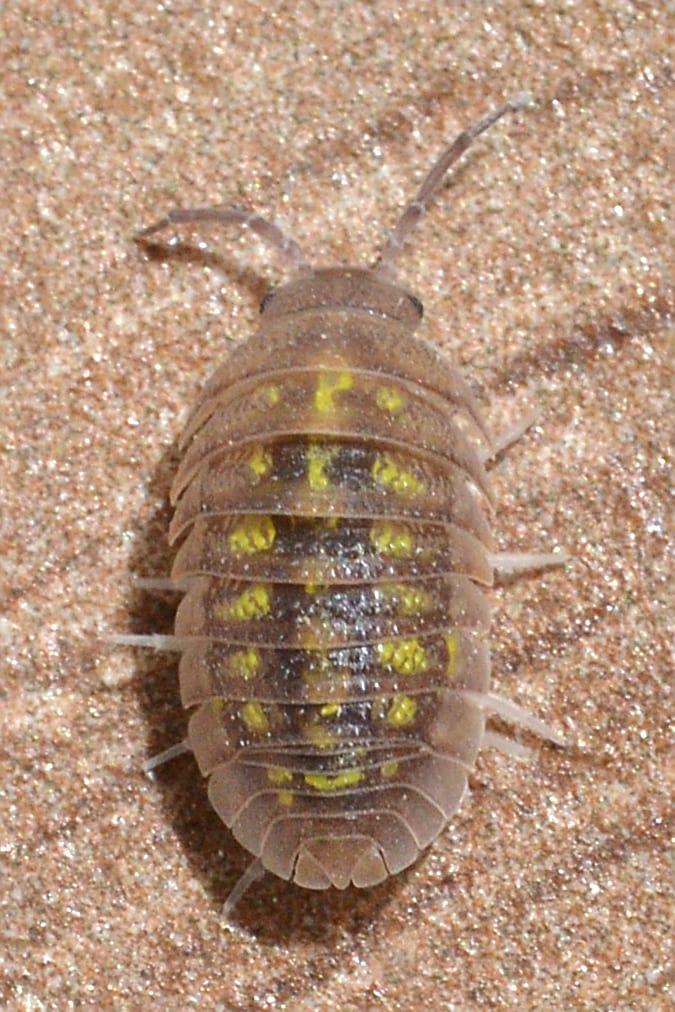
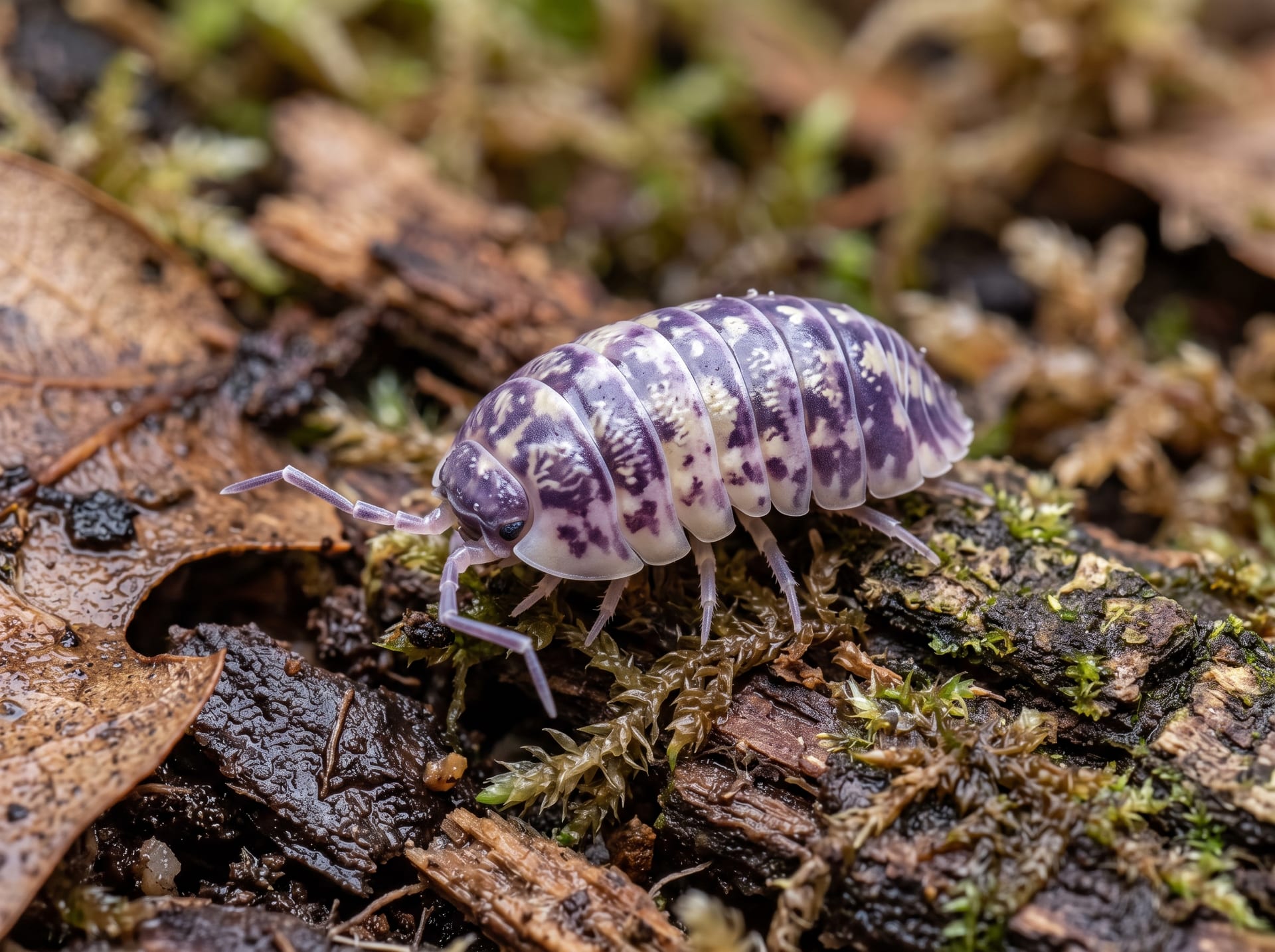
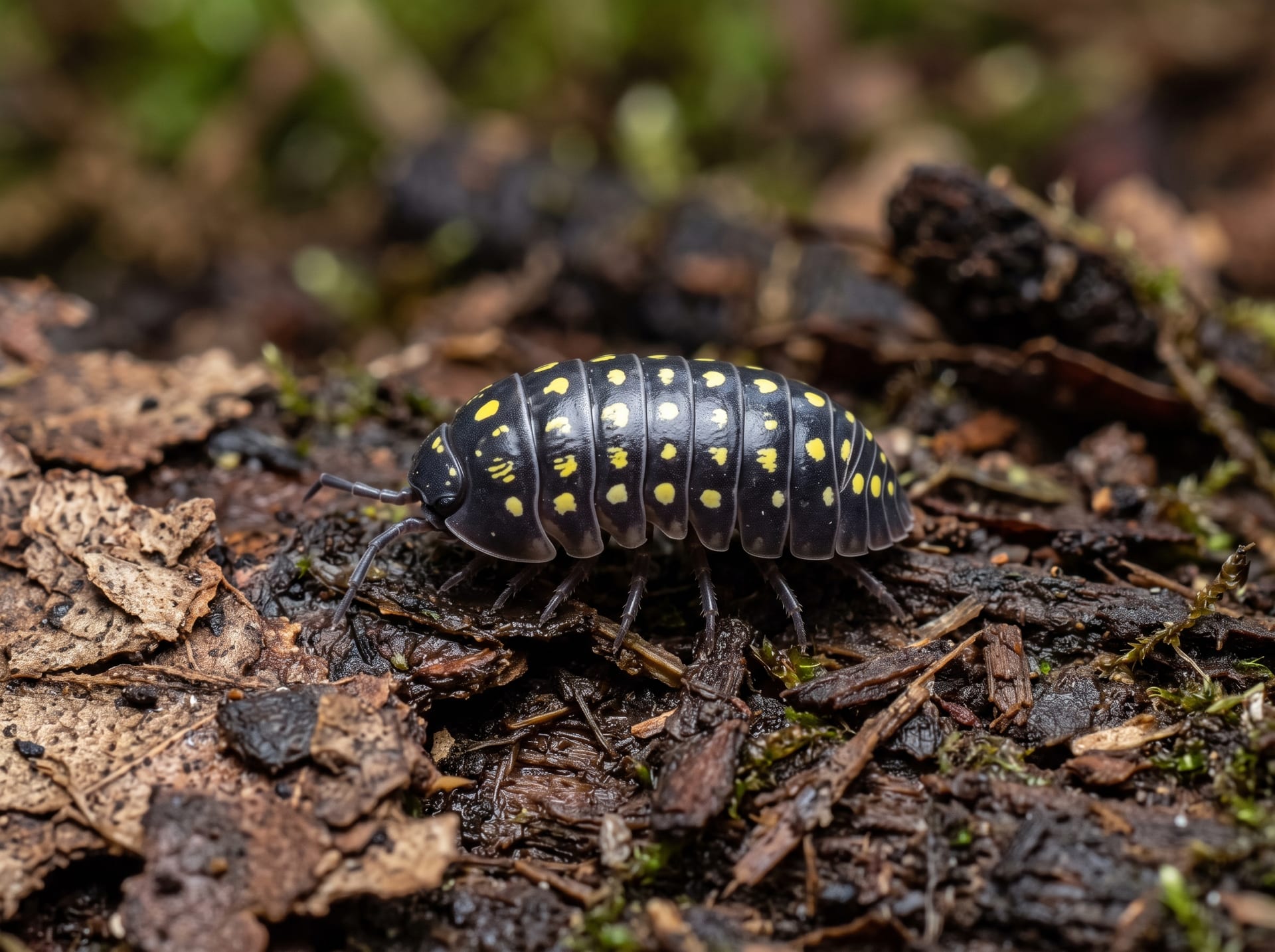
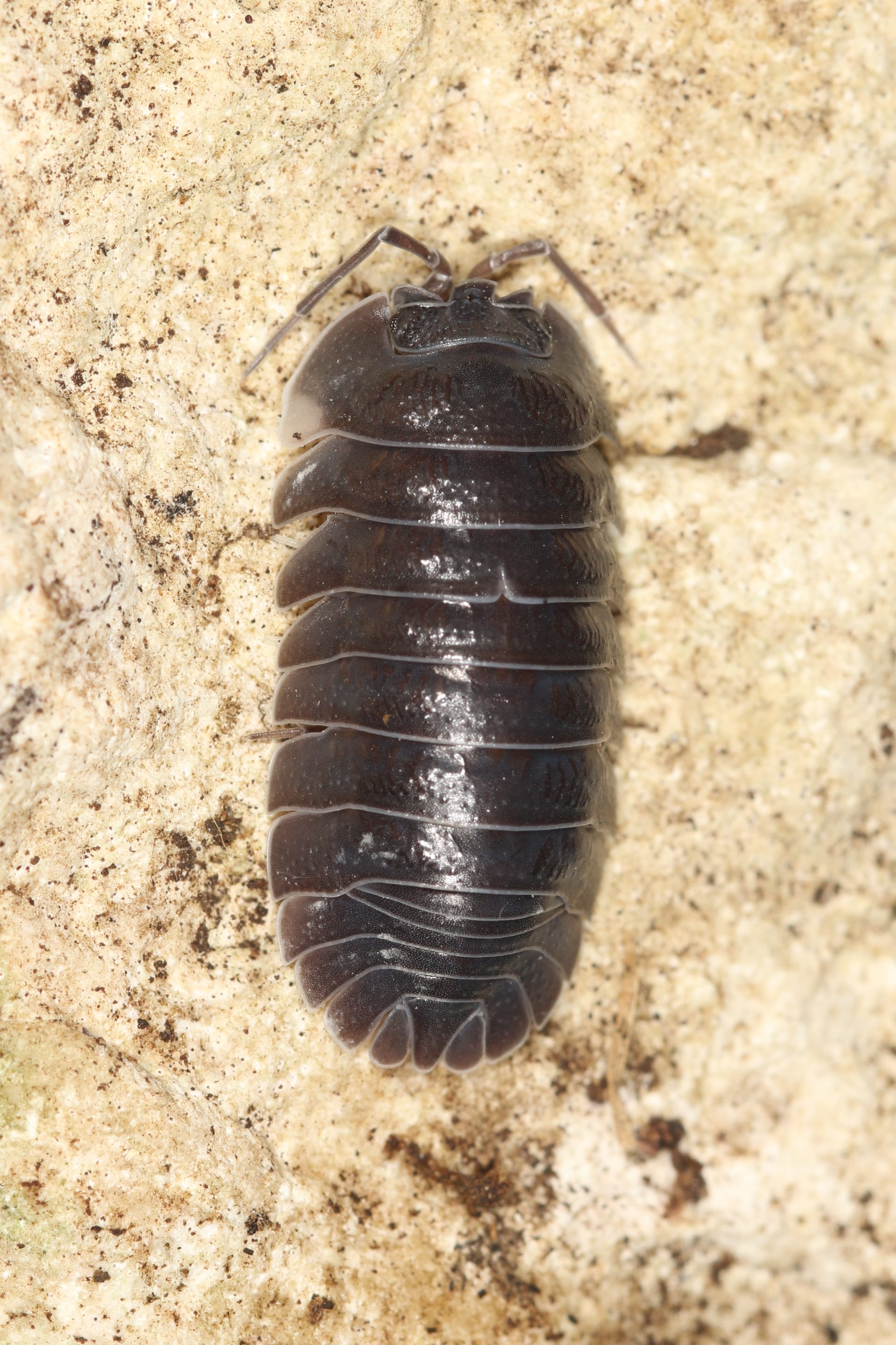
A large pill isopod of the Adriatic and Ionian coasts, reaching about 24mm. The semi-translucent orange line from Corfu is popular. Prefers a drier setup and breeds steadily once established.
Difficulty
Beginner
Temperature
15〜30℃
Lifespan
3-4 years
Size
Up to about 24mm
Humidity
45〜60%
Diet
Leaf litter and rotten wood as staples, with vegetables, fruit, moss, lichen, protein such as fish food, and a calcium source.
About
Armadillidium pallasii is a large pill isopod described by Brandt in 1833 and named after the naturalist Peter Simon Pallas. It occurs along the coast from Istria in Croatia to Corfu in Greece, and WoRMS lists A. frontirostre and A. frontesignum among its synonyms. Adults reach about 24mm; the semi-translucent orange line from Corfu is traded as 'Orange', and the species is sometimes sold as the Giant Croatian Isopod. Leaf litter and rotten wood are the staples, with vegetables, fruit and lichen, plus protein about twice a week and a calcium source. Establishment takes a few months and early mortality can be higher than usual, so starting with a reasonable number of animals gives a stable colony.
Source: Wikipedia (CC BY-SA 4.0)
Lifespan of the Pallasii Isopod
The Pallasii Isopod lives 3-4 years.
Size of the Pallasii Isopod
The Pallasii Isopod grows to Up to about 24mm.
Temperature & humidity for the Pallasii Isopod
The ideal temperature for the Pallasii Isopod is 15〜30℃. Ideal humidity is 45〜60%.
It tolerates 15-30C but prefers a drier 45-60% humidity, so keep only about a third of the enclosure damp with moss and bark and ensure good airflow.
Basic Info
Origin
Croatia to Greece (Istria, Corfu and the Adriatic and Ionian coasts)
Lifespan
Care Specifications
PeacefulGroupBreeding: Easy
Sources: Exuvium Isopods (size, temperature, humidity, care) / Richard's Inverts (trade name Giant Croatian Isopod) / WoRMS
References & Sources
Edited & verified by: BreederDirect editorial team
The taxonomic, regulatory, and husbandry data on this page are compiled and verified against the authoritative primary sources below.
Taxonomy & Authority
Accepted name: Armadillidium pallasii Brandt, 1833
Synonyms: Armadillidium frontirostre, Armadillidium frontesignum, Armadillidium pallasii garganum
Authority databases: GBIF
Nomenclature follows global taxonomic authority databases.
Regulations & Conservation Status
Not CITES-listed
Sources: CITES Appendices (species not listed)
Regulations may change. Always verify the latest information with the relevant authorities.
Pallasii Isopod Listings
Loading latest listingsFind listings for this species