Source: Wikimedia Commons
Mediterranean Pill Isopod
BeginnerArmadillo officinalis
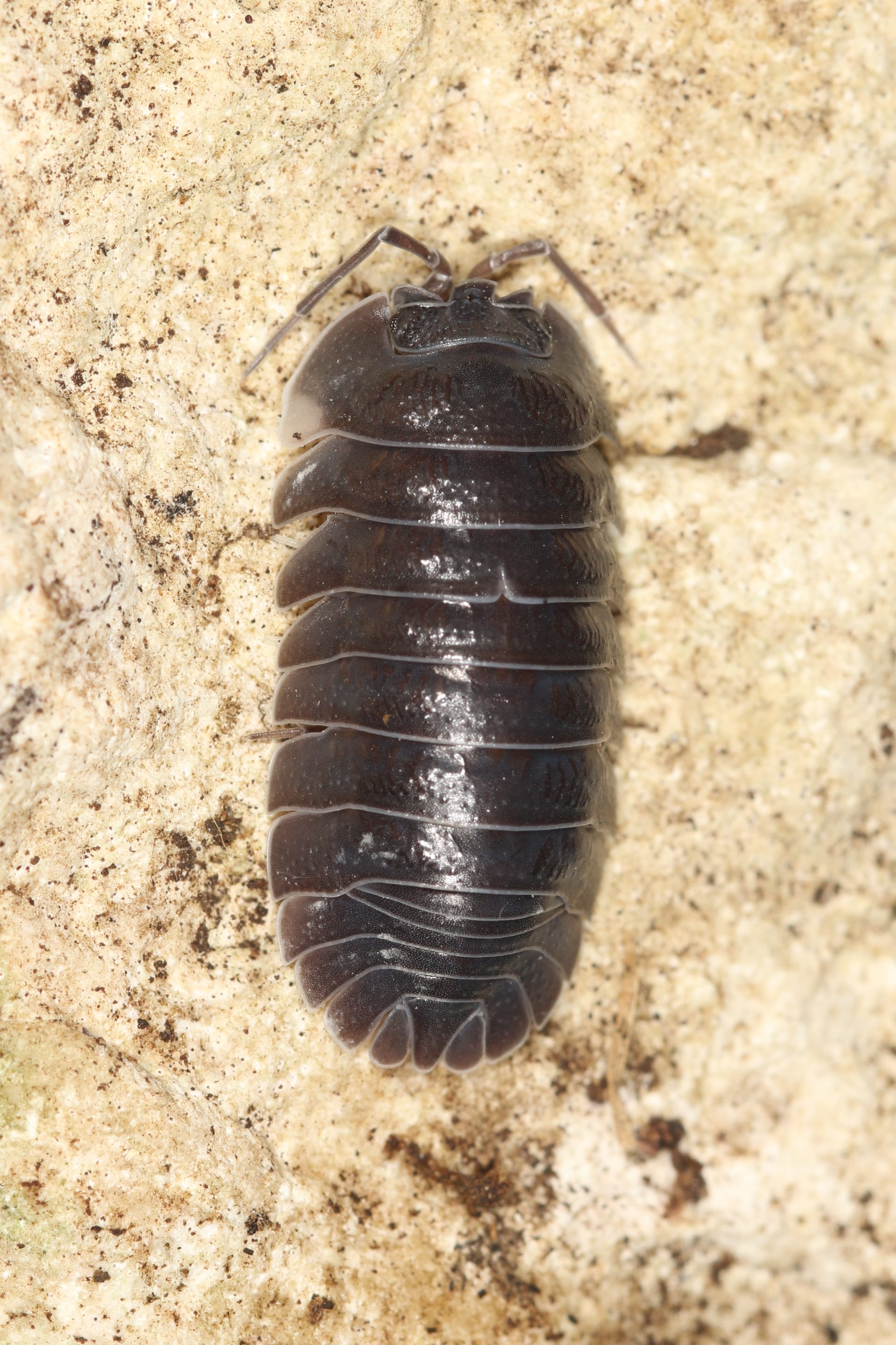
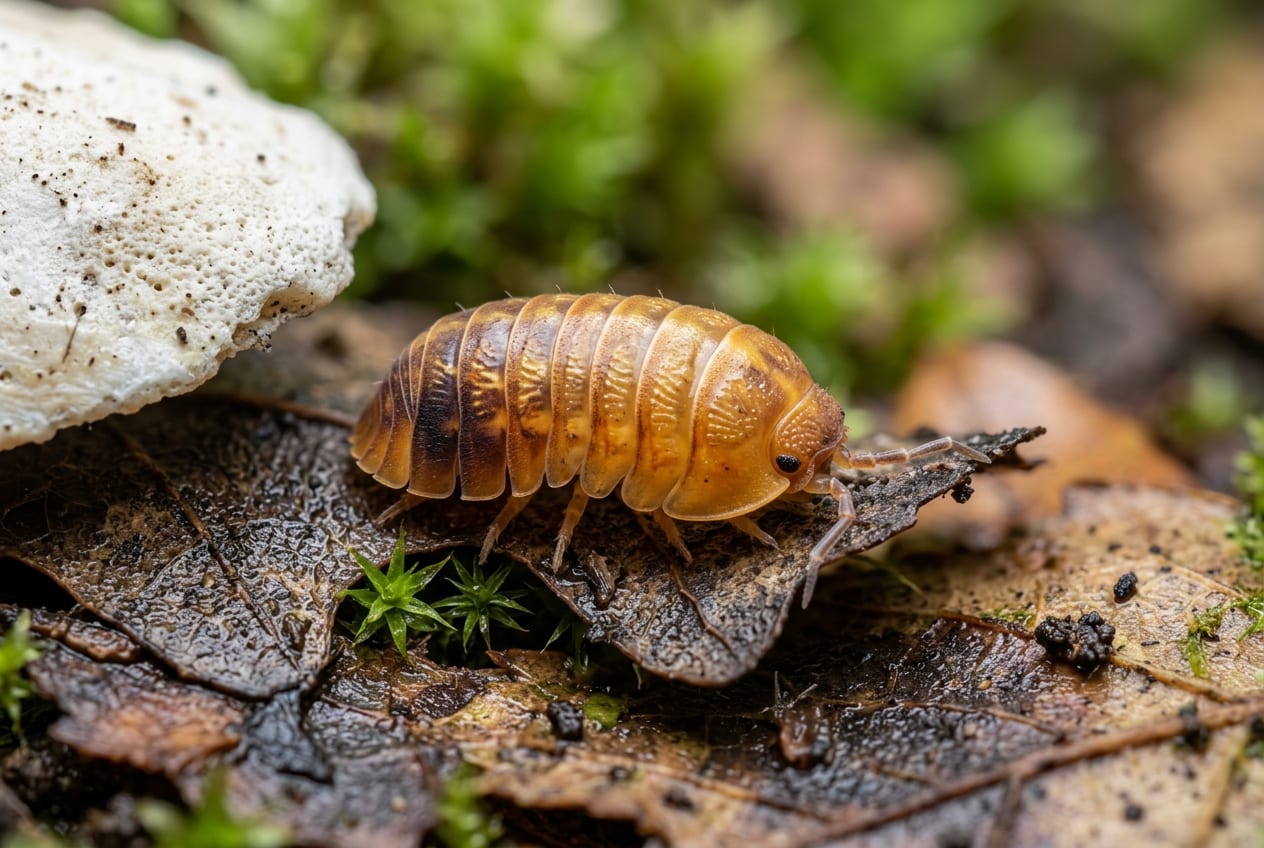
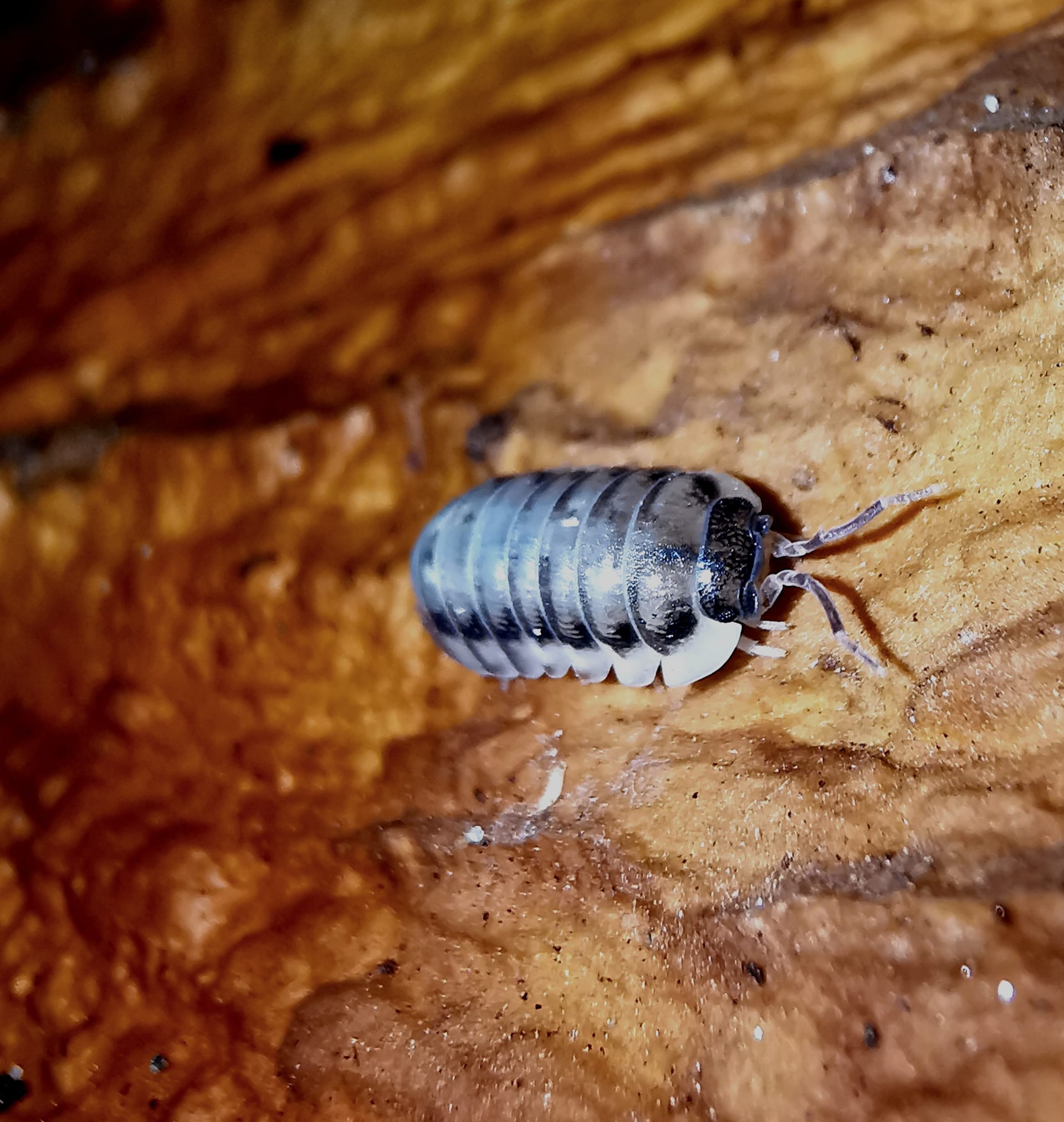
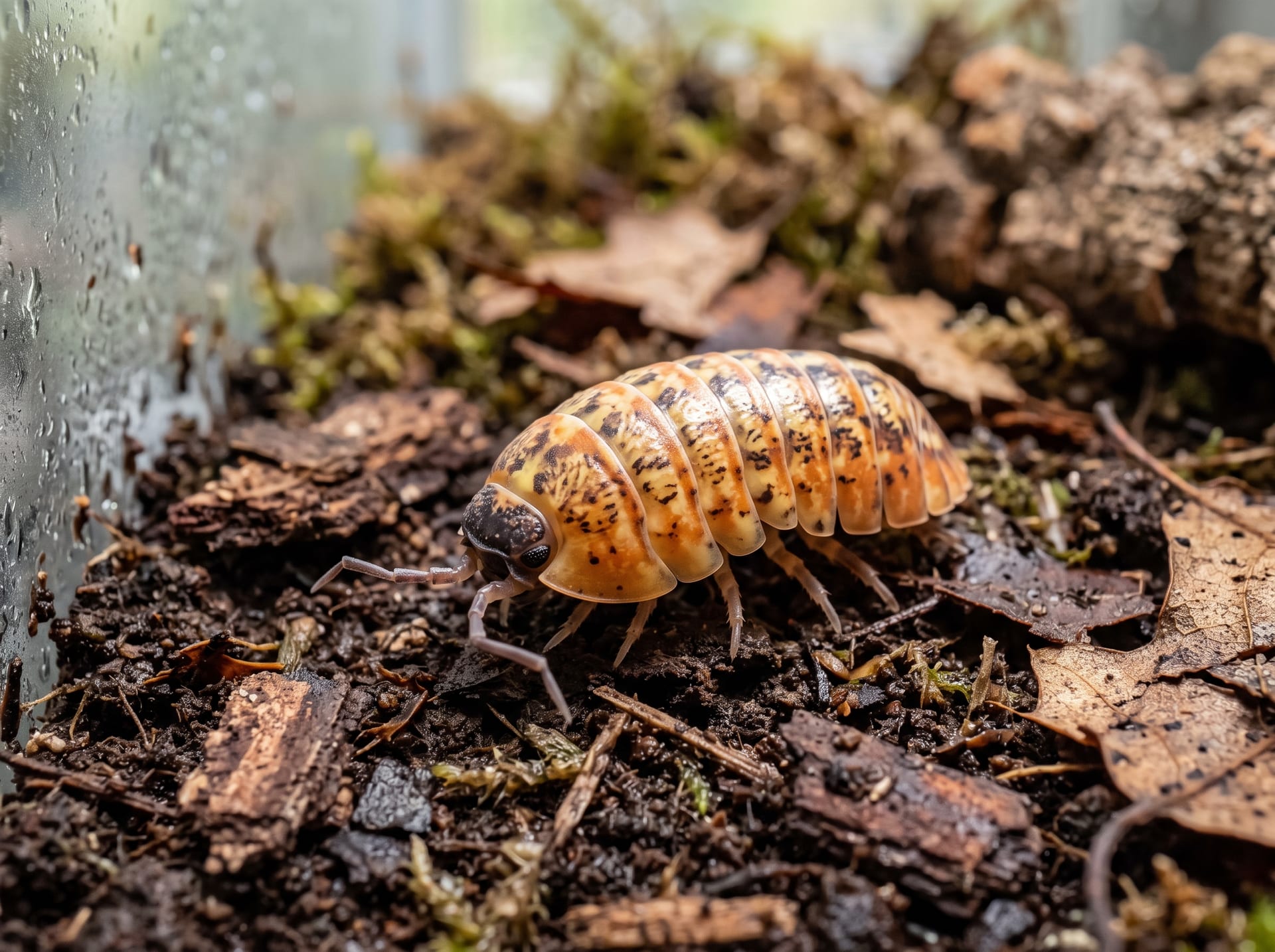
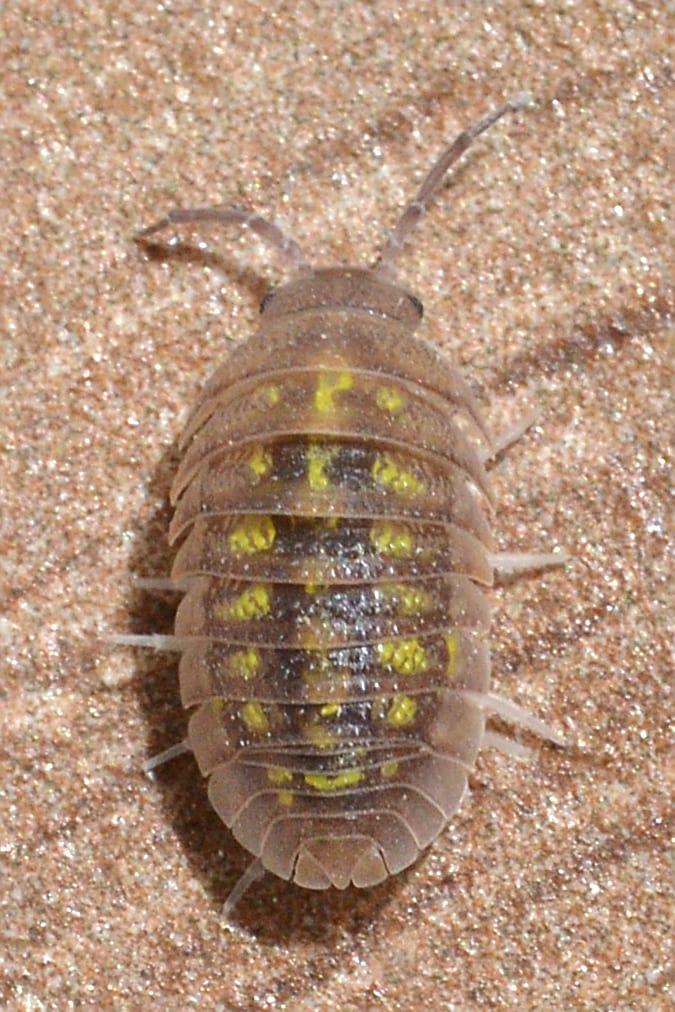
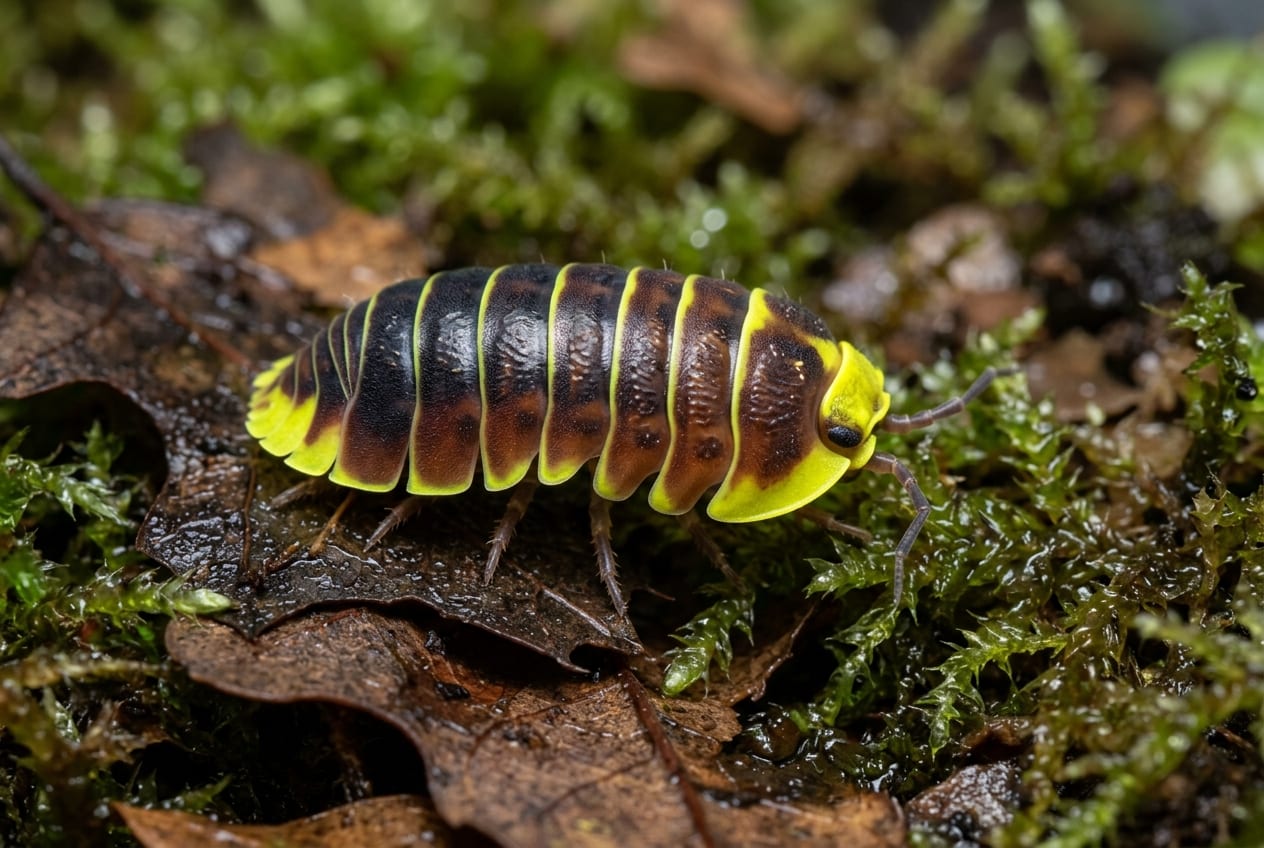
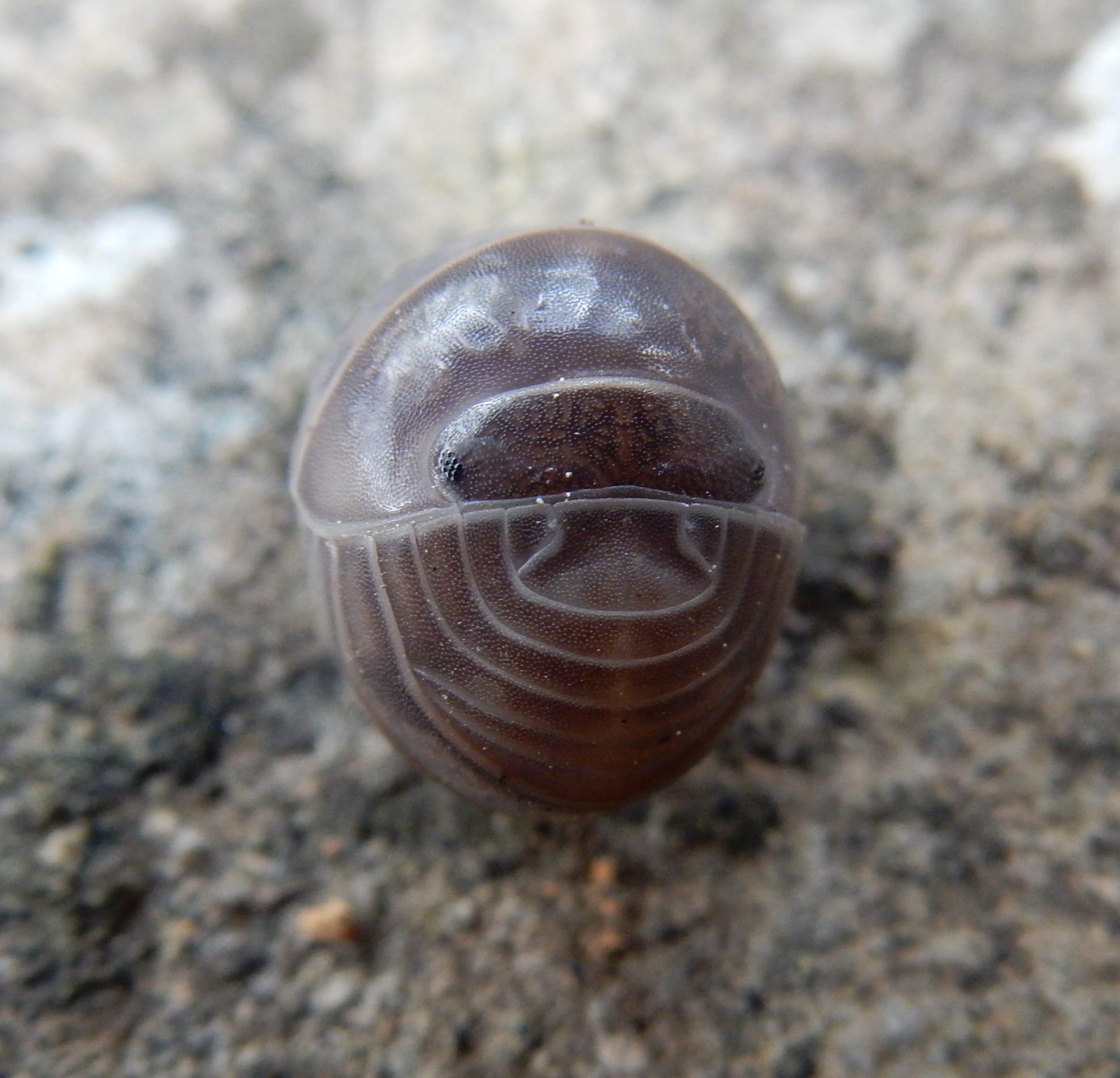
A pill isopod of the family Armadillidae from the Mediterranean coast. Matt blue-grey with white segment edges, it rolls into a perfect ball and is unusual in producing a stridulating sound. Hardy and easy to breed.
Difficulty
Beginner
Temperature
18〜24℃
Lifespan
2-3 years
Size
Up to about 20mm
Humidity
60〜75%
Diet
Leaf litter and rotten wood as staples, with vegetables, fruit, flowers, isopod food and calcium from cuttlebone or eggshell.
About
Armadillo officinalis, described by Duméril in 1816, belongs to the family Armadillidae rather than the Armadillidiidae of Armadillidium. It is widespread along Mediterranean coasts and is traded as Spanish, Greek and Israeli locality lines. Adults reach about 20mm; the matt blue-grey body has white-edged segments, and the Israeli form shows a row of orange spots. When threatened it rolls into a perfect ball, and it is known for stridulating; a 2018 study reported a sound-producing organ even in juveniles. Groups do well in containers of 5 litres or more and will not breed if space is too tight. Development from juvenile to adult takes 9-12 months; the species is nocturnal and often rests curled up on the substrate by day.
Source: Wikipedia (CC BY-SA 4.0)
Lifespan of the Mediterranean Pill Isopod
The Mediterranean Pill Isopod lives 2-3 years.
Size of the Mediterranean Pill Isopod
The Mediterranean Pill Isopod grows to Up to about 20mm.
Temperature & humidity for the Mediterranean Pill Isopod
The ideal temperature for the Mediterranean Pill Isopod is 18〜24℃. Ideal humidity is 60〜75%.
Care is easy at 18-24C and 60-75% humidity on a substrate of soil, leaves, rotten wood and lime kept moist but never waterlogged.
Basic Info
Origin
Mediterranean coasts (Spain, Greece, Israel and elsewhere)
Care Specifications
PeacefulGroupBreeding: Easy
Sources: Insektenliebe (size, temperature, humidity, care) / Exuvium Isopods (Israel line) / Montesanto 2018, ZooKeys 801 (stridulatory apparatus) / WoRMS
References & Sources
Edited & verified by: BreederDirect editorial team
The taxonomic, regulatory, and husbandry data on this page are compiled and verified against the authoritative primary sources below.
Taxonomy & Authority
Accepted name: Armadillo officinalis Duméril, 1816
Synonyms: Cubaris invenustus, Pentheus punctatus
Authority databases: GBIF
Nomenclature follows global taxonomic authority databases.
Regulations & Conservation Status
Not CITES-listed
Sources: CITES Appendices (species not listed)
Regulations may change. Always verify the latest information with the relevant authorities.
Mediterranean Pill Isopod Listings
Loading latest listingsFind listings for this species