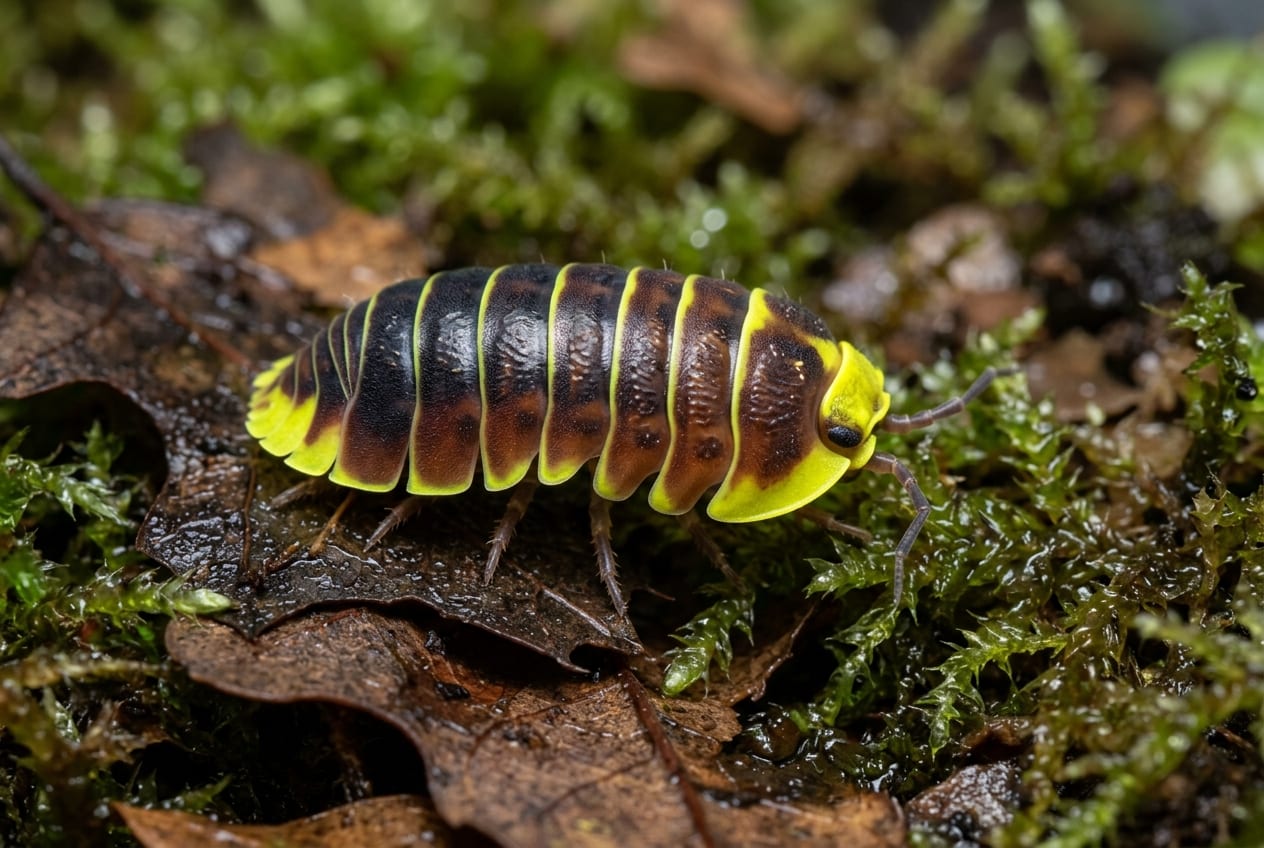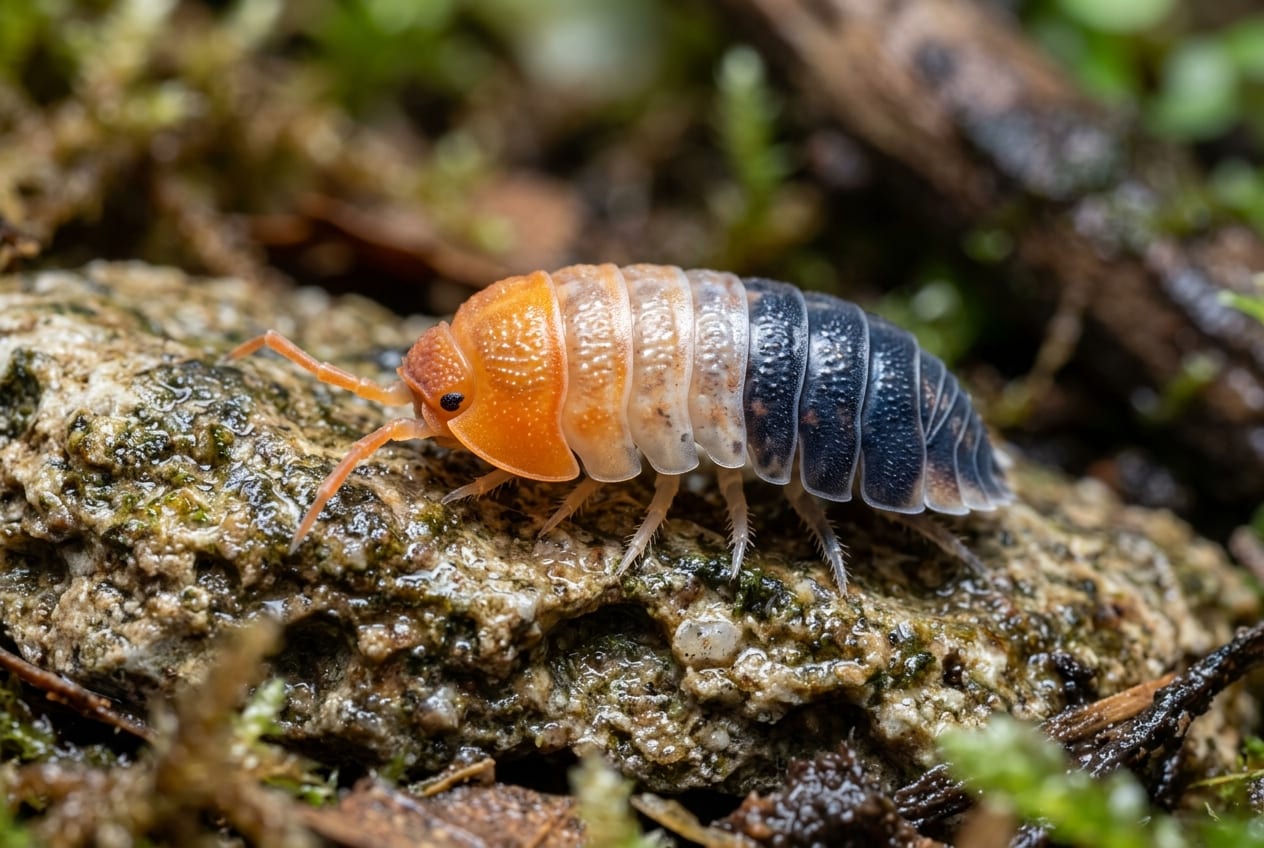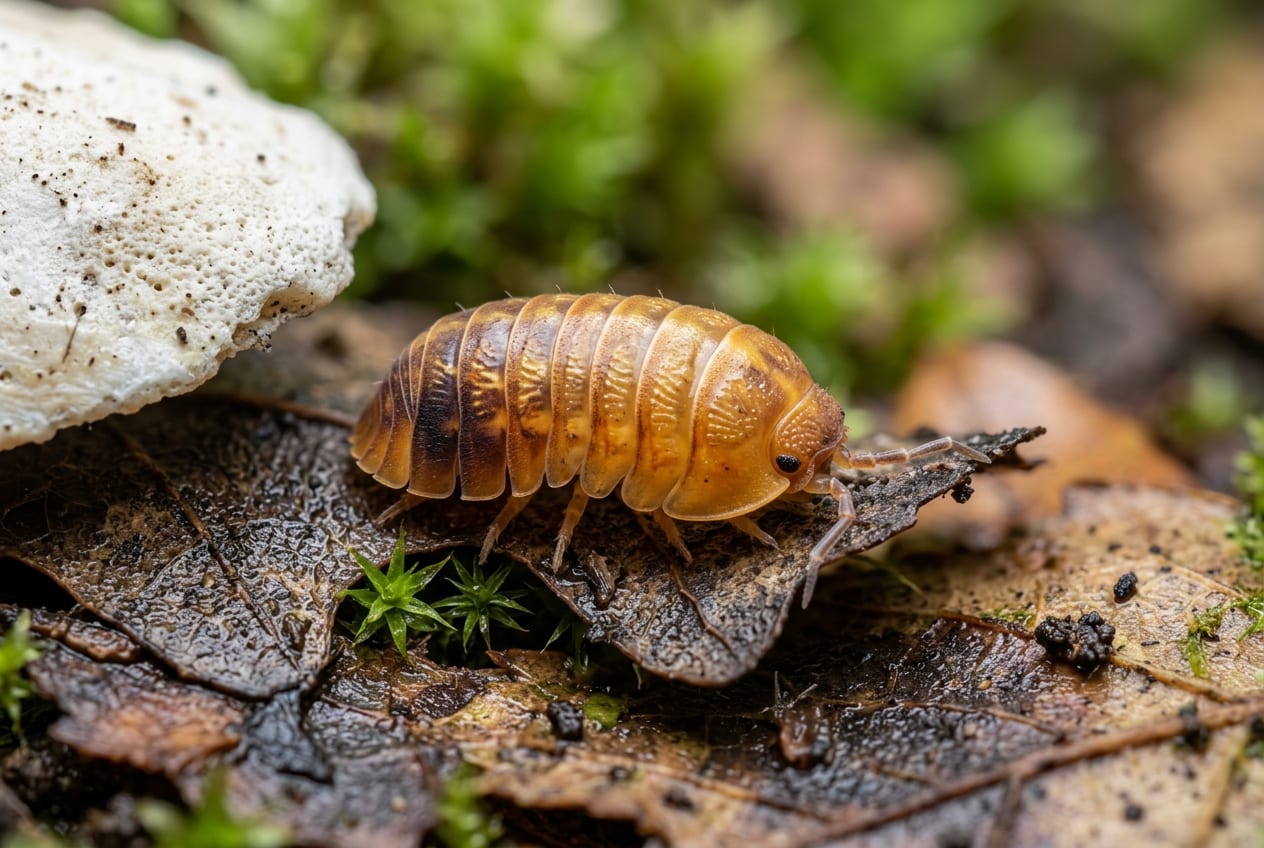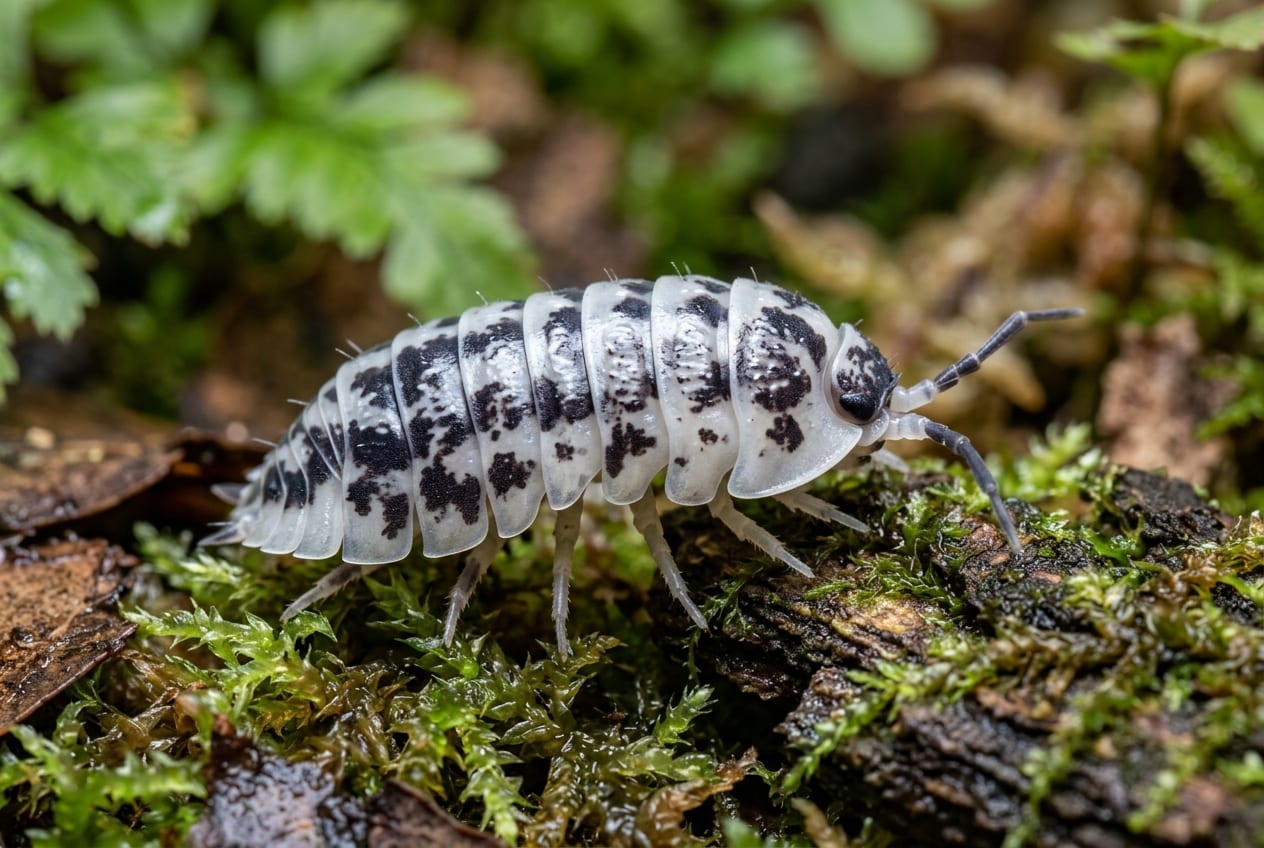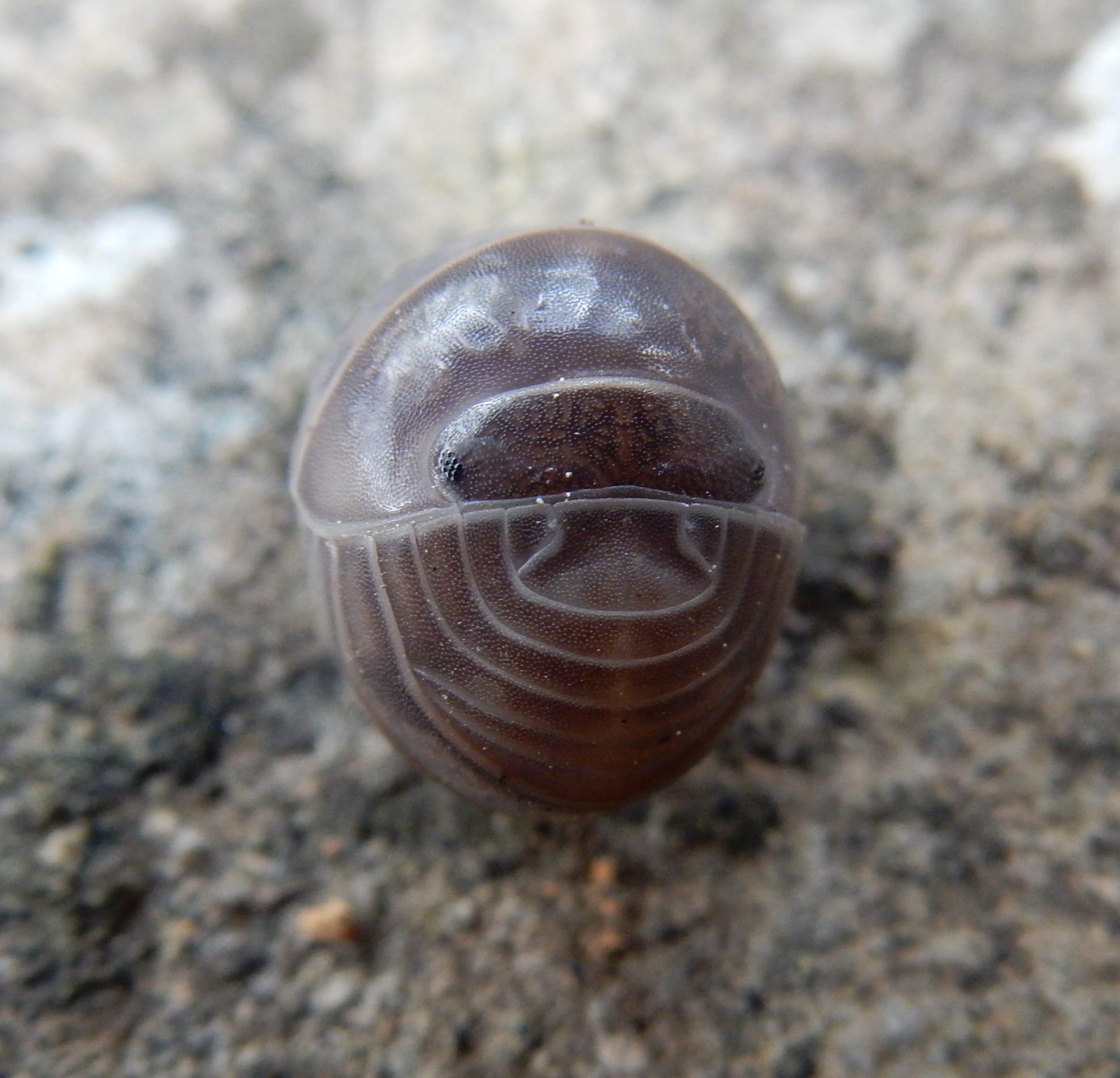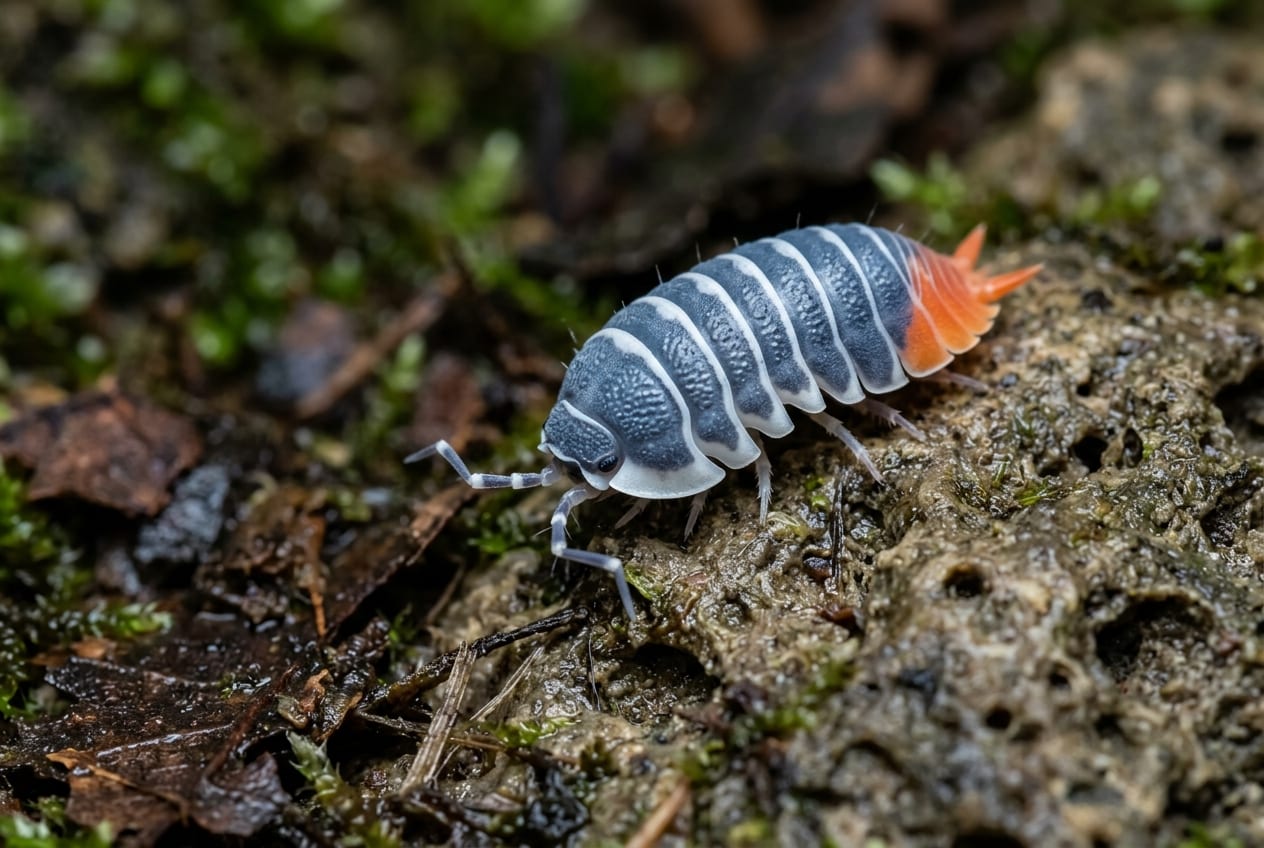
AI-generated image
Pak Chong Isopod
IntermediateCubaris sp. "Pak Chong"
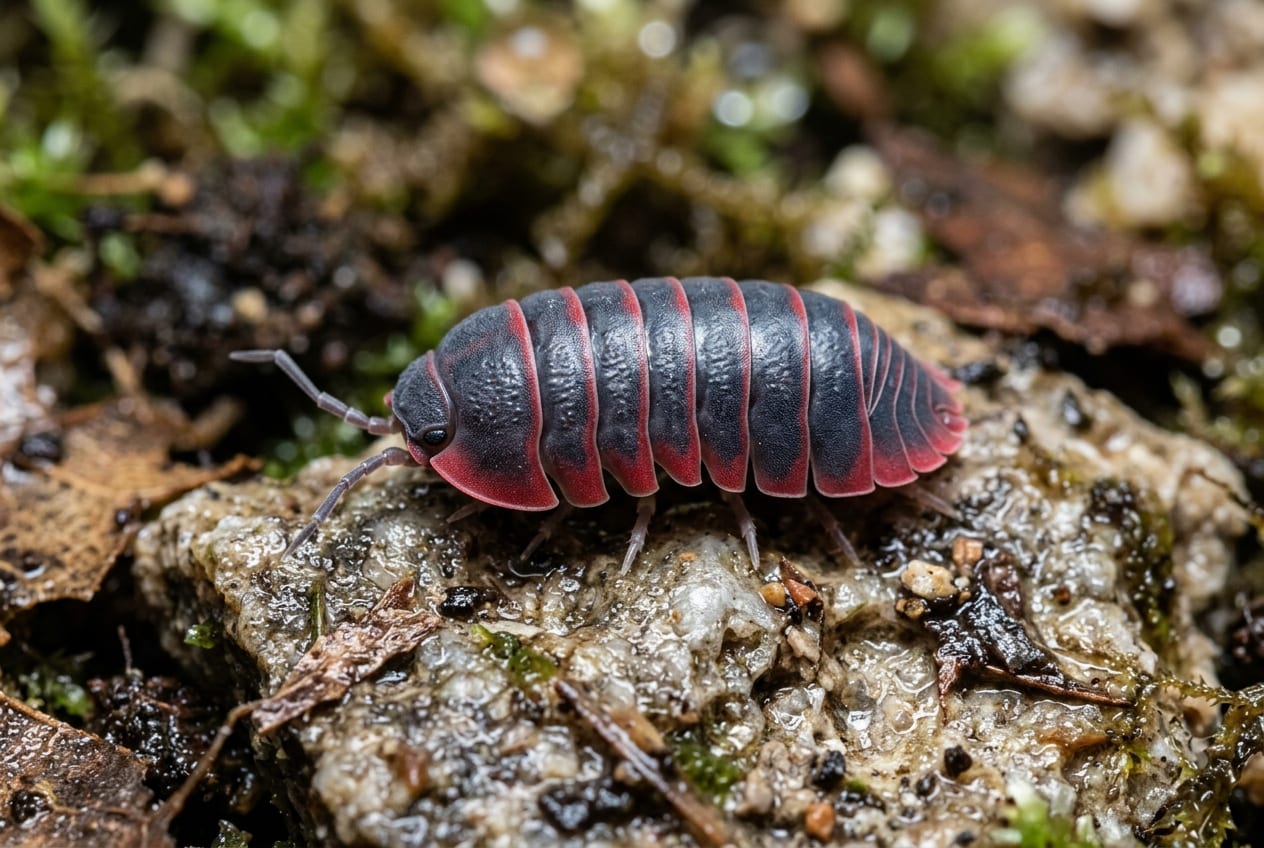
An undescribed pill isopod from the Pak Chong district of Thailand. A soft blue-grey body, crisp white trim on each segment and a warm orange-to-red rear make three clear zones, with the same colour sometimes flashing across the face.
Difficulty
Intermediate
Temperature
24〜26℃
Lifespan
2-3 years
Size
About 15mm
Humidity
75〜80%
Diet
Decaying leaves and wood as the staple, with occasional vegetable and a modest pinch of protein; cuttlebone or crushed limestone stays in permanently
About
Cubaris sp. 'Pak Chong' is an undescribed pill isopod collected from the limestone karst around Pak Chong in Nakhon Ratchasima Province, northeastern Thailand. The central body runs a soft blue-grey, each segment is trimmed with a crisp white frill, and the rear glows a warm orange to red, with the occasional flash of the same colour across the face. The three clear zones are often likened to the markings of a Bernese mountain dog. Adults are about 15mm and conglobate at the first sign of disturbance. Colour intensity varies between animals, which gives keepers something to select for over generations. The seller treats this line as the same species as the Rubber Ducky and as the parent stock behind the Cherry Blossom morph. Use a deep living substrate of flake soil blended with rotted hardwood and a little topsoil, keep calcium permanently available, and layer the top with leaf litter and cork bark. Breeding is slow but dependable, with small broods a couple of months after conditions settle.
Source: Wikipedia (CC BY-SA 4.0)
Lifespan of the Pak Chong Isopod
The Pak Chong Isopod lives 2-3 years.
Size of the Pak Chong Isopod
The Pak Chong Isopod grows to About 15mm.
Temperature & humidity for the Pak Chong Isopod
The ideal temperature for the Pak Chong Isopod is 24〜26℃. Ideal humidity is 75〜80%.
Keep it at 24-26C and 75-80% humidity with low to moderate ventilation, less than a Mediterranean species needs but never a sealed box.
Basic Info
Origin
Care Specifications
PeacefulGroupBreeding: Moderate
Sources: PostPods Pak Chong Isopods (locality, size, temperature, relation to Rubber Ducky) / Insektenliebe Cubaris spec. 'Pak Chong' (temperature, humidity, substrate)
References & Sources
Edited & verified by: BreederDirect editorial team
The taxonomic, regulatory, and husbandry data on this page are compiled and verified against the authoritative primary sources below.
Regulations & Conservation Status
Not CITES-listed
Sources: CITES Appendices (species not listed)
Regulations may change. Always verify the latest information with the relevant authorities.
Pak Chong Isopod Listings
Loading latest listingsFind listings for this species