AI-generated image
Red Edge Isopod
IntermediateCubaris sp. "Red Edge"
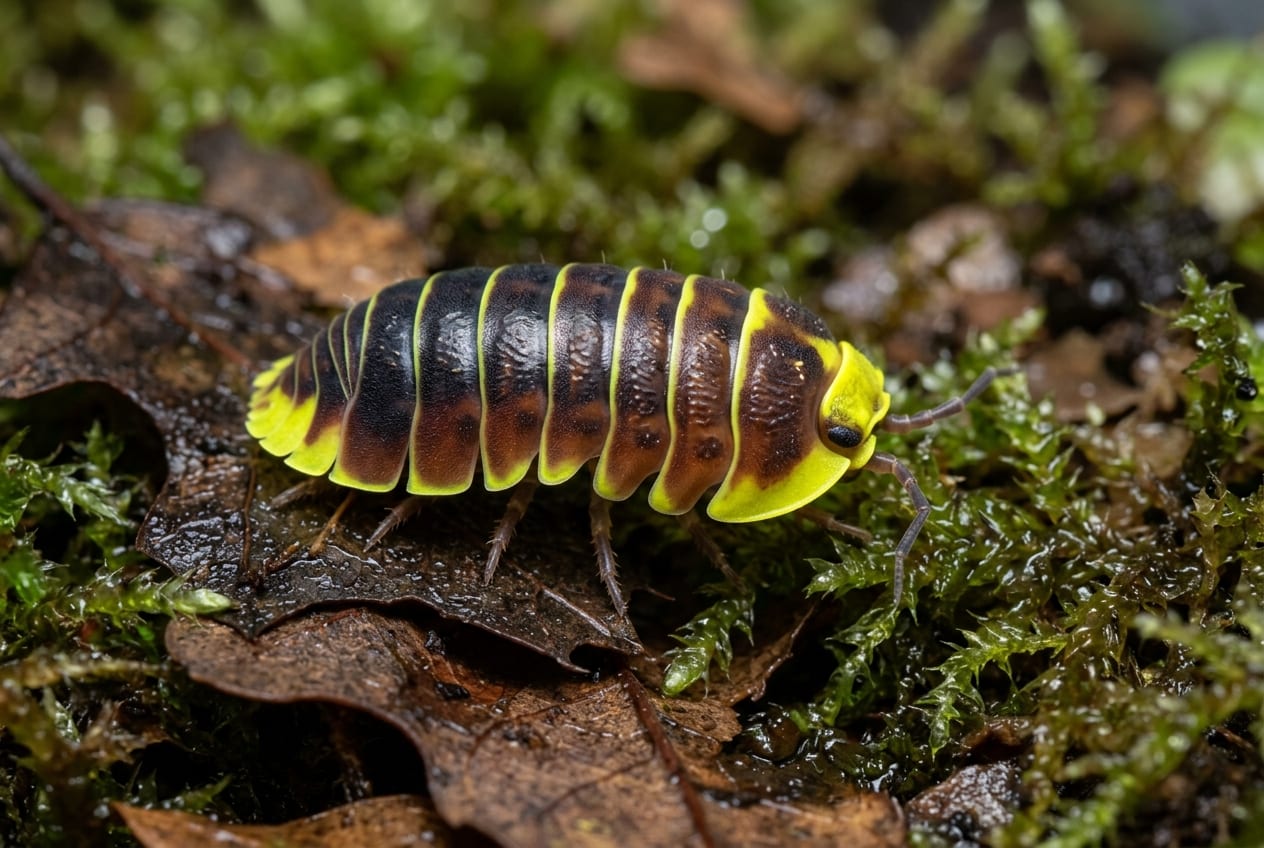
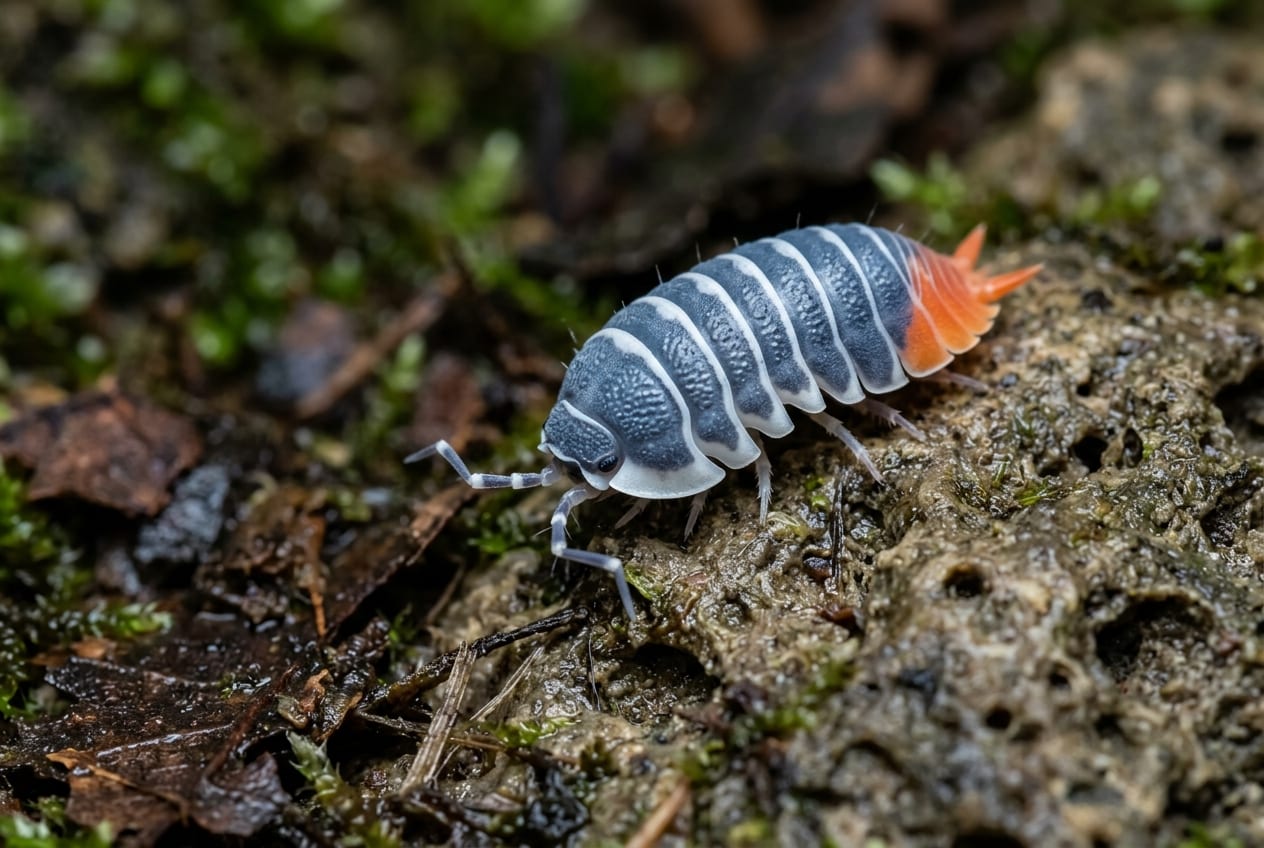
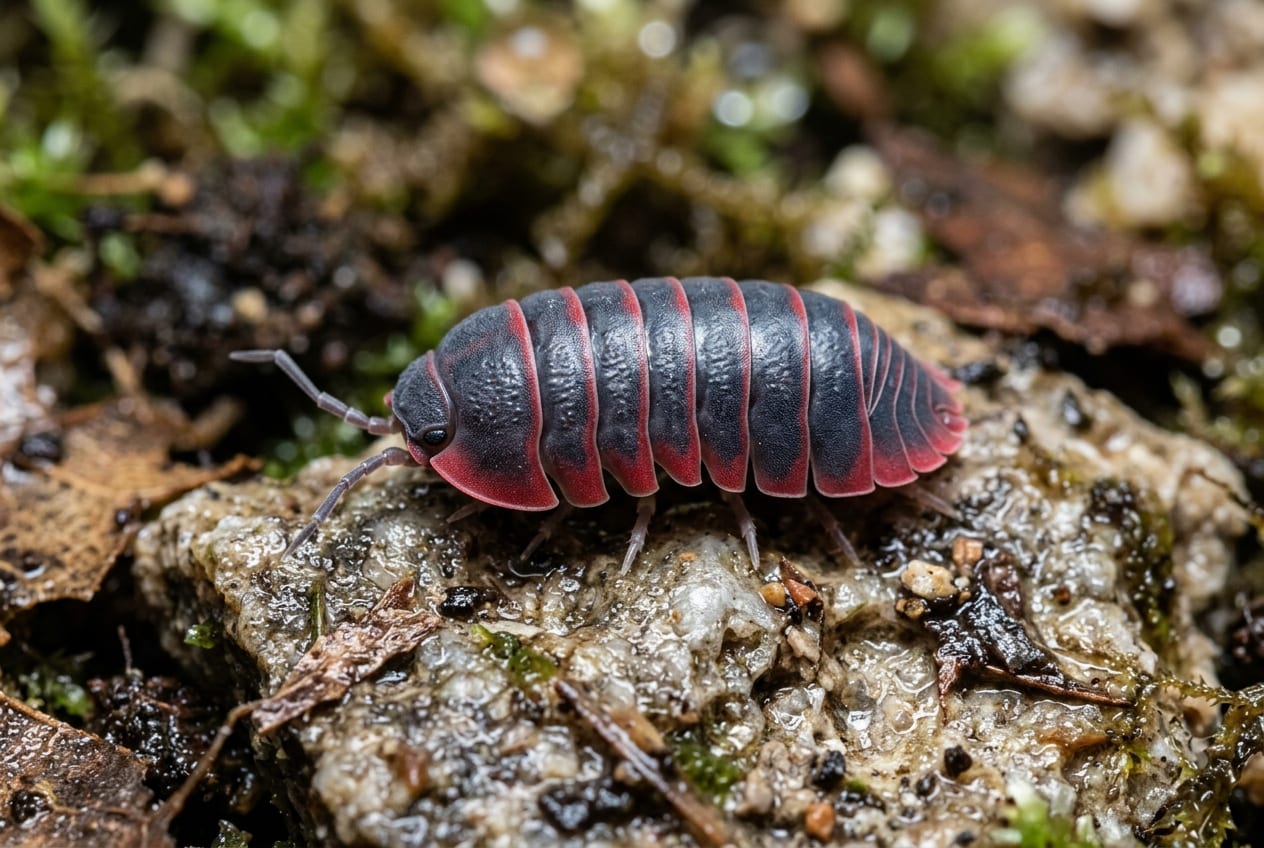
An undescribed pill isopod from the limestone caves of Thailand. Every segment of the dark blue-grey to near-black body is framed in bright red from head to tail. Bold for a cave Cubaris and comparatively easy to keep.
Difficulty
Intermediate
Temperature
22〜26℃
Lifespan
2-3 years
Humidity
75〜85%
Diet
Leaf litter and rotten wood as the base, with small amounts of vegetable and protein, plus permanent crushed limestone or cuttlebone
About
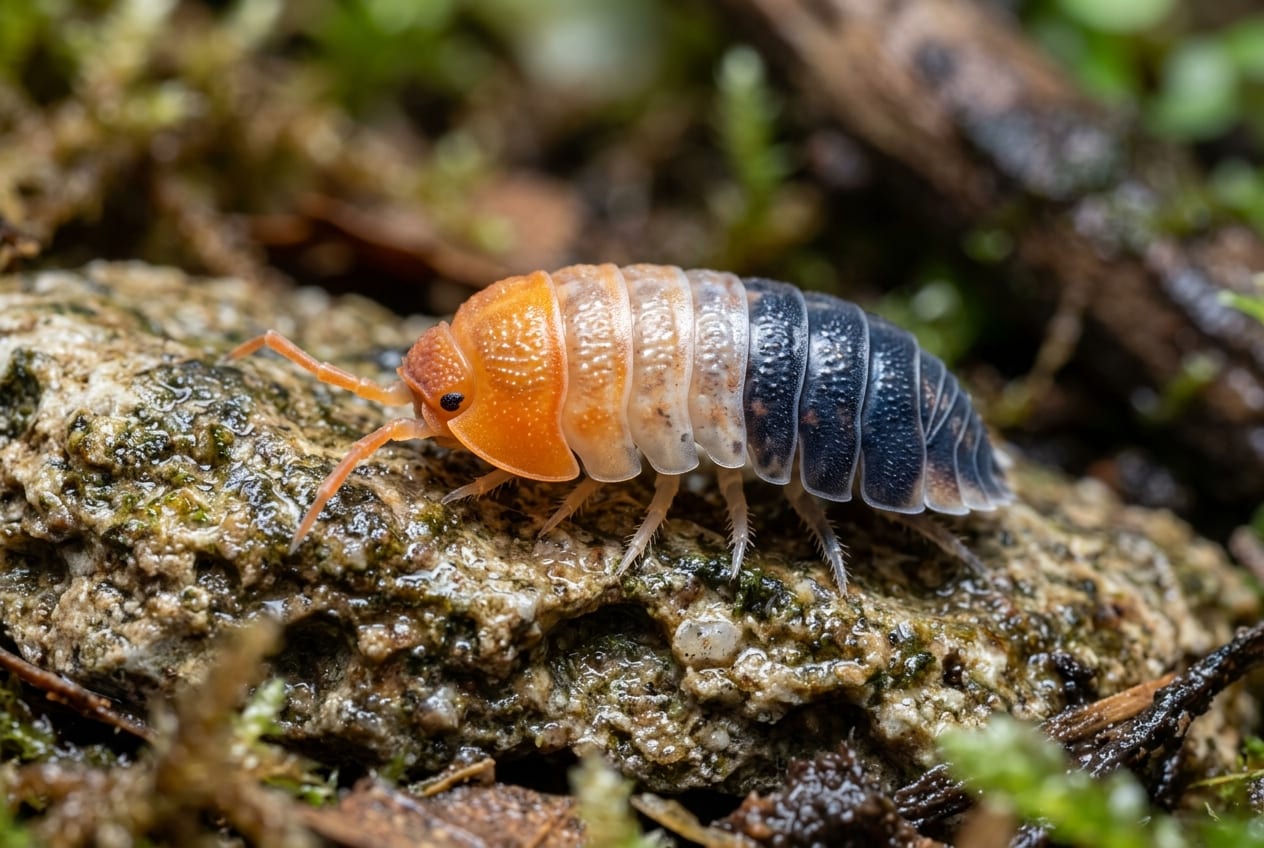
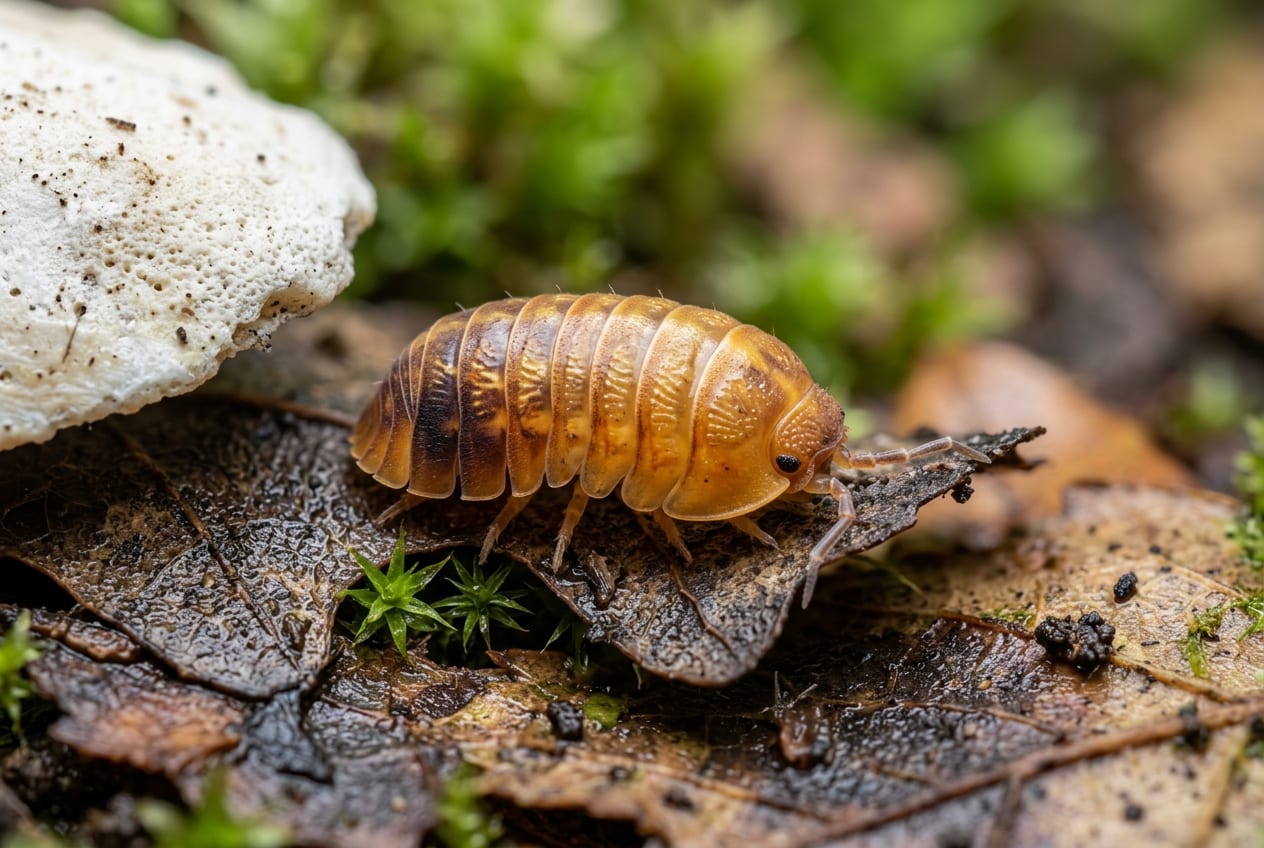
Cubaris sp. 'Red Edge' is an undescribed pill isopod from the limestone cave systems of Thailand and one of the most enduringly popular lines in the hobby. The body runs dark blue-grey to near-black and every segment is framed by a band of bright red that traces the whole outline from head to tail. That is bold enough to read from across a room, which is unusual among cave Cubaris, most of which lean muted. The warmer Red Edge Orange and the pale Red Edge Blonde were both drawn from this stock. Give a deep living substrate of flake soil blended with rotted hardwood and a little topsoil, and keep a plain coco coir base out of the mix since it feeds them nothing. Cross-ventilation matters as much as moisture, so keep air moving without drying the tub out. Leave calcium within reach at all times and lay down leaf litter with cork bark or limestone for cover. Breeding is steady rather than explosive, with small broods arriving dependably in a mature, undisturbed enclosure.
Source: Wikipedia (CC BY-SA 4.0)
Lifespan of the Red Edge Isopod
The Red Edge Isopod lives 2-3 years.
Temperature & humidity for the Red Edge Isopod
The ideal temperature for the Red Edge Isopod is 22〜26℃. Ideal humidity is 75〜85%.
Care follows the familiar Thai cave template: 22-26C and around 75-85% humidity, with one damp end and one drier end so the colony can choose.
Basic Info
Origin
Thailand (limestone cave systems)
Lifespan
2-3 years
Care Specifications
PeacefulGroupBreeding: Moderate
Sources: PostPods Red Edge Isopods (temperature, humidity, substrate, breeding) / Insektenliebe Cubaris spec. 'Red Edge' (temperature, substrate)
References & Sources
Edited & verified by: BreederDirect editorial team
The taxonomic, regulatory, and husbandry data on this page are compiled and verified against the authoritative primary sources below.
Regulations & Conservation Status
Not CITES-listed
Sources: CITES Appendices (species not listed)
Regulations may change. Always verify the latest information with the relevant authorities.
Red Edge Isopod Listings
Loading latest listingsFind listings for this species