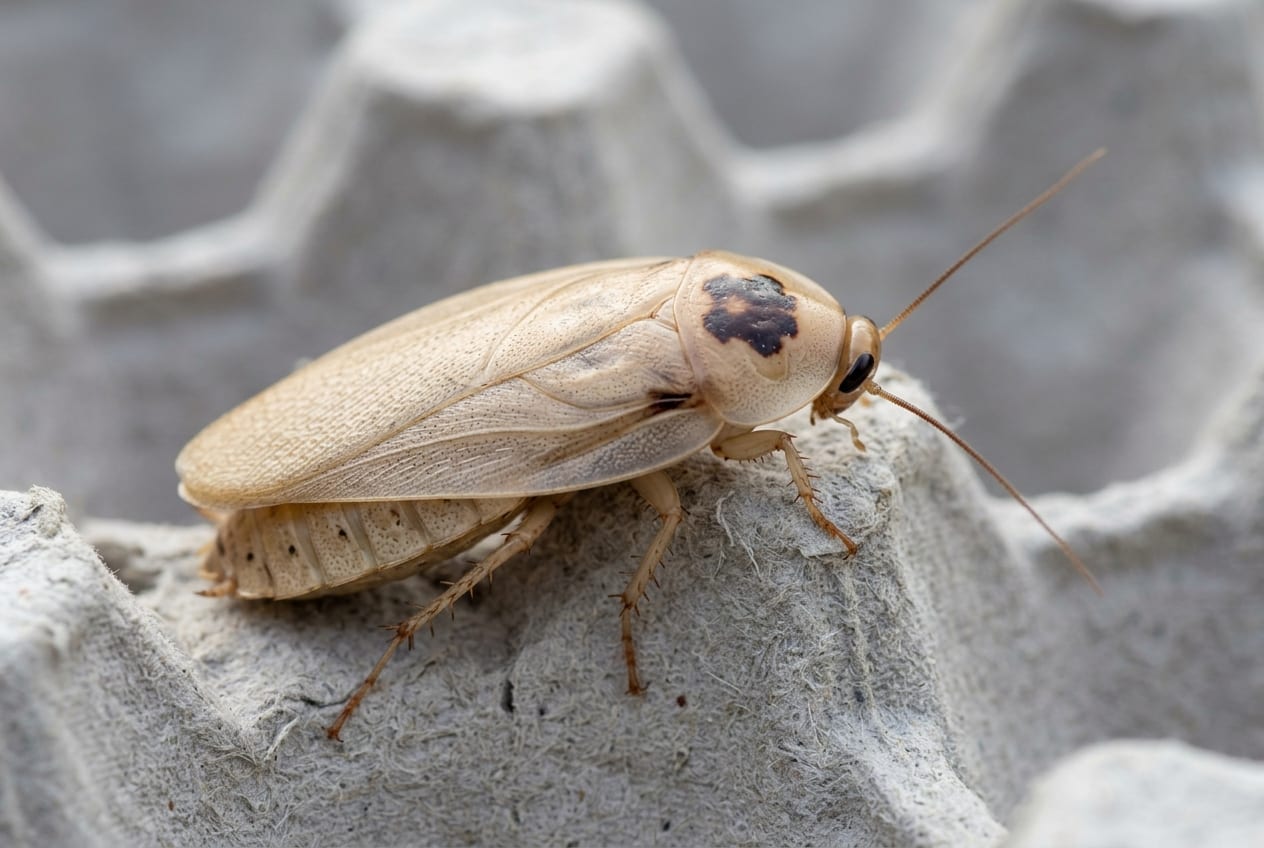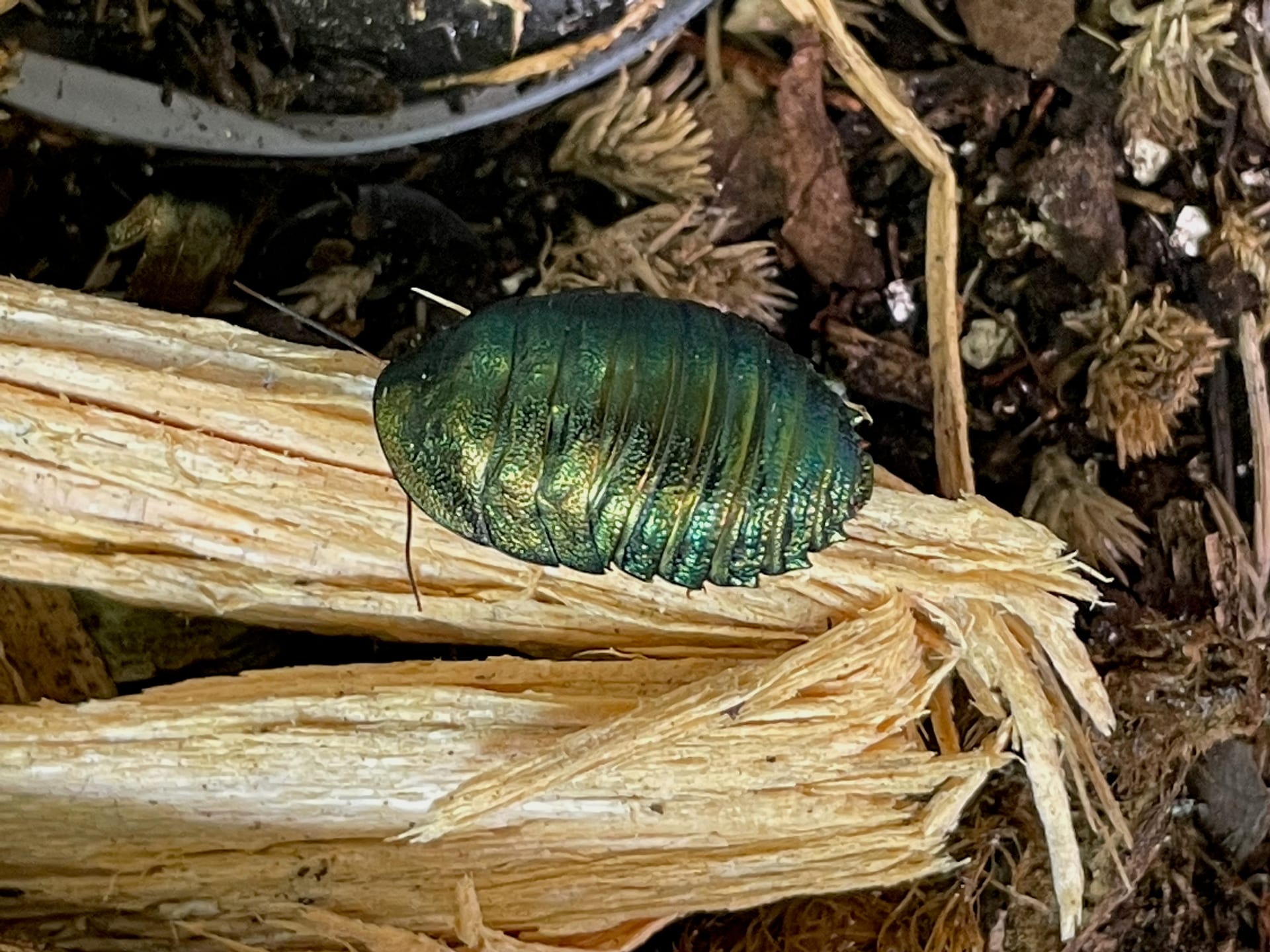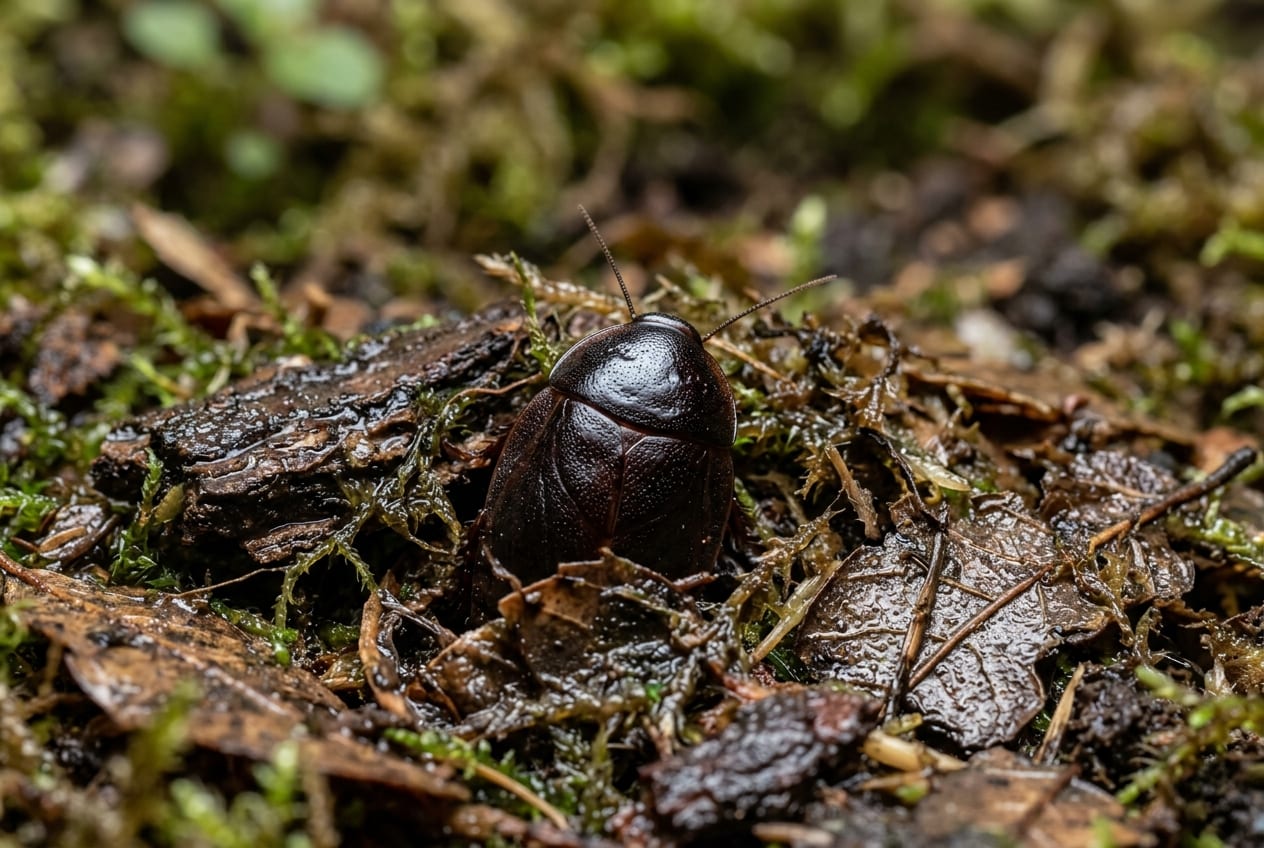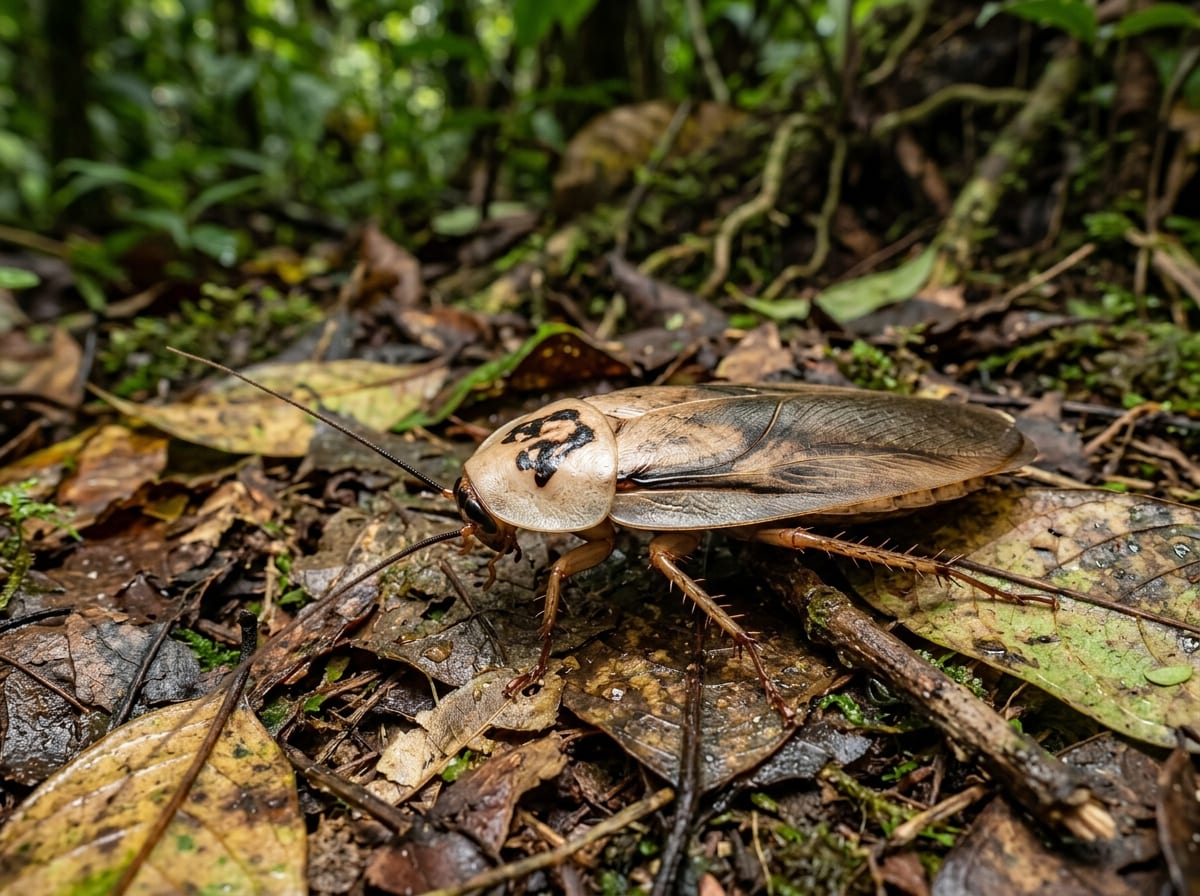
AI-generated image
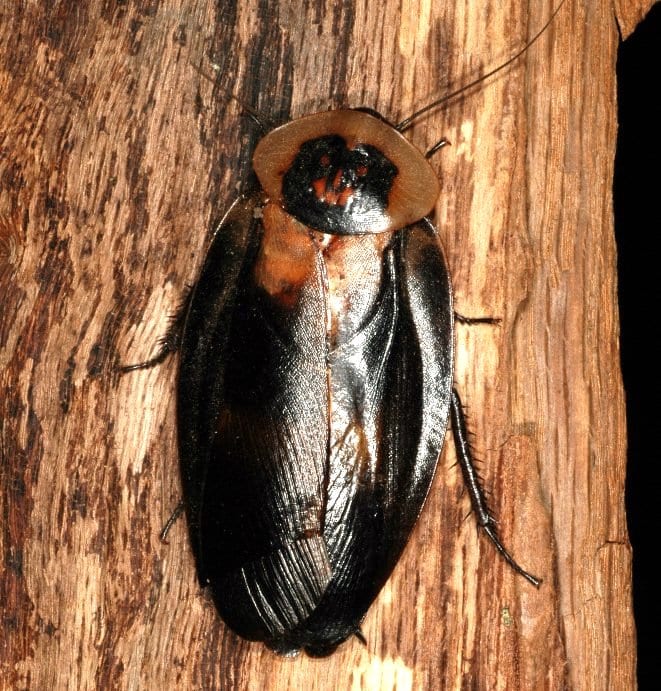
Atropos roach
BeginnerBlaberus atropos
A large Blaberus cockroach from the Neotropics. Like its relatives such as the death's head roach, it keeps the ootheca inside its abdomen until the nymphs hatch.
Difficulty
Beginner
Lifespan
Little data
Size
Little data (a large Blaberus)
Diet
Omnivorous (vegetables, fruit, prepared insect food, leaf litter)
About
Blaberus atropos (Stoll, 1813) is a cockroach of the family Blaberidae described in 1813. The Catalogue of Life gives records from Guyana and Trinidad and Tobago, and GBIF also holds observations from Brazil, Colombia and elsewhere in Central and South America. Blaberus is a Neotropical genus of large cockroaches with more than 30 valid species, several of which, such as B. discoidalis, are widely kept by hobbyists for display or as feeders. Members of the genus keep the ootheca inside the abdomen rather than dropping it, and give birth to live nymphs. Little has been published on the size or life history of this species in particular, and it resembles B. craniifer, B. discoidalis and B. giganteus, so check the scientific name and origin when buying. In Japan it is occasionally sold by specialist shops alongside other members of the genus.
Source: Wikipedia (CC BY-SA 4.0)
Temperature & humidity for the Atropos roach
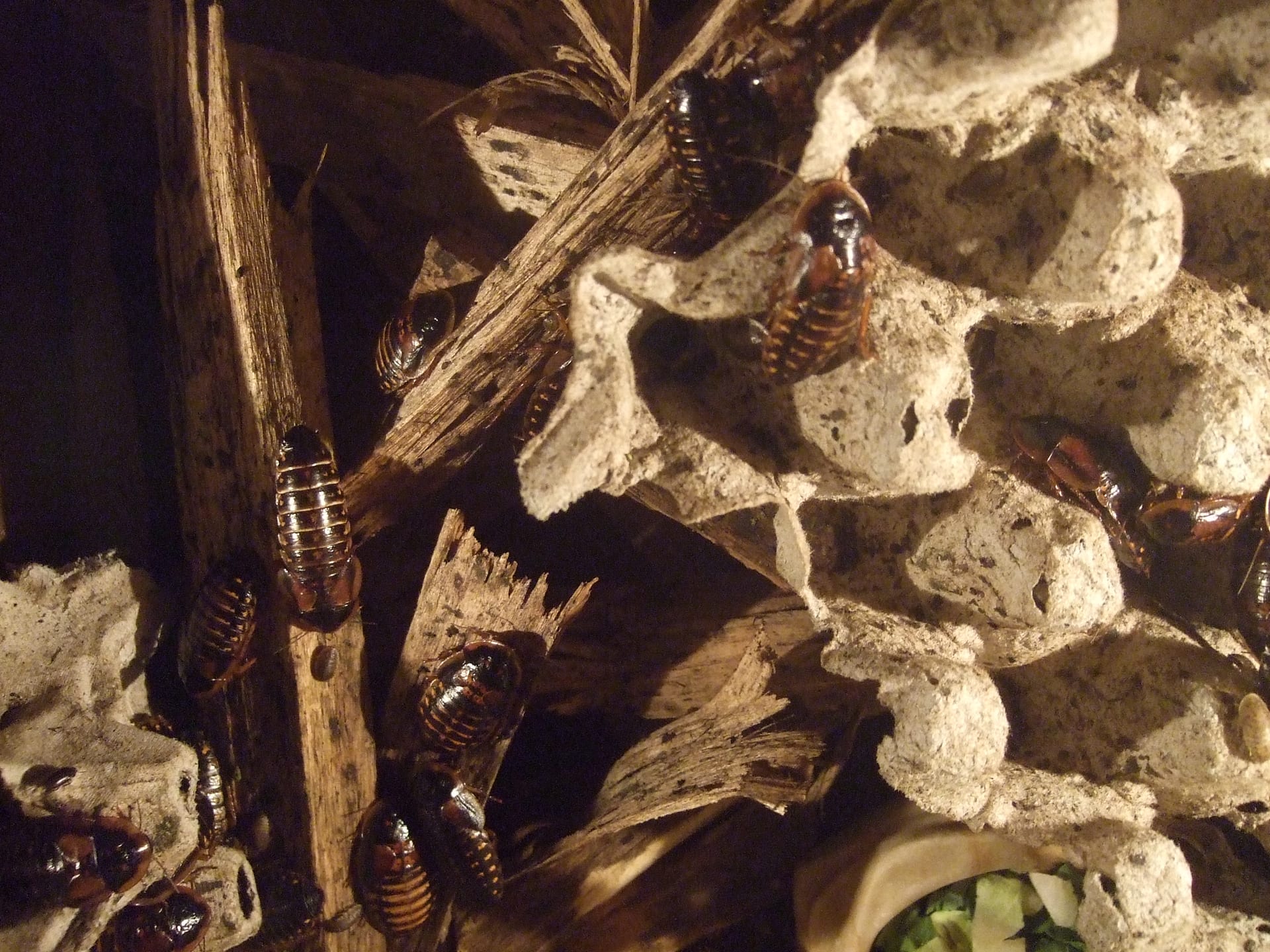
Captive breeding in the genus is said to need relative humidity of 60% or more and temperatures above 25 C, with 28-30 C best.
Basic Info
Origin
Central and South America (Guyana, Trinidad and Tobago and elsewhere)
Lifespan
Little data
Size
Little data (a large Blaberus)
Diet
Omnivorous (vegetables, fruit, prepared insect food, leaf litter)
Care Guide
References & Sources
Edited & verified by: BreederDirect editorial team
The taxonomic, regulatory, and husbandry data on this page are compiled and verified against the authoritative primary sources below.
Taxonomy & Authority
Regulations & Conservation Status
Not CITES-listed
It is not a designated invasive species, an uncategorised alien species or a taxon needing an identification certificate in Japan, and it is not listed by CITES (September 2026). It is a non-native cockroach, so never release captive animals.
Sources: Ministry of the Environment: List of regulated alien species, including taxa needing an identification certificate (JA) / Species+ CITES query (not listed)
Regulations may change. Always verify the latest information with the relevant authorities.
Atropos roach Listings
Loading latest listingsFind listings for this species