Coral Encyclopedia — 74 Species Directory
Encyclopedia of popular coral species with care requirements, traits, and difficulty levels.
Showing 18 of 74 species
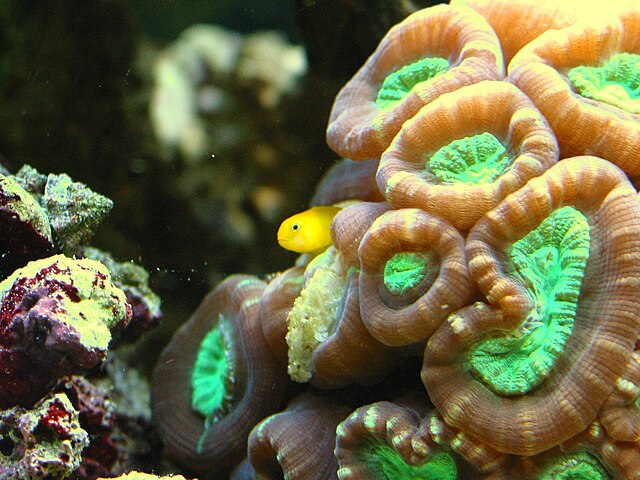 © Sean McGrath / CC BY 2.0
Candy Cane Coral
Caulastrea furcata
LPS with round head-shaped polyps resembling candy canes. Hardy, easy to keep, and colorful. Ideal for LPS beginners.
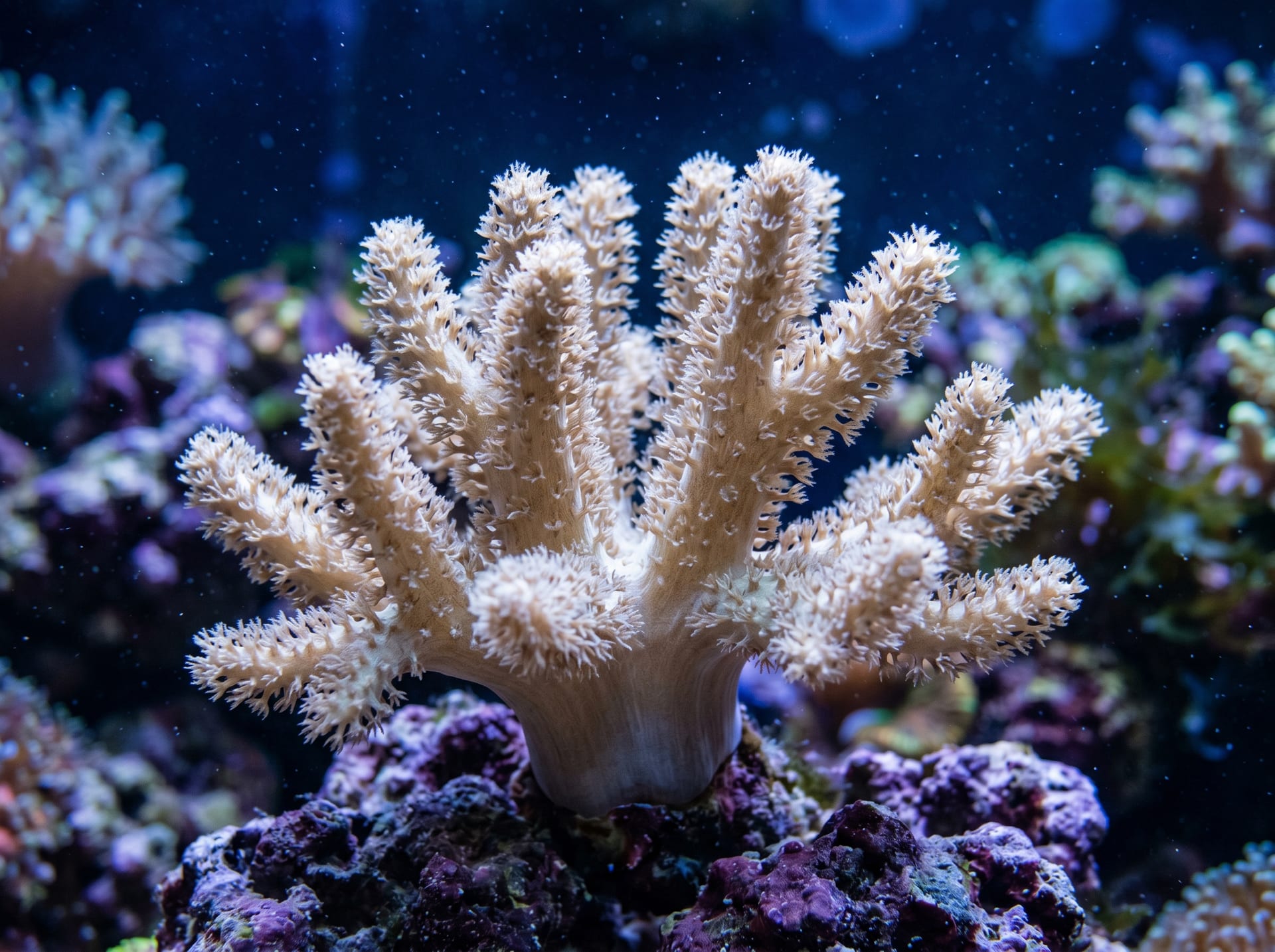
Cladiella (Colt Coral)
Cladiella sp.
Soft coral with soft finger-like branches. Also called Colt Coral. Very hardy and fast-growing. White and cream common. Safe choice for beginners.
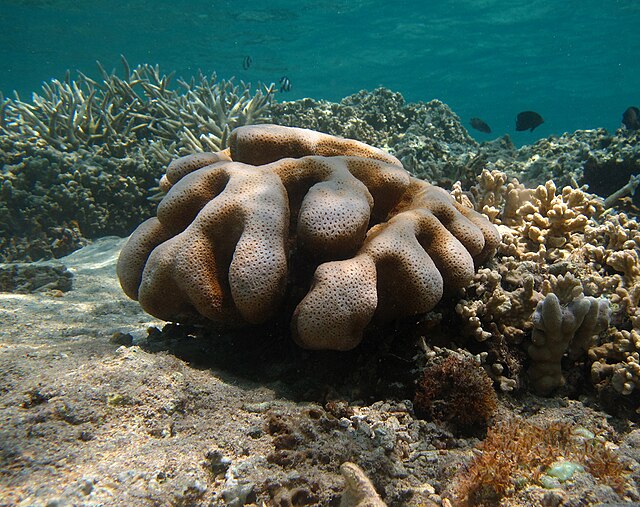 © Dr. Dwayne Meadows, NOAA/NMFS/OPR / Public domain
Cyphastrea
A hardy SPS coral with densely packed small polyps. Grows in low light, recommended for beginners.
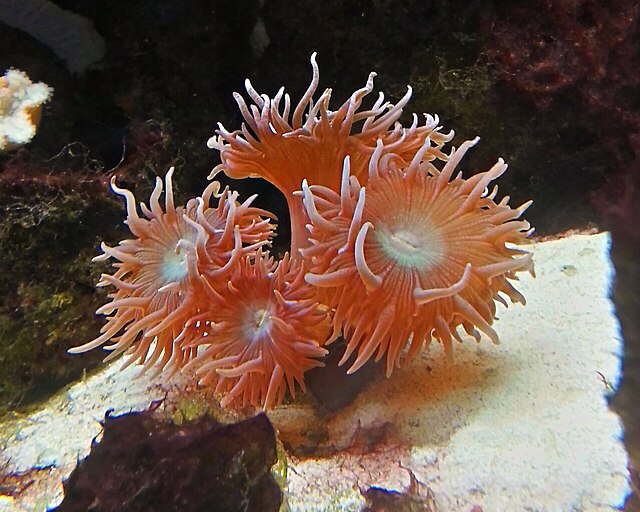 © Kazvorpal / CC BY-SA 3.0
Duncan Coral
Duncanopsammia axifuga
LPS coral with round flower-like polyps. Responds well to feeding — fun to watch eat. Relatively hardy and growing in popularity.
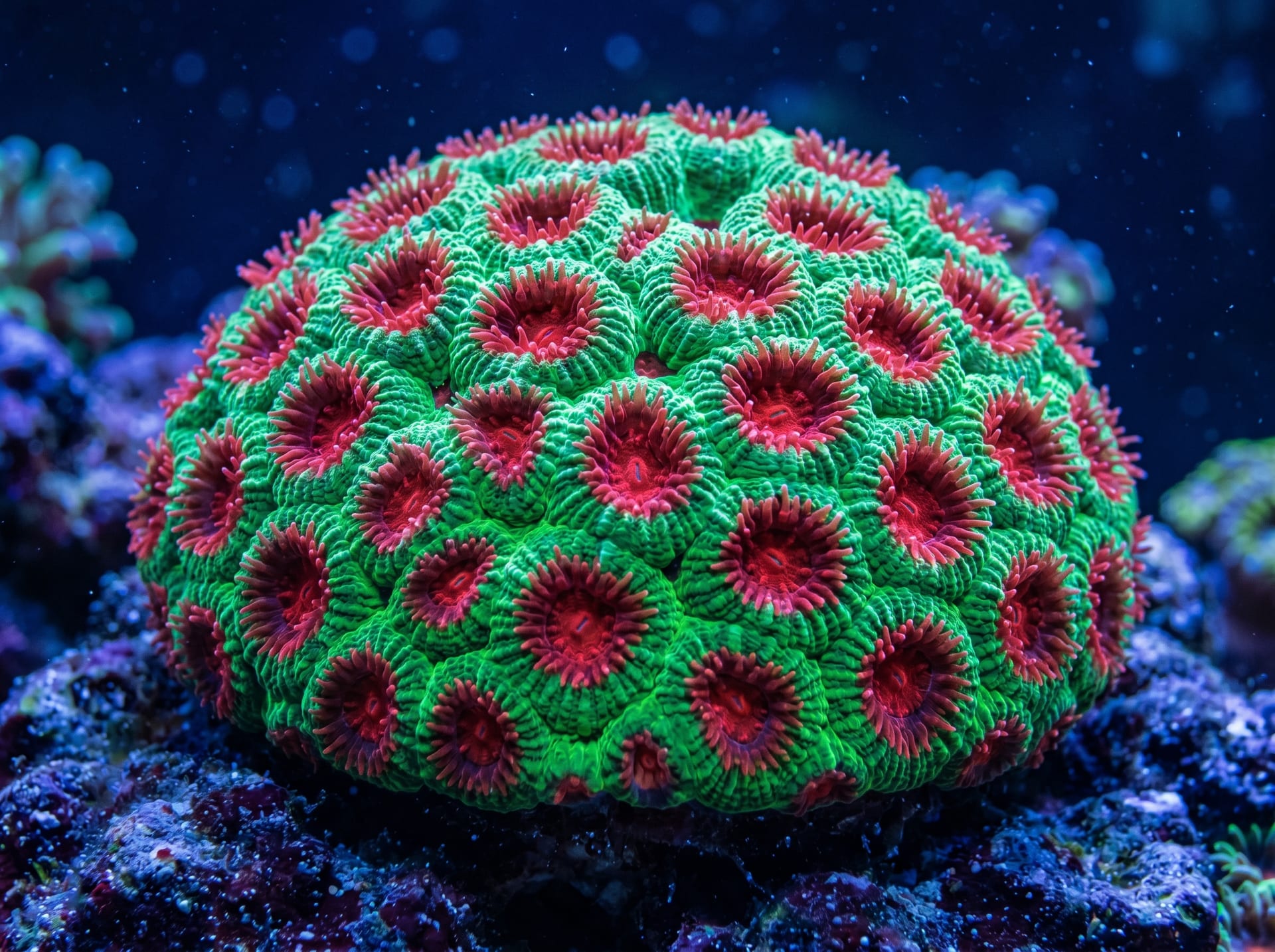
Favia Coral
Favia sp.
Massive LPS coral with round corallites on surface. Similar to Favites but corallites are clearly separated. Hardy and colorful.
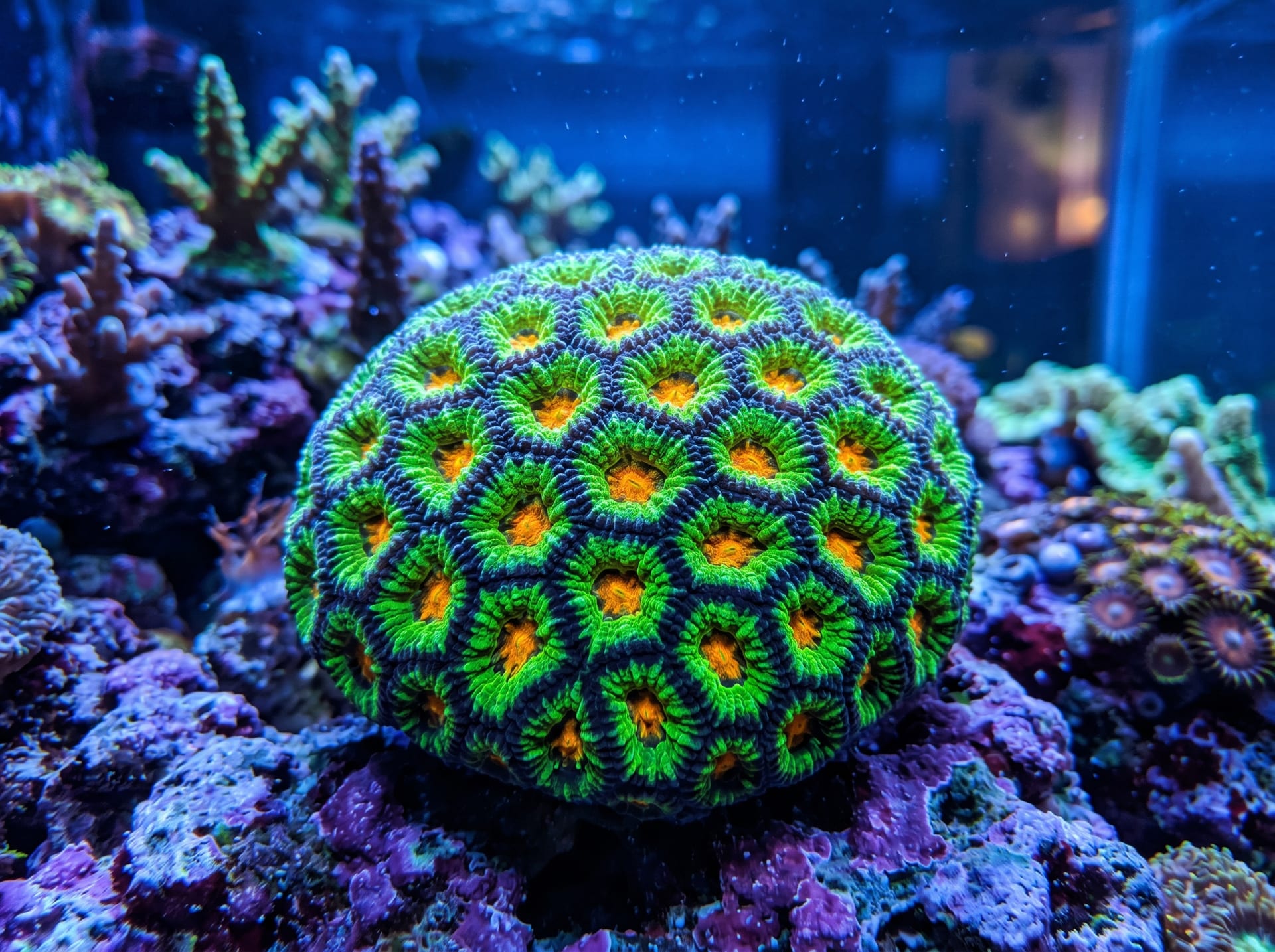
Favites Coral
Favites sp.
LPS coral with densely packed hexagonal corallites. Also called Favites. Various color patterns exist, related to 'War Coral.' Hardy and easy to keep.
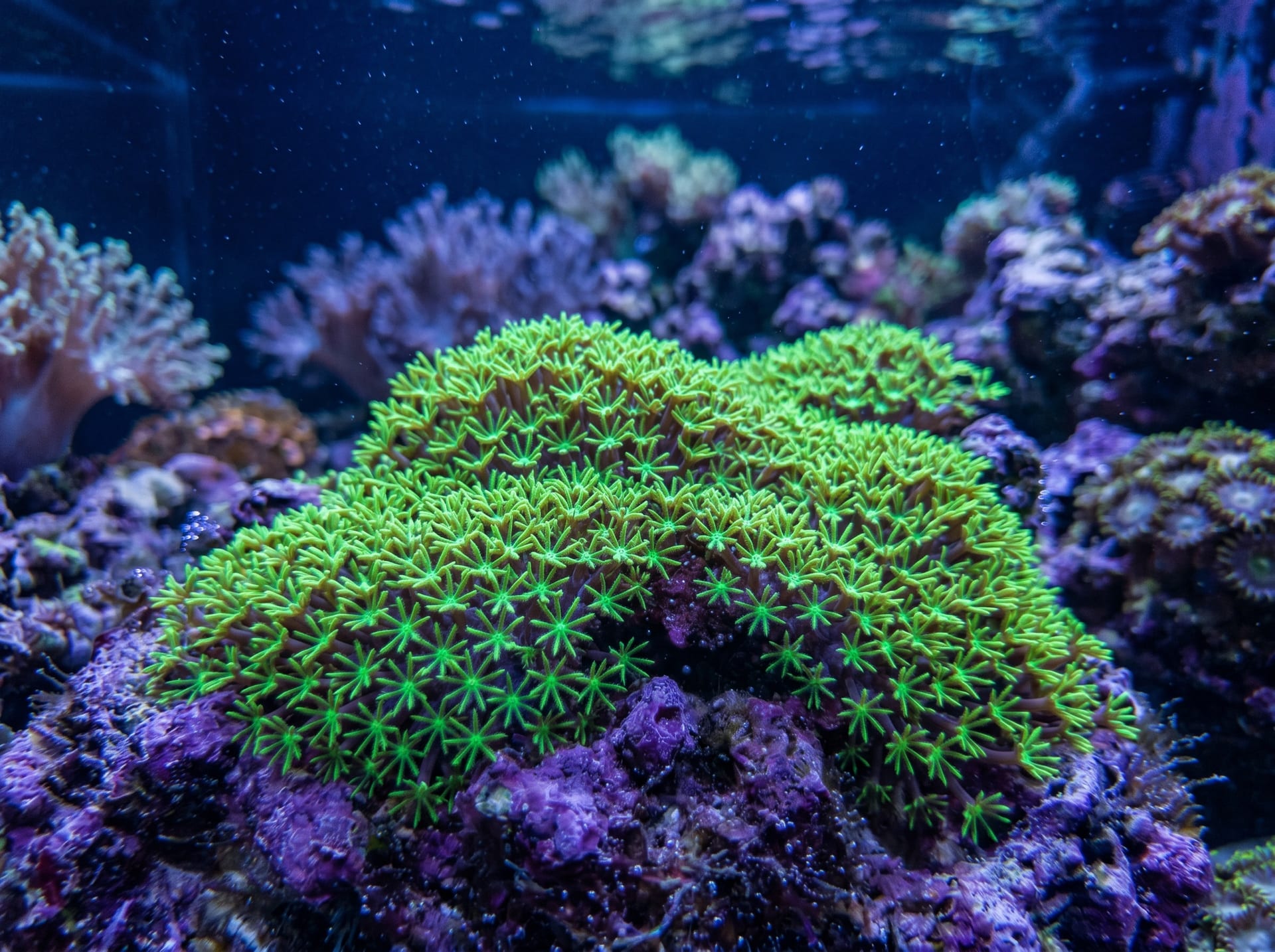
Green Star Polyps
Pachyclavularia sp.
Bright green polyps that spread over rock surfaces. Extremely hardy and fast-growing. Perfect first coral for beginners.
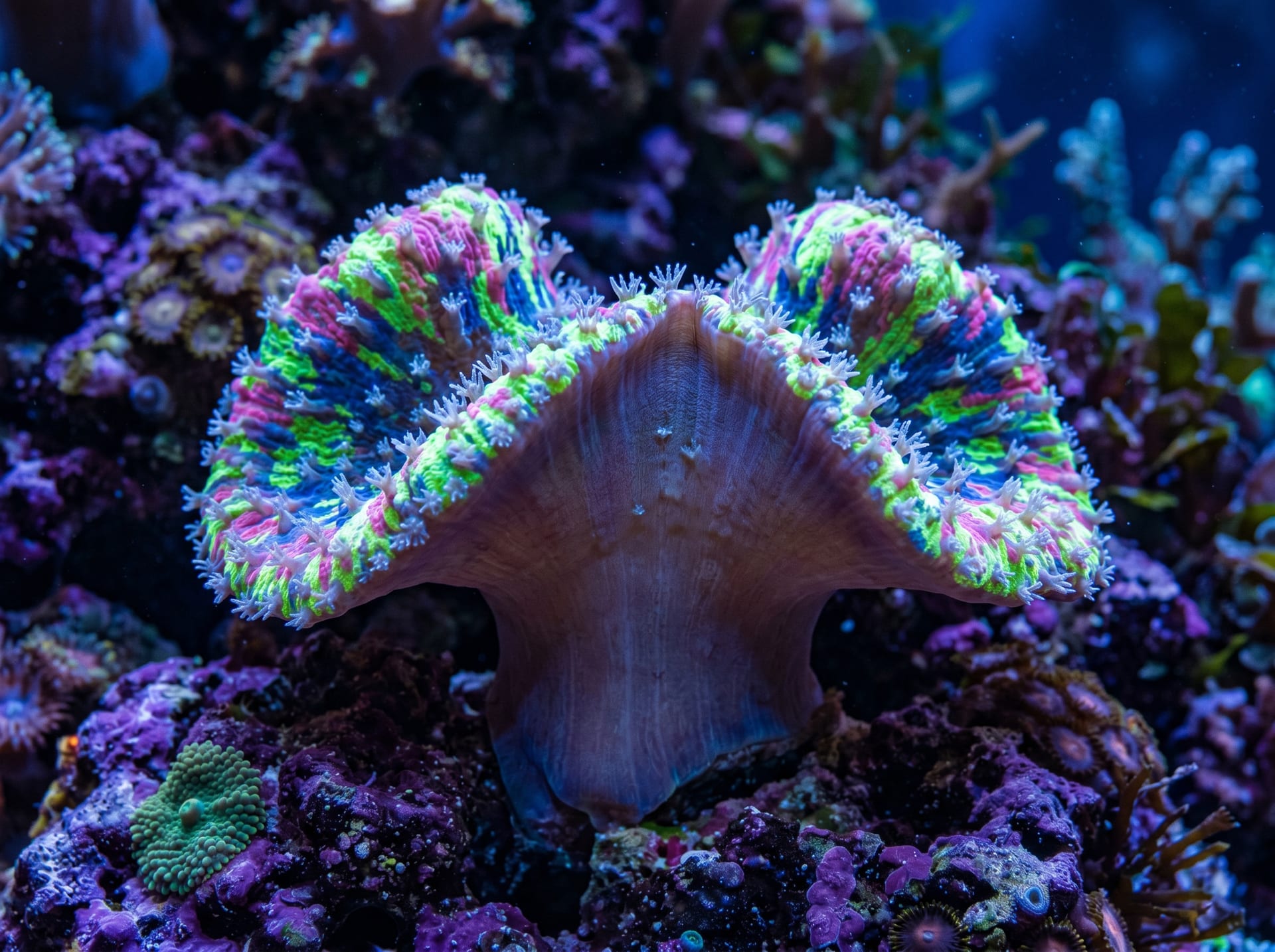
Leather Coral
Sarcophyton sp.
Soft coral with large mushroom-shaped cap. Hardy and fast-growing. Periodically sheds mucus to remove old tissue.
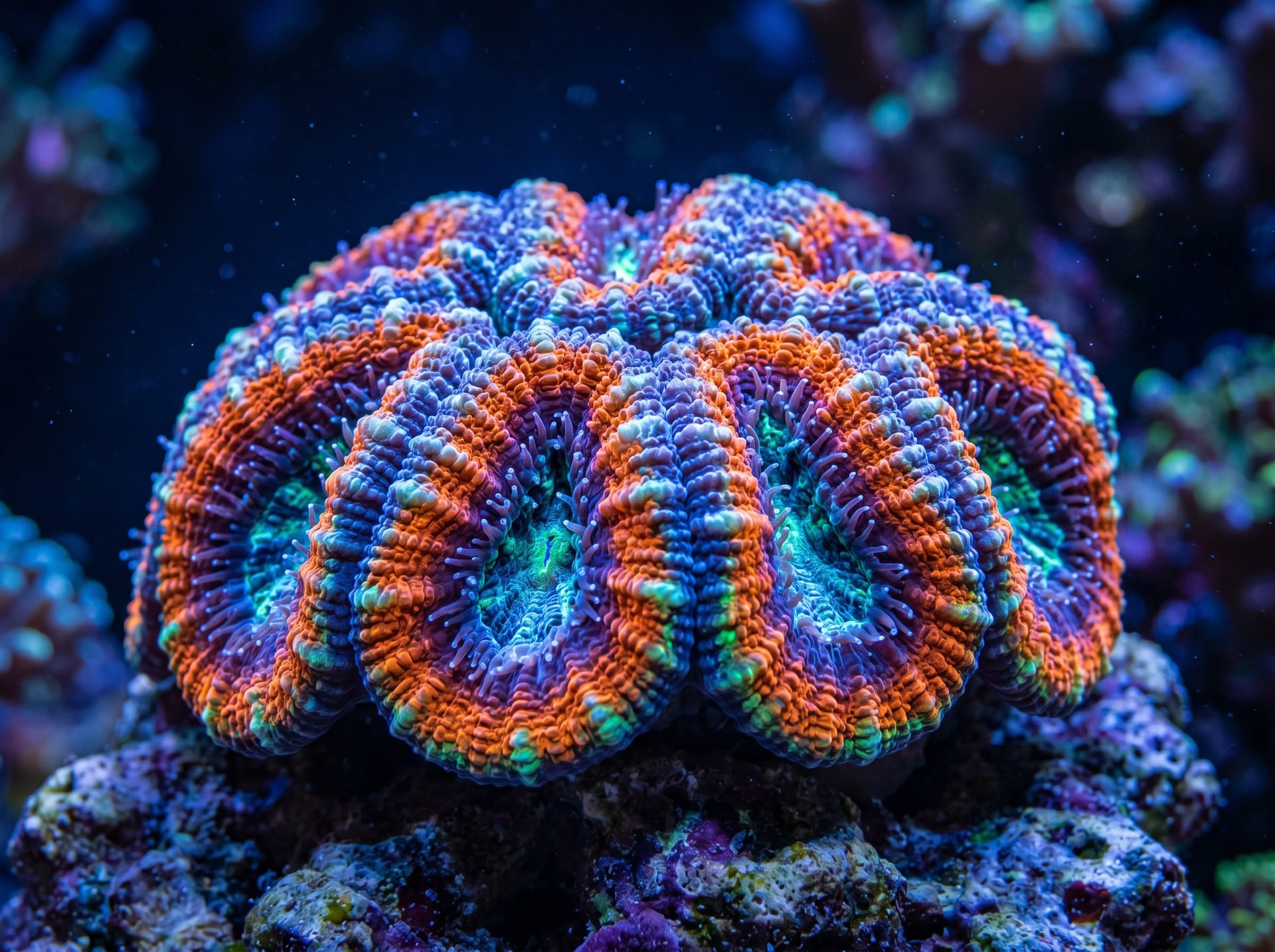
Lobophyllia / Symphyllia
Lobophyllia spp. / Symphyllia spp.
Indo-Pacific corals with large, open flower-like polyps displaying vibrant coloration. Hardier species popular in marine displays. Suitable for intermediate aquarists with adequate water flow and moderate lighting.
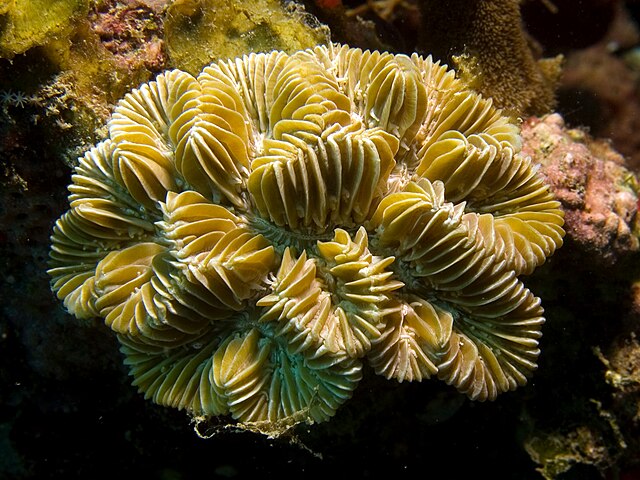 © George Berninger Jr. / CC BY-SA 3.0
Maze Coral
Meandrina meandrites
A round LPS coral with maze-like grooves. Similar to brain coral but with deeper grooves.
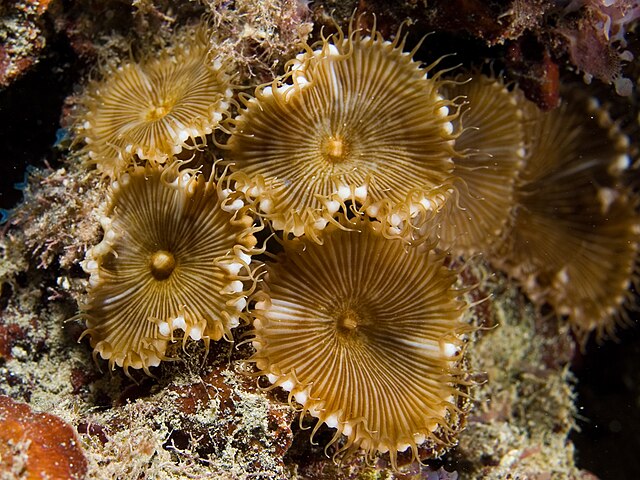 © RevolverOcelot / CC BY-SA 3.0
Palythoa
A Zoanthid relative with large button-like polyps growing densely. Hardy with rich colors.
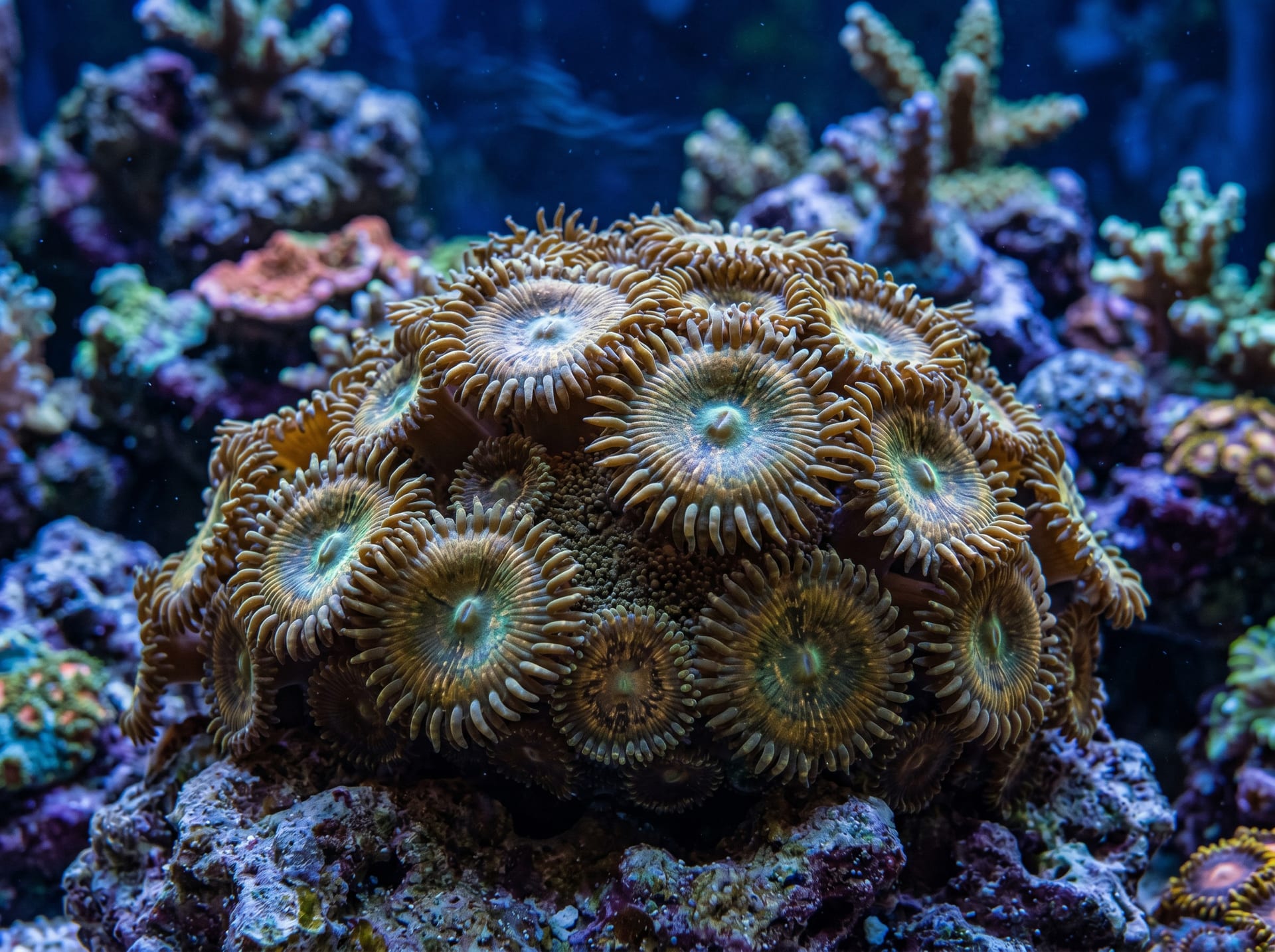
Palythoa Grandis
Palythoa grandis
Large-polyped Palythoa species. Brown to green large polyps form colonies. Very hardy and tolerant of water quality changes. Popular soft coral for beginners.
 © Haplochromis / CC BY 2.5
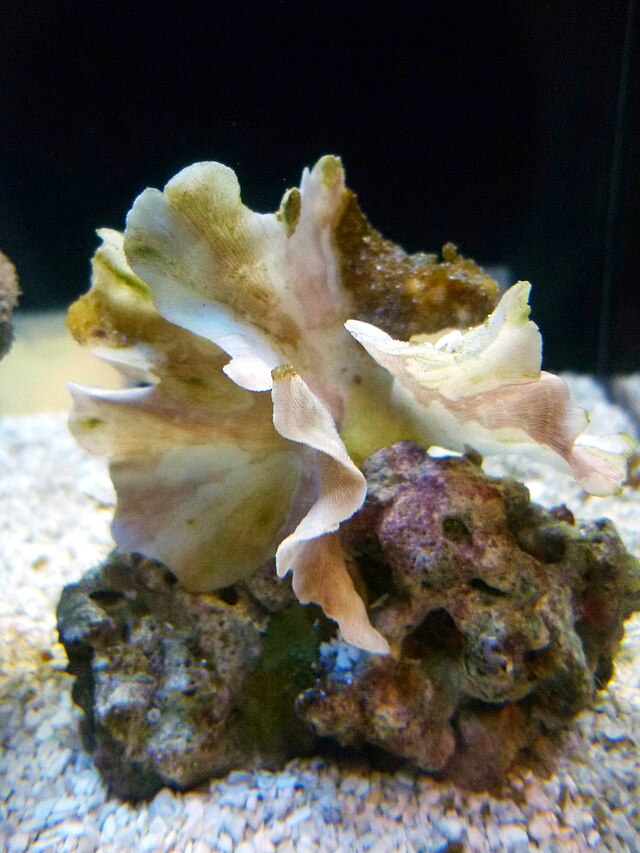
Pavona
Pavona
An SPS coral growing in thin plates. Hardy species growing in various forms: encrusting, plating.
 © Nevit Dilmen / CC BY-SA 3.0
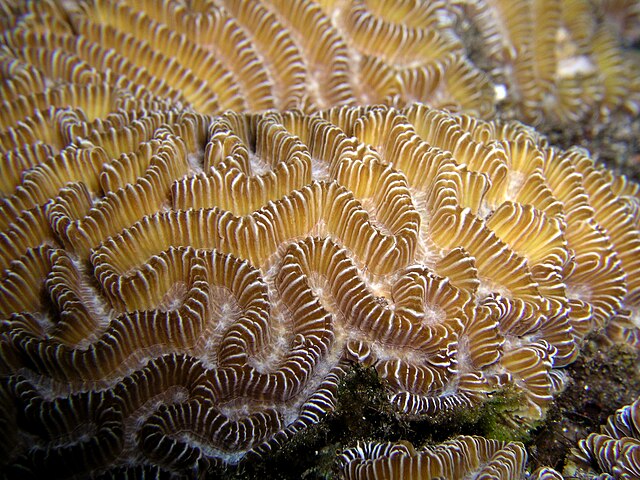
Platygyra
A hardy LPS coral with distinctive maze-like grooves. Also rich in fluorescent color variations.
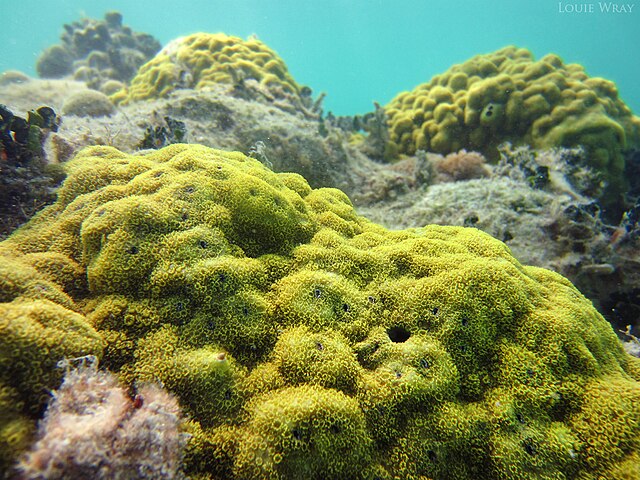
Porites
A hardy SPS coral growing in finger or massive forms. Slow growing but very hardy and long-lived.
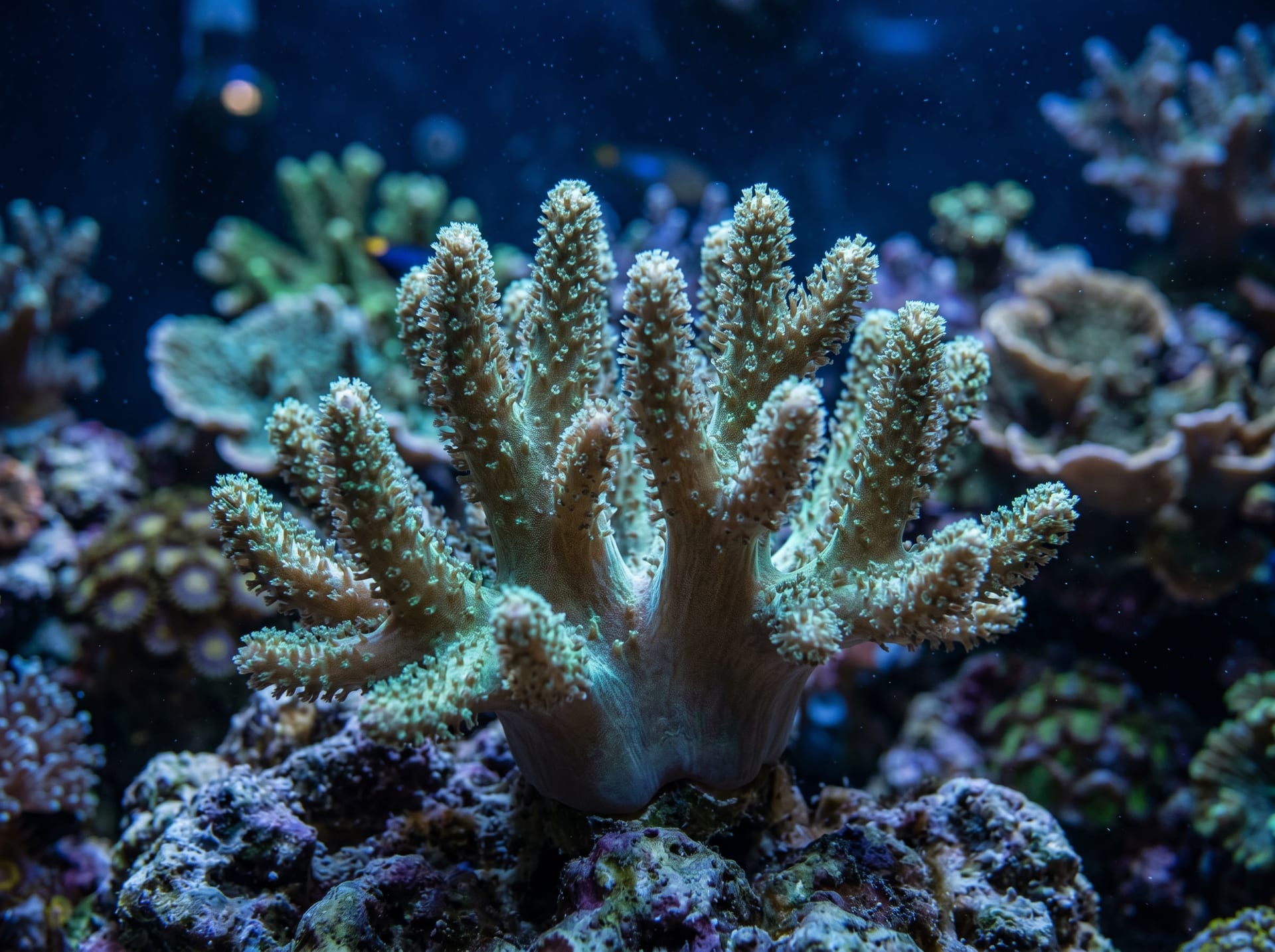
Sinularia (Finger Leather Coral)
Sinularia sp.
Finger-shaped branching soft coral. Related to leather corals and equally hardy. Cream, green, brown color varieties. Similar to Toadstool but with branching form.
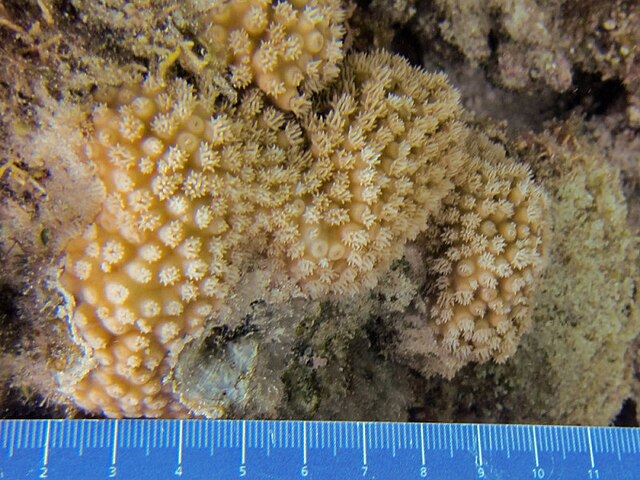 © Grendelkhan / CC BY-SA 3.0
Turbinaria
Turbinaria
An LPS coral growing in cup or scroll shape. Extremely hardy, one of most suitable species for LPS beginners.
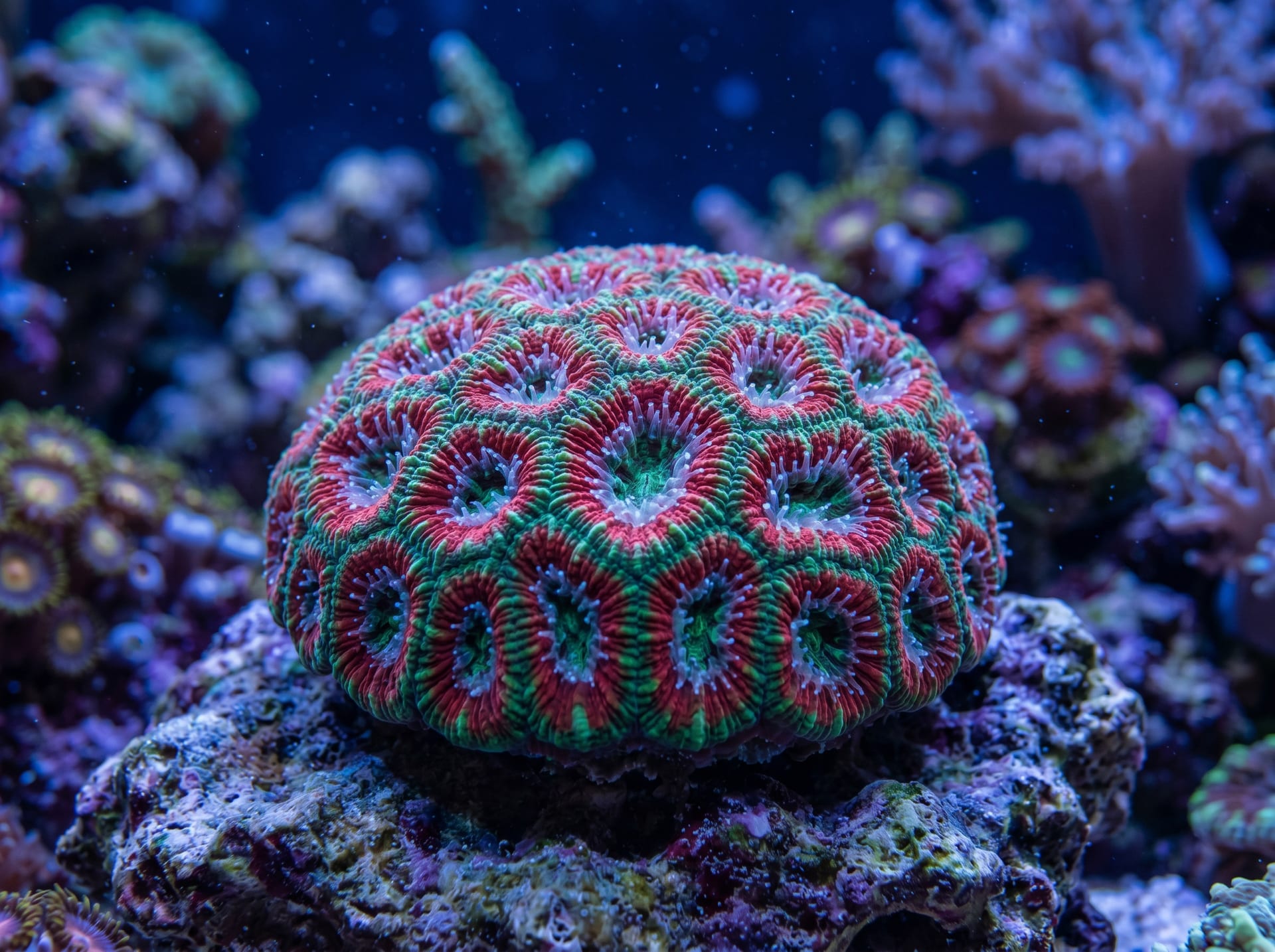
War Coral
An LPS coral with distinctive rugged appearance. Also called Favia, beautiful with fluorescent colors.
Related Content
Coral FAQ
- Can beginners keep corals?
- Soft corals like zoanthids and star polyps are hardy and beginner-friendly. Start with resilient species and gradually work your way up to LPS and SPS corals.
- How much do corals cost?
- Zoanthid frags range from around 1,000-3,000 yen, LPS from 3,000-10,000 yen, and SPS Acropora species from 5,000-30,000+ yen depending on species and coloration.
- What equipment is needed for coral keeping?
- Basic equipment includes a tank, LED lighting, protein skimmer, circulation pump, heater, and refractometer. For SPS corals, you'll also need a calcium reactor and high-performance lighting.
- What should I check when buying corals?
- Ensure the coral has vivid coloration without bleaching, polyps are fully extended, and the base is firmly attached. Also watch for shipping damage.
- How long do corals live?
- With proper care, corals can live for decades. In the wild, some colonies survive for hundreds of years. Water quality management and proper lighting and flow are key to longevity.