AI-generated image
Lobophyllia / Symphyllia
BeginnerLobophyllia spp. / Symphyllia spp.
Indo-Pacific corals with large, open flower-like polyps displaying vibrant coloration. Hardier species popular in marine displays. Suitable for intermediate aquarists with adequate water flow and moderate lighting.
Difficulty
Beginner
Temperature
24〜27℃
Diet
Photosynthesis via zooxanthellae, supplemented with zooplankton and small meaty foods
About
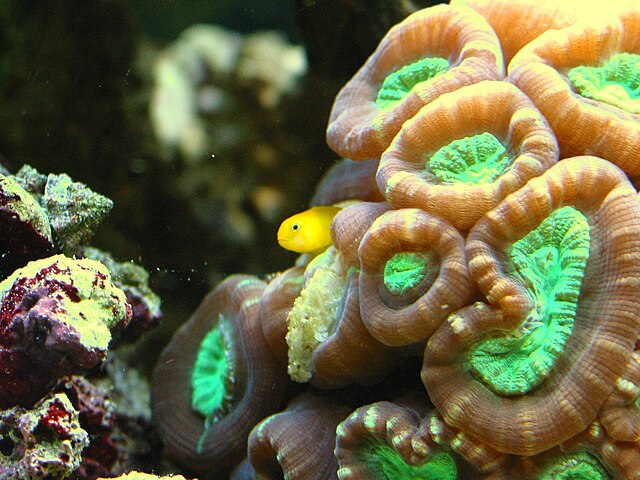
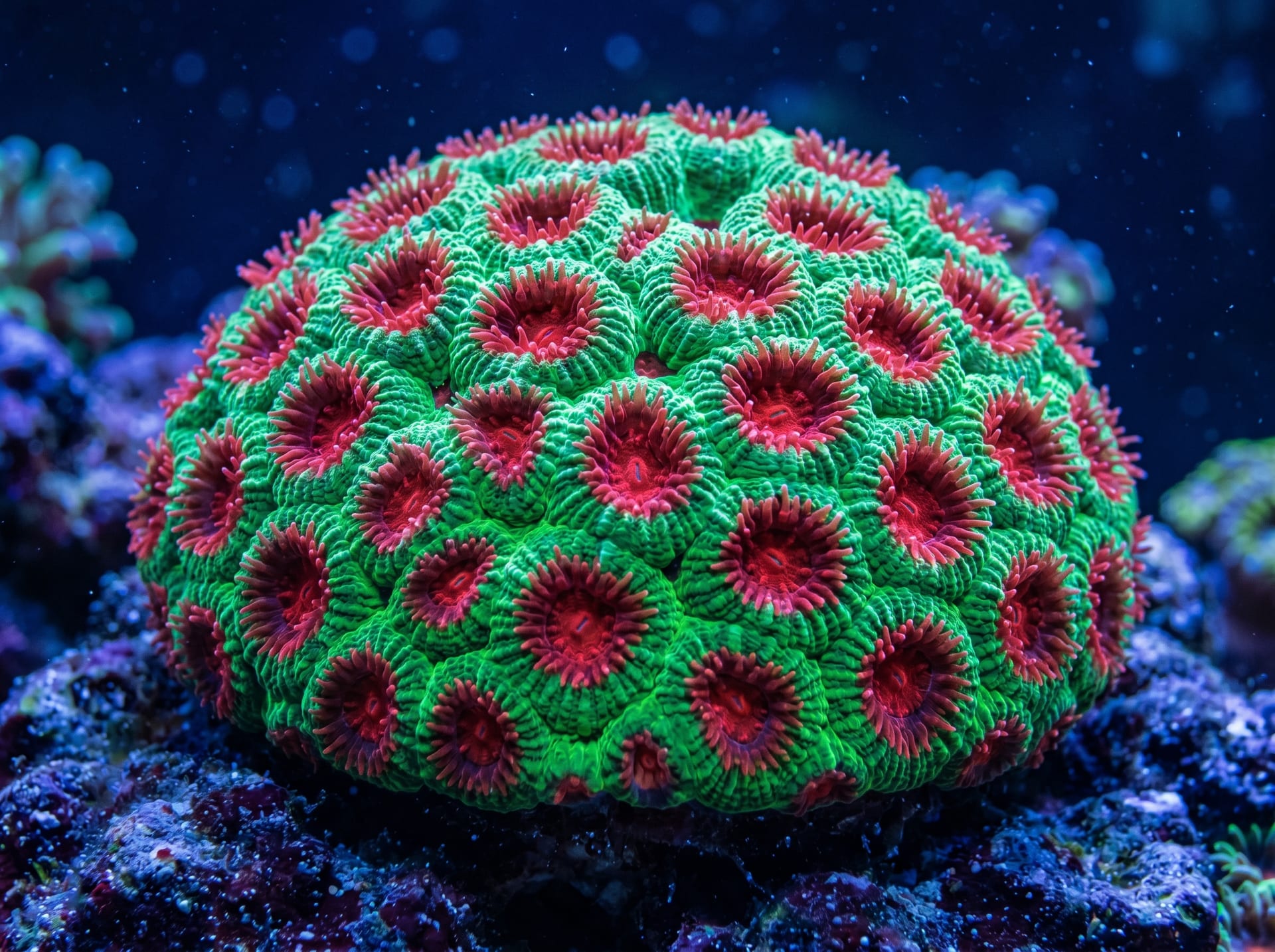
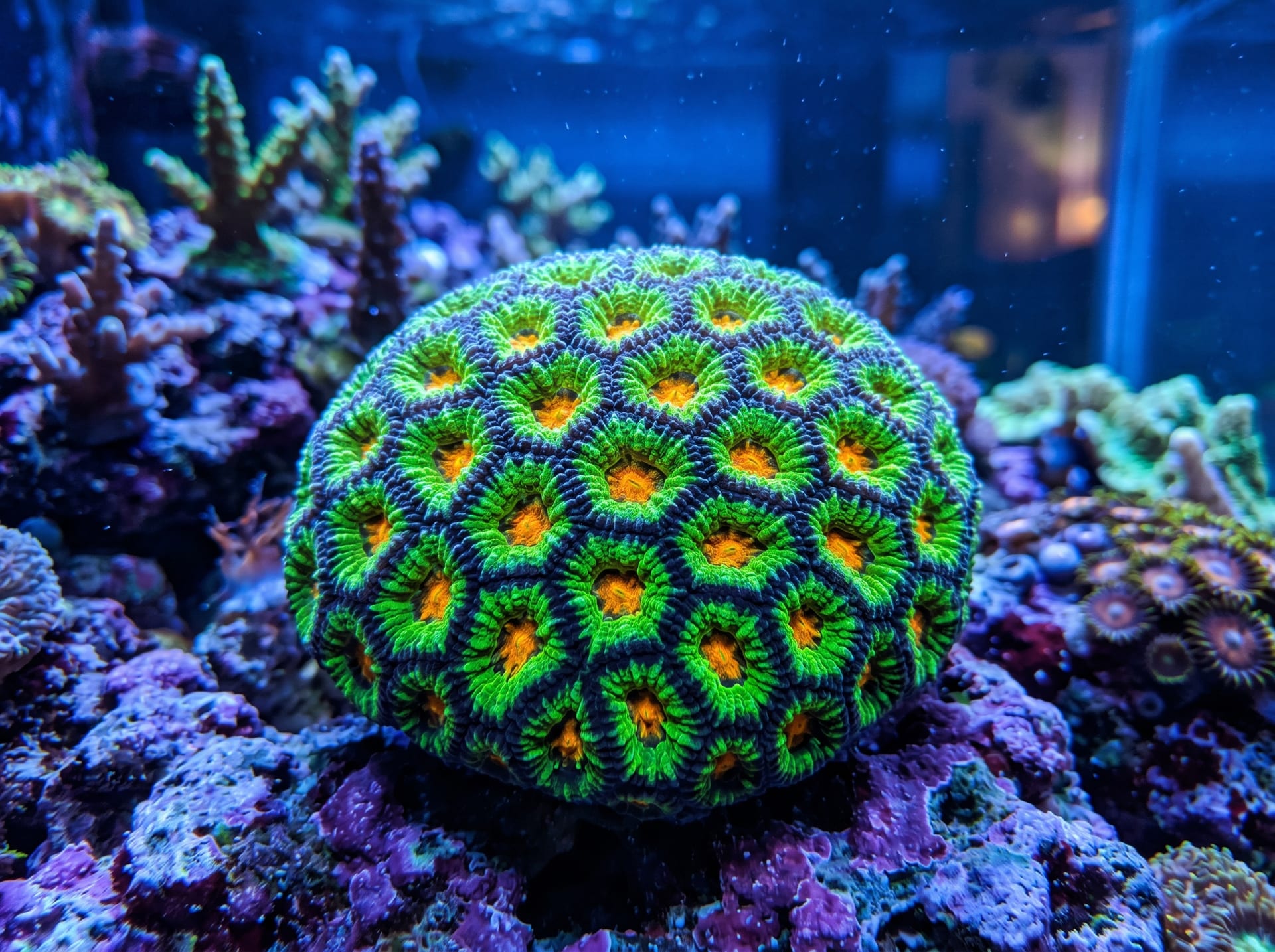
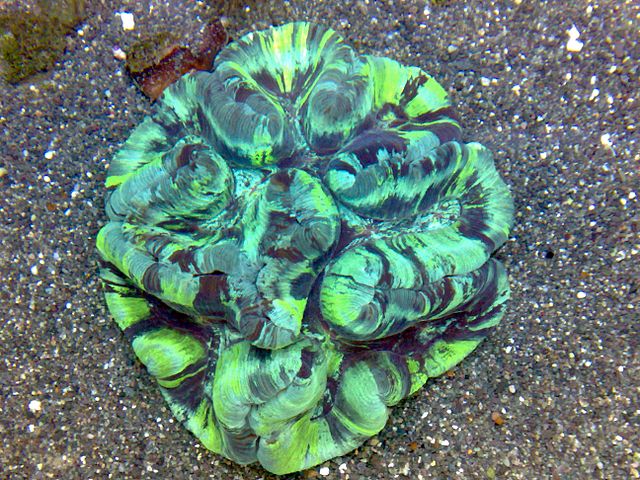
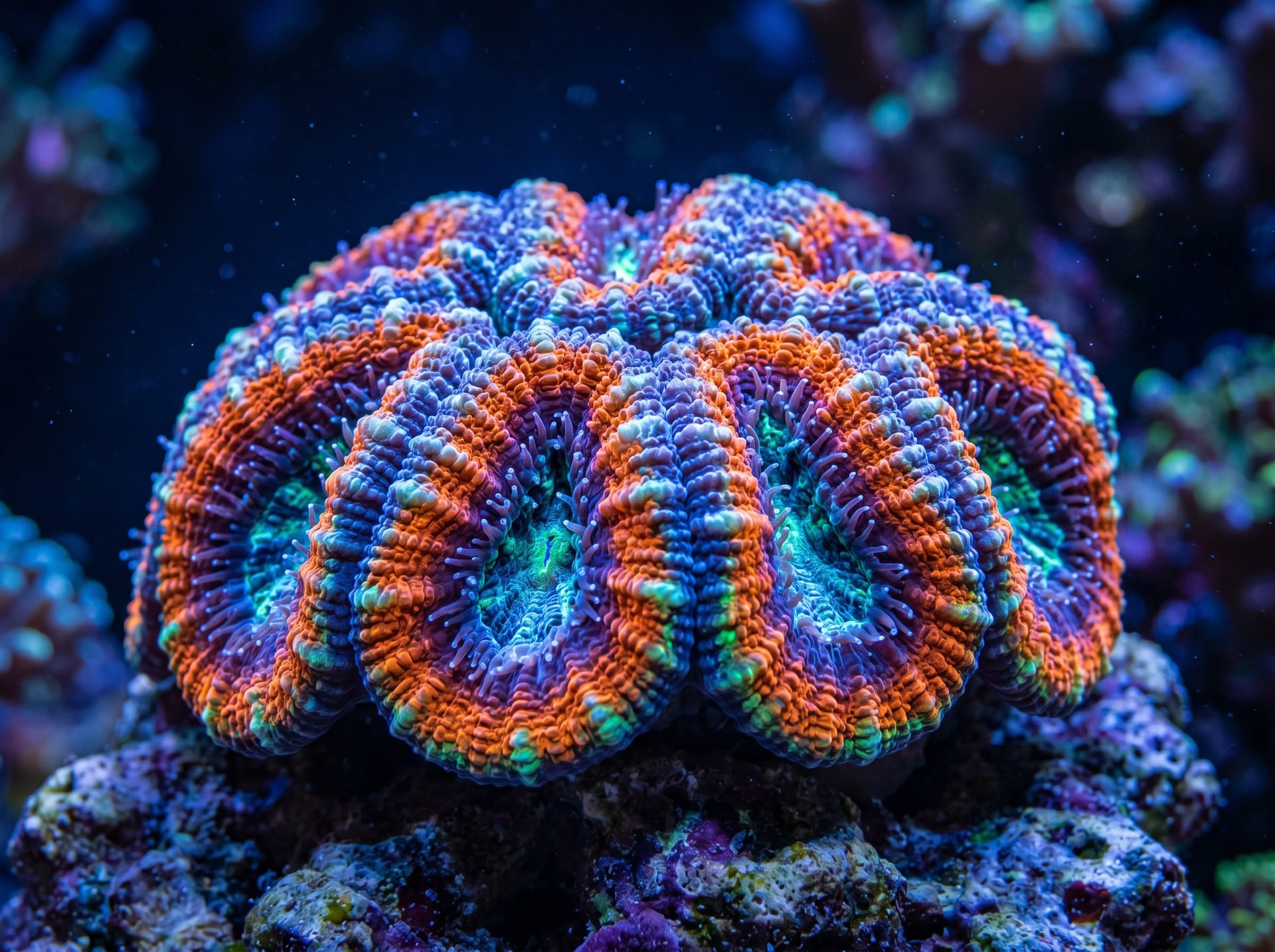
Hanagata/Lobophyllia corals (genera Lobophyllia and Symphyllia, family Lobophylliidae) are large-polyp stony (LPS) corals from Indo-Pacific reef slopes. Thick, large polyps cluster densely while forming brain-like or petal-like ridges, growing into dome-shaped to flat colonies. They display an extraordinary range of reds, greens, oranges, pinks, and multicolor patterns, with vivid fluorescent specimens highly valued by collectors. They are relatively easy to keep under low to moderate lighting and gentle flow. Use indirect flow that does not damage the polyps and avoid intense light. They attack neighbors with sweeper tentacles, so allow ample spacing. Feeding once or twice weekly with small seafood pieces or pellets improves color and growth. Hardy, quick to recover, and able to be fragged, they are popular LPS corals for beginner to intermediate keepers.
Source: Wikipedia (CC BY-SA 4.0)
Temperature & humidity for the Lobophyllia / Symphyllia
The ideal water temperature for the Lobophyllia / Symphyllia is 24〜27℃.
Basic Info
Origin
reef slopes of the Indo-Pacific
Temperature
24〜27℃
Diet
Photosynthesis via zooxanthellae, supplemented with zooplankton and small meaty foods
Care Guide
Lighting
Low to moderate lighting suits it, and it colours up well under moderate LED. Strong light is unnecessary, so avoid overexposure.
Care Specifications
- Carbonate (KH)
- 8–12 dKH
- Water Temp.
- 24–27℃
- Specific Gravity
- 1.023–1.025
- Salinity
- 33–35 ppt
- Calcium (Ca)
- 400–450 ppm
- Magnesium (Mg)
- 1280–1350 ppm
LPSLight: Medium (PAR 50-150)Flow: LowPlacement: Bottom
Sources: AlgaeBarn: SPS/LPS care (PAR/flow) / AlgaeBarn: Water Parameters 101
References & Sources
Edited & verified by: BreederDirect editorial team
The taxonomic, regulatory, and husbandry data on this page are compiled and verified against the authoritative primary sources below.
Regulations & Conservation Status
CITES Appendix II
Scleractinian order (Lobophyllia / Symphyllia, Lobophylliidae) = Large-polyp stony corals. CITES Appendix II.
Sources: DOC NZ / CITES-listed corals (Scleractinia spp. = App. II)
Regulations may change. Always verify the latest information with the relevant authorities.
Lobophyllia / Symphyllia Listings
Loading latest listingsFind listings for this species