Coral Encyclopedia — 74 Species Directory
Encyclopedia of popular coral species with care requirements, traits, and difficulty levels.
Showing 4 of 74 species
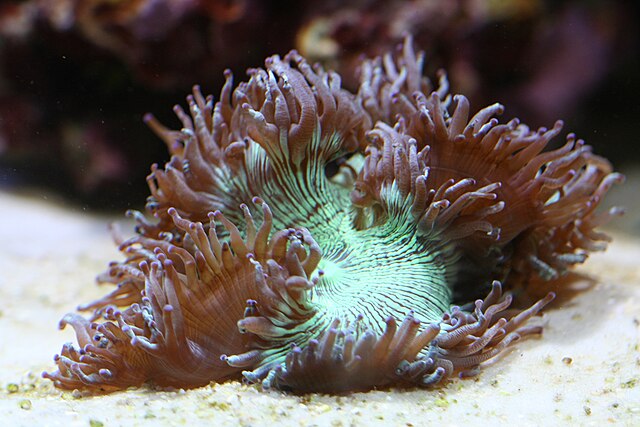 © Tappinen / CC BY-SA 3.0
Elegance Coral
Catalaphyllia jardinei
Beautiful LPS with long tentacles tipped in fluorescent colors. Placed on sand bed. Vivid fluorescence is the main attraction.
LPSFluorescentAdvanced
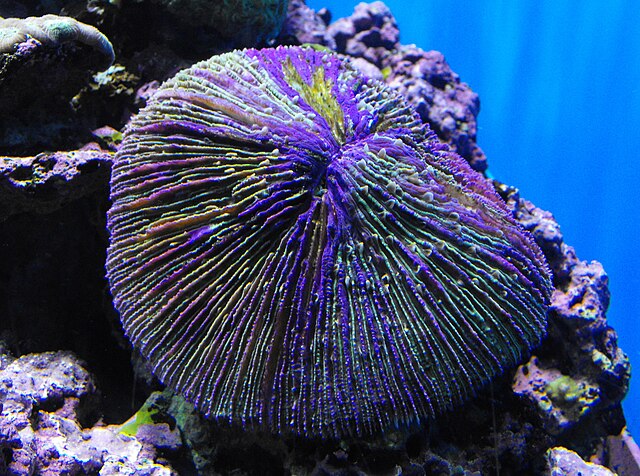 © Josuevg / CC BY-SA 3.0
Fungia
A unique LPS coral that can move independently. Disc-shaped body moves across sand bed.
FungiaMobileSolitary
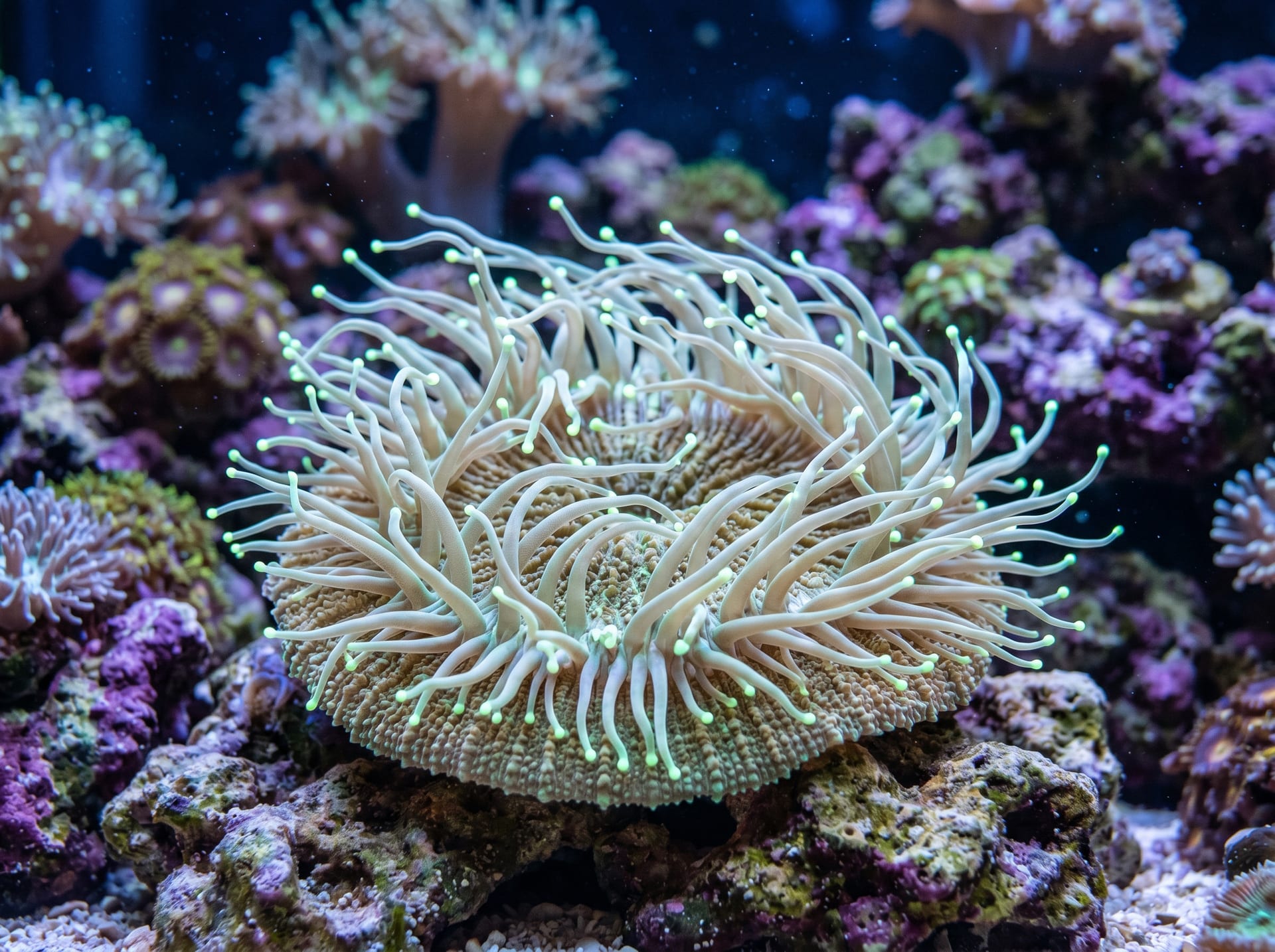
Heliofungia (Long Tentacle Plate Coral)
Heliofungia actiniformis
Solitary LPS coral with long tentacles resembling anemones. Clownfish may host in it. Placed on sand — beautiful long tentacles swaying in current.
LPSLong tentaclesSand bed
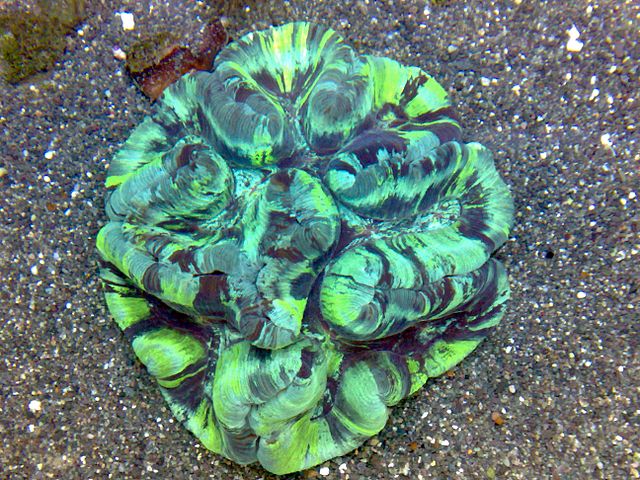 © bondolo / CC BY 3.0
Open Brain Coral
Trachyphyllia geoffroyi
LPS coral with vivid colors and large mouth. Kept on sand bed. Responds exceptionally well to feeding.
LPS coralSand bedFeeding essential
Related Content
Coral FAQ
- Can beginners keep corals?
- Soft corals like zoanthids and star polyps are hardy and beginner-friendly. Start with resilient species and gradually work your way up to LPS and SPS corals.
- How much do corals cost?
- Zoanthid frags range from around 1,000-3,000 yen, LPS from 3,000-10,000 yen, and SPS Acropora species from 5,000-30,000+ yen depending on species and coloration.
- What equipment is needed for coral keeping?
- Basic equipment includes a tank, LED lighting, protein skimmer, circulation pump, heater, and refractometer. For SPS corals, you'll also need a calcium reactor and high-performance lighting.
- What should I check when buying corals?
- Ensure the coral has vivid coloration without bleaching, polyps are fully extended, and the base is firmly attached. Also watch for shipping damage.
- How long do corals live?
- With proper care, corals can live for decades. In the wild, some colonies survive for hundreds of years. Water quality management and proper lighting and flow are key to longevity.