Source: Wikimedia Commons
Galaxea
IntermediateGalaxea fascicularis
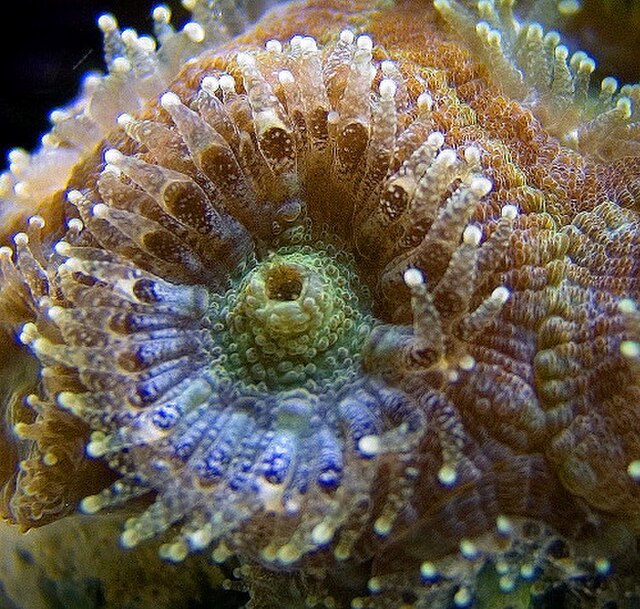
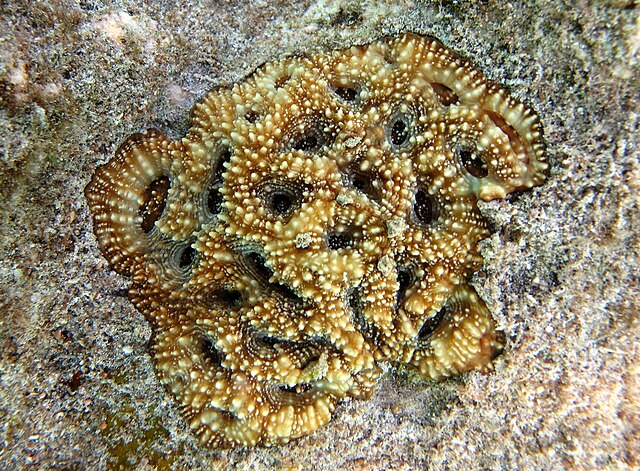
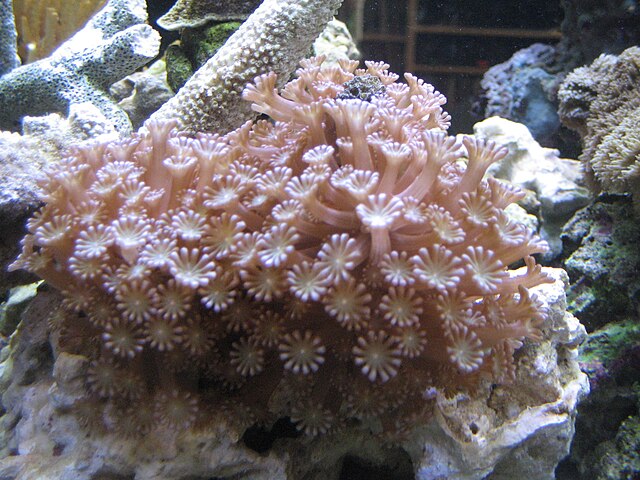
An LPS coral with white balls on clear tentacle tips. Attacks neighbors with long sweeper tentacles.
Difficulty
Intermediate
Temperature
24〜27℃
Lifespan
10+ years
Size
10-30cm
Diet
Photosynthesis, Liquid food
About
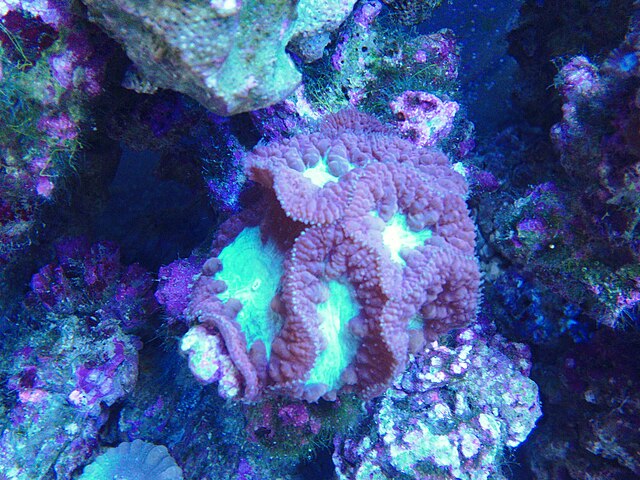
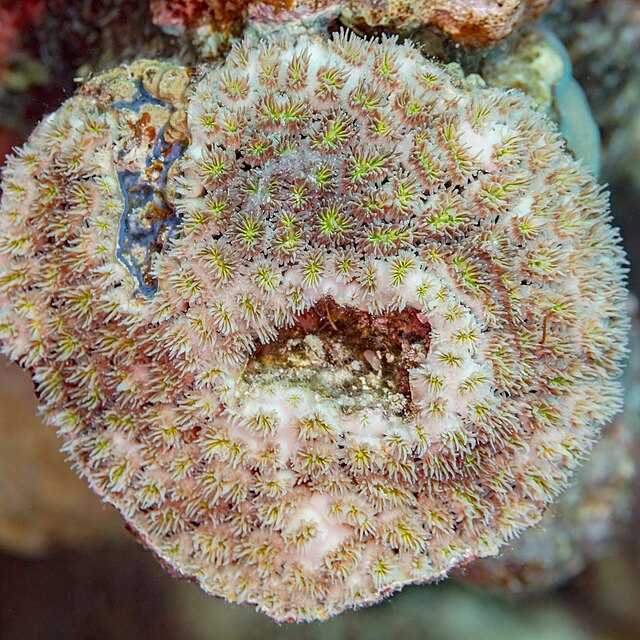
Galaxea fascicularis (family Euphylliidae), the galaxy coral, is a large-polyp stony coral abundant on shallow Indo-Pacific reef flats and slopes. Colonies of elongated tubular polyps bear distinctive white spherical acrhelia at their tips that resemble a field of stars—the source of the evocative common name. Colors range from green and brown to gray, with some individuals producing fluorescent green responses under actinic light. Moderate lighting (100–250 PAR) and moderate flow are appropriate. The critical management challenge is Galaxea's extraordinary aggression: sweeper tentacles extending 30 cm or more emerge nightly and inflict severe damage on all neighboring corals. Maintaining generous isolation distances from other specimens in the display is therefore mandatory. Weekly feeding with brine shrimp or small pellets promotes rapid growth. While Galaxea is intrinsically hardy, managing its aggression places it firmly in the intermediate-to-advanced category.
Source: Wikipedia (CC BY-SA 4.0)
Lifespan of the Galaxea
The Galaxea lives 10+ years.
Size of the Galaxea
The Galaxea grows to 10-30cm.
Temperature & humidity for the Galaxea
The ideal water temperature for the Galaxea is 24〜27℃.
Parameters (24–27°C, KH 8–10, Ca 400–430 ppm) should be kept stable.
Basic Info
Origin
shallow Indo-Pacific reefs at depths less than 20 m
Care Specifications
- Carbonate (KH)
- 8–12 dKH
- Water Temp.
- 24–27℃
- Specific Gravity
- 1.023–1.025
- Salinity
- 33–35 ppt
- Calcium (Ca)
- 400–450 ppm
- Magnesium (Mg)
- 1280–1350 ppm
LPSLight: Medium (PAR 50-150)Flow: MediumPlacement: Middle
Sources: AlgaeBarn: SPS/LPS care (PAR/flow) / AlgaeBarn: Water Parameters 101
References & Sources
Edited & verified by: BreederDirect editorial team
The taxonomic, regulatory, and husbandry data on this page are compiled and verified against the authoritative primary sources below.
Regulations & Conservation Status
CITES Appendix II
Scleractinia (Galaxea, Euphylliidae). CITES Appendix II.
Sources: DOC NZ / CITES-listed corals (Scleractinia spp. = App. II)
Regulations may change. Always verify the latest information with the relevant authorities.
Galaxea Listings
Loading latest listingsFind listings for this species