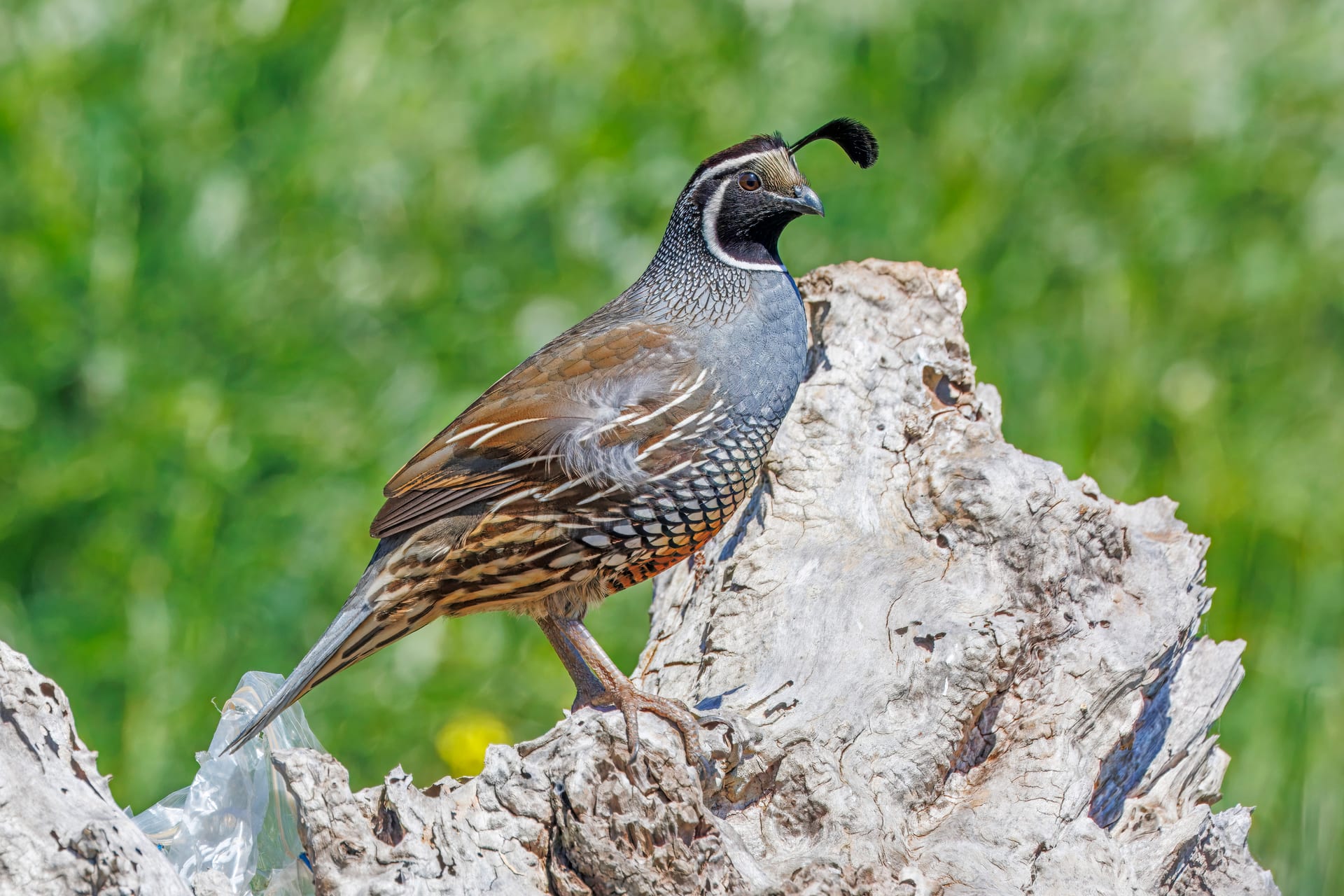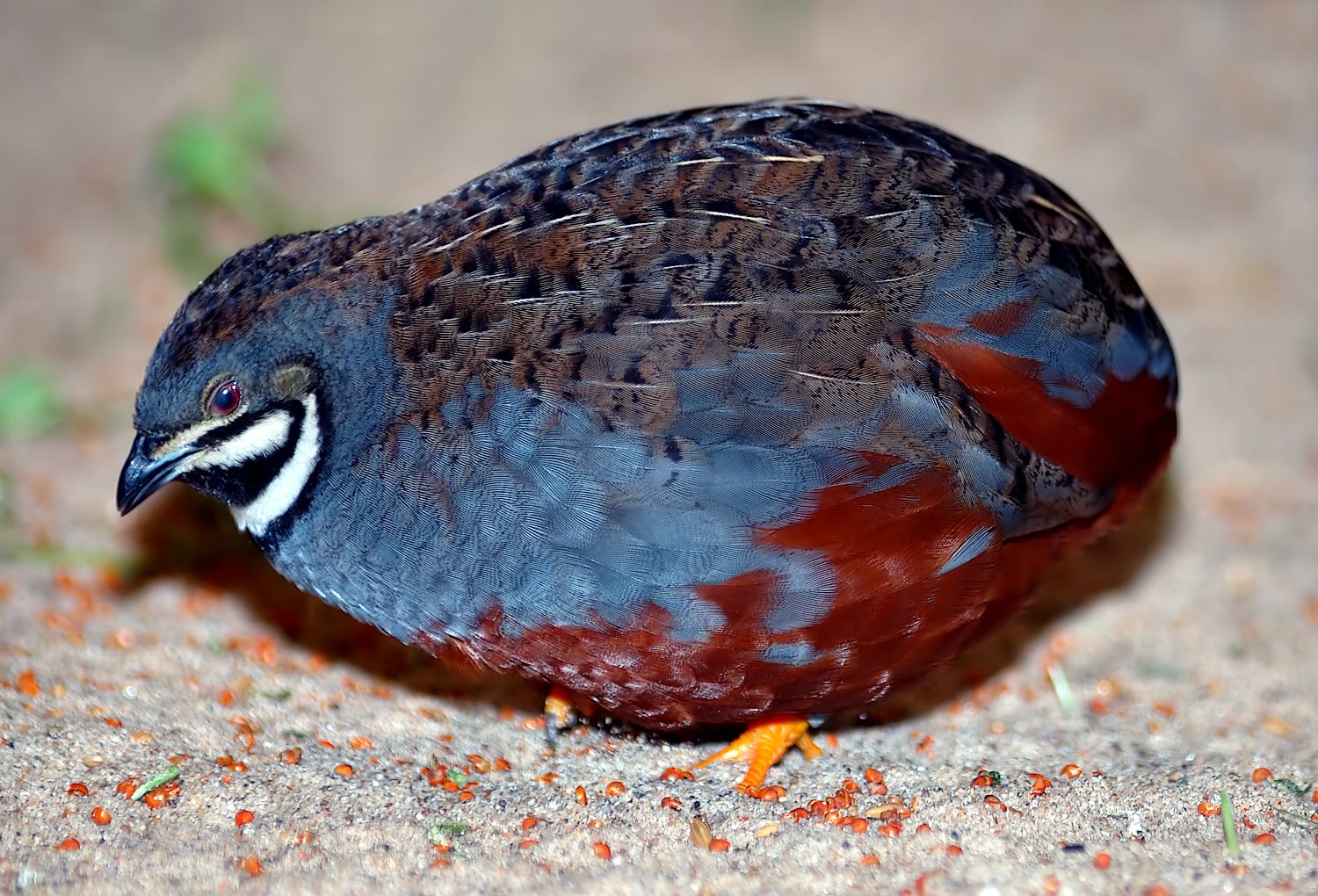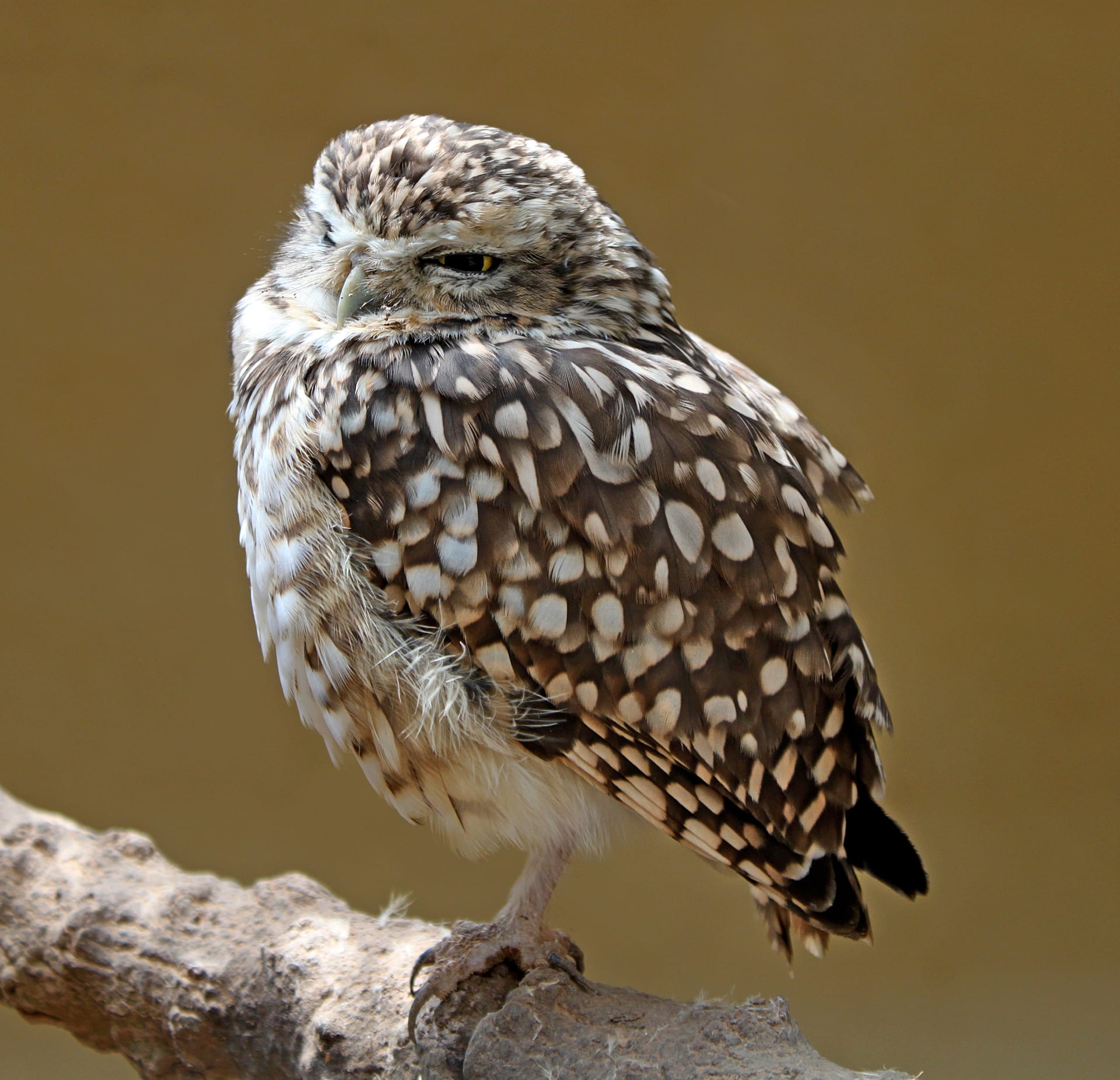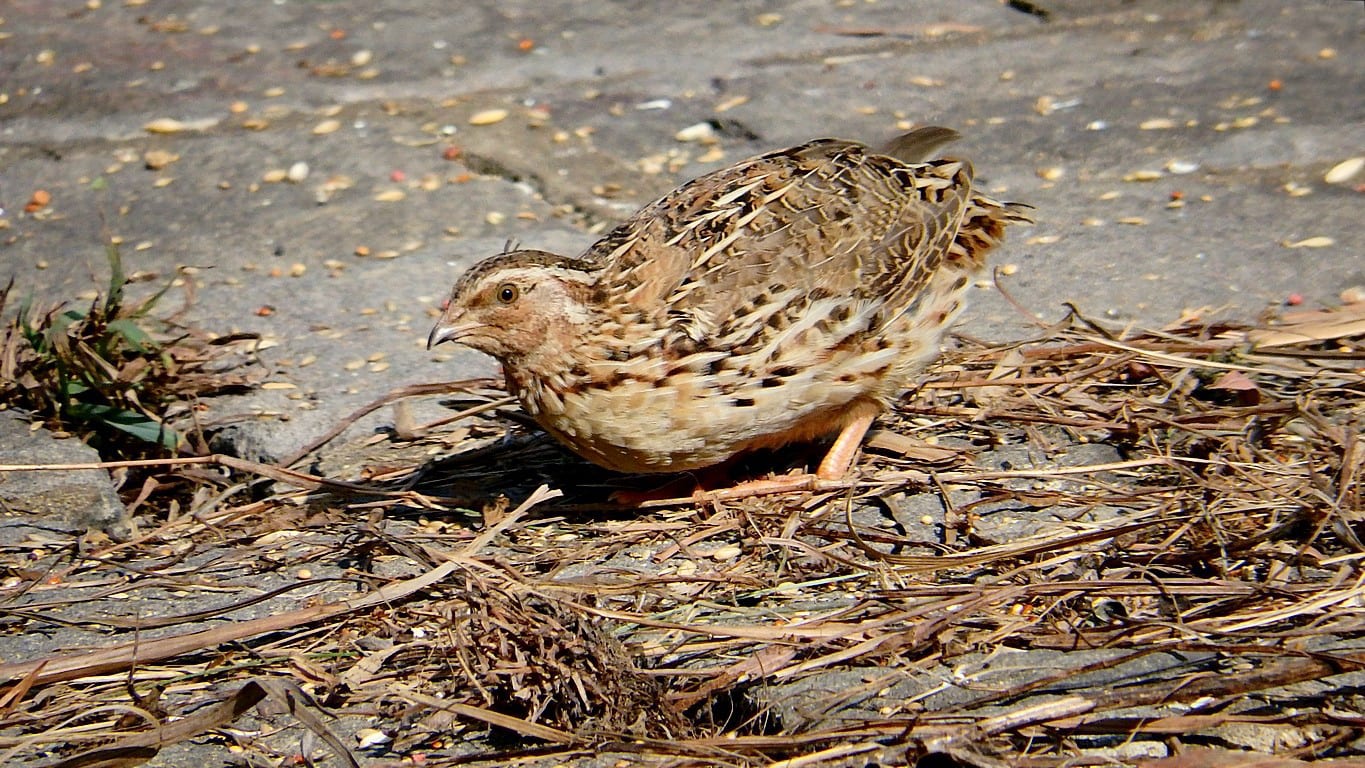
Source: Wikimedia Commons
Northern Bobwhite
IntermediateColinus virginianus
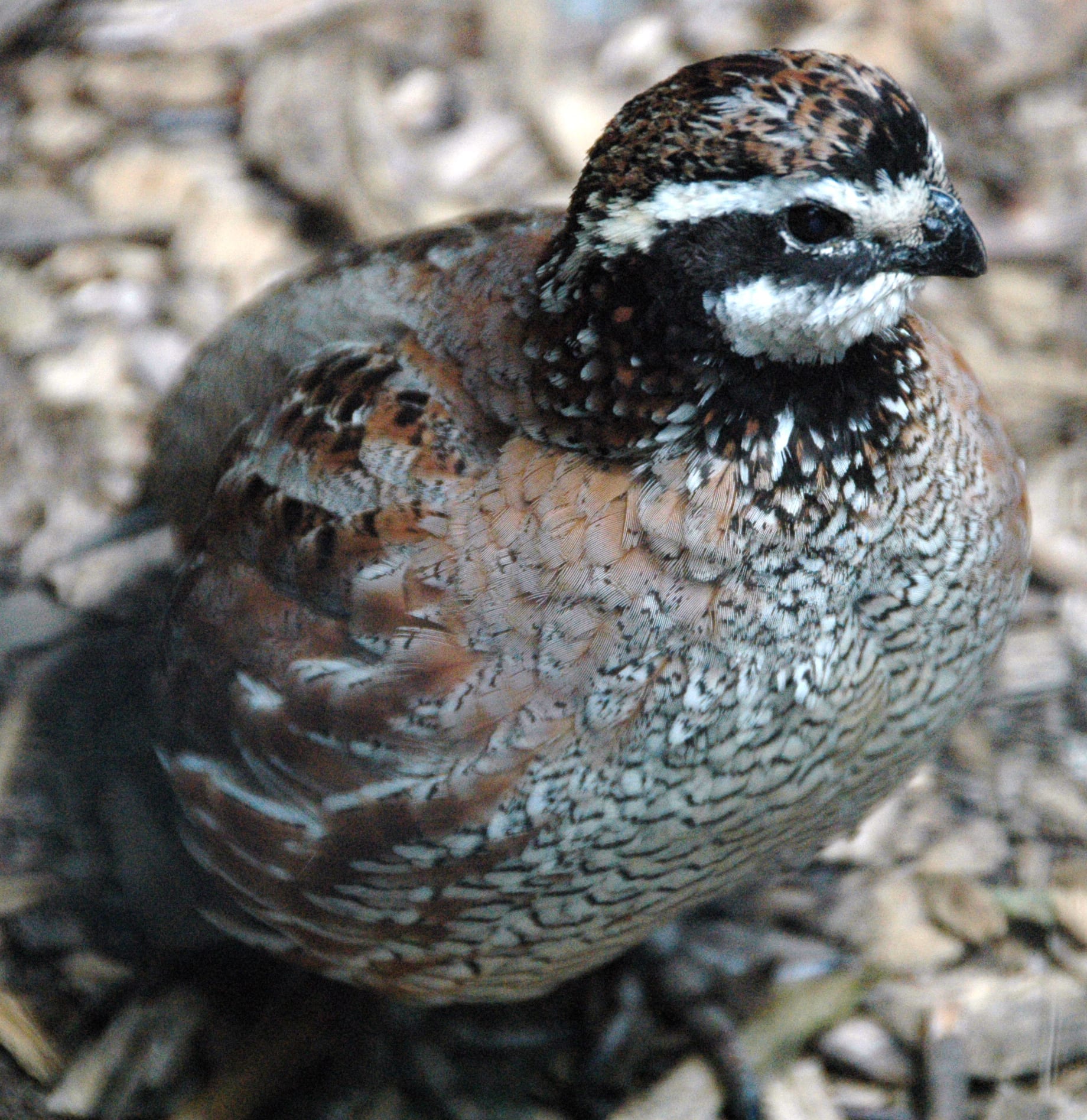
A ground-dwelling New World quail from North America, 24 to 28 cm long and a size up from the Japanese quail. The male has a white throat and brow stripe bordered with black, while in the female these are buff. The English name comes from its call.
Difficulty
Intermediate
Temperature
15〜30℃
Lifespan
5-8 years
Size
24-28cm (wingspan 33-38cm; 129-173g, with large males reaching 255g)
Humidity
40〜60%
Diet
Quail crumbles, grain, grass and forb seeds, greens, and insects in the breeding season
About
The northern bobwhite (Colinus virginianus) is the characteristic ground bird of eastern North America and belongs not to the pheasant family but to the New World quails. It is 24 to 28 cm long with a wingspan of 33 to 38 cm. Twenty subspecies are recognised in four groups, of which the Key West bobwhite Colinus virginianus insulanus is extinct. The eastern North American population fell by about 85 per cent between 1966 and 2014 and the decline continues across the range. In its native range it lives in pine woodland, farmland and grassland, eating acorns and the seeds of herbaceous plants, and wheat and maize on farmland, with insects important in the breeding season. It was imported into Japan for hunting and aviculture, and birds released to train gun dogs are thought to have gone feral. It has been recorded in Kanagawa and Osaka prefectures, and is considered likely to be established in Kanagawa.
Source: Wikipedia (CC BY-SA 4.0)
Lifespan of the Northern Bobwhite
The Northern Bobwhite lives 5-8 years.
Size of the Northern Bobwhite
The Northern Bobwhite grows to 24-28cm (wingspan 33-38cm; 129-173g, with large males reaching 255g).
Weight increases northward: 129 to 159 g in Mexico, averaging 170 to 173 g in the north, with large males reaching 255 g.
Basic Info
Origin
Southern Canada through the central and eastern United States to Mexico and Cuba
Lifespan
5-8 years
Size
Care Specifications
Semi-aggressivePairBreeding: Moderate
Sources: Wikipedia - Northern bobwhite (length 24-28cm, wingspan, weight, 20 subspecies including the extinct one, 85 per cent decline, pitch of the call) / Japanese Wikipedia - Northern bobwhite (how it reached Japan, records in Kanagawa and Osaka, breeding from April to June, clutch of 10-15, nesting)
References & Sources
Edited & verified by: BreederDirect editorial team
The taxonomic, regulatory, and husbandry data on this page are compiled and verified against the authoritative primary sources below.
Primary sources
- Wikipedia
- CITES Appendices (the subspecies Colinus virginianus ridgwayi is listed in Appendix I; checked against the edition valid from 25 November 2023)
- IUCN Red List
- Cabinet Order under Japan's Act on Conservation of Endangered Species of Wild Fauna and Flora, appended tables 1 and 2
- Ministry of the Environment, Japan - List of Invasive Alien Species designated under the IAS Act (birds)
- Japanese Wikipedia - Northern bobwhite (how it reached Japan, records in Kanagawa and Osaka, breeding from April to June, clutch of 10-15, nesting)
- GBIF
Taxonomy & Authority
Accepted name: Colinus virginianus (Linnaeus, 1758)
Synonyms: Tetrao virginianus
Authority databases: GBIF
Nomenclature follows global taxonomic authority databases.
Regulations & Conservation Status
Not CITES-listedIUCN NT · Near Threatened
Domestic law: Only captive-bred birds are traded. Birds of the masked bobwhite subspecies (Colinus virginianus ridgwayi) are internationally endangered species and their transfer requires an individual registration certificate. Feral birds descended from releases are recorded in Kanagawa and Osaka prefectures, so keeping the birds secure against escape is expected.
At species level Colinus virginianus appears in none of the CITES Appendices, but the subspecies Colinus virginianus ridgwayi, the masked bobwhite, is listed in Appendix I. An Appendix I subspecies is an internationally endangered species under Japan's Act on Conservation of Endangered Species, so transferring such a bird or advertising one for sale within Japan requires an individual registration and the certificate issued with it. The species is not designated an Invasive Alien Species in Japan; the seven birds so designated are the Canada goose, red-vented bulbul, four Garrulax species and the red-billed leiothrix. The IUCN assesses it as Near Threatened.
Sources: CITES Appendices (the subspecies Colinus virginianus ridgwayi is listed in Appendix I; checked against the edition valid from 25 November 2023) / IUCN Red List / Cabinet Order under Japan's Act on Conservation of Endangered Species of Wild Fauna and Flora, appended tables 1 and 2 / Ministry of the Environment, Japan - List of Invasive Alien Species designated under the IAS Act (birds)
Regulations may change. Always verify the latest information with the relevant authorities.
Northern Bobwhite Listings
Loading latest listingsFind listings for this species