Seriatopora (Bird's Nest Coral)
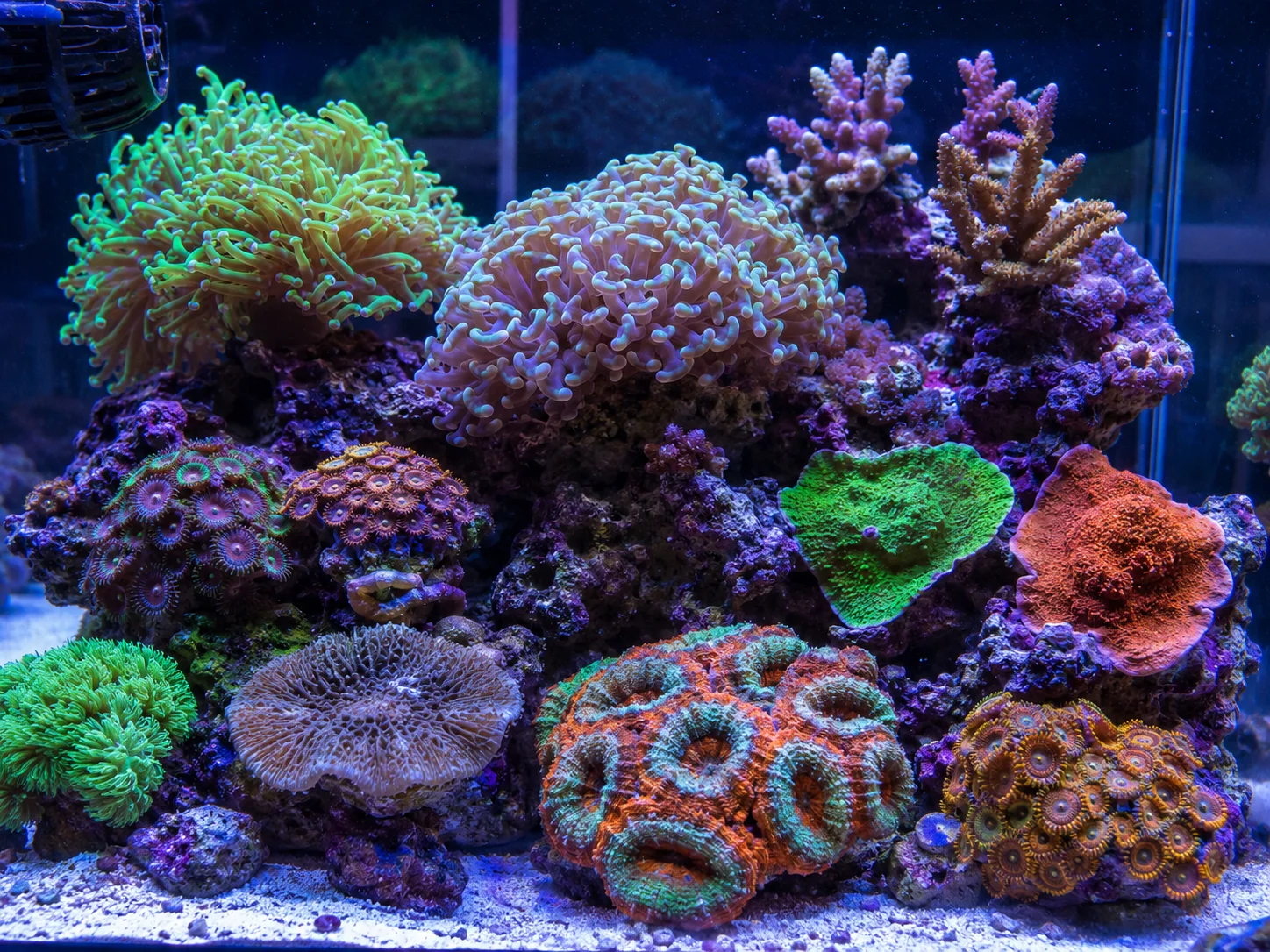
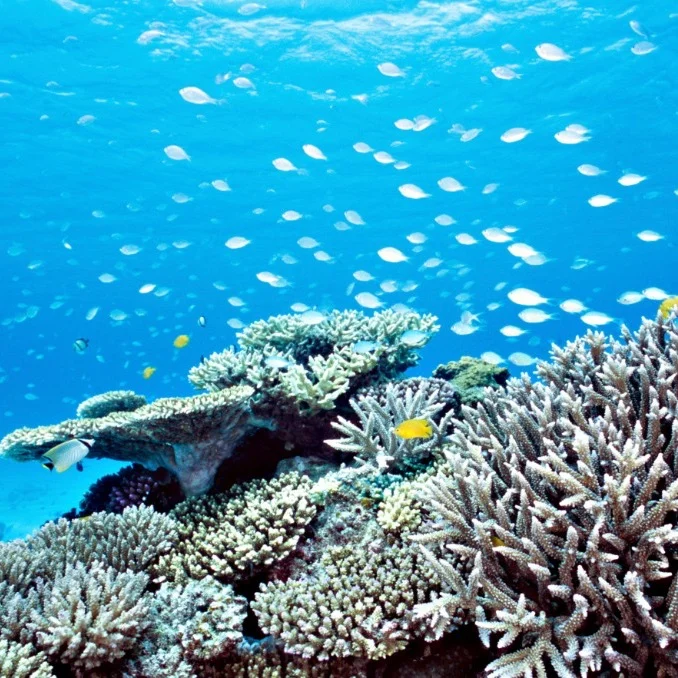
The Bird's Nest Coral (Seriatopora) is a delicate SPS coral known for its densely branching, fine-textured colonies. True to its name, it grows in neat, orderly branches and comes in a wide range of colors, including pink, green, and yellow, that bring vibrant color to any reef tank. As it branches out, it develops into a colony reaching roughly 10 to 30 cm at maturity, often becoming a centerpiece of the aquascape. Among SPS corals, it's considered easier to keep than Acropora, making it a popular entry point into SPS keeping. It's still best suited to intermediate keepers who can maintain stable water quality and lighting, but with a lifespan of 10 years or more, it rewards patient, long-term care.
View Seriatopora (Bird's Nest Coral) encyclopedia →0% commission on your first sales!Register by September 30, 2026 and your first 2 sales are commission-free!
Breeder Wanted!
List on BreederDirect and sell directly to customers nationwide!
Br-Choku's 6 Transparency Standards
Our Breeder sellers disclose detailed care specs for all Coral listings. We prioritize Aquacultured/CB specimens, verify WYSIWYG photos, and provide difficulty ratings—avoiding wild-caught.
- Aquacultured
- WYSIWYG Photo
- Difficulty Disclosed
- Frag/Colony
- Care Info Included
- Trade name shown
Browse all 66 breeds
Difficulty
No listings match your filters
Adjust your filters, or get notified when new listings arrive.
Getting alerts is free with a member account. When new listings match your saved search, we'll notify you by email and in-app.
Browse other categories
Verified breeders (preview)
About Seriatopora (Bird's Nest Coral)
Bird's Nest Coral (Seriatopora) is a delicate, densely branching SPS coral available in pink, green, and yellow. It's often considered an easier entry point into SPS keeping than Acropora, popular among intermediate reefkeepers.
7 things to know before welcoming a Seriatopora (Bird's Nest Coral)
1Strong Light & Flow Needed
Like other SPS corals, Bird's Nest Coral relies on strong lighting to support its symbiotic zooxanthellae. Place it where water movement reaches every branch, since good flow helps keep the colony healthy. Insufficient light or flow can lead to color loss or poor growth.
2Stable Water Parameters Matter
Calcium, alkalinity, and magnesium levels need to stay stable, since these minerals directly support the coral's skeletal growth. Sudden swings in these parameters can stress the coral, so regular testing and consistent dosing are essential. A stable reef environment makes this species much easier to keep long-term.
3Take Time to Acclimate
When introducing a new coral, use a slow drip acclimation to avoid sudden shifts in temperature or salinity. Keep it out of intense direct light for the first few days, then gradually move it to its permanent spot as it adjusts. Taking this slower approach helps it settle in without added stress.
4Plan for Its Mature Size
Since colonies can reach roughly 10 to 30 cm at maturity, it's worth leaving enough open space around it from the start. Its densely branching growth habit means it will need clearance from neighboring corals over time. Plan your aquascape with its eventual size in mind, not just its current appearance.
5Handle the Fragile Branches with Care
The fine, densely branching skeleton is delicate and can snap if bumped during maintenance or aquascape changes. Be mindful when using cleaning tools or rearranging nearby decor, and avoid applying force to the branches. While broken pieces can often be propagated, minimizing stress to the main colony is still the better approach.
6Lighting Affects Coloration
The wide range of colors — pink, green, yellow — is part of the appeal, but maintaining vivid coloration depends on consistent light spectrum and intensity. Colors can gradually fade if the lighting setup changes significantly, so it's best to keep the environment stable once the coral is settled.
7Easy to Propagate by Fragging
Its branching structure makes it relatively straightforward to frag, cutting pieces to grow as separate colonies. It's often considered easier to work with than Acropora, making it a good next step for hobbyists gaining SPS experience. Use clean tools and handle the cut edges carefully during the process.
Frequently asked questions about Seriatopora (Bird's Nest Coral)
- Q.Can beginners keep this coral?
- A.Bird's Nest Coral is rated for intermediate keepers and is considered one of the easier SPS corals to work with. That said, it still requires stable water quality, lighting, and flow, so some prior saltwater experience is recommended before taking it on.
- Q.How large does it grow?
- A.Mature colonies typically reach around 10 to 30 cm. Since it grows by branching outward, it's a good idea to leave room around it from the time you place it.
- Q.How long can it live?
- A.With proper care, it can live 10 years or more. Maintaining stable water parameters over time is key to supporting that longevity.
- Q.Are there different color varieties?
- A.Yes, it comes in a range of colors including pink, green, and yellow. Keeping the lighting environment stable helps maintain that coloration over time.
- Q.Does it need feeding?
- A.It relies mainly on nutrition from photosynthesis, so feeding isn't strictly necessary. That said, offering small amounts of plankton-based food occasionally can help support its growth.
Useful tools for Seriatopora (Bird's Nest Coral) care
Learn more about Seriatopora (Bird's Nest Coral) in the encyclopedia
View Seriatopora (Bird's Nest Coral) encyclopedia entry →
Care difficulty, lifespan, size and diet — all basics covered.
More in this category
Can't find the one you're looking for?
Post your wishes for free and breeders with matching animals will contact you with introductions.