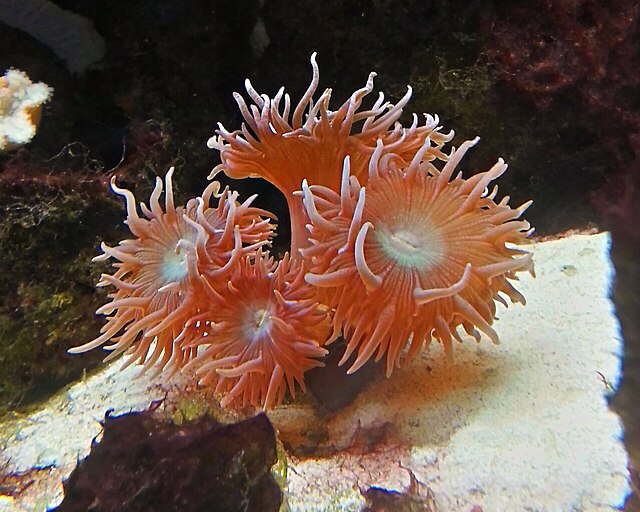
 © Kazvorpal / CC BY-SA 3.0
Duncan Coral
Duncan Coral is an LPS coral whose round polyps open wide like little flowers, giving it a soft, lively look in the tank. It responds well to feeding, so watching it catch and eat food is one of its biggest draws for keepers. Being relatively hardy, it's considered an approachable choice for those just starting out with coral keeping, and its rising popularity reflects that. Watching the colony branch out and add new polyps over time is part of the ongoing enjoyment. This species is not subject to CITES.
View Duncan Coral encyclopedia →0% commission on your first sales!Register by September 30, 2026 and your first 2 sales are commission-free!
Breeder Wanted!
List on BreederDirect and sell directly to customers nationwide!
Br-Choku's 6 Transparency Standards
Our Breeder sellers disclose detailed care specs for all Coral listings. We prioritize Aquacultured/CB specimens, verify WYSIWYG photos, and provide difficulty ratings—avoiding wild-caught.
- Aquacultured
- WYSIWYG Photo
- Difficulty Disclosed
- Frag/Colony
- Care Info Included
- Trade name shown
Browse all 66 breeds
Difficulty
No listings match your filters
Adjust your filters, or get notified when new listings arrive.
Getting alerts is free with a member account. When new listings match your saved search, we'll notify you by email and in-app.
Browse other categories
Verified breeders (preview)
About Duncan Coral
Duncan Coral is a hardy, beginner-friendly LPS coral known for its round, flower-like polyps and strong feeding response.
7 things to know before welcoming a Duncan Coral
1Provide Gentle, Indirect Flow
Duncan Coral needs some water movement to fully extend its polyps, but flow that hits it too directly or too strongly can keep them closed. Place it where gentle, indirect current reaches the colony.
2Moderate Lighting Is Enough
This coral doesn't require intense lighting, so it can be placed in a variety of spots in the tank, including the middle or lower areas. If you're unsure where to start, a moderately lit position is a safe first choice.
3Feeding Encourages Healthy Growth
Duncan Coral responds well to target feeding, and you can watch its polyps actively catch and consume food. Regular feeding tends to support good coloration and growth over time.
4Give It Space From Neighbors
As the colony grows, its skeleton branches out and new polyps form, gradually expanding in size. Leave enough space between it and neighboring corals when placing it in the tank.
5Avoid Sudden Water Changes
While relatively hardy, this coral—like most corals—is sensitive to abrupt shifts in water parameters. Keep temperature, salinity, and pH changes gradual, both during introduction and in ongoing care.
6Allow an Acclimation Period
It's common for the polyps to stay closed for a few days right after moving to a new tank. In most cases they relax and open again once the coral settles in, so give it time before worrying.
7A Long-Term Companion
Under proper care, Duncan Coral can live for over ten years, making it a companion you can enjoy in your tank for a long time. Getting into the habit of daily observation helps you stay on top of its condition.
Frequently asked questions about Duncan Coral
- Q.Is Duncan Coral suitable for beginners?
- A.Yes, Duncan Coral is classified as beginner-friendly. It's relatively hardy and responds well to feeding, making it approachable for those new to coral keeping.
- Q.Do I need to feed it regularly?
- A.It's not strictly required, but since it responds well to feeding, regular feeding helps support healthy growth. Watching it capture food is also one of the fun parts of keeping it.
- Q.Are closed polyps a sign of illness?
- A.Closed polyps often happen after environmental changes or when flow and lighting aren't quite right, and don't necessarily indicate illness. If there's no improvement after a few days, try adjusting the coral's placement or water flow.
- Q.How long can Duncan Coral live?
- A.With proper care, it can live for over ten years, which is part of why it's a popular long-term addition to a reef tank.
- Q.Is this species subject to any trade regulations?
- A.Duncan Coral is not subject to CITES.
Useful tools for Duncan Coral care
Learn more about Duncan Coral in the encyclopedia
View Duncan Coral encyclopedia entry →
Care difficulty, lifespan, size and diet — all basics covered.
Duncan Coral related articles
See more Duncan Coral articles →More in this category
Can't find the one you're looking for?
Post your wishes for free and breeders with matching animals will contact you with introductions.