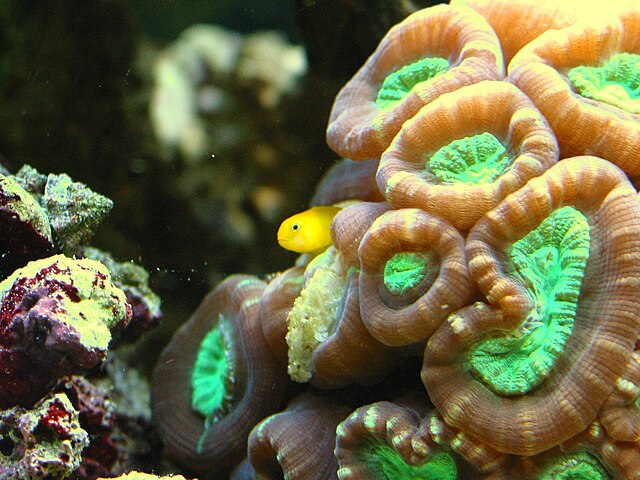
 © Sean McGrath / CC BY 2.0
Candy Cane Coral
Candy Cane Coral is an LPS species named for its cluster of round, cane-like polyp heads that grow in a range of cheerful colors, from earthy browns to vivid greens and pinks, adding a splash of color to any tank. It's a hardy, adaptable coral that tolerates a range of tank conditions, which is why it's widely recommended as a starting point for reefkeepers new to LPS care. With the right lighting and flow, its polyps open fully for a lively, full display. Given consistent care, a colony can thrive for 10 years or more, gradually spreading and filling out its space along the way.
View Candy Cane Coral encyclopedia →0% commission on your first sales!Register by September 30, 2026 and your first 2 sales are commission-free!
Breeder Wanted!
List on BreederDirect and sell directly to customers nationwide!
Br-Choku's 6 Transparency Standards
Our Breeder sellers disclose detailed care specs for all Coral listings. We prioritize Aquacultured/CB specimens, verify WYSIWYG photos, and provide difficulty ratings—avoiding wild-caught.
- Aquacultured
- WYSIWYG Photo
- Difficulty Disclosed
- Frag/Colony
- Care Info Included
- Trade name shown
Browse all 66 breeds
Difficulty
No listings match your filters
Adjust your filters, or get notified when new listings arrive.
Getting alerts is free with a member account. When new listings match your saved search, we'll notify you by email and in-app.
Browse other categories
Verified breeders (preview)
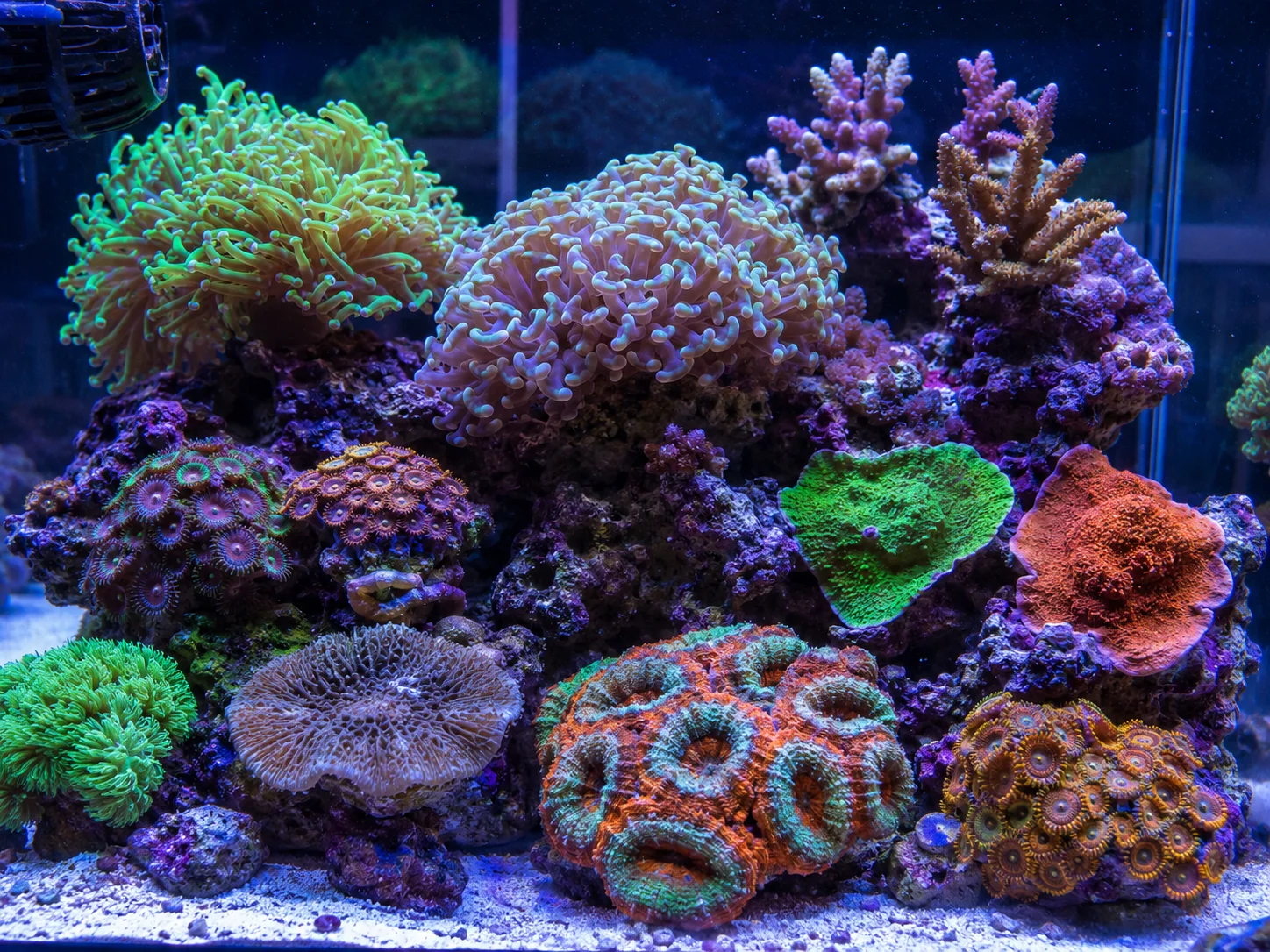
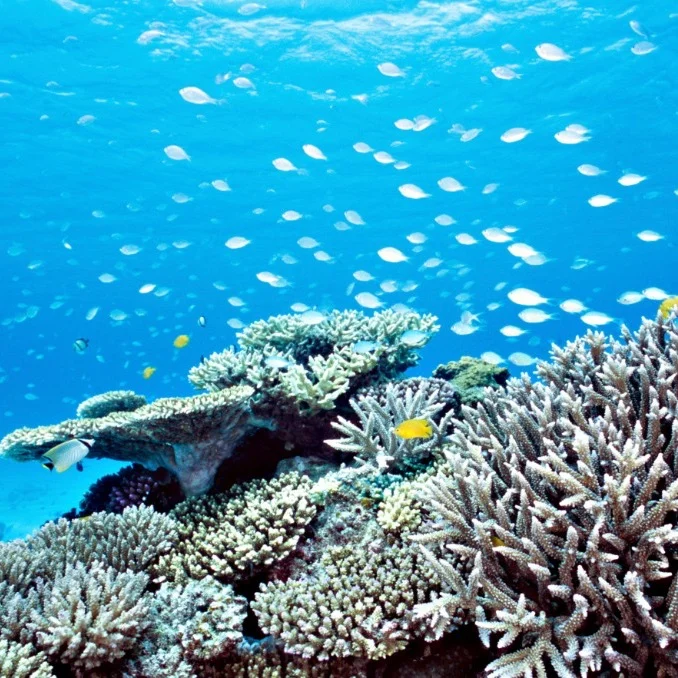
About Candy Cane Coral
Candy Cane Coral is a hardy, colorful LPS coral with round, cane-like polyp heads. Beginner-friendly and easy to care for, it can live 10+ years with proper care.
7 things to know before welcoming a Candy Cane Coral
1Placement & Lighting
While relatively hardy, Candy Cane Coral can lose color or retract its polyps under overly intense lighting. Aim for a spot with moderate light and adjust based on how the colony responds over time.
2Keep the Flow Gentle
Too much water movement can keep the polyps from opening fully, making it harder for the coral to catch food. A gentle, steady flow helps the polyps stay extended and looking their best.
3Feeding Boosts Color
Beyond what it gets from photosynthesis, this coral benefits from occasional feedings of finely chopped seafood, which can enhance polyp color and growth. Feeding isn't mandatory, but doing it regularly helps keep the colony thriving.
4Give It Room from Other Corals
Its tentacles can extend and irritate nearby corals, so leave adequate space between it and its neighbors. Keep in mind the colony will spread over time, so plan your layout with some extra room.
5Stable Water Chemistry Matters
As with most LPS corals, consistent calcium and alkalinity levels are fundamental to long-term health. Avoid sudden swings in water parameters and stay on top of routine testing.
6Polyps Open and Close
The coral may look modest with its skeleton visible during the day, then extend its polyps noticeably at night or during feeding. How much they open varies by individual and conditions, which makes daily observation part of the fun.
7Colonies Grow Slowly
Thanks to its hardy nature, a Candy Cane colony will gradually spread under stable conditions. Growth pace varies between individuals, but watching the shape change over time is part of the appeal.
Frequently asked questions about Candy Cane Coral
- Q.Is Candy Cane Coral suitable for beginners?
- A.Yes — Candy Cane Coral is considered a beginner-friendly LPS species thanks to its hardiness and adaptability. Maintaining basic, stable water quality is usually enough to keep it thriving, making it a solid choice for a first coral.
- Q.Does it need to be fed?
- A.Feeding isn't required, but offering finely chopped seafood occasionally can enhance polyp color and growth. A light, regular feeding routine is a nice way to support the coral without much extra effort.
- Q.How long can it live in an aquarium?
- A.With proper care, it can live for 10 years or more. Consistent attention to water parameters and tank layout over time is what makes long-term success possible.
- Q.Can it be placed next to other corals?
- A.Because its tentacles can extend and irritate nearby corals, it should be placed with adequate spacing from its neighbors. Since the colony spreads as it grows, plan for some extra room in the layout from the start.
- Q.Can it be kept with fish and other tankmates?
- A.Yes, its calm temperament makes it compatible with fish. Its stinging tentacles are mainly a concern for other corals placed too close by, so tankmate corals need thoughtful spacing rather than fish avoidance.
Useful tools for Candy Cane Coral care
Learn more about Candy Cane Coral in the encyclopedia
View Candy Cane Coral encyclopedia entry →
Care difficulty, lifespan, size and diet — all basics covered.
Candy Cane Coral related articles
See more Candy Cane Coral articles →More in this category
Can't find the one you're looking for?
Post your wishes for free and breeders with matching animals will contact you with introductions.