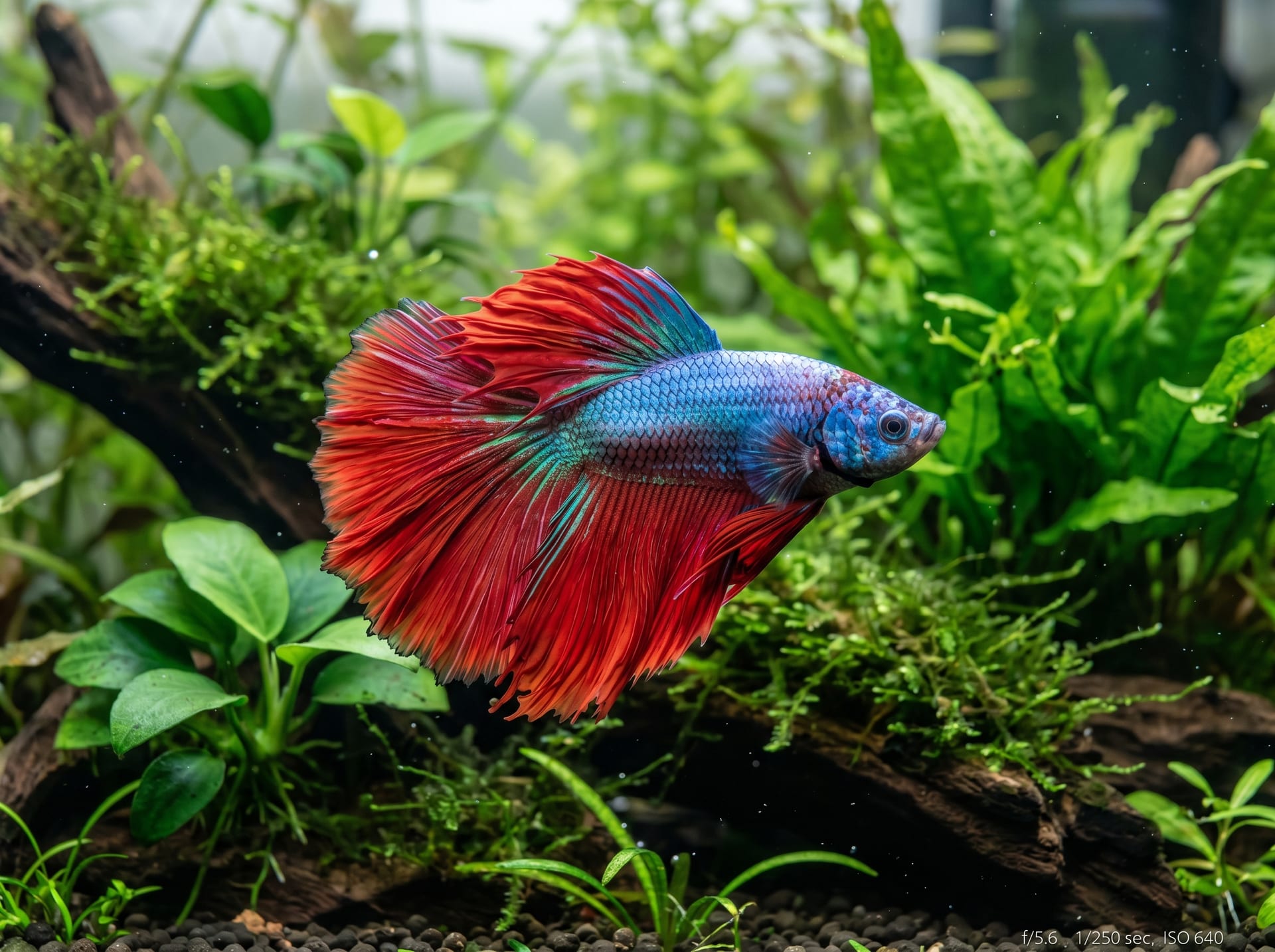
Wild Betta Varieties and Care Guide | The Appeal of Wild Species and Breeding Methods
Explaining representative wild betta species and care methods. Introducing the differences between mouthbrooding and bubble nesting, and water quality requirements.
Key Takeaways
Explaining representative wild betta species and care methods. Introducing the differences between mouthbrooding and bubble nesting, and water quality requirements.
Related Species
While selectively bred bettas are prized for their vibrant colors and fin shapes, wild bettas occupy an entirely different world. Wild species inhabiting Southeast Asian rainforests and peat swamps captivate through refined beauty honed by nature rather than flashiness, and the fascinating ecology that deepens with observation. This article clearly explains everything from representative wild betta species readily available as of 2026, to how to set up appropriate care environments and differences in breeding methods—in a way accessible to those attempting this for the first time.
What Are Wild Bettas? Differences from Selectively Bred Species
The common bettas seen in pet shops (Betta splendens) are selectively bred varieties developed over centuries in Thailand and Southeast Asia. In contrast, wild bettas are a collective term for undomesticated wild species, with over 50 species now identified.
Wild bettas have the following characteristics compared to selectively bred varieties:
- Small body size: Most species are compact at around 3-7 cm
- Shorter fins: Not as elongated as selectively bred varieties, but possessing a unique beauty in their natural silhouette
- Gentler temperament in many species: Some species can be kept in groups with multiple individuals
- High water quality requirements: Many species prefer soft water and low pH blackwater environments
- Diverse breeding behaviors: Broadly divided into bubble nesting and mouthbrooding types
Natural behaviors unique to wild species, particularly the dedicated parental care of males during breeding, offer an observation experience unmatched by selectively bred varieties.
Representative Wild Betta Species
Betta imbellis (Crescent Betta)
A relatively easy-to-care beginner species widely distributed throughout Southeast Asia. The blue-green scales on the body sides shimmer beautifully when reflecting light, and the species is named Crescent for the crescent-moon appearance of the tail fin's edge.