Complete Guide to Keeping Tortoises|Comparing Hermann's, Greek, African Spurred, and Indian Star Tortoises
Compare and explain the characteristics, breeding environments, diets, and UVB management of Hermann's, Greek, African Spurred, and Indian Star tortoises. We also introduce a beginner's guide to choosing tortoise species.
Key Takeaways
Compare and explain the characteristics, breeding environments, diets, and UVB management of Hermann's, Greek, African Spurred, and Indian Star tortoises. We also introduce a beginner's guide to choosing tortoise species.
Related Species
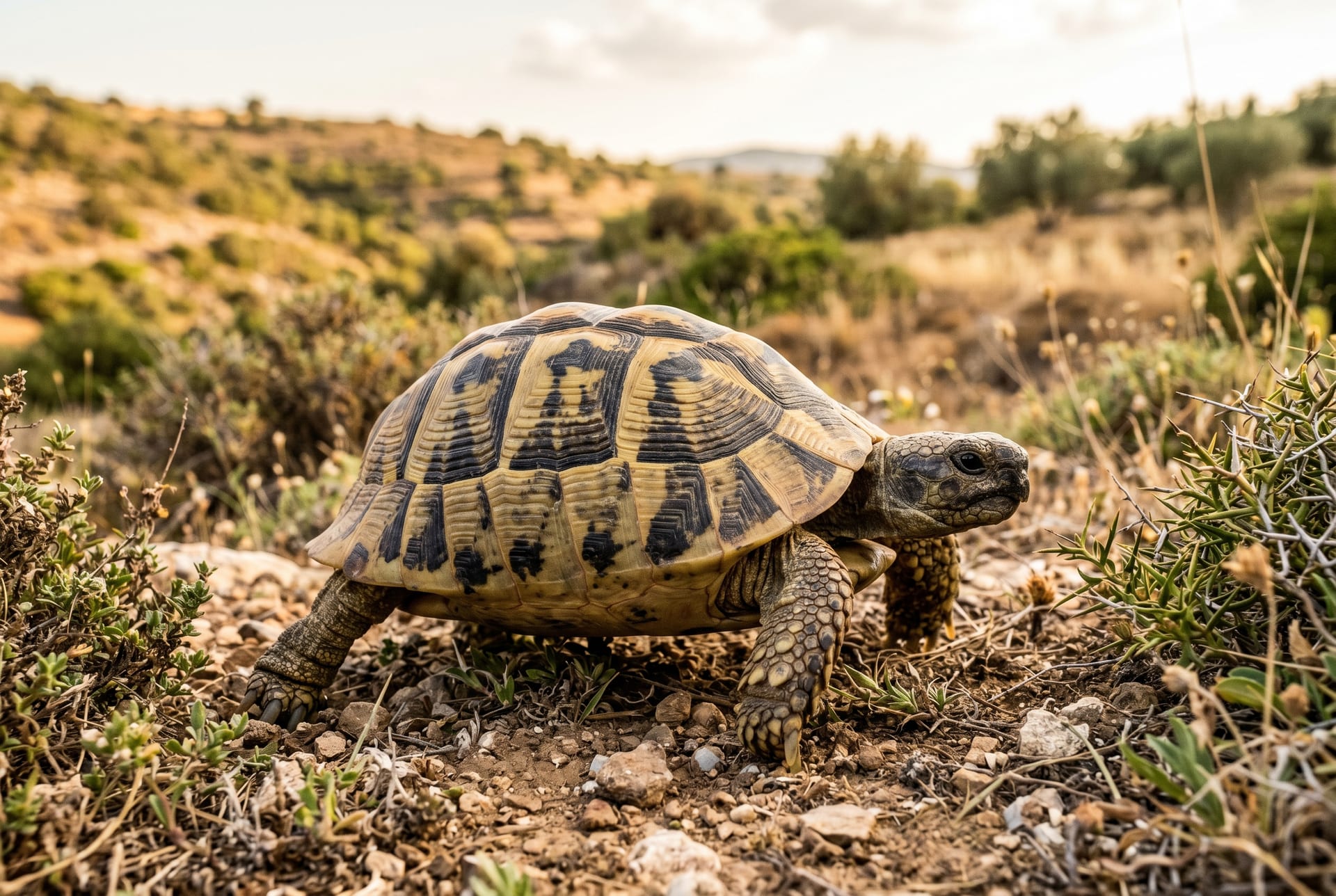
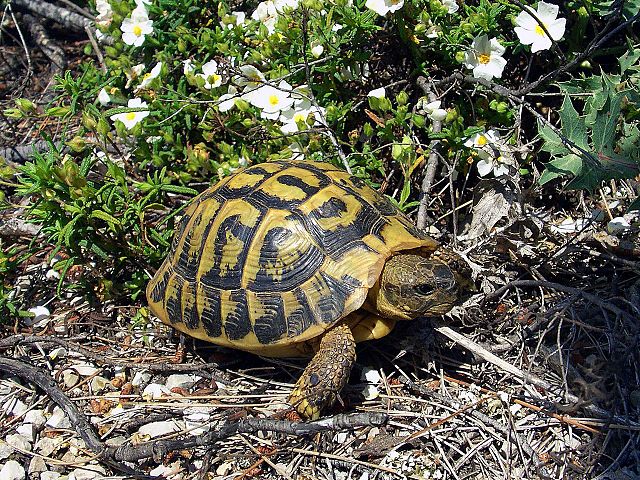
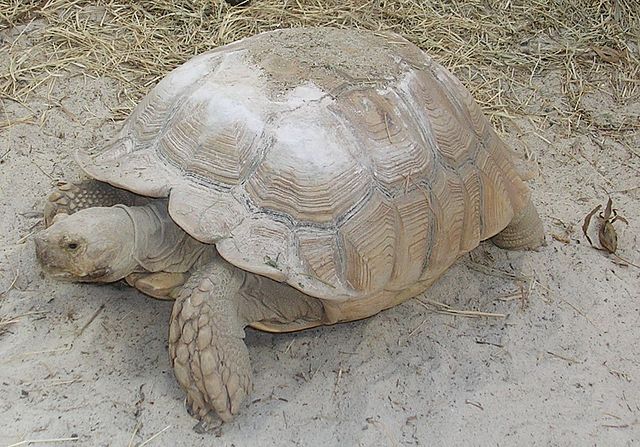
Tortoises are long-lived reptiles that live 50 to over 100 years and are cherished as companion animals. However, care requirements—breeding environment, diet, and temperature settings—differ significantly by species, necessitating proper preparation. This article compares and explains the characteristics and care methods of four popular tortoise species in Japan.
Basic Characteristics of Tortoises
Common Characteristics
- Herbivorous: Eat vegetables, grasses, and fruits
- Ectothermic: Regulate body temperature using external temperature
- UVB Essential: Ultraviolet light is necessary for vitamin D3 synthesis
- Long-lived: Some species live over 100 years
- Hibernation: Some species (particularly Mediterranean types) hibernate
Criteria for Choosing
| Criterion | Points to Confirm |
|---|---|
| Breeding Space | Can you accommodate the species' eventual adult size |
| Temperature and Humidity Management | Can you recreate the required environment |
| Experience Level | Are you a beginner or advanced keeper |
| Budget | Individual cost, equipment, and maintenance expenses |
| Lifespan | Can you commit to caring for an animal for 50+ years |
Detailed Comparison of 4 Popular Species
1. Hermann's Tortoise
Origin: Mediterranean coast (France, Italy, Balkan Peninsula) Body Length: 15–25 cm (varies by subspecies) Lifespan: 50–100 years
Characteristics of Hermann's
- The classic beginner tortoise
- Small to medium size requiring relatively modest space
- Hardy and resistant to illness
- Can hibernate (relatively adaptable to Japan's climate)
Breeding Environment
| Item | Setting |
|---|---|
| Daytime Temperature | 25–32℃ (basking spot 35–40℃) |
| Nighttime Temperature | 18℃ or higher |
| Humidity | 50–70% |
| Lighting | UVB lamp (5.0–10.0) essential |
Diet: Primarily timothy grass, meadow grasses, and leafy vegetables (clover, dandelion, bok choy), with fruit in small amounts (avoid high sugar)
2. Greek Tortoise
Origin: Mediterranean coast, North Africa Body Length: 15–30 cm (varies by subspecies) Lifespan: 50+ years
Characteristics of Greek Tortoise
- A standard beginner species alongside Hermann's
- Many subspecies (over 20), each with distinct traits
- Social and easily tame
- Hardy and relatively easy to manage
Differences from Hermann's
| Comparison | Hermann's | Greek |
|---|---|---|
| Shell Shape | Single scute above tail | Varied |
| Tail Tip | Has a keratinous spine | No spine |
| Distribution | Limited | Wide (North Africa to Middle East) |
| Humidity | Slightly higher | Varies by subspecies (some prefer dry conditions) |
Diet: Similar to Hermann's. Some subspecies have stronger herbivorous tendencies
3. African Spurred Tortoise
Origin: Around the Sahara Desert (Africa) Body Length: 60–83 cm (large species) Lifespan: 50–100 years
Characteristics of African Spurred Tortoise
- The third-largest tortoise in the world (the largest species in Africa)
- Adults reach 60–83 cm and weigh 30–100+ kg
- Voracious appetite with abundant waste
- Hardy and manageable, but understanding the eventual large size is essential before starting care
Important Care Considerations
- Future Size: Juveniles may be 20–30 cm but eventually reach 60–83 cm
- Breeding Space: Adults require garden or dedicated room-sized enclosures
- Heating Costs: Maintaining large enclosures is expensive
- No Hibernation: Requires year-round heating
Why African Spurred Tortoises are not recommended for beginners: Inability to accommodate their eventual size has led to abandonment and neglect, becoming a social issue.
Breeding Environment
| Item | Setting |
|---|---|
| Daytime Temperature | 28–35℃ (basking spot 40–45℃) |
| Nighttime Temperature | 20℃ or higher |
| Humidity | 20–40% (dry conditions) |
Diet: Timothy grass as primary food, with diverse grasses and leafy vegetables. Dandelion and clover are ideal
4. Indian Star Tortoise
Origin: India, Sri Lanka Body Length: 15–25 cm (females larger) Lifespan: 30–50 years
Characteristics of Indian Star Tortoise
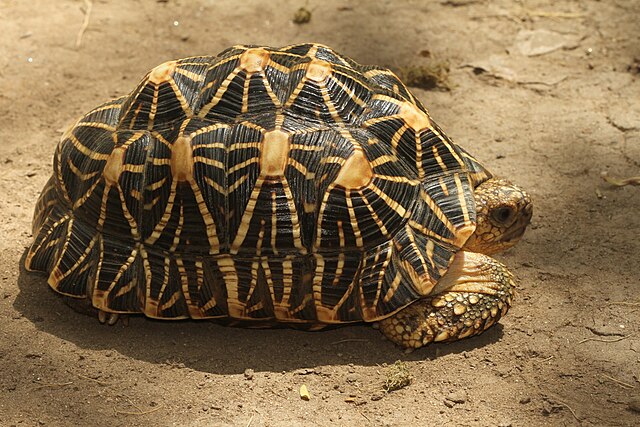
- Distinctive star-shaped patterns on the shell
- Requires warm, humid environments (especially careful in Japanese winters)
- Moderate difficulty in care
- Somewhat delicate appetite
Breeding Environment (Important)
| Item | Setting |
|---|---|
| Daytime Temperature | 28–32℃ (basking spot 35–40℃) |
| Nighttime Temperature | 24–26℃ (requires warm nights) |
| Humidity | 60–80% (high humidity essential) |
| Hibernation | Not possible (sensitive to cold) |
Note: Indian Star Tortoises are particularly sensitive to dryness, and low-humidity environments increase risk of dehydration and respiratory disease.
Important Points Common to All Tortoise Care
Importance of UVB Lighting
Without UVB, vitamin D3—essential for calcium metabolism—cannot be synthesized, leading to metabolic bone disease (MBD).
- Daily UVB exposure of 10–12 hours
- Replace lamps every 6–12 months (depending on use)
- UVB lamps are ineffective through glass (direct exposure is necessary)
Basking Spot Setup
Tortoises require basking (warming their bodies) for digestion. When body temperature rises after eating, digestive enzymes activate.
Substrate Selection
| Substrate Type | Suitable Tortoise | Features |
|---|---|---|
| Coconut Husk | High-humidity species (Indian Star, etc.) | High moisture retention |
| Coconut Husk Mix | Mediterranean species overall | Well-balanced |
| Sand and Soil Mix | Dry-climate species (African Spurred) | Maintains low humidity |
Substrate Depth: Deep enough for tortoises to burrow (minimum 10+ cm)
Regular Health Checkups
Because tortoises hide signs of illness well, annual to biannual checkups with a reptile specialist are recommended.
Blood Test Essentials: Calcium, phosphorus, liver function, parasite screening
Enclosure and Habitat Setup
Tortoises regulate body temperature through basking (sunbathing and use of warm spots). Creating a temperature gradient within the enclosure is fundamental.
Temperature Management:
- Hot spot (basking zone): 35–40℃
- Cool spot: 22–26℃
- Nighttime: 18–22℃ (as long as it doesn't get extremely cold)
Create the hot spot using a basking lamp (incandescent or halogen bulb). Use ceramic heaters or heating panels for overall enclosure warmth.
UVB Lighting: Tortoises synthesize vitamin D3 themselves by basking under UVB. Use a reptile UVB lamp (UVB 10.0 or higher) for 10–12 hours daily.
Substrate: Coconut husk soil, akadama clay, or cork chips work well. Ensure 5–10+ cm depth to allow burrowing. Target humidity around 40–60%, preventing excessive dryness.
Water Dish: Provide a shallow water dish with fresh water changed daily. Tortoises often defecate in their water, so regular cleaning is necessary.
Feeding and Nutrition Management
Tortoises are herbivorous. Feed primarily vegetables and wild plants; fruits and animal protein are unnecessary or only minimal.
Suitable Primary Foods:
- Leafy vegetables and wild plants: bok choy, Chinese broccoli, radish greens, dandelion, plaintain, clover
- Small amounts of kale and mustard greens
Foods to Limit:
- Spinach and lettuce (high oxalic acid; excess causes stones and diarrhea)
- Cabbage and Chinese cabbage (may affect thyroid function)
- Fruits (high sugar, causing digestive upset)
Calcium Supplementation: Dust food with commercial calcium powder (with vitamin D3) 2–3 times weekly. Essential for shell growth.
Feeding Frequency: Daily or every other day. Young individuals should eat daily; adults should be fed 5–6 times weekly. Always remove uneaten food.
Health Management and Common Diseases
Monitor a tortoise's health through appetite and elimination. Contact a veterinarian experienced with reptiles if you notice the following signs.
Warning Signs:
- Significant appetite loss (2–3 days or longer)
- Eye discharge, nasal discharge, or open-mouth breathing (suspected respiratory infection)
- Soft or deformed shell (shell disease: vitamin D3 or calcium deficiency)
- Lethargy or immobility (suspected hypothermia or digestive upset)
Common Diseases:
- Shell Disease (Metabolic Bone Disease): Caused by UVB and calcium deficiency. Prevention is the best treatment
- Respiratory Infection (Mycoplasma, etc.): Presents with nasal discharge and wheezing. Requires antibiotic treatment
- Parasitic Infection (Internal Parasites): Fecal testing shortly after purchase provides peace of mind
Summary
| Species | Recommended For |
|---|---|
| Hermann's | Beginners, limited space |
| Greek | Beginners to intermediate, prefer social tortoises |
| African Spurred | Advanced keepers with ample space only |
| Indian Star | Intermediate to advanced, prefer beautiful patterns, can manage high humidity |
Tortoises are companions for decades or more. Before acquiring one, thoroughly research and prepare equipment, then keep it responsibly.