Setting Up and Operating Isolation and Treatment Tanks | A Practical Guide to New Introductions and Disease Treatment
We explain the setup method for isolation tanks, necessary equipment, and operating protocols essential for introducing new animals and treating illness. We introduce practical know-how to prevent troubles before they occur.
Key Takeaways
We explain the setup method for isolation tanks, necessary equipment, and operating protocols essential for introducing new animals and treating illness. We introduce practical know-how to prevent troubles before they occur.
Introducing new animals directly into an existing aquatic environment carries significant risk. Parasites, bacteria, and viruses brought in from outside can cause devastating damage to existing animals. An isolation tank (also called a treatment tank or quarantine tank) is a dedicated environment designed to block this infection risk and confirm the health status of new individuals. In this article, we explain practical methods for setting up and operating isolation tanks.
✍️
BreederDirect Editorial
The BreederDirect editorial team specializes in care information for animals, covering veterinary care and breeding to deliver beginner-friendly guides.
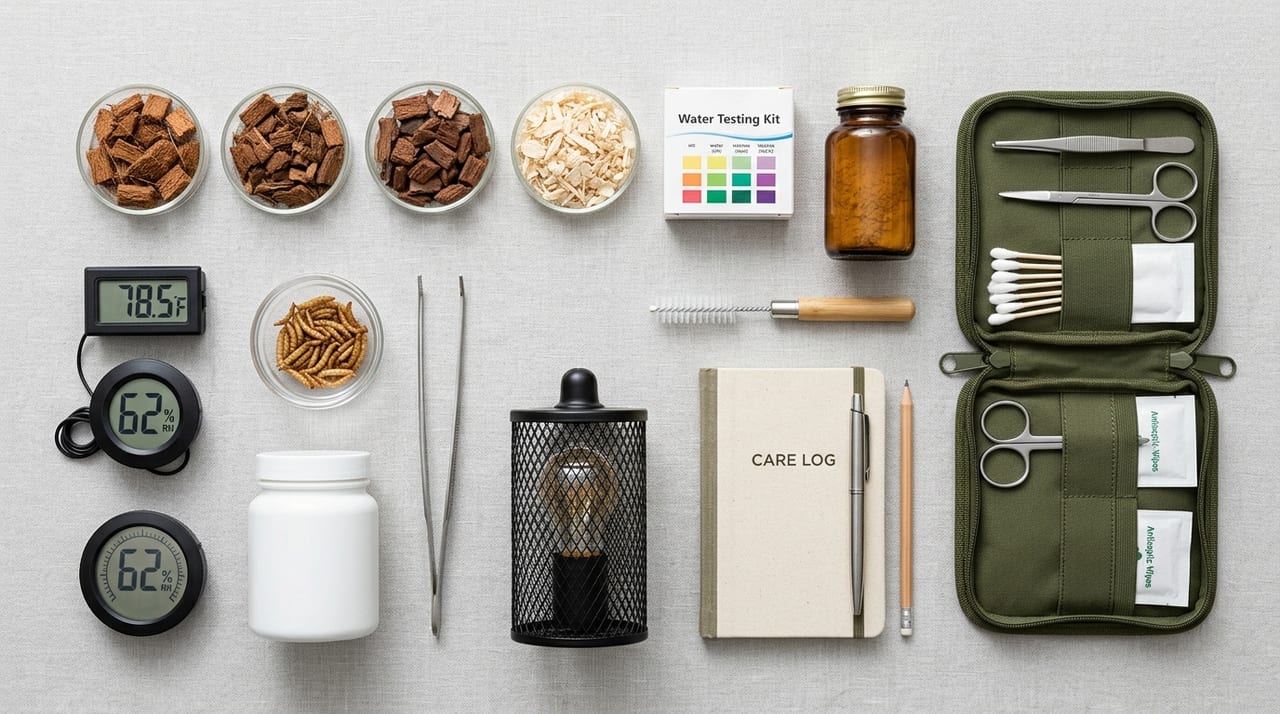
An isolation tank does not need to be permanently set up; what is important is being prepared to set one up quickly when needed. The minimum equipment required is a tank (or plastic container), a filter (a sponge filter is ideal), a heater, an air pump, and a thermometer. The tank size should be chosen according to the animals you keep, but for aquariums, a small 30–45 cm tank is often sufficient. There are three reasons for choosing a sponge filter. First, during medicated baths there is no activated charcoal or other absorbent filter media, so the medication's effectiveness is maintained. Second, the structure is simple, making cleaning and disinfection easy. Third, you can keep it in the main tank normally and simply lift it out when needed, already colonized with beneficial bacteria. Keeping this "spare sponge filter" running in your main tank at all times is the most practical preparation method. Do not use substrate; the basic approach is to operate as a bare tank with the bottom exposed. Substrate makes it difficult to check for feces and medication residue, and cleaning becomes problematic.
Quarantine Protocol for New Introductions
Place newly purchased animals in the isolation tank and observe them completely separated from the existing aquatic environment for a minimum of two weeks. During this period, check daily for signs of parasites (white spot, excess mucus on the body surface, fin congestion, etc.) and symptoms of bacterial infection. Match the temperature and water quality to the conditions in the main tank. The management points during the quarantine period are as follows. Perform a 50% water change every 2–3 days to maintain water quality. Feed as usual, but carefully observe feeding response and fecal condition. If the feces are abnormally dark, contain white mucus, or include undigested food, internal parasites are possible. Never add water from the isolation tank to the main tank, and never share equipment (nets, tweezers, etc.) as an absolute rule. If no abnormalities are observed during the two-week quarantine period, acclimate the animals and introduce them to the main tank. If you wish to be extra cautious, you may extend the quarantine period to four weeks.
Using Isolation Tanks for Disease Treatment
If illness occurs in your existing aquatic environment, the basic approach is to move the sick animal to an isolation tank for treatment. Treating in the main tank with medication carries the risk of killing beneficial bacteria in the filter and causing sudden water quality changes. It also helps prevent the spread of infection to other animals. The procedure for medicated bathing is to fill the isolation tank with water from the main tank, match the temperature, and then move the sick animal. Always follow the prescribed dose for each medication product; overdosing is strictly prohibited. Many fish medications are colored (methylene blue produces blue, Green F produces yellow-green, etc.), so if you are concerned about staining on silicone parts, use a plastic container. During the medicated bath period, daily water changes (50–70%) and re-addition of medication are the basics. Increase aeration to ensure adequate dissolved oxygen. Since medications are absorbed by activated charcoal, do not use filters with activated charcoal. After treatment is complete, thoroughly clean and disinfect the isolation tank before storing it. Disinfect using a diluted solution of sodium hypochlorite (bleach), rinse thoroughly, and then dry.
Quarantine Management for Reptiles and Amphibians
For reptiles and amphibians too, quarantine upon new introduction is extremely important. This is because there is risk of serious infections like Cryptosporidium and adenovirus, which are difficult to treat. Ideally, the quarantine enclosure should be set up in a separate room from the main enclosure. If in the same room, at a minimum place it on a different rack, and maintain a distance of 2 meters or more considering the risk of aerosol transmission. For reptiles, a minimum quarantine period of 30 days is recommended. During this time, it is ideal to have a fecal test performed (request this from a veterinarian) to confirm the presence or absence of internal parasites. Particularly, wild-caught individuals often carry parasites, so testing should be considered essential. Care of quarantined animals must always be done last after caring for other animals. If you care for the quarantined animal first and then handle your main animals, there is a risk of spreading infection through your hands and tools. Thoroughly practice hand washing and equipment disinfection.
Common Failures in Isolation Tank Operation and How to Prevent Them
Here is a summary of common failures in isolation tank operation. First, there is ammonia poisoning due to insufficient bacteria. If you use a brand new sponge filter as-is, biological filtration will not function and ammonia will accumulate. The solution, as mentioned above, is to keep a spare sponge filter running in your main tank at all times. Second, there is the failure to manage temperature. Small isolation tanks have little water volume and temperature fluctuates greatly, so always install a heater and thermometer. Third, there is shortening the quarantine period. If you end quarantine after just one week saying "it seems healthy," you may miss illnesses with long incubation periods. Strictly observe the minimum two weeks (30 days for reptiles). Fourth, there is sharing equipment. If you share nets or tweezers with your main tank, the quarantine becomes pointless. Prepare a dedicated set of equipment for the isolation tank. When purchasing animals from BreederDirect, confirm the health status and recent treatment history with the breeder, and systematically implement your post-introduction quarantine protocol. Prevention is the best treatment.